Mutianyu or Jinshanling, Choosing Your Beijing Great Wall Section
Compare Mutianyu and Jinshanling Great Wall sections from Beijing to decide which fits your fitness, time, and crowd tolerance.

Mutianyu or Jinshanling, Choosing Your Beijing Great Wall Section
Badaling is out. You already know it is a human escalator with handrails and selfie sticks bumper to bumper. The real choice between the two most popular alternatives turns on how much physical effort you will trade for empty stone. Mutianyu gives you a restored wall, cable cars, and a toboggan ride down. Jinshanling gives you a semi-wild, five-kilometre hike on broken steps with no handrails and almost nobody in your frame. The mutianyu vs jinshanling great wall decision comes down to whether you want a comfortable half-day with the family or a photographers full-day hike that demands good knees and a driver on standby.
The Core Difference: Comfort Versus Crowd Reduction
Different Travellers, Different Days
The two stretches are not alternatives that serve the same traveller. They serve different travellers on different days with different budgets. Mutianyu is 1.5 hours from central Beijing by car or tourist bus. Jinshanling is 2.5 hours one way. That extra hour each way is the first filter: Jinshanling demands a full day commitment before you even set foot on the wall.
Mutianyu receives 4 to 5 million visitors annually. Jinshanling receives 0.3 to 0.5 million. That ten-to-one ratio is the second filter. At Mutianyu on a weekend you can wait 30 to 60 minutes for the cable car. At Jinshanling you queue for nothing and the wall stays empty for 10 to 20 minutes at a stretch.
The Cost Of Empty Stone
But empty comes at a cost. Mutianyu is fully restored with continuous parapets on both sides, handrails on every steep stretch, and 23 watchtowers open over 2.2 kilometres. You can walk it in two hours at a moderate pace. Jinshanling runs 5 kilometres with 15 towers and takes three to four hours one way. The west part is wild: broken treads, missing parapets, open drops. Handrails are absent. If you have balance issues, knee problems, or children under eight, Jinshanling is not an option.
Getting There: Transfer Time and the Stranding Risk
Mutianyu has a tourist bus line from Dongzhimen with multiple departures daily. You can also book a car or join a tour. Return is straightforward. The infrastructure at the base is complete: restaurants, snack stalls, toilets, souvenir shops, a parking lot. You will not go hungry or need to plan your return down to the minute.
Jinshanling is different. The independent bus service runs one or two departures daily from Wangjing West, and the return service ends early afternoon. The research flags the exact schedule as something you must verify before you go. If you miss that return bus, you are stranded 2.5 hours from the city. Your fallback is a taxi or a private driver, which pushes the whole-day cost per adult to 250 to 450 CNY compared to Mutianyus 200 to 350 CNY. That higher price bracket is the cost of the empty wall.
Mutianyu Cable Car Toboggan: the Easy Ascent and the Fun Descent
Three Ways Up
Mutianyu gives you three ways up: a cable car, a chairlift, or a footpath. The cable car round trip costs 100 to 120 CNY at 2024 rates, published by the site management and revised annually. The footpath is free with your 40 to 60 CNY ticket but adds a steep climb that most visitors skip.
The toboggan is why many travellers choose Mutianyu. It costs 80 to 100 CNY and runs from the top of the chairlift to the base. It is a steel slide you control with a brake lever. It is not a thrill ride in the theme park sense, but it is the most fun you can have coming off a World Heritage site. The toboggan closes in ice and heavy rain, but the wall itself operates in light snow and rain. Winter access is possible.
Who It Suits
Mobility is the deciding factor. Mutianyu is accessible to children, older adults, and anyone with mild mobility limits. Fitness requirement is low if you take the cable car. The base facilities mean you can arrive at 09:00, ride up, walk two hours, ride down on the toboggan, eat lunch, and be back in central Beijing by 14:30.
Jinshanling Unrestored Wall Hike: the Photographic Reward
The Wild Stretch
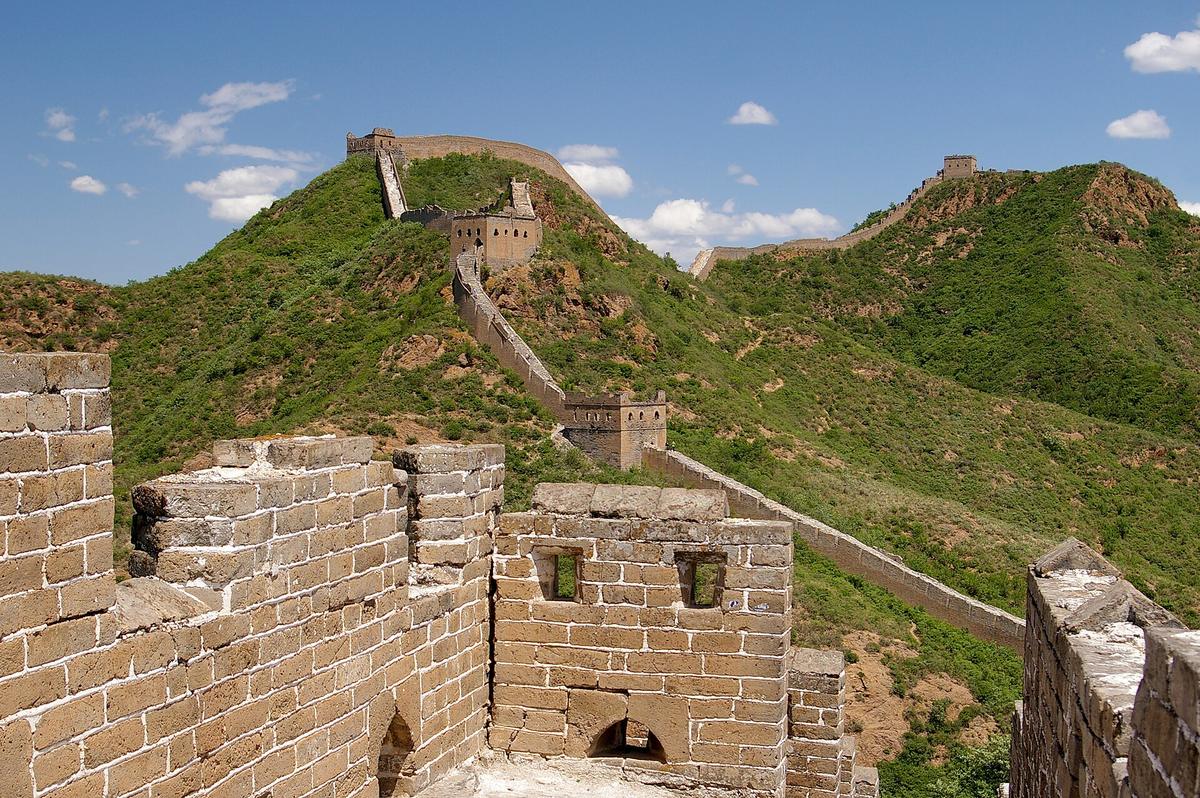
Jinshanling is the part photography books use on their covers. The wall snakes over multiple ridges with no handrails, no vendors, no crowds in the frame. The east part is partly restored; the west part is wild. Parapets are missing in multiple places. Steps are broken, uneven, and sometimes missing treads entirely.
There is no water on the wall. You carry everything you need. The only cable car is at the east entrance, one way for 40 to 60 CNY at 2024 rates. You can take it up, walk west for three to four hours, and descend on foot to the west exit. That means you need a driver waiting at the west exit or you walk back along the ridge, which adds another hour.
Season And Fitness
The best season is April to June and September to October. Avoid December to February: the wild stretch becomes impassable when icy because there is no salt or grit. Even in good weather, the step condition demands moderate to high fitness. Knee and ankle problems are a hard no. Children under eight should not attempt it.
Great Wall Section for Photography: Which One Delivers
If your primary goal is ridge photography, Jinshanling wins by a margin that makes the question almost unfair. The wall is unobstructed. There are no handrails in the frame. The crowds that appear in every Mutianyu shot are absent. You can stand on a tower and see the wall vanish over three successive ridges without a single selfie stick entering the composition.
Mutianyu photography is limited by the very infrastructure that makes it accessible. The restored parapets and handrails are in every wide shot. The queue for the cable car is visible from the top on busy days. The crowds are thick enough that a clean shot of the wall without people requires waiting five to ten minutes for a gap. On a public holiday that gap may not come.
Jinshanling gives you the shot the brochures advertise. The trade-off is that you hike three to four hours carrying your own water, and you need to arrange transport back from the far end. That is the price of the photograph.
Beijing Great Wall Without Crowds: the Honest Answer
Mutianyu Is Still Busy
Mutianyu is not a no-crowds option. It is a less-crowded option than Badaling. At 4 to 5 million annual visitors it is still busy. The cable car queue on a weekend can run 30 minutes. The wall itself has continuous foot traffic.
Jinshanling Is The Empty One
Jinshanling is the actual no-crowds stretch. At 0.3 to 0.5 million annual visitors it sees roughly one tenth of Mutianyus traffic. On a weekday morning you may walk for 20 minutes without seeing another person. That is the experience most travellers imagine when they picture the Great Wall, and it is the experience Jinshanling delivers.
But no crowds also means no safety net. The weather closure risk is high: Jinshanling closes or becomes unsafe in heavy rain, snow, or high wind. Mutianyu operates through most weather. Jinshanling has no food court, limited toilets, and no vendors on the wall. You cannot decide on a whim to go to Jinshanling. You have to plan the day, check the forecast, verify the bus schedule, and prepare for the hike. That preparation is the barrier that keeps the crowds away.
Worth it if
- Mutianyu is the winner for the common case: first-time visitor with one wall day, family members, or anyone who wants a comfortable half-day with cable car and toboggan options.
- Mutianyu has full base facilities including restaurants and toilets, a reliable tourist bus from Dongzhimen, and low fitness requirement with handrails on all steep stretches.
- Jinshanling delivers unobstructed ridge photography and genuine crowd-free walking, with a 3 to 4 hour hike on broken stone that rewards experienced hikers.
- Jinshanling cable car has no queues, and the wall stays empty for 10 to 20 minutes at a time even on weekends.
Skip it if
- Mutianyu still sees 4 to 5 million visitors annually, with cable car queues of 30 to 60 minutes on weekends and public holidays.
- Mutianyu photography frames include handrails, crowds, and restored parapets that look less dramatic than the wild stretches.
- Jinshanling is 2.5 hours from central Beijing one way, with only one or two bus departures daily and a high stranding risk if you miss the return.
- Jinshanling has broken steps, missing parapets, open drops, no handrails, no water on the wall, and no base facilities beyond a small ticket office and limited toilets. It is not suitable for children under eight, older adults with balance issues, or anyone with knee or ankle problems.
Who Should Choose Jinshanling Instead
You should pick Jinshanling if you are an experienced hiker with good fitness, you have no children in your group, you have a full day to spend on the wall, and your priority is empty ridge photography. You should also have a private driver or a confirmed taxi waiting at the west exit, because the bus schedule is unreliable and the return window is narrow.
A first-time China visitor with one wall day and family should not go to Jinshanling. The transfer time, the fitness requirement, the lack of facilities, and the stranding risk make it the wrong choice for anyone who is not already a confident hiker. If that describes your group, choose Mutianyu. Book the cable car round trip, walk the 2.2 kilometres end to end, and take the toboggan down. You will get a Great Wall experience that is real, manageable, and enjoyable.
Read next
-
 Beijing Hotels by Price Band and Property Type
Beijing hotels split into hutong courtyards, international chains and functional business towers. Here is what each price band actually buys you.
Beijing Hotels by Price Band and Property Type
Beijing hotels split into hutong courtyards, international chains and functional business towers. Here is what each price band actually buys you.
-
 Where to Stay in Beijing by District and Travel Style
Dongcheng puts you beside the Forbidden City, Chaoyang beside the nightlife. Here is how Beijing's districts compare for different travellers.
Where to Stay in Beijing by District and Travel Style
Dongcheng puts you beside the Forbidden City, Chaoyang beside the nightlife. Here is how Beijing's districts compare for different travellers.
-
 Beijing Flights PEK vs PKX Which Airport Actually Works for You
PEK or PKX? What each Beijing airport costs you in time, money, and logistical friction depending on where you are staying.
Beijing Flights PEK vs PKX Which Airport Actually Works for You
PEK or PKX? What each Beijing airport costs you in time, money, and logistical friction depending on where you are staying.
-
 Beijing Things to Do Worth Your Limited Days
The Forbidden City and Great Wall are essential, but Beijing's meaning lives in temple courtyards, hutong lanes and food streets. Here is what earns your days.
Beijing Things to Do Worth Your Limited Days
The Forbidden City and Great Wall are essential, but Beijing's meaning lives in temple courtyards, hutong lanes and food streets. Here is what earns your days.
-
 Best Time to Visit Beijing, Month by Month Tradeoffs
April and October bring blue skies and queues, July brings heat, January brings empty sites and hazardous air. Here is Beijing month by month.
Best Time to Visit Beijing, Month by Month Tradeoffs
April and October bring blue skies and queues, July brings heat, January brings empty sites and hazardous air. Here is Beijing month by month.
-
 Getting Around Beijing Without Losing Half Your Day
Beijing's metro is clean and cheap but stops early, and taxis rarely speak English. Here is how to move around without burning half your day.
Getting Around Beijing Without Losing Half Your Day
Beijing's metro is clean and cheap but stops early, and taxis rarely speak English. Here is how to move around without burning half your day.
-
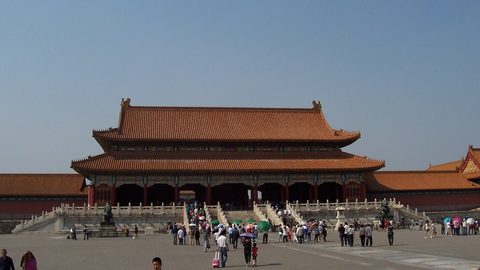 Forbidden City
 tickets require booking seven days ahead on WeChat with a passport. Here is the route to take once you are inside to avoid wasting the visit.
Forbidden City
Forbidden City tickets require booking seven days ahead on WeChat with a passport. Here is the route to take once you are inside to avoid wasting the visit.
-
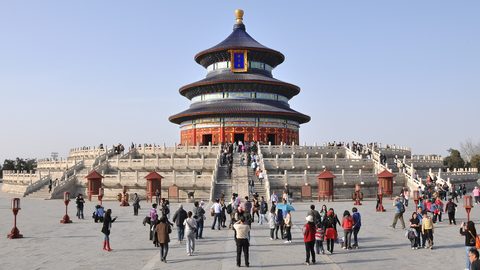 Temple of Heaven
The Temple of Heaven park matters as much as the temple. Morning tai chi, choirs, and card players make it a Beijing ritual worth a full morning.
Temple of Heaven
The Temple of Heaven park matters as much as the temple. Morning tai chi, choirs, and card players make it a Beijing ritual worth a full morning.
-
 Summer Palace
The Summer Palace is vast and the wrong entrance adds an hour of walking. Use the East Palace Gate and plan for at least four hours.
Summer Palace
The Summer Palace is vast and the wrong entrance adds an hour of walking. Use the East Palace Gate and plan for at least four hours.