China Month by Month What Each Season Costs You
China spans several climates and two Golden Weeks. Here is the month-by-month tradeoff so you can pick dates without regret.
The First Mistake Most Travellers Make
You land in Beijing on October 3 expecting mild 20°C weather and quiet queues at the Forbidden City. Instead you find a queue that stretches to the road, a hotel rate triple what it was two weeks earlier, and a high speed rail ticket from Xi'an that sold out four days ago. That is the cost of not understanding how China's climate calendar, holiday schedule, and sheer scale interact against you.
The honest answer to best time to visit China is not a single month. It is a tradeoff between conditions, crowds, and cost. The right choice depends on which of the country's five climate zones you are targeting and whether you can stomach peak season pricing for peak season conditions.
What You Actually Pay for Each Season
The two best weather windows are April to May and September to October. In Beijing and Xi'an, spring brings clear skies and temperatures from 12°C to 24°C, while autumn delivers similar conditions with lower humidity. Shanghai and Hangzhou in these windows are pleasant, with temperatures in the 18°C to 26°C range and fewer rainy days. But those months are also peak season. Hotel prices in Beijing's Dongcheng district hit their annual high, and the Forbidden City requires booking 7 days ahead rather than 1.
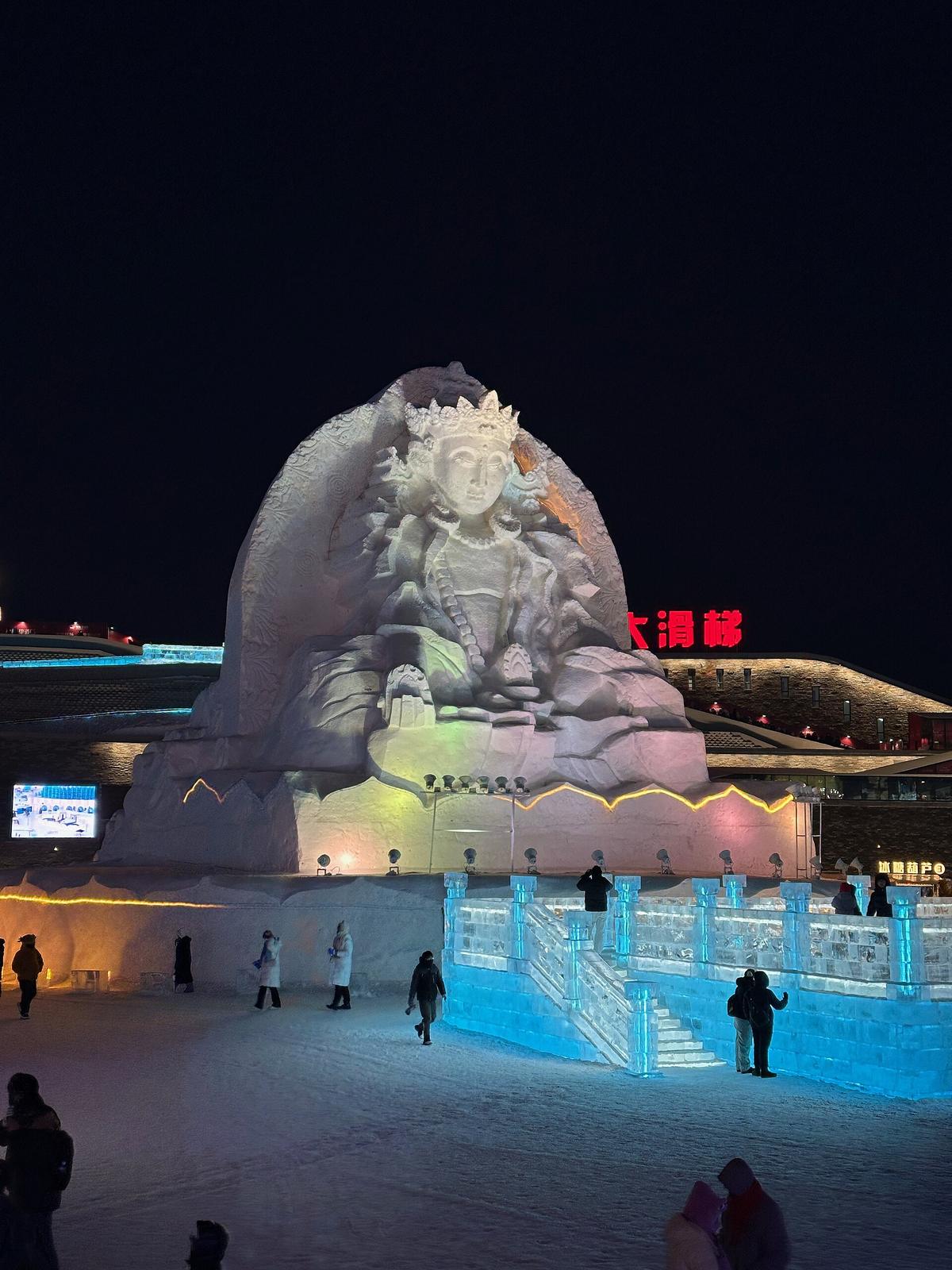
Winter from December to February is the real cost saver. Beijing sees temperatures as low as −10°C, December and January bring air quality index readings of 150 to 300+, and the sky is often grey. But you will pay 40 to 50 percent less for a room in the Chaoyang district, the Terracotta Army in Xi'an has manageable queues, and the Great Wall at Mutianyu on a cold weekday might have almost no one on it. The failure mode is sandstorms in March and April, which hit Beijing, Inner Mongolia, and Shaanxi hardest. A sandstorm in mid April can ground flights and reduce visibility to 50 metres. If you book spring, cap your northern exposure to late April or earlier May.
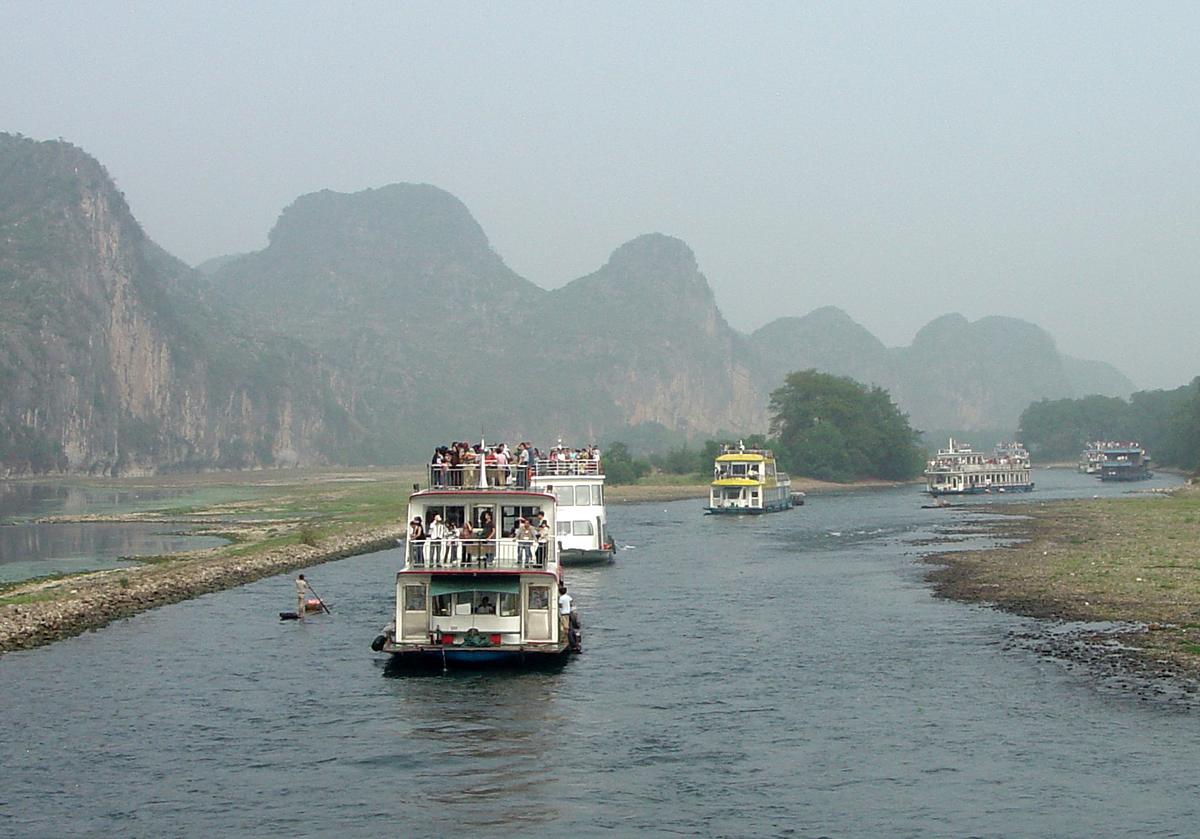
Summer from June to August is a split decision. North China in these months sees 24°C to 32°C and rain concentrated in July and August, but that is also when air quality nationwide is best. Beijing's AQI drops to 50 to 120, and clear views from the Summer Palace's long covered walkway are reliable. The south and east, however, are punishing. Shanghai in July hits 36°C with humidity above 80 percent. Yangshuo and Guilin get rain from April through September, and the Li River boat trip in August is a hot, damp, crowded experience. Typhoon season runs May to November along the south coast, with peak landfalls in August and September affecting Guangdong, Fujian, and Zhejiang. If you travel in August, restrict your route to northern cities and budget for indoor afternoons.
The Two Weeks That Break Your Trip
Chinese New Year, falling between late January and late February, triggers a 40 day travel period where hundreds of millions of people move across the country. Trains sell out within hours of release. Hotels in Chengdu and Xi'an triple their rates. Many restaurants and small museums close for the first three days of the holiday. You can still travel during this period if you book trains 15 days ahead and secure hotels with free cancellation, but you cannot be spontaneous. The other danger zone is the first week of October, National Day. October 1 to 7 sees domestic tourism at its annual peak. The Bund in Shanghai is a wall of people. Yu Garden becomes impassable. Victoria Peak's tram queues stretch past 90 minutes. If you must visit in October, arrive after October 7, when crowds drop sharply and conditions stay mild through late November.
Month by Month: What Each Month Costs You
The table below names the tradeoff for every month. Use it to match your tolerance for crowds, heat, and high prices against the cities you plan to visit. If you are covering multiple climate zones in a single trip, your worst month is the one that determines your experience.
| Month | Beijing & Xi'an (North) | Shanghai & Hangzhou (Yangtze Delta) | Chengdu & Guilin (Southwest & South) |
|---|---|---|---|
| January | Cold, −10°C to 2°C. AQI 150+. Cheap hotels, empty sights. Harbin Ice Festival runs Jan 5 to late Feb. | Cold, 0°C to 8°C. Damp cold. Low season pricing. Christmas lights at The Bund. | Cool, 5°C to 15°C. Manageable. Chengdu hotpot weather. Guilin is dry but grey. |
| February | Still cold. Chinese New Year dates shift. If CNY falls here, trains sell out, hotels spike. Book everything 30 days ahead. | Same as January. CNY closure of many restaurants and museums for first 3 days. | Mild but CNY crowds shift domestic tourists south. Kuanzhai Alleys packed. |
| March | Spring shoulder starts. 0°C to 12°C. Sandstorms peak in April, but March has fewer. AQI improving. | 8°C to 15°C. Plum rain starts late June, not here yet. Good month for West Lake walks. | 15°C to 20°C. Rain begins. Guilin gets 7 rainy days. Less crowded than April. |
| April | Peak season begins. 12°C to 22°C. Clear skies. Sandstorms possible. Qingming Festival early April adds domestic crowds. | 12°C to 20°C. Plum rain not yet. Best month for Yangtze Delta. Canton Fair April 15 to May 5 drives up Shanghai hotel rates. | 18°C to 24°C. Rainy season starts. April sees 12 rainy days in Guilin. Book Li River trip early. |
| May | Peak season continues. 18°C to 26°C. Labour Day holiday May 1 to 5 spikes domestic travel. Forbidden City booked out during that week. | 18°C to 26°C. Humidity rising. May 1 week is chaos at Yu Garden and The Bund. | 22°C to 28°C. Heavy rain. Guilin gets 14 rainy days. Yangshuo rice terraces are green but wet. |
| June | Summer starts. 24°C to 30°C. AQI excellent, 50 to 100. Rain appears in late June. Mutianyu is pleasant before 10am. | 24°C to 30°C. Plum rain season June to July. Daily drizzle. Shanghai Film Festival in June. | 24°C to 30°C. Rain peaks. Guilin and Chengdu humid. Leshan Giant Buddha area is wet. |
| July | Hot, 24°C to 32°C. July and August are rainy months for north. Beijing gets half its annual rain in these two months. AQI still good. | 28°C to 36°C. Humidity above 80%. Avoid outdoor sightseeing between 12pm and 4pm. | 26°C to 32°C. Typhoon risk on south coast. Guilin is hot and wet. Chengdu is humid but bearable. |
| August | Hot and rainy. Same as July. Peak heat. Book hotel with air conditioning. Worst month for north if you dislike humidity. | 28°C to 36°C. Typhoon season peak. August and September landfalls can cancel flights and close The Bund. Avoid. | 28°C to 35°C. Typhoon risk for Guangzhou and Hong Kong. Guilin is swampy. Skip south China in August. |
| September | Peak season returns. 18°C to 26°C. Clear, dry. Mid Autumn Festival can fall in early September, adding a domestic travel spike. | 22°C to 28°C. Plum rain ends. Humidity drops. Good month for Suzhou and Hangzhou. | 24°C to 30°C. Rain reduces. Guilin becomes pleasant again. Book Yangshuo early. |
| October | 18°C to 22°C. National Day Oct 1 to 7 is a mob scene. After Oct 7, crowds vanish. Best weather of the year. | 18°C to 24°C. Oct 1 week is packed. After Oct 7, West Lake is serene. Autumn colours at Longjing tea village. | 20°C to 26°C. Oct 1 week crowded. Afterward, clear and dry. Best month for southern route. |
| November | Autumn shoulder. 5°C to 12°C. AQI worsens, 150+. Fewer tourists. Xi'an is cold but Terracotta Army is quiet. | 12°C to 18°C. Good weather. Low season pricing. Double 11 shopping festival Nov 11 is irrelevant to travellers. | 14°C to 20°C. Dry season. Guilin is excellent. Chengdu is cool but pleasant. Good month for hiking. |
| December | Winter. −5°C to 5°C. AQI 150 to 300+. Lowest hotel rates. Forbidden City has short queues. | 5°C to 12°C. Cold and damp. Low season. Christmas lights at The Bund are pretty but weather is miserable. | 8°C to 16°C. Dry and cool. Chengdu hotpot season. Guilin is cold but empty. |


How to Match Route to Climate
If your trip covers Beijing, Xi'an, and Shanghai by high speed rail, which is the standard 10 day minimum route, you are dealing with two different climates within a week. Autumn shoulder in September and October gives you mild conditions in all three cities, provided you avoid the first week of October. Spring shoulder from late April through early May works similarly, but you risk a sandstorm day in Beijing. The failure case is booking late May for the same route: Beijing is warm but manageable, while Shanghai is already entering humid subtropical misery at 30°C with 75 percent humidity.
If you add Chengdu and Guilin to the same trip, which the research calls a common mistake, you stretch transport time and climate variance. Chengdu's highland climate means summer temperatures stay 10°C to 25°C, comfortable compared to Shanghai's 36°C, but the southwest highlands get their rain from June to September. A July trip that hits Beijing, Xi'an, Chengdu, and Guilin means you carry four different packing strategies and lose three full days to train transfers.
The Golden Week Trap You Cannot Ignore
The single hardest part of planning a China trip is the two Golden Weeks. National Day in early October and Chinese New Year in late January or February both trigger domestic travel volumes that overwhelm transport, sights, and hotels. If you cannot avoid these windows entirely, book your first and last night hotel with free cancellation, buy all high speed rail tickets the day they release, which is 15 days ahead, and accept that you will queue for 45 minutes at every major sight. The fallback for National Day is to stay in one city for the entire week and do day trips to the outskirts. Mutianyu on October 3 is crowded but the Great Wall absorbs crowds better than the Forbidden City.
Best Time for First-Timers vs. When to Look Elsewhere
This advice suits first time Asia travellers who want the big hitter sights, especially Beijing's Forbidden City and Great Wall, Xi'an's Terracotta Army, and Shanghai's Bund. It works for food focused travellers who plan around Chengdu hotpot and Xi'an yangrou paomo, and for independent travellers willing to install Alipay, WeChat, and a VPN before arriving. It does not suit spontaneous backpackers without a smartphone, anyone wanting quiet nature or beach escapes, or travellers unwilling to deal with censorship, queues, and Chinese only signage. The single thing that most often goes wrong is trying to cover Beijing, Xi'an, Shanghai, Guilin, and Chengdu in two weeks, which turns your trip into a transit logistics exercise rather than a sightseeing one. Pick three cities maximum, and match your departure month to the climate zones those three cities sit in.
Common Questions
What is the absolute best month to visit China for good weather and fewest crowds?
Late September, specifically the two weeks after Mid Autumn Festival and before National Day. Conditions across Beijing, Xi'an, and Shanghai are 18°C to 24°C, dry, and clear. Crowds are moderate. After October 7, conditions are similar but slightly cooler and October loses its best daylight hours. The tradeoff is that late September sits between two holiday spikes, so train tickets are easier but not guaranteed.
Can I visit during Chinese New Year without major problems?
Yes, but only if you book everything 30 days ahead and stay in one region. Trains between Beijing and Xi'an sell out within hours. Hotels in Chengdu and Shanghai triple rates. Many restaurants close for the first three days. Public transport within cities like the Beijing metro runs less frequently. The two things that break most travellers: assuming any walk-in accommodation exists, and arriving without a WeChat Pay or Alipay account because shops that stay open often refuse cash.
When should I absolutely avoid Shanghai and Hangzhou?
August is the worst month. Temperatures hit 36°C with humidity above 80 percent. Typhoon season peaks in August and September, and landfalls in Zhejiang province can close The Bund, flood metro stations, and cancel flights to Pudong. July is almost as bad. June's plum rain season is annoying but tolerable if you pack a rain jacket.
How bad are sandstorms in Beijing and Xi'an?
Sandstorm season runs March to May, with April as the worst month. Beijing can see AQI readings above 500 during a major event. Visibility drops below 50 metres. Flights from Beijing Capital are delayed or cancelled. The practical workaround is to carry an N95 mask, check the air quality index daily, and have indoor backup plans. The Temple of Heaven and the Forbidden City both have covered walkways that let you sightsee in bad air.
Is winter worth the cost savings?
Winter from December to February saves you 40 to 50 percent on hotels in Beijing and Xi'an. The Forbidden City and Terracotta Army have short queues. But Beijing's AQI from November to February sits at 150 to 300, meaning some days you should not be outside. The Great Wall at Mutianyu in January can be below −10°C with wind chill, and the cable car may close. Winter works if you are a cold weather traveller who prioritises budget over comfort and carries a good mask.
Read next
-

 China Visa-Free Transit and Unilateral Entry Rules Explained
China visa-free transit and unilateral entry rules change often. Here is how they work now, who qualifies, and what breaks a stay.
China Visa-Free Transit and Unilateral Entry Rules Explained
China visa-free transit and unilateral entry rules change often. Here is how they work now, who qualifies, and what breaks a stay.
-
 Cash to Cashless in China What First-Timers Must Set Up
China runs on Alipay and WeChat Pay, and cash is often refused. Set up both with a foreign card before you land or risk being stranded.
Cash to Cashless in China What First-Timers Must Set Up
China runs on Alipay and WeChat Pay, and cash is often refused. Set up both with a foreign card before you land or risk being stranded.
-
 Will Google, WhatsApp and Maps Actually Work on a China eSIM
A China eSIM solves data but not the firewall. Here is what actually works for Google, WhatsApp and Maps and why a VPN still matters.
Will Google, WhatsApp and Maps Actually Work on a China eSIM
A China eSIM solves data but not the firewall. Here is what actually works for Google, WhatsApp and Maps and why a VPN still matters.
-
 How to Book China High-Speed Rail as a Foreigner
China high-speed rail is the best way between cities, but booking and boarding as a foreigner means passports, Chinese signs and buffer time.
How to Book China High-Speed Rail as a Foreigner
China high-speed rail is the best way between cities, but booking and boarding as a foreigner means passports, Chinese signs and buffer time.
-
 China Public Holidays and What They Do to Travel
China's national holidays trigger massive domestic travel, sold-out trains, and packed sights. Here's when they fall and how to plan around them.
China Public Holidays and What They Do to Travel
China's national holidays trigger massive domestic travel, sold-out trains, and packed sights. Here's when they fall and how to plan around them.
-
 China Plugs Voltage and What to Actually Pack
China runs on 220V with three possible plug types. Here's exactly what adapter to pack and which devices need a voltage converter.
China Plugs Voltage and What to Actually Pack
China runs on 220V with three possible plug types. Here's exactly what adapter to pack and which devices need a voltage converter.
-
 Guangzhou
A Guangzhou travel guide that puts Cantonese food and real neighbourhoods first, for travellers who prefer chaotic wholesale markets and yum cha to polished tourist sights.
Guangzhou
A Guangzhou travel guide that puts Cantonese food and real neighbourhoods first, for travellers who prefer chaotic wholesale markets and yum cha to polished tourist sights.
-
 Shanghai
 hits visitors with a disorienting mix of futuristic skyline and lane-house nostalgia. Our hub orients you against Beijing and routes you to every planning page.
Shanghai
Shanghai hits visitors with a disorienting mix of futuristic skyline and lane-house nostalgia. Our hub orients you against Beijing and routes you to every planning page.
-
 Shenzhen
 is a 40-year-old city built on hardware, ambition, and migrants. This guide tells you what it is actually for and whether it belongs in your trip.
Shenzhen
Shenzhen is a 40-year-old city built on hardware, ambition, and migrants. This guide tells you what it is actually for and whether it belongs in your trip.