How China's National Holidays Affect Your Trip
China's national holidays trigger massive domestic travel, sold-out trains, and packed sights. Here's when they fall and how to plan around them.
China’s Holiday Travel Blocks and Their Impact on Beijing
You want to visit the Forbidden City, but your travel dates land on a national celebration when a huge number of domestic tourists have the same idea. China has 7 statutory public holidays each year, but the government rearranges weekends into travel blocks of 3 to 8 days. These blocks determine whether Beijing feels empty, packed, or closed. Here is what each break does to Beijing, and how to pick your dates accordingly.
The Three Holiday Types That Define Your Trip
Chinese public holidays fall into three categories. Fixed-date breaks like New Year's Day on January 1 and Labour Day on May 1 behave like Western public holidays: one day off, moderate crowds, no lunar shifts. Lunar breaks like Spring Festival, Qingming, Dragon Boat and Mid-Autumn move each year because they follow the lunar calendar. And then there is National Day on October 1, which creates Golden Week, the single biggest travel period in the world.
All long holidays come with makeup working days. The State Council releases the annual scheme in November or December of the prior year. Check it before you book anything. In 2025, makeup working days fall on January 26, February 8, April 27, September 28 and October 11. These are normal working days where sights are quieter than the holiday blocks they enable.
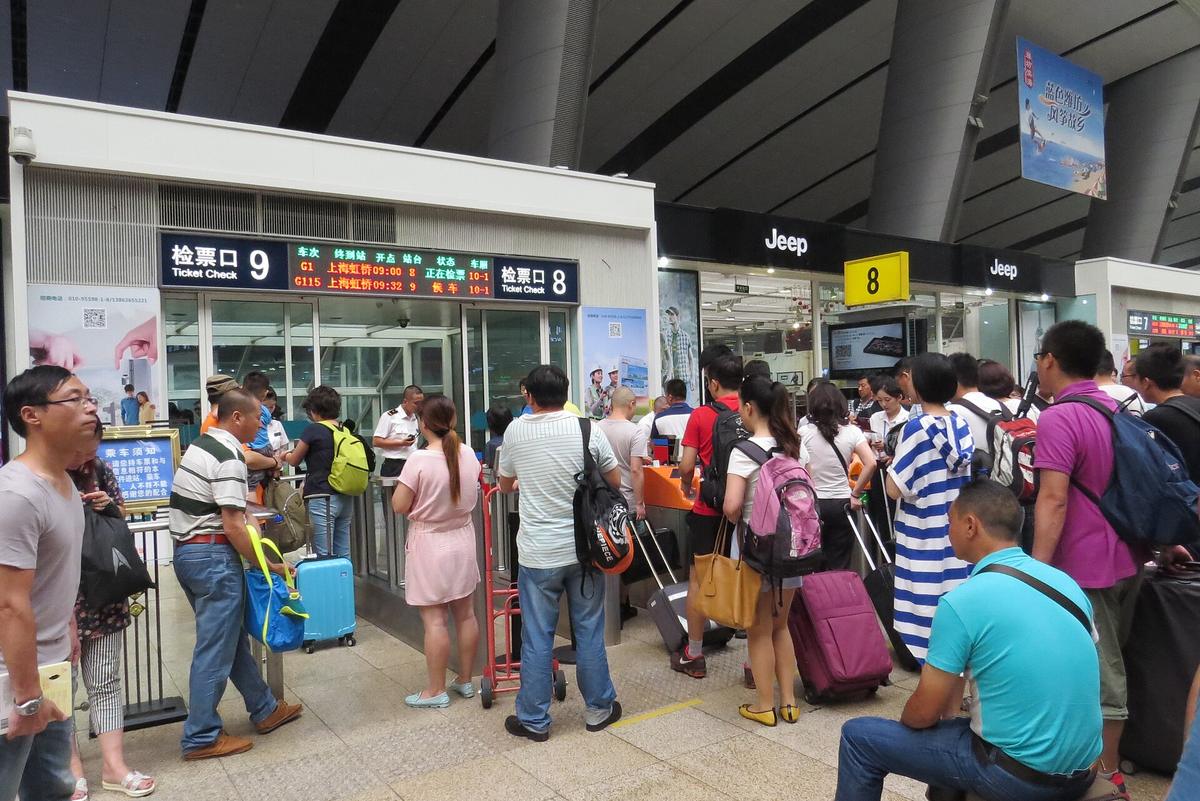
For Beijing specifically, the failure case is simple: you arrive during Spring Festival or Golden Week without advance entry passes and find every major sight sold out for 72 hours. Do not let that happen.
.jpg)
Spring Festival: the City Empties, Then Floods
The Lunar Calendar Trap
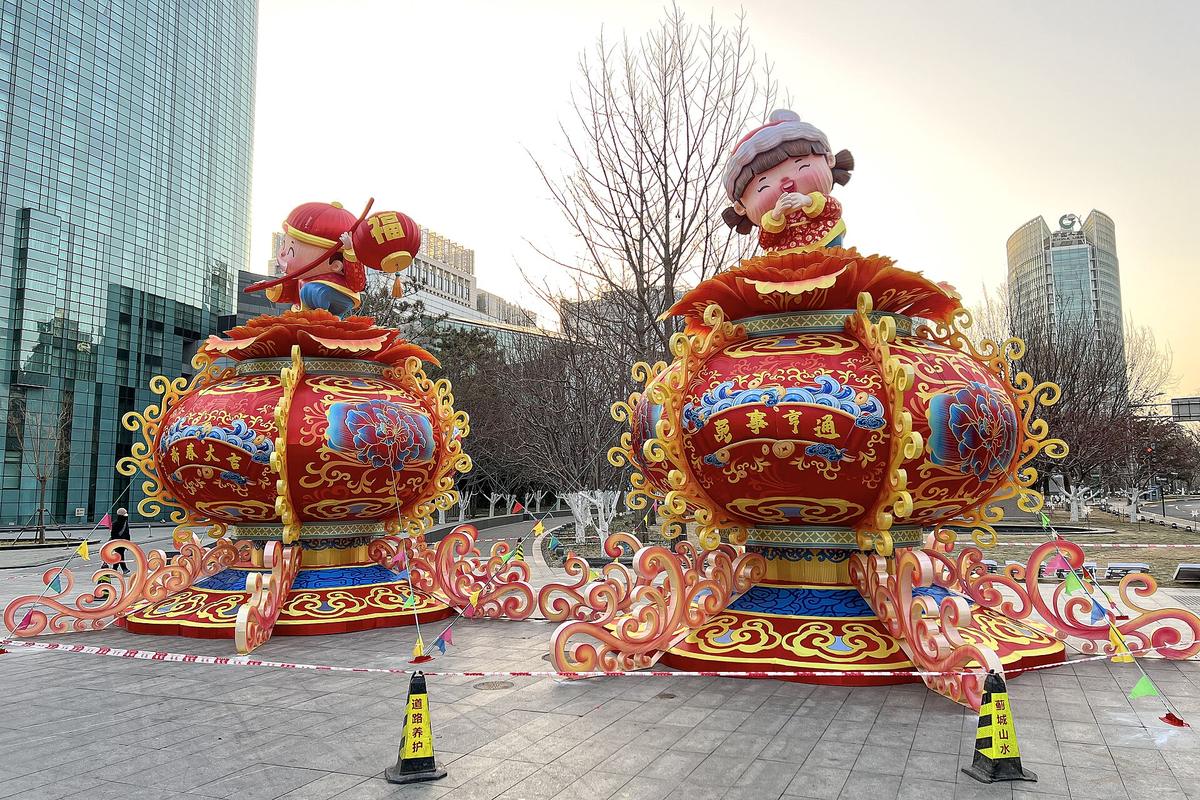
Spring Festival, also called Chinese New Year, is the most consequential break for Beijing travel. In 2025 it runs January 28 to February 4, with statutory days on January 29, 30 and 31. Most businesses, factories and restaurants in large cities close for at least 3 days. Government offices, banks and schools close for the full period. Train seats sell out within minutes of release. Flight prices jump 2 to 5 times normal on major domestic routes.
The Quiet Window
The first and second days, January 29 and 30, Beijing is quieter than any other week of the year. Half the city's population leaves for their home towns. Streets are empty. Your problem is finding any restaurant open in the hutong neighbourhoods. Plan to eat at hotel restaurants or international chains near major hotels.
The Return Surge
Days 3 through 5, January 31 to February 2, the crowds come back hard. Domestic tourists flood the city. The Forbidden City, Temple of Heaven and Great Wall sections close to walk-up visitors because advance entry passes are gone. Book every sight 14 to 30 days ahead, the moment they go on sale. If you miss a slot, your option is a private car to a less-crowded Great Wall section like Jiankou or Huanghuacheng, but that costs 1200 RMB for the car alone.
Qingming, Labour Day, Dragon Boat: the Shoulder Seasons
Qingming Festival, April 4 to 6 in 2025, draws high crowds to parks and suburban scenic areas. Beijing's Summer Palace and Fragrant Hills get busy. Government offices and schools close, but most restaurants and shops stay open. Train demand is high on short-distance routes. Flight pricing rises moderately. This is a viable window for Beijing if you avoid the weekend crowds by visiting weekday sights on April 7.
Labour Day in 2025 runs May 1 to 5, with makeup working days on April 27 and September 28. This is a 5-day block. Flight prices hit 1.5 to 3 times normal. Train seats sell out quickly. Major tourist cities, Beijing included, see extreme crowding. The Forbidden City caps daily entry, and those slots fill within hours of release. If you book 3 weeks ahead, you can still get in. If you book 10 days ahead, you will not.
Dragon Boat Festival falls on May 31 in 2025, observed May 31 to June 2. It draws high crowds to regional tourist sites. Beijing's hutongs and markets feel crowded but manageable. Train demand is high for medium routes. Flight pricing rises moderately. This is the least disruptive lunar break for Beijing.
Golden Week: the Avoid-At-All-Costs Period
National Day on October 1 triggers the longest holiday block of the year. In 2025, the observed break runs October 1 to 7, with makeup days on September 28 and October 11. This is 7 days of extreme nationwide travel. Train seats sell out within minutes. Flight prices jump 2 to 4 times normal. The Forbidden City, Summer Palace and Badaling Great Wall are packed to capacity for the first 4 days.
Mid-Autumn Festival overlaps with National Day in 2025, landing on October 6. This compounds the problem. Both celebrations fall within the same week, pushing domestic travel to its highest point of the year. Do not visit Beijing in the first week of October unless you have no other option. If you must, book everything 45 days ahead. Your fallback is the less-crowded Great Wall sections or the city's museums, which draw fewer visitors than the headline sights.
Quick Comparison: Which Holiday Should You Choose?
Use the table below to match your tolerance for crowds and closures with the right window. The decision framework is simple: low crowds = winter and Spring Festival days 1-2; moderate crowds = Dragon Boat, Qingming and New Year; high crowds = Labour Day; extreme crowds = Golden Week.
.JPG)
| Holiday | 2025 Dates | Crowd Level (Beijing) | Ticket Availability | Restaurants Open? |
|---|---|---|---|---|
| New Year's Day | Jan 1 | Moderate | Good | Yes |
| Spring Festival (Days 1-2) | Jan 29-30 | Low | Easy | Few |
| Spring Festival (Days 3-5) | Jan 31-Feb 2 | Extreme | Sold out without advance booking | Most |
| Qingming | Apr 4-6 | High at parks | Good at main sights | Yes |
| Labour Day | May 1-5 | Extreme | Sell out 3-4 weeks ahead | Yes |
| Dragon Boat | May 31-Jun 2 | High | Good at main sights | Yes |
| Golden Week | Oct 1-7 | Extreme | Sell out 6 weeks ahead | Most |
| Mid-Autumn (within Golden Week) | Oct 6 | Extreme | Same as Golden Week | Most |
Making Your Decision: the Framework
Choose Spring Festival days 1 and 2 if you want empty streets, can handle limited restaurant options, and book accommodation early. This gives you the quietest Beijing you will ever see. The trade-off is cold, dry air with temperatures between -5°C and 5°C and a 30 percent chance of smog. Dress in layers and carry an N95 mask.
Choose Dragon Boat or Qingming if you want normal restaurant operations, moderate crowds, and mild spring weather. Book train seats 14 days ahead. For Labour Day or Golden Week, only go if you book flights 60 days ahead, train seats the minute they release, and sight entry passes as soon as they open. Otherwise, skip Beijing entirely and visit a less-crowded Chinese city like Xi'an or Chengdu, which also fill up but have lower baseline demand.
New Year's Day is the safest break for an unplanned trip. It lasts one day, no makeup days, moderate crowds, and most things stay open. January 1 is a Wednesday in 2025, so it is a standalone day.
What Happens When You Get the Date Wrong
Arriving Without a Ticket
You arrive at the Forbidden City on October 3 at 10:00 AM, no entry pass. They have been gone since September 20. You cannot buy one at the gate. Your options: walk to Jingshan Park for the rooftop view over the empty throne room, or take subway Line 6 to the 798 Art District, which stays open and has no capacity limit. If you wanted the Great Wall, call the Badaling shuttle bus company: you will get a recording saying all slots are full. Your backup is the Mutianyu section, which requires a 90-minute bus ride from Dongzhimen and costs 60 RMB for the bus plus 40 RMB for the entrance. Even Mutianyu has wait times of 60 minutes for the cable car.
The Lunar Mistake
The most common failure is not checking the lunar calendar. You book for late January thinking low season, but it is Spring Festival week. Check the next table before you pay for a flight.
Read next
-

 China Visa-Free Transit and Unilateral Entry Rules Explained
China visa-free transit and unilateral entry rules change often. Here is how they work now, who qualifies, and what breaks a stay.
China Visa-Free Transit and Unilateral Entry Rules Explained
China visa-free transit and unilateral entry rules change often. Here is how they work now, who qualifies, and what breaks a stay.
-
 Cash to Cashless in China What First-Timers Must Set Up
China runs on Alipay and WeChat Pay, and cash is often refused. Set up both with a foreign card before you land or risk being stranded.
Cash to Cashless in China What First-Timers Must Set Up
China runs on Alipay and WeChat Pay, and cash is often refused. Set up both with a foreign card before you land or risk being stranded.
-
 Will Google, WhatsApp and Maps Actually Work on a China eSIM
A China eSIM solves data but not the firewall. Here is what actually works for Google, WhatsApp and Maps and why a VPN still matters.
Will Google, WhatsApp and Maps Actually Work on a China eSIM
A China eSIM solves data but not the firewall. Here is what actually works for Google, WhatsApp and Maps and why a VPN still matters.
-
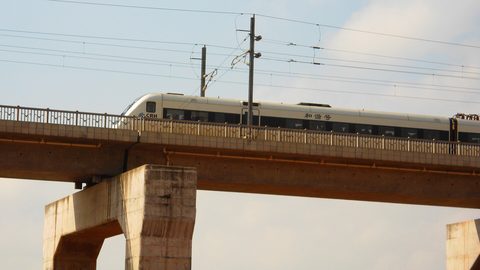 How to Book China High-Speed Rail as a Foreigner
China high-speed rail is the best way between cities, but booking and boarding as a foreigner means passports, Chinese signs and buffer time.
How to Book China High-Speed Rail as a Foreigner
China high-speed rail is the best way between cities, but booking and boarding as a foreigner means passports, Chinese signs and buffer time.
-
 China Plugs Voltage and What to Actually Pack
China runs on 220V with three possible plug types. Here's exactly what adapter to pack and which devices need a voltage converter.
China Plugs Voltage and What to Actually Pack
China runs on 220V with three possible plug types. Here's exactly what adapter to pack and which devices need a voltage converter.
-
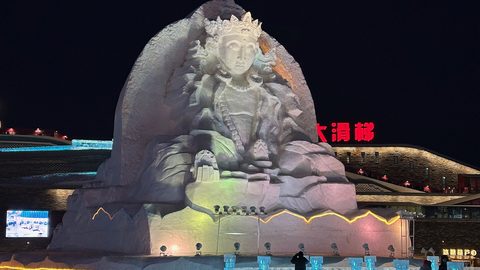 Best Time to Visit China Month by Month Across Climates
China spans several climates and two Golden Weeks. Here is the month-by-month tradeoff so you can pick dates without regret.
Best Time to Visit China Month by Month Across Climates
China spans several climates and two Golden Weeks. Here is the month-by-month tradeoff so you can pick dates without regret.
-
 Guangzhou
A Guangzhou travel guide that puts Cantonese food and real neighbourhoods first, for travellers who prefer chaotic wholesale markets and yum cha to polished tourist sights.
Guangzhou
A Guangzhou travel guide that puts Cantonese food and real neighbourhoods first, for travellers who prefer chaotic wholesale markets and yum cha to polished tourist sights.
-
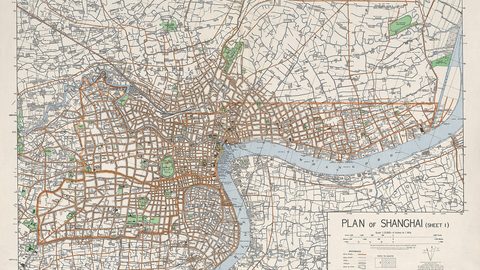 Shanghai
 hits visitors with a disorienting mix of futuristic skyline and lane-house nostalgia. Our hub orients you against Beijing and routes you to every planning page.
Shanghai
Shanghai hits visitors with a disorienting mix of futuristic skyline and lane-house nostalgia. Our hub orients you against Beijing and routes you to every planning page.
-
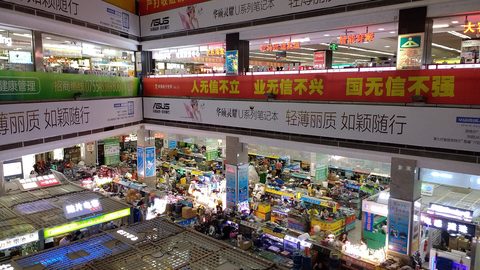 Shenzhen
 is a 40-year-old city built on hardware, ambition, and migrants. This guide tells you what it is actually for and whether it belongs in your trip.
Shenzhen
Shenzhen is a 40-year-old city built on hardware, ambition, and migrants. This guide tells you what it is actually for and whether it belongs in your trip.