Where to Eat in Asakusa From Centuries-Old Shops to Monjayaki Streets
Asakusa's food history runs deeper than most Tokyo neighbourhoods: century-old tempura houses, monjayaki streets, and the soba shops that predate the modern city.
Asakusa’s Old Tempura, Monjayaki and Soba Shops
Most Asakusa food guides send you straight to Nakamise-dori. Don't go. Nakamise-dori is a 250-metre shopping arcade with 89 stalls. Nearly everything you find there is souvenir-grade food designed for a photograph, not a meal. The real eating in Asakusa happens a block or two away, in shops that have been running since before the Meiji Restoration. Here are the tempura masters who fry with sesame oil, the monjayaki cooks scraping iron griddles since 1937, and the soba houses that predate modern Tokyo. Eat where locals eat. Not where the tour bus drops you.
Century-Old Tempura: Nakasei, Daikokuya and Aoi Marushin
Three tempura shops dominate Asakusa. Each has a different price point, batter style and wait time. Choose based on your budget and patience, not on name recognition alone.
Nakasei: The Reference Point Since 1870
Nakasei opened in 1870. It still uses sesame oil. The batter is light, almost fine. You order individual pieces served over rice, not a set bowl. The tempura set lunch ran ¥3,000 to ¥6,000 in 2024; the dinner course ran ¥8,000 to ¥15,000. Hours are 11:30 to 14:00 and 17:00 to 21:00. Closed Thursday. Arrive at 11:20 if you want a lunch seat without a reservation. The address is 1-39-13 Asakusa, Taito-ku.
Daikokuya: Heavier Batter, Faster Service
The tendon shop opened in 1887 and serves a tempura bowl with miso soup and pickles. Its batter is heavier than Nakasei's. The bowl ran ¥1,800 to ¥2,500 in 2024. Hours are 11:00 to 20:30, open daily. The catch: the queue at lunch runs 30 to 60 minutes every single day. Go at 16:30. You skip most of it. Address: 1-38-10 Asakusa, Taito-ku. Both this shop and Nakasei fry in sesame oil.
Aoi Marushin: The Affordable 1946 Option
Aoi Marushin opened in 1946 and uses a vegetable oil blend, not sesame. The tendon was ¥1,500 to ¥2,200 in 2024. Hours are 11:00 to 14:00 and 17:00 to 20:30. Closed Sunday. No queue culture here. Make this your move when the other two are packed or closed. Address: 1-4-4 Asakusa, Taito-ku. Budget for Aoi Marushin, mid-range for the 1887 tendon shop, and the splurge for Nakasei.
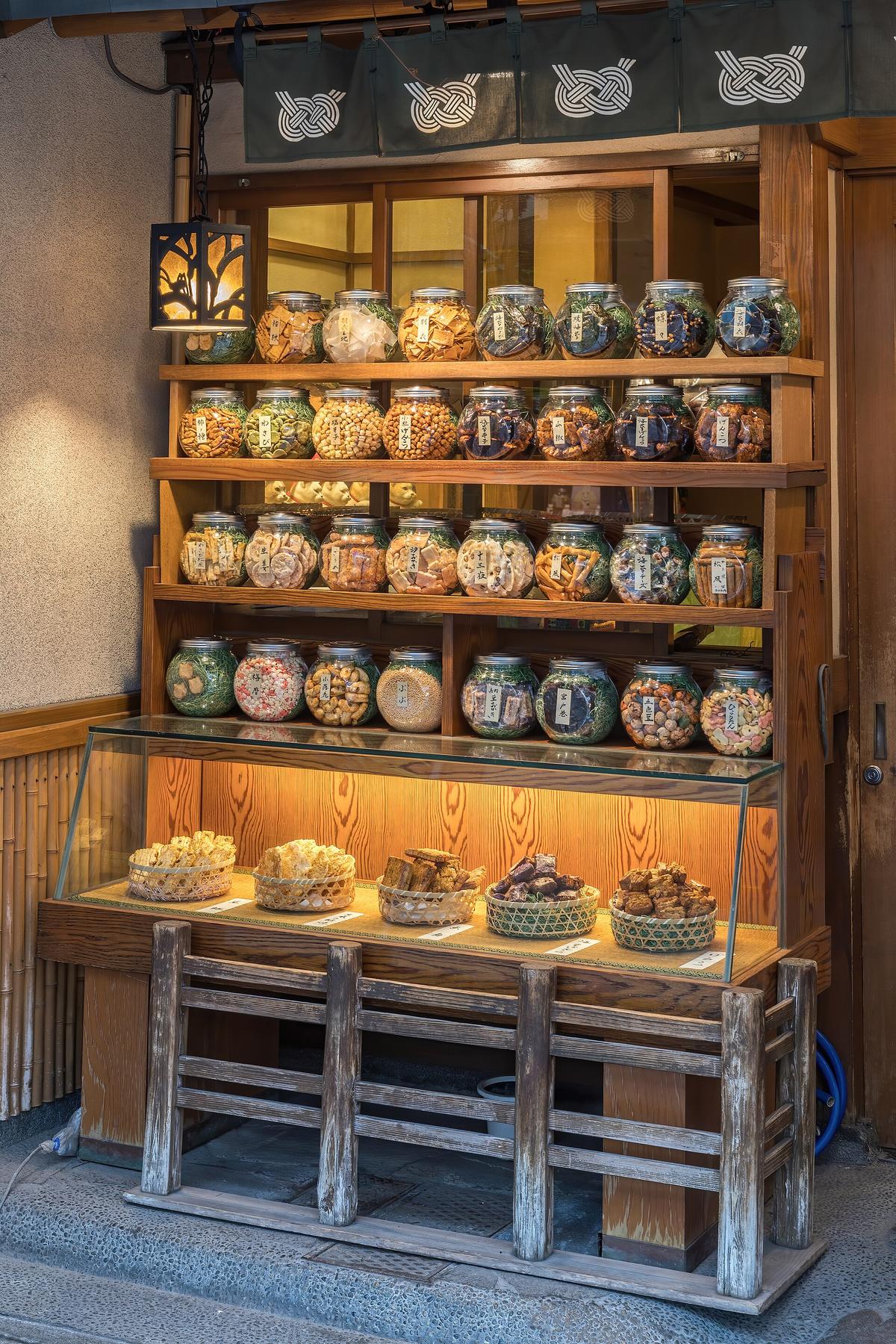

Monjayaki on Nishisando-Dori: the Eastern Tokyo Palate
Monjayaki is not okonomiyaki. It is a runnier batter cooked on a hot iron griddle. You cook it yourself. Use a small metal spatula about 2 centimetres wide. The sequence: cook the vegetables and meat first, then pour the liquid batter into a ring. Press the spatula flat against the cooked mixture and lift it to your mouth. No knife. No chopsticks.
The concentration of monjayaki shops is on Nishisando-dori, the street west of Senso-ji. This is a cluster of restaurants modeled on the Tsukishima Monja Street concept but in Asakusa. The standout is Sometaro, founded in 1937. Sometaro charges ¥1,200 to ¥1,800 per person (2024 rates). Hours are 12:00 to 22:00, open daily. Address: 2-2-2 Nishiasakusa, Taito-ku. Expect a 20-minute wait at peak dinner hours. If Sometaro is full, pick any shop on Nishisando-dori with a full grill station and a Japanese menu. The prices are similar. The technique does not change.
| Shop | Founded | Batter Style | Oil | Set Lunch Price (2024) | Lunch Queue |
|---|---|---|---|---|---|
| Nakasei | 1870 | Light, individual pieces | Sesame | ¥3,000–¥6,000 | Reservation recommended |
| Daikokuya | 1887 | Heavier, tendon bowl | Sesame | ¥1,800–¥2,500 | 30–60 min at peak |
| Aoi Marushin | 1946 | Standard tendon | Vegetable blend | ¥1,500–¥2,200 | Minimal |
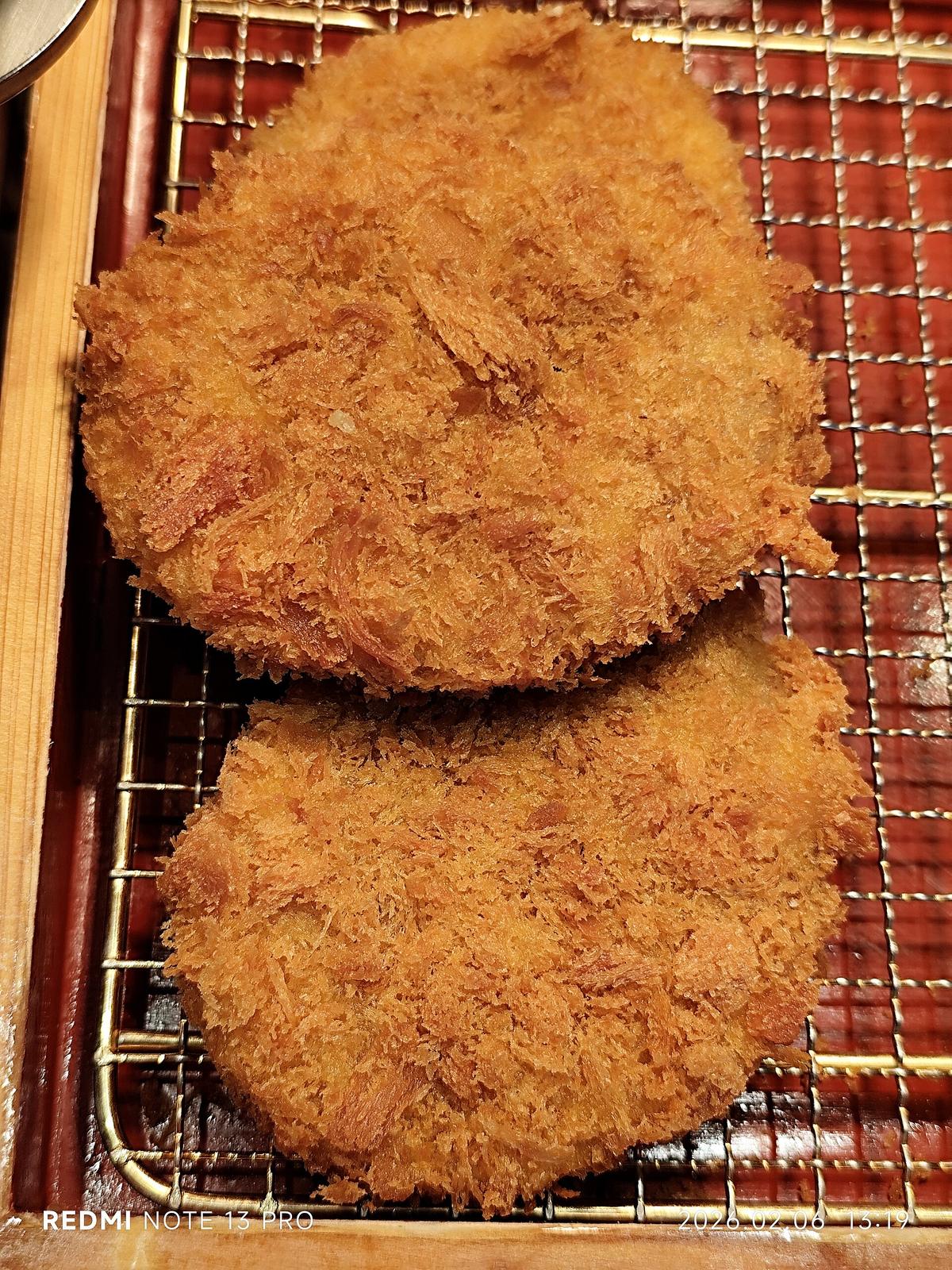

Nakamise-Dori Street Food: What to Buy and What to Skip
You will walk Nakamise-dori. It is unavoidable. The street runs 250 metres from Kaminarimon to Hozomon gate. Do not eat your dinner here. Do pick up one or two things to eat while walking.
Kimuraya Ningyoyaki (Founded 1868)
Kimuraya is near the Hozomon end of the street. It sells ningyoyaki: small, mildly sweet cakes filled with red bean paste, occasionally custard. A pack of 5 to 8 pieces cost ¥500 to ¥800 in 2024. You can see the griddles from the street. Buy one pack for the walk. Skip the second. It is excellent for its price but does not keep well past a few hours.
Asakusa Kokonoe Agemanju
Asakusa Kokonoe is midway between the gates. They fry agemanju to order. Fillings include red bean, matcha, sweet potato and seasonal options. ¥200 to ¥300 per piece in 2024. This is the single best street-food value on Nakamise-dori. The fried exterior stays warm for about 10 minutes. Buy one for the immediate walk and a second for when you reach Hozomon.
Asakusa Kagetsudo Melonpan (Founded 1945)
Asakusa Kagetsudo is not on Nakamise-dori itself. It is at 2-7-13 Asakusa, a 2-minute walk off the arcade. They bake melonpan in a visible oven. ¥200 to ¥300 per piece in 2024. Variants include plain, matcha and seasonal fruit. Closed Tuesday. Hours are 10:00 to 19:00. Queue longer than 15 minutes? Skip it. It is a good pastry, not a life-changing one.
What To Skip
Skip the giant fried shrimp skewers. They are not tempura. They are breaded and frozen. Skip the crepes. Skip the cheese-tteok skewers. You came to Asakusa for food history, not a Korean-fusion snack with no connection to the neighbourhood.
Frequently Asked Questions
Is Nakasei worth the higher price over Daikokuya?
Only if you want the lighter, finer batter and the experience of tempura served piece by piece. Daikokuya is faster and cheaper. Both use sesame oil. Choose Daikokuya if you want a bowl and a 30-minute meal.
Can I cook monjayaki myself at Sometaro?
Yes. They give you a small spatula and raw ingredients. You cook on a hot griddle at your table. Staff will show you the technique if you ask. It is not difficult, but it takes about 20 minutes.
What time should I arrive at Daikokuya to avoid the queue?
Arrive at 16:30. The lunch rush ends at 14:00, and dinner service runs from 17:00. You will be seated within 5 minutes. Lunch queue is 30 to 60 minutes.
Is Nakamise-dori open late for dinner?
No. Most shops close between 18:00 and 19:00. Do not plan to eat dinner on Nakamise-dori. Head to Nishisando-dori for monjayaki or the main streets for soba and sushi.
Read next
-
 Asakusa Senso-ji the Backstreets and the Hours That Matter
Asakusa is about timing. When to visit Senso-ji for stillness, which backstreets to wander, and the retro amusement park and garden most visitors miss.
Asakusa Senso-ji the Backstreets and the Hours That Matter
Asakusa is about timing. When to visit Senso-ji for stillness, which backstreets to wander, and the retro amusement park and garden most visitors miss.
-
 Japan Travel Guide for First-Timers Who Like Order but Not Crowds
Japan delivers deep tradition and futuristic efficiency, but the language barrier and density of rules can exhaust first-timers. Here is what to actually expect.
Japan Travel Guide for First-Timers Who Like Order but Not Crowds
Japan delivers deep tradition and futuristic efficiency, but the language barrier and density of rules can exhaust first-timers. Here is what to actually expect.
-
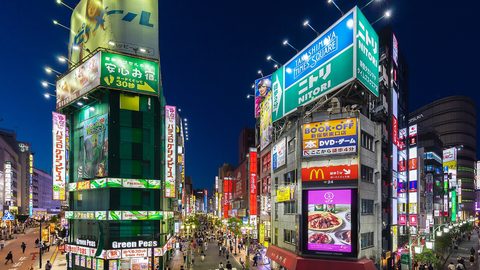 Japan eSIM vs Pocket WiFi vs Physical SIM for Staying Connected
Free public WiFi across Japan is unreliable and slow. Compare eSIM plans from Ubigi and Airalo against renting a pocket WiFi device at Narita or Haneda.
Japan eSIM vs Pocket WiFi vs Physical SIM for Staying Connected
Free public WiFi across Japan is unreliable and slow. Compare eSIM plans from Ubigi and Airalo against renting a pocket WiFi device at Narita or Haneda.
-
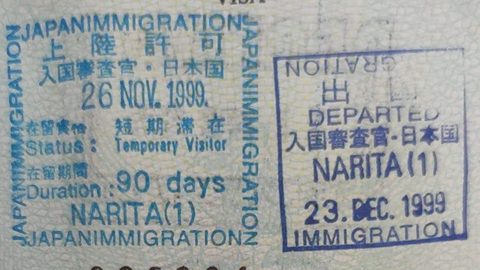 Japan Visa-Free Entry and the Visit Japan Web Digital Form
Visa-free entry covers many nationalities, but the Visit Japan Web digital form and QR codes determine how quickly you clear immigration at Narita or Haneda.
Japan Visa-Free Entry and the Visit Japan Web Digital Form
Visa-free entry covers many nationalities, but the Visit Japan Web digital form and QR codes determine how quickly you clear immigration at Narita or Haneda.
-
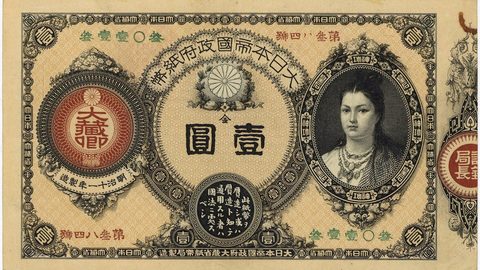 Cash and IC Cards Are the Real Payment System in Japan
Japan projects a high-tech image but many small restaurants, temples, and rural buses demand cash. IC cards like Suica and Icoca bridge the gap for daily spending.
Cash and IC Cards Are the Real Payment System in Japan
Japan projects a high-tech image but many small restaurants, temples, and rural buses demand cash. IC cards like Suica and Icoca bridge the gap for daily spending.
-
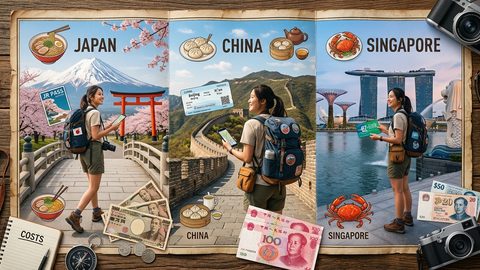 What Japan, China, and Singapore Actually Cost Independent Travelers
Real per-day costs for Japan, China, and Singapore broken down by accommodation tier, food strategy, transit, and connectivity for independent travelers.
What Japan, China, and Singapore Actually Cost Independent Travelers
Real per-day costs for Japan, China, and Singapore broken down by accommodation tier, food strategy, transit, and connectivity for independent travelers.
-
 What Most Travelers Get Wrong When Booking Flights to East Asia
Most travelers book East Asia flights on price alone. Here's what they miss about route gaps, fleet age, and aircraft type on 10-14 hour hauls.
What Most Travelers Get Wrong When Booking Flights to East Asia
Most travelers book East Asia flights on price alone. Here's what they miss about route gaps, fleet age, and aircraft type on 10-14 hour hauls.
-
 The Honest Cost of Mobile Data in Japan, China, and Singapore
Real price data for SIMs, pocket WiFi, and eSIMs in Japan, China, and Singapore. Plus the friction points most travel guides quietly skip.
The Honest Cost of Mobile Data in Japan, China, and Singapore
Real price data for SIMs, pocket WiFi, and eSIMs in Japan, China, and Singapore. Plus the friction points most travel guides quietly skip.
-
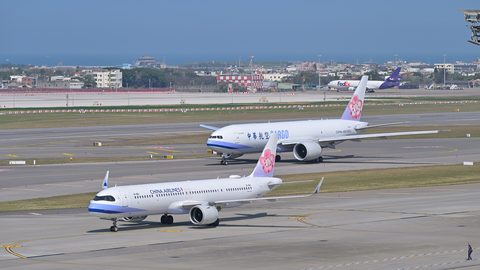 Fifth Freedom Flights Are the Award Sweet Spot Nobody Searches For
Fifth-freedom flights let you fly a foreign airline between two other countries, and they often have award seats when the airline's own hub routes are sold out.
Fifth Freedom Flights Are the Award Sweet Spot Nobody Searches For
Fifth-freedom flights let you fly a foreign airline between two other countries, and they often have award seats when the airline's own hub routes are sold out.