Paying Your Way Through One of the World's Most Cashless Countries
Singapore runs on contactless payments, from MRT gates to hawker stalls. But a few holdouts still demand cash, and knowing which ones saves you from standing empty-handed at a chicken rice queue.
You Can Go Cashless, but Not Completely Cash Free
Many travellers assume Singapore is fully cashless. It is not. You can pay for almost everything bigger than a coffee with a card or phone, and the MRT system is designed for contactless tap and go, but a handful of transactions still require physical notes and coins. The gap matters because it catches people off guard after the MRT shuts down or when a hawker stall points at a sign that says "Cash Only". Carry a float of small notes for these moments. You will not need a wallet full of cash, but you will need some.
Singapore is among the most cashless countries in the world. Cards and QR codes dominate retail, dining, and transport. Visa and Mastercard are accepted almost everywhere. American Express is less common. The currency is the Singapore dollar, symbol S$. Brunei dollars are also accepted at par, 1:1, including the notes and the sen coins. You can spend Brunei dollars in most places without a problem, but you will get change in Singapore dollars.
MRT and Buses: No Card Needed
Tap Your Bank Card, Skip the Tourist Pass
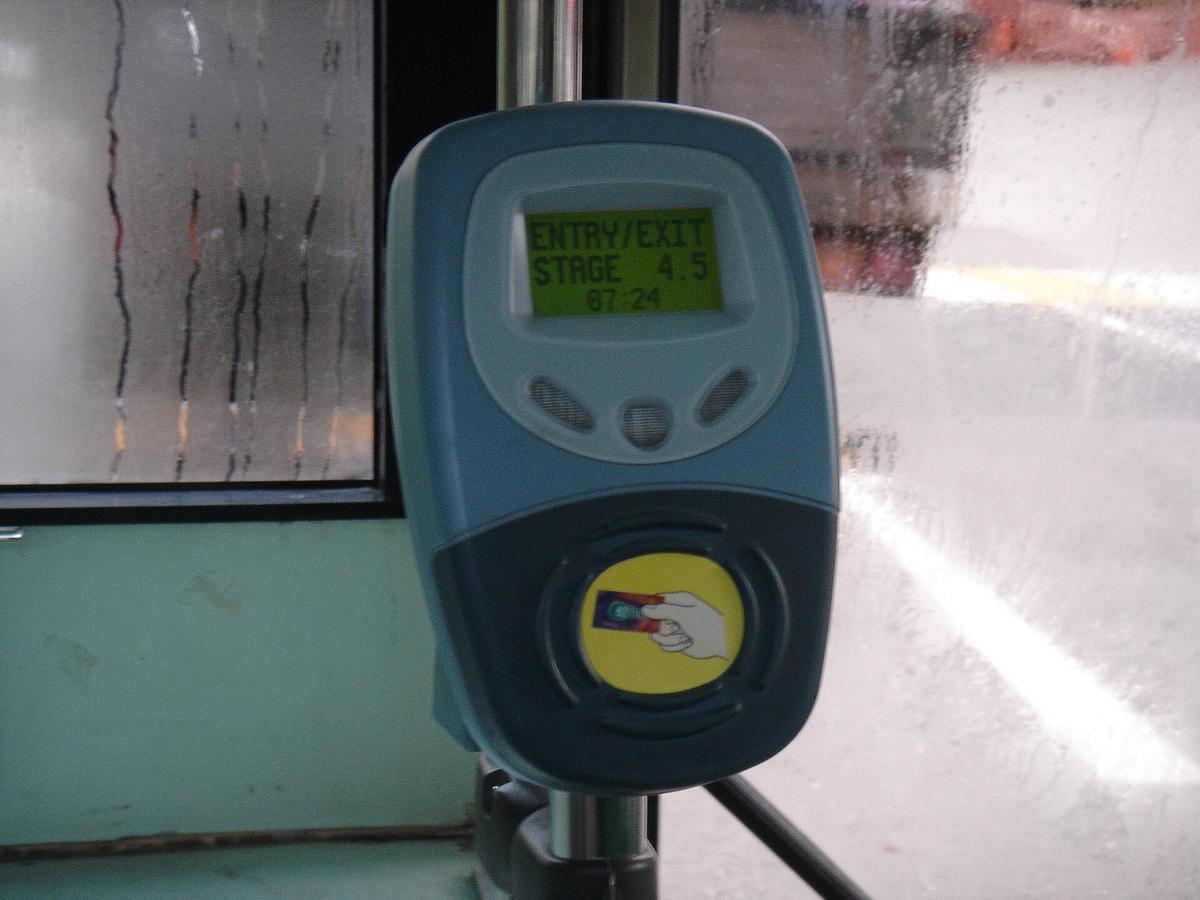
The fastest way through an MRT fare gate is a contactless bank card, Apple Pay, Google Pay, or Samsung Pay. Tap the same device you use for your morning coffee. The system, called SimplyGo, launched in 2019 and consolidated all contactless transit payments. It works on every MRT line and every bus. You do not need to buy an EZ-Link card or a Singapore Tourist Pass. That is an extra step you can skip entirely.
The Midnight Problem
The catch is timing. The MRT shuts down around midnight. Ride-hailing prices surge steeply after that, and there is no night bus network that a visitor can easily navigate. If you are out after 12:15am and you did not preload the Grab app with a payment method, you will be stuck waiting or paying double. Download Grab before you land. Link a credit card or set up a GrabPay wallet. That failure at 1am is the single most common complaint from travellers who thought cashless meant everything.
Where Cash Still Wins
Hawker Stalls, Provision Shops and the Bumboat
Three places will refuse your card or phone. First, older hawker stalls. A minority of stalls still operate cash only. Visit a stall at Maxwell Food Centre or Chomp Chomp Food Centre at 8pm and you may see a hand written sign. The majority now take QR payments via PayNow or PayLah!, but the minority is big enough that you should carry notes. Second, small provision shops, the kind that sell bottled water and instant noodles in a housing estate. Third, the bumboat to Pulau Ubin. The ferry from Changi Point Ferry Terminal costs S$4 each way, cash only, paid to a crew member before you board. There is no alternative payment. If you have no cash, you do not get to the island.
ATM Withdrawals and the Currency Trick
ATMs are everywhere. DBS/POSB, OCBC, UOB, Citibank, Maybank, HSBC, and Standard Chartered all operate machines. Withdrawal fees for foreign cards vary by operator and your card issuer, from nothing to a handful of dollars per withdrawal. When the screen asks if you want to process the transaction in your home currency, decline. That is dynamic currency conversion, and the exchange rate is worse than the one your bank would give you. Always select SGD. The same trick applies at card terminals. If a merchant offers to charge you in your home currency, say no. Pay in Singapore dollars.

Tipping and the 9% GST
Do not tip. Tipping is not expected or practised. Restaurants and hotels add a 10% service charge to the bill, and the 9% Goods and Services Tax (GST, in effect since 1 January 2024) applies on top of that, including on the service charge itself. Hawker centres do not add a service charge. The price on the sign is what you pay. If you leave a tip, you confuse the staff and you waste your money.
Claiming Your GST Refund
For purchases of S$100 or more (including GST) at a shop displaying the "Tax Free" or eTRS sign, you may be eligible for a refund of the GST portion when you leave Singapore. The minimum total spend across receipts is S$500 in a single calendar year. You must claim within two months of purchase and bring the goods out of Singapore within two months. At Changi Airport, use the self service eTRS kiosks in the departure hall, landside or airside. You will need your passport, original receipts, and the goods for inspection. The refund lands on your credit card, Alipay, WeChat Pay, or cash at a counter. After processing fees, you get back roughly 7% of the purchase price, not the full 9%.
One Honest Caveat
Singapore's cashless infrastructure is excellent for the daytime traveller who sticks to the MRT, major retailers, and popular hawker centres. It breaks down at the margins: after midnight, on Pulau Ubin, and at the lone cash only stall in a food centre where the queue is shortest. The single thing that trips visitors up is not bringing any cash at all. They breeze through Changi, tap through the MRT gates, pay for a meal with their phone, then hit the bumboat queue and realise the ferryman takes notes only. Carry a float. That is the difference between a smooth trip and a sweaty search for an ATM that charges a fee for a withdrawal.
Cash and Cashless FAQ
Can I survive in Singapore without carrying any cash at all?
Almost, but not quite. You will hit a hawker stall that is cash only, a small shop, or the Pulau Ubin bumboat. Carry a float of small notes. With that, you will never be stuck.
Do I still need to buy an EZ-Link card?
No. SimplyGo accepts Visa, Mastercard, Apple Pay, and Google Pay directly at MRT fare gates and bus readers. An EZ-Link card is redundant for visitors.
Will my American Express card work?
Less common than Visa or Mastercard. Many hawker stalls and smaller shops do not accept it. Bring a Visa or Mastercard as your primary backup.
Is it safe to use my phone to pay?
Yes. Singapore has very low rates of card skimming and phone theft. Tap and pay is standard. Just make sure your phone is charged before you head out, especially if it is your only payment method.
What happens if I get stuck with no cash and no phone battery after midnight?
That is the worst case scenario. Grab prices surge hard after midnight. Walk to a 7-Eleven, buy a power bank, charge enough to call a ride, and pay with a card. Do not count on finding a working public phone or a helpful taxi driver who will take a cheque.
Read next
-
 Singapore eSIM, Tourist SIM Cards and Free Public Wi-Fi Compared
Singapore offers eSIMs, 100GB tourist SIM cards from S$12 at Changi, and free public Wi-Fi. The real essential is downloading Grab before you land, because setup requires an SMS code.
Singapore eSIM, Tourist SIM Cards and Free Public Wi-Fi Compared
Singapore offers eSIMs, 100GB tourist SIM cards from S$12 at Changi, and free public Wi-Fi. The real essential is downloading Grab before you land, because setup requires an SMS code.
-
 Singapore Hotels by Type and Budget Not by Neighbourhood
Singapore hotels sorted by property type and price band, skyline towers, shophouse boutiques, family chains, and transit sleepers, with honest notes on what S$400 actually buys here.
Singapore Hotels by Type and Budget Not by Neighbourhood
Singapore hotels sorted by property type and price band, skyline towers, shophouse boutiques, family chains, and transit sleepers, with honest notes on what S$400 actually buys here.
-
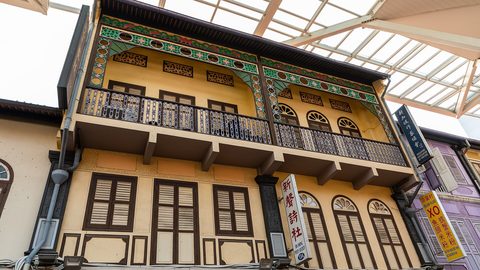 Where to Stay in Singapore for Neighbourhood Character Not Just a Bed
Compare Singapore's neighbourhoods by the experience of waking up there, hawker breakfasts, shophouse streets, or skyline views, not by distance to a landmark the MRT erases.
Where to Stay in Singapore for Neighbourhood Character Not Just a Bed
Compare Singapore's neighbourhoods by the experience of waking up there, hawker breakfasts, shophouse streets, or skyline views, not by distance to a landmark the MRT erases.
-
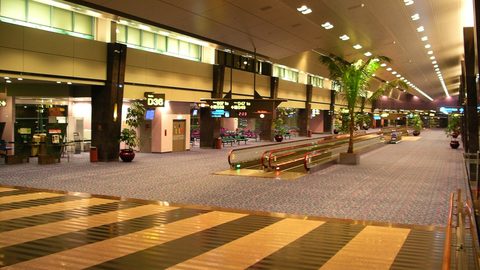 Flying Into Changi Airport Singapore and Making the Stopover Work
Changi Airport turns a Singapore stopover into a free mini-trip. How long you need to clear immigration, eat a hawker meal, and still make your connection.
Flying Into Changi Airport Singapore and Making the Stopover Work
Changi Airport turns a Singapore stopover into a free mini-trip. How long you need to clear immigration, eat a hawker meal, and still make your connection.
-
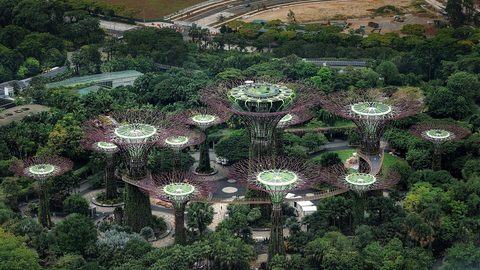 Singapore Things to Do With Only Three Days and Brutal Midday Heat
Hard calls on which Singapore sights earn limited days: Gardens by the Bay and Botanic Gardens are non-negotiable, Sentosa is skippable, and everything bends around the 11am-to-3pm heat.
Singapore Things to Do With Only Three Days and Brutal Midday Heat
Hard calls on which Singapore sights earn limited days: Gardens by the Bay and Botanic Gardens are non-negotiable, Sentosa is skippable, and everything bends around the 11am-to-3pm heat.
-
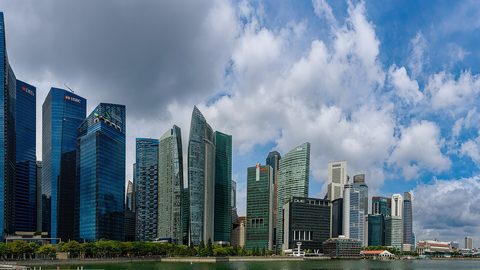 Best Time to Visit Singapore When One Degree From the Equator
Singapore sits one degree from the equator so temperature barely shifts, plan around monsoon rains, Chinese New Year hawker closures, haze season, and F1 hotel price spikes instead.
Best Time to Visit Singapore When One Degree From the Equator
Singapore sits one degree from the equator so temperature barely shifts, plan around monsoon rains, Chinese New Year hawker closures, haze season, and F1 hotel price spikes instead.
-
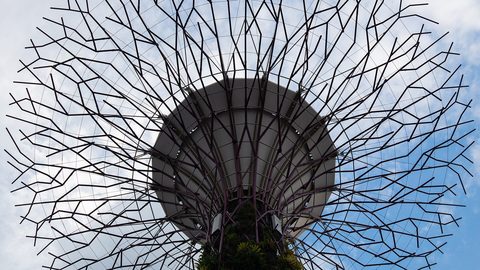 Gardens by the Bay
-
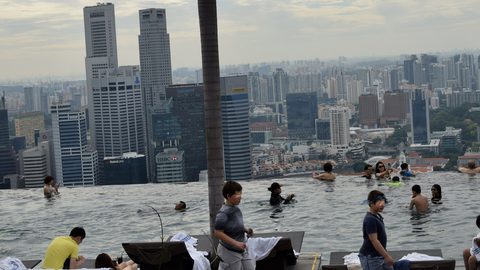 Marina Bay Sands
-
 Singapore Zoo and the Mandai parks