Safety in Singapore Goes Beyond Low Crime Rates
Singapore's crime rate is vanishingly low, but heat exhaustion, seasonal haze, and dengue mosquitoes are the real concerns. Tap water is safe, and hawker centres offer free refills.
Safety in Singapore Goes Beyond Low Crime Rates
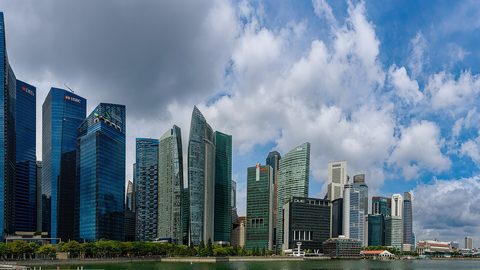
At a pedestrian crossing in the Central Business District at 2pm, the sun is directly overhead, the UV index is at 13, and your shirt is soaked through. No one has tried to pick your pocket. The police report for 2024 logged 12 snatch thefts across the entire country. The homicide rate was 0.2 per 100,000 people. The crime index for 2025 sits at 2.3 on a scale where 100 is the most dangerous. Your phone and your passport are not the things you need to worry about.
The real risks here are environmental. Heat exhaustion between 11am and 3pm, dengue-carrying mosquitos in the green spaces, and unpredictable haze from Sumatran fires between August and October are what actually send travellers to the clinic. Tap water is safe to drink. Hawker centres have free water dispensers. The laws and fines you have heard about are a separate topic.
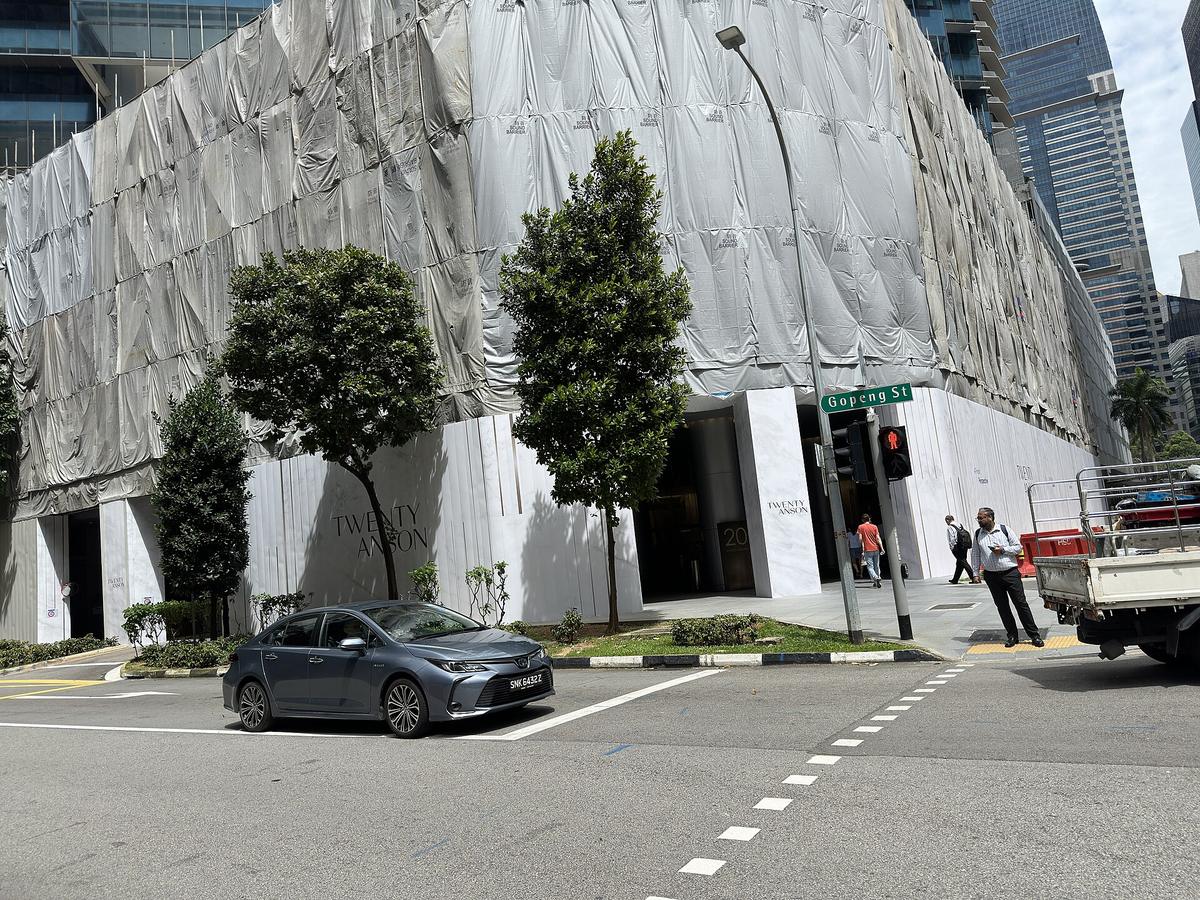

Heat Exhaustion is the Most Common Traveller Complaint
The Midday Heat Window
The average daytime temperature sits between 31 and 34 degrees Celsius year-round. Afternoon relative humidity runs 60 to 80 percent. The ultraviolet index peaks between 11am and 3pm at a range of 10 to 13, which the World Health Organisation classifies as extreme. You will not acclimate in three days. The failure case is a day planned without air-conditioned indoor blocks during this window. That is a sufferfest that ends with someone in a pharmacy buying rehydration salts.
Recognising and Preventing Heat Exhaustion
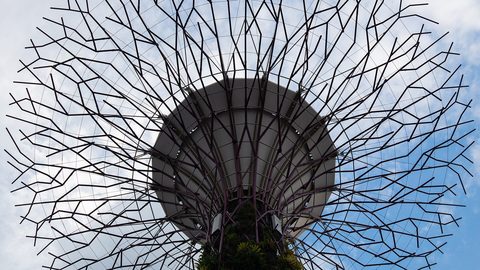
Heat exhaustion onset signs include heavy sweating, cool and clammy skin, a weak and rapid pulse, muscle cramps, headache, nausea, and dizziness. Core body temperature can reach 40 degrees Celsius before you recognise what is happening. The fix is simple and you must budget for it. Build a 90-minute indoor stop into every midday block. This means a cooled conservatory at Gardens by the Bay, a long lunch at a hawker centre with ceiling fans, or a walk through the National Gallery. Do not plan outdoor activities like the MacRitchie TreeTop Walk or the free Supertree Grove light show without checking if you can get to air conditioning immediately after. The TreeTop Walk closes in wet weather anyway, so check the forecast before you go.
Haze Interrupts Travel Between August and October
What the Haze Means for Your Trip
Sumatran slash-and-burn fires send a haze across the Strait of Singapore that can make the air hazardous. This is not a predictable annual event. Some years the air quality index stays moderate. Other years it hits unhealthy levels for weeks at a time. The window is August through October, with the worst in September. There is no government compensation and no airline is obligated to let you rebook without a fee. If you are travelling in this period, build flexibility into your itinerary. Have a backup list of indoor attractions: the National Museum of Singapore, the Asian Civilisations Museum, and the S.E.A. Aquarium. The free light show at Supertree Grove runs regardless of haze, but standing outside for 30 minutes in poor air is not worth it.
Monitoring Air Quality
Check the National Environment Agency website each morning. If the PSI reading exceeds 150, reduce outdoor activity. If it exceeds 200, stay indoors. Masks rated N95 or equivalent filter the particulate. Pack two or three if you are coming between August and October. The haze is also why Chinese New Year in January or February is a separate avoid window: many hawker stalls and family-run shops close for two to three days, but the avoidance is cultural, not environmental.
| Risk | How It Manifests | What You Do About It |
|---|---|---|
| Heat exhaustion | Heavy sweating, nausea, dizziness, weak pulse. Onset between 11am and 3pm, core temperature can hit 40°C. | Plan an air-conditioned indoor block every day during the midday window. Carry a reusable bottle; free water dispensers are in every hawker centre. |
| Dengue fever | 13,769 cases in 2024, peak transmission June to October, Aedes aegypti mosquitos bite at dawn and dusk. | Use EPA-registered repellent with DEET 20-30%, picaridin 20%, or IR3535 20% when in green spaces. Apply before dawn and dusk. |
| Haze | Reduced air quality from Sumatran fires, August to October, severity varies by year. | Check NEA air quality readings daily. Book indoor attractions as backup. Pack N95 masks if travelling in the window. |
| Jaywalking fine | Crossing within 50 metres of a designated crossing is an offence. First offence composition fine is SGD 50. | Walk to the crossing and wait for the green man. The fine is real and enforced. |
| Electronics scams | Sim Lim Square and Lucky Plaza are named in consumer alerts as high-pressure electronics retail locations. | Buy electronics from official brand stores or major retailers like Challenger and Courts. Ignore street touts near these malls. |
Dengue Mosquitos Are Active When You Are
The Dengue Risk
Singapore reported 13,769 dengue cases in 2024, up from 9,949 the year before. The primary vector, Aedes aegypti, bites during the day with peak activity at dawn and dusk. The peak transmission months are June through October. A dengue cluster alert is triggered when ten or more cases appear within a 150-metre radius over 14 days. If you are staying near a park, a nature reserve, or a residential area with heavy vegetation, the risk is real even in the city centre.
How to Protect Yourself
The proportionate precaution is a repellent containing one of three active ingredients: DEET at 20 to 30 percent concentration, picaridin at 20 percent, or IR3535 at 20 percent. Apply it before dawn and again before dusk if you will be outdoors. The Singapore Botanic Gardens, Sungei Buloh Wetland Reserve, and Pulau Ubin are the highest-risk locations because they combine dense vegetation with visitor footfall during mosquito peak hours. The Botanic Gardens are a UNESCO site and worth the visit. Wear repellent. Do not skip it. A single bite can mean a week of fever and joint pain that you did not budget for on a three-day trip.
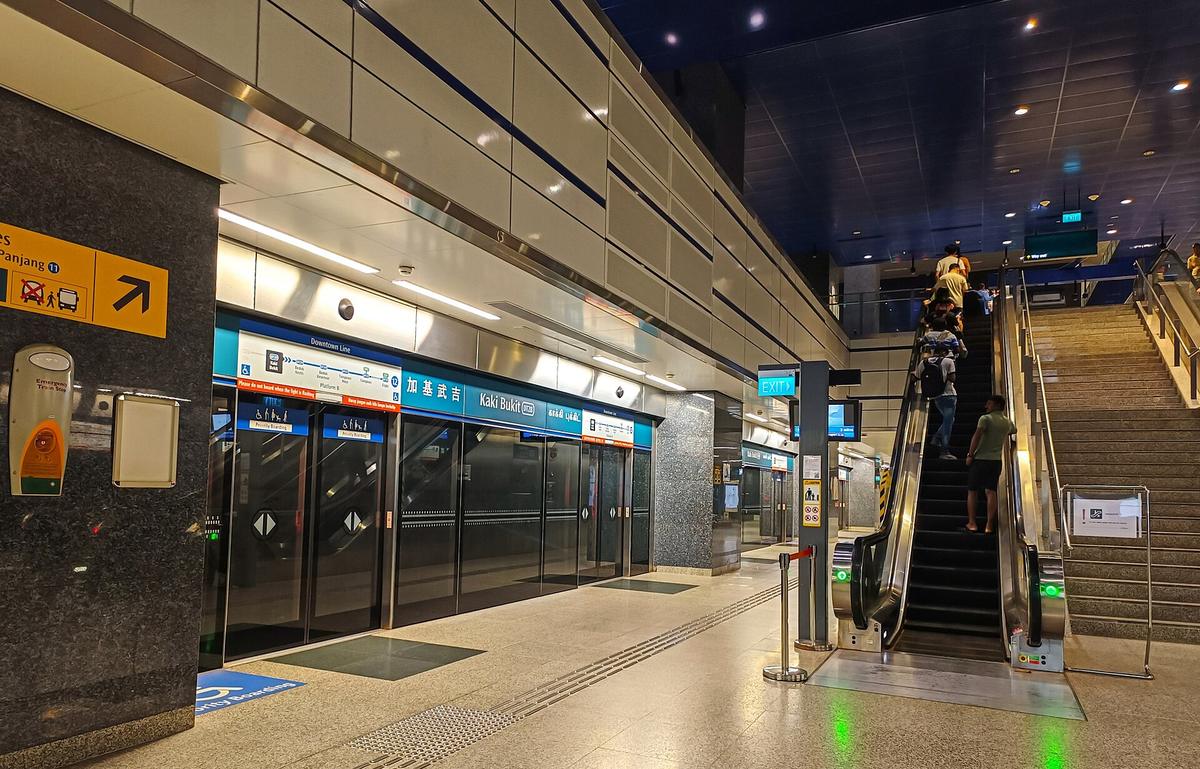

Tap Water is Safe. the Infrastructure is Reliable.
Singapore tap water meets WHO Guidelines for Drinking-water Quality. The Public Utilities Board reported 100 percent compliance with national standards in 2024. You can drink from any tap connected to the mains. The practical benefit is that you do not need to buy bottled water. Every hawker centre has a free water dispenser. Carry a reusable bottle and fill it at lunch. This saves you roughly SGD 3 per bottle, which adds up over three days, and it keeps plastic out of the system.
If you do buy bottled water, convenience stores at MRT stations sell 1.5-litre bottles for around SGD 1.50. Never drink from ornamental fountains or outdoor spigots in parks that are not clearly labelled as drinking water. The airport, the museums, and the shopping malls all have clearly marked water fountains near the restrooms. The single thing that trips visitors up is not drinking enough during the heat window. Dehydration mimics the early signs of heat exhaustion. Drink before you feel thirsty.
What to Do Right Now
Book your travel insurance before you book the flight. Confirm it covers heat-related illness, dengue, and medical evacuation. Without it, a single A&E visit costs you SGD 160 before any test. An air ambulance to Australia starts at USD 50,000. The single thing that most often goes wrong here is that travellers arrive with no plan for the 11am to 3pm heat window and spend their second day in a hotel room with a headache, losing the only three days they have.
Common Questions
Is Singapore safe at night for solo travellers?
Yes, by any global standard. The overall crime rate in 2024 was 1,036 cases per 100,000 population. Theft from person accounted for 1,390 cases citywide. Standard urban precautions apply: avoid poorly lit alleyways, keep your phone in a front pocket, and do not walk alone through a park at 3am. The MRT shuts down around midnight and ride-hail prices surge after that, so factor that into your late-night plans.
Do I need mosquito repellent in the city centre?
Yes, especially if you are near green spaces. Aedes aegypti mosquitos are day-biters and they breed in urban areas. Marina Bay, the Botanic Gardens, and the Supertree Grove at dusk put you in their territory. Use an EPA-registered repellent with DEET 20-30%, picaridin 20%, or IR3535 20%.
Can I drink from the tap in Singapore?
Yes. Tap water meets WHO Guidelines and had 100 percent compliance with Singapore drinking water quality standards in 2024. Every hawker centre has a free water dispenser. Carry a reusable bottle.
What do I do if I get heat exhaustion?
Stop all activity and get to a cool, air-conditioned space. Remove excess clothing. Drink cool water slowly. Apply cold compresses to your neck, armpits, and groin. If your core temperature does not drop within 30 minutes, or if you start vomiting or feel confused, call an ambulance at 995. The non-emergency ambulance number is 1777.
Is the haze bad enough to cancel a trip?
It depends on the year. The worst haze from Sumatran fires falls between August and October and can spike unpredictably. If you have asthma or a respiratory condition, consult your doctor before booking a trip in that window. Book indoor attractions as a backup plan. Check NEA air quality readings each morning.
What happens if I cross the road outside a crossing?
You can receive a composition fine of SGD 50 for a first offence. Jaywalking is defined as crossing within 50 metres of a designated crossing point. Enforcement is active. Walk to the crossing and wait for the green man.
Is the healthcare system good for tourists?
Singapore ranked 6th globally in the WHO healthcare system ranking (2000) and has 22 JCI-accredited hospitals as of 2025. A public hospital A&E consultation for a non-resident costs between SGD 120 and 160, before tests or treatment. A private GP consultation runs SGD 50 to 120. Medical evacuation to Australia or Europe by air ambulance costs USD 50,000 to 150,000. Travel insurance that covers evacuation is essential.
Read next
-
 Singapore eSIM, Tourist SIM Cards and Free Public Wi-Fi Compared
Singapore offers eSIMs, 100GB tourist SIM cards from S$12 at Changi, and free public Wi-Fi. The real essential is downloading Grab before you land, because setup requires an SMS code.
Singapore eSIM, Tourist SIM Cards and Free Public Wi-Fi Compared
Singapore offers eSIMs, 100GB tourist SIM cards from S$12 at Changi, and free public Wi-Fi. The real essential is downloading Grab before you land, because setup requires an SMS code.
-
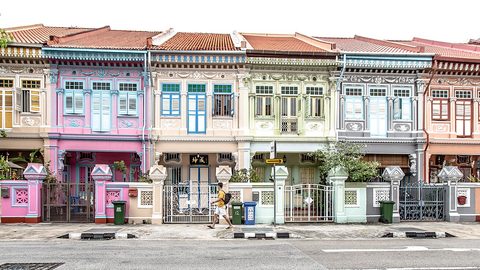 Singapore Hotels by Type and Budget Not by Neighbourhood
Singapore hotels sorted by property type and price band, skyline towers, shophouse boutiques, family chains, and transit sleepers, with honest notes on what S$400 actually buys here.
Singapore Hotels by Type and Budget Not by Neighbourhood
Singapore hotels sorted by property type and price band, skyline towers, shophouse boutiques, family chains, and transit sleepers, with honest notes on what S$400 actually buys here.
-
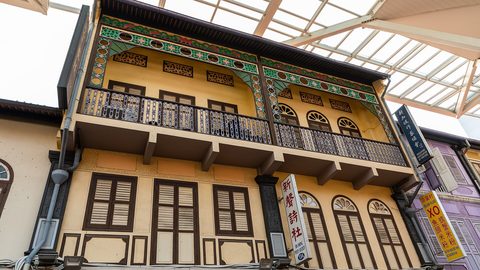 Where to Stay in Singapore for Neighbourhood Character Not Just a Bed
Compare Singapore's neighbourhoods by the experience of waking up there, hawker breakfasts, shophouse streets, or skyline views, not by distance to a landmark the MRT erases.
Where to Stay in Singapore for Neighbourhood Character Not Just a Bed
Compare Singapore's neighbourhoods by the experience of waking up there, hawker breakfasts, shophouse streets, or skyline views, not by distance to a landmark the MRT erases.
-
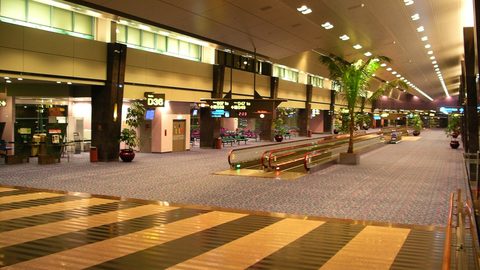 Flying Into Changi Airport Singapore and Making the Stopover Work
Changi Airport turns a Singapore stopover into a free mini-trip. How long you need to clear immigration, eat a hawker meal, and still make your connection.
Flying Into Changi Airport Singapore and Making the Stopover Work
Changi Airport turns a Singapore stopover into a free mini-trip. How long you need to clear immigration, eat a hawker meal, and still make your connection.
-
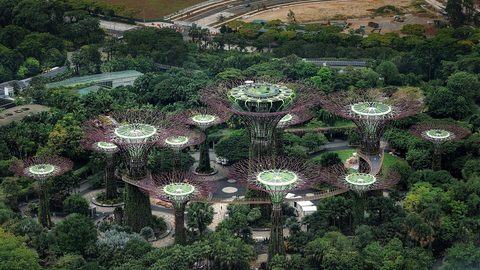 Singapore Things to Do With Only Three Days and Brutal Midday Heat
Hard calls on which Singapore sights earn limited days: Gardens by the Bay and Botanic Gardens are non-negotiable, Sentosa is skippable, and everything bends around the 11am-to-3pm heat.
Singapore Things to Do With Only Three Days and Brutal Midday Heat
Hard calls on which Singapore sights earn limited days: Gardens by the Bay and Botanic Gardens are non-negotiable, Sentosa is skippable, and everything bends around the 11am-to-3pm heat.
-
 Best Time to Visit Singapore When One Degree From the Equator
Singapore sits one degree from the equator so temperature barely shifts, plan around monsoon rains, Chinese New Year hawker closures, haze season, and F1 hotel price spikes instead.
Best Time to Visit Singapore When One Degree From the Equator
Singapore sits one degree from the equator so temperature barely shifts, plan around monsoon rains, Chinese New Year hawker closures, haze season, and F1 hotel price spikes instead.
-
 Gardens by the Bay
-
 Marina Bay Sands
-
 Singapore Zoo and the Mandai parks