Where to Stay in Krabi Province and Which Base Suits Your Travel Style
Where you stay in Krabi determines everything: your daily transport costs, your evening options, and whether you see a beach at all. Compare every base honestly.
Where to Stay in Krabi Province and Which Base Suits Your Travel Style
A longtail boat sits tilted on the mud at Krabi Pier at low tide, its hull resting on a brown flat that stretches out from the concrete steps. The air smells of mangrove silt and diesel. Ten kilometres away your hotel Facebook page shows a postcard of Ao Nang beach at sunset. The gap between those two images is the single decision that will cost you time and money every day you are here.
Deciding where to stay in Krabi is not a minor preference. It sets your daily transport budget, your access to beaches and rock climbing, your evening options after the last songthaew stops running, and whether you spend your trip sitting in transit or sitting on sand. Krabi province is not a single destination. It is a mainland town, a resort strip, a roadless peninsula, and a scatter of beaches connected by boat commutes. Each base works well for certain travellers and fails for others. Here are the real journey times, real costs, and the trade offs that marketing photos will not show you.

The Cost of Being Cheap: Krabi Town
The Inland Transport Hub With No Sand
Krabi Town is a scruffy, functional Thai provincial capital 15 kilometres inland on a muddy river estuary. It is a transport and logistics hub, not a lingering destination. Many travellers arrive expecting a beach town and find instead a working city with no beach, broken pavements, and constant through traffic on the main road. The nightly rate here is the lowest in the province: guesthouses and budget hotels run from 300 to 2,000 baht. A decent meal costs 60 baht at the Maharaj Market morning stalls or 150 baht at a shophouse eatery serving southern style braised pork belly.
The Daily Commute Penalty
That low nightly rate comes with a daily penalty. Getting to the nearest beach at Ao Nang requires a 20 minute songthaew ride at 60 baht each way during daytime, but those services thin out after 18:00 and stop entirely late in the evening. A return trip from Ao Nang after dinner means a private taxi at 400 to 500 baht. The round trip to Railay is 200 baht plus the 100 baht boat fare each way from Krabi Pier, and the last boat back from Railay departs around 18:00. Anyone who books a week in Krabi Town expecting beach access ends up spending 800 to 1,000 baht daily on transport or, worse, stranded on the beach after dark with no way back.
Who Krabi Town Works For
The town works for specific travellers. Budget backpackers using it as a transit base for onward ferries to Koh Phi Phi or Koh Lanta will find cheap guesthouses and quick access to Krabi Pier. Digital nomads who want monthly rental rates and local life can settle in, though co working spaces are limited to a handful of cafes. Climbers heading to Railay and Tonsai each day on the morning boat will save on lodging and spend the difference on fares. Second time visitors to southern Thailand who are bored of island resort bubbles will appreciate the fresh cashew nut stir fries at the weekend night market and the 1,260 step climb at Wat Tham Sua.
Krabi Town is not for a family wanting resort convenience, anyone with limited mobility who cannot manage broken pavements, luxury seekers, or any traveller whose priority is stepping from hotel onto sand.
Krabi Accommodation Areas Compared
Each area trades one advantage for another. The table below lays out the key variables for each base so you can match the numbers to your itinerary.
| Area | Nightly Rate Range | Beach Access | Walk to Restaurants | Last Beach Return |
|---|---|---|---|---|
| Krabi Town | 300 2,000 THB | No beach, 15 km to Ao Nang | 0 500 m in town | Songthaew stops ~18:00, taxi 400 500 THB after |
| Ao Nang | 800 5,000 THB | 2.5 km beach, not swimmable at low tide | 0 500 m from most hotels | Boat pier ~18:00, taxis available later |
| Railay West | 800 12,000 THB low, 2,000 20,000 THB high | Direct, swimmable at low tide | 150 500 THB meals on walking street | 18:00 boat departure to Ao Nang |
| Railay East | Similar to West | No, mudflat at low tide | Same walking street, 5 min walk | Same 18:00 boat |
| Phra Nang Beach | Railay prices apply | Direct, swimmable at low tide | Limited, walk to Railay strip 10 min | Same 18:00 boat |
| Tonsai | 300 1,500 THB | Not swimmable at low tide | Basic bungalow cafes only | Generator power, walk to Railay by trail |
| Klong Muang | 3,000 8,000 THB | 4 km beach, swimmable at low tide | 0 2 km, limited to Klong Muang Plaza | Resort taxis or own transport |
| Tub Kaek | 4,000 12,000 THB | 2 km beach, swimmable at low tide | No independent strip, only resort restaurants | Resort taxis |
Ao Nang vs Krabi Town Stay: Convenience Versus Cost
The most common fork in the road is whether to base in Ao Nang or Krabi Town. Ao Nang gives you a 2.5 kilometre strip of beach, more than 10 7 Eleven stores along the main road, a boat pier at the southern end of the beach road for island hops, and walkable access to restaurants from almost every hotel. You can step out of a guesthouse and be at a table serving seafood within 500 metres. The beach itself is not swimmable at low tide when the water pulls back to expose mudflat and rocks, but the convenience of having boats, bars, and food within a five minute walk is the reason most first time visitors choose it.
Krabi Town saves you 70 percent on lodging compared to Ao Nang beachfront resorts and delivers authentic Thai market mornings and local food. The cost is a daily songthaew commute that adds 40 minutes round trip plus the risk of an expensive taxi if you stay out past when services stop. Families and travellers who value time over money should book Ao Nang. Solo backpackers and long stay digital nomads should book Krabi Town and treat the commute as part of the day.

Railay Beach Accommodation Guide: Isolation Pays Off
The Four Beaches of a Roadless Peninsula
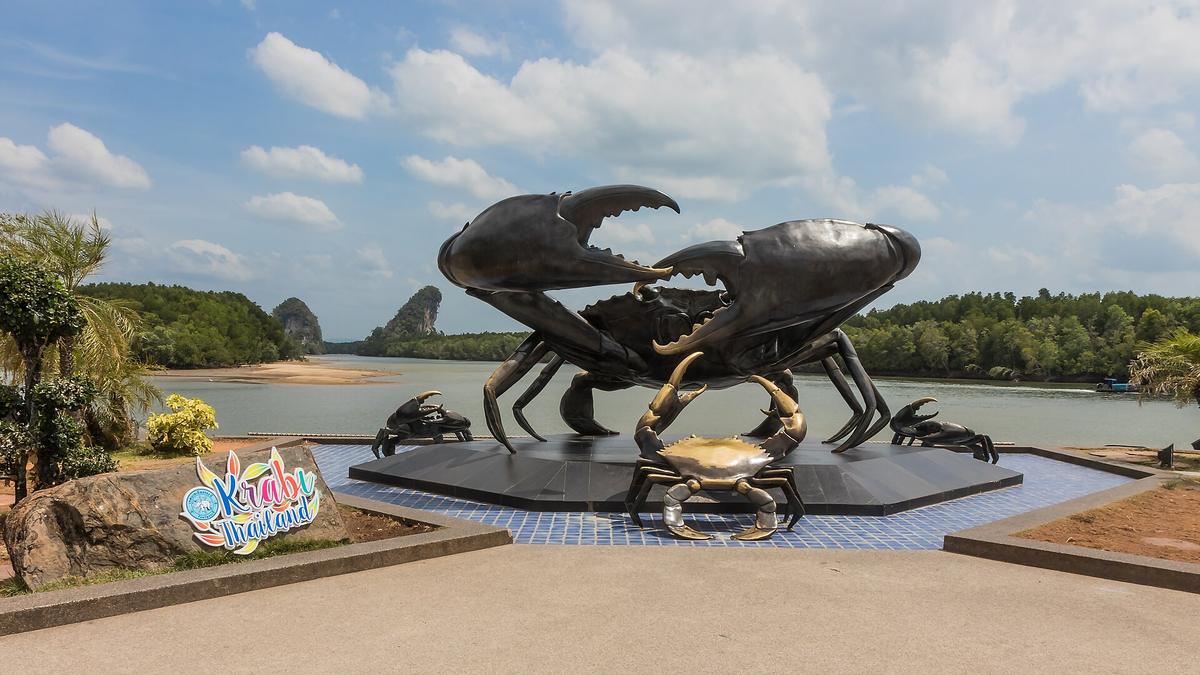
Railay Beach is a roadless peninsula of four beaches Railay West, Railay East, Phra Nang, and Ton Sai reachable only by boat from Ao Nang or Krabi Town pier. Railay West and Phra Nang are swimmable at low tide with sand that stays clean. Railay East is a mangrove mudflat at low water, not a swimming beach. Ton Sai sits at the budget end with generator based electricity, no ATMs, and basic bungalows from 300 to1,500 baht a night for climbers who want the cheapest access to the limestone walls.
Rates and the Last Boat Rule
Railay West lodging runs from 800 to12,000 baht in low season and doubles in high season December to March when rooms hit2,000 to20,000 baht. Booking ahead is non negotiable in those months. The upside is waking up on a beach that takes15 minutes by boat from Ao Nang and requires a boat to leave. The last boat departure to Ao Nang leaves around18:00, varying with sunset and season. If you miss it, you are on Railay until morning. No cars, no taxis, no alternatives.
Phra Nang: Best Swimming, Total Calm
Phra Nang Beach at the southern end of the peninsula offers the best swimming and the Phra Nang Cave fertility shrine tucked against the cliff. The cave is a short walk from the southern end of the sand. Lodging at Phra Nang is limited to higher end resorts that blend into the forest above the beach. The trade off is total calm. There are no bars blaring music past22:00, no7 Eleven, and no road. You eat at resort restaurants where main courses run150 to500 baht or at the walking street near Railay East where a handful of casual kitchens serve Thai staples.
Railay suits couples on a honeymoon budget who want to trade nightlife for silence at dawn. It works for climbers who want day long access to Tonsai routes. It does not suit anyone who needs evening options, emergency pharmacy access, or the ability to leave on a whim after dinner.
Krabi Base Location Advice: Where to Park Yourself
Match Your Base to Your Daily Plan
Choose your base based on what you will do each day, not on the photos that grabbed your attention. If your itinerary involves a full day island hopping to Koh Phi Phi or Koh Lanta, stay in Ao Nang where the boat pier and ferry booking offices are a five minute walk from anywhere on the strip. Krabi Town also runs these ferries from its pier, but you add a songthaew ride before and after each boat trip, and the songthaew service to the pier is not reliable early in the morning.
If you plan to climb at Railay and Tonsai daily, stay on Railay itself or at Tonsai if you can tolerate generator power. The cost of a boat round trip from Ao Nang at200 baht adds up over a week, and the18:00 last boat means you cannot climb a late afternoon route and relax after. Climbers who book Railay lodging wake up200 metres from the base of the walls.
Luxury and Isolation: Klong Muang and Tub Kaek
If you want luxury and are willing to pay for isolation, Klong Muang and Tub Kaek deliver deep water beaches that stay swimmable at low tide. Klong Muang has a4 kilometre beach and a cluster of resort restaurants plus one or two7 Elevens. Tub Kaek has no independent restaurant strip. You eat at the resort. Both are15 to20 kilometres from Ao Nang, so day trips to Railay or the islands require a25 to30 minute taxi ride before you even reach the boat pier.
When Not to Visit and What to Book Ahead
Seasons and Booking Pressure
The high season runs November to March with dry weather and temperatures between24 and32 degrees Celsius. Lodging across the province books out in this period. Booking ahead for Railay and Klong Muang in these months is essential. September and October bring the peak monsoon months when boat services to Railay and the islands can be unreliable or suspended in heavy weather. Mid April includes the Songkran water festival when Krabi Town becomes a water fight zone for three days and many businesses close.
Which Base for Which Traveller
Krabi Town suits budget backpackers using it as a transit base, digital nomads wanting cheap monthly rents, climbers heading to Railay and Tonsai daily, and second time visitors who want authentic Thai market mornings over resort bubbles. It does not suit beach first holidaymakers, families wanting convenience, anyone with limited mobility, or luxury seekers.
Ao Nang suits first time visitors, families, and anyone who wants to walk from hotel to beach to restaurant to boat pier without arranging transport. It does not suit travellers who want quiet, local character, or cheap nightly rates.
Railay and Tonsai suit climbers, couples on a dedicated beach stay, and anyone who can accept being stranded after18:00. They do not suit people who need evening options, pharmacy access, or flexible departure times.
Klong Muang and Tub Kaek suit travellers with resort budgets who want swimmable beaches and total quiet. They do not suit anyone on a mid range budget who wants independent dining options or easy access to the islands.
Frequently Asked Questions
Is Krabi Town a beach destination?
No. Krabi Town sits15 kilometres inland on a river estuary with no beach. The closest beach at Ao Nang is a20 minute songthaew ride away. Travellers who book Krabi Town expecting to walk to sand will be disappointed and will pay400 to1,000 baht daily for return transport.
Which area has the best nightlife?
Ao Nang has the most evening activity with bars and restaurants along the main strip open past midnight. Krabi Town has the weekend night market Friday through Sunday with food stalls and crafts, but the town is quiet on weeknights. Railay has limited evening options and the last boat departs around18:00, trapping anyone without lodging on the peninsula.
Can I stay in Krabi Town and visit Railay for the day?
Yes. Take a songthaew from town to Krabi Pier at60 baht, then a15 minute boat to Railay at100 baht each way. The last boat back from Railay to Krabi Pier leaves around18:00. Budget80 minutes round trip for transport and200 baht for the boat fares plus the songthaew.
Is Ao Nang beach swimmable at low tide?
No. At low tide Ao Nang beach becomes exposed mudflat and rocks. Swimming is only possible at high tide. For reliable swimming at all tide levels, use Railay West, Phra Nang, or the deeper water beaches at Klong Muang and Tub Kaek.
Which area is best for families?
Families should book Ao Nang for walkable convenience to restaurants,7 Elevens, ATMs, and the boat pier for island trips. Krabi Town lacks beaches and has dangerous road traffic and broken pavements. Railay has no road access and limited medical facilities. Klong Muang works if you want a quiet resort stay but requires taxis for any activity outside the hotel.
Read next
-
 Krabi Hotels by Area Budget and Property Type
Krabi hotels range from Maharaj Road backpacker guesthouses to Ao Nang beachfront resorts. Sort by area and budget, with the real cost of each location factored in.
Krabi Hotels by Area Budget and Property Type
Krabi hotels range from Maharaj Road backpacker guesthouses to Ao Nang beachfront resorts. Sort by area and budget, with the real cost of each location factored in.
-
 Krabi Flights Getting to KBV Airport and Onward to Town or Ao Nang
Krabi flights and KBV airport arrivals: the white songthaew bus, private taxi and minivan options to Krabi Town and Ao Nang with real costs.
Krabi Flights Getting to KBV Airport and Onward to Town or Ao Nang
Krabi flights and KBV airport arrivals: the white songthaew bus, private taxi and minivan options to Krabi Town and Ao Nang with real costs.
-
 Krabi Things to Do Worth Your Limited Days Ranked and Argued
Krabi things to do ranked honestly: the Tiger Cave Temple climb earns top spot, Railay Beach comes with a last-boat deadline, and some attractions are not worth the drive.
Krabi Things to Do Worth Your Limited Days Ranked and Argued
Krabi things to do ranked honestly: the Tiger Cave Temple climb earns top spot, Railay Beach comes with a last-boat deadline, and some attractions are not worth the drive.
-
 Best Time to Visit Krabi Month by Month Through Monsoon and High Season
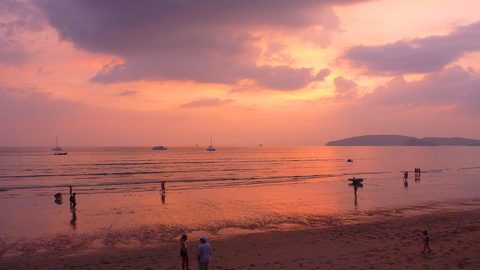
The best time to visit Krabi is November to March, but that is also when everything books out. Monsoon months risk longtail suspensions, and Songkran shuts the town down.
Best Time to Visit Krabi Month by Month Through Monsoon and High Season
The best time to visit Krabi is November to March, but that is also when everything books out. Monsoon months risk longtail suspensions, and Songkran shuts the town down.
-
 Getting Around Krabi Without a Map Songthaew Routes Taxis and Longtails
How to navigate Krabi's songthaew network, longtail piers, and taxi reality—with no central route map, no schedule, and services that stop early.
Getting Around Krabi Without a Map Songthaew Routes Taxis and Longtails
How to navigate Krabi's songthaew network, longtail piers, and taxi reality—with no central route map, no schedule, and services that stop early.
-
 A 5 Day Krabi Itinerary Alternating Boat Days With Land Days
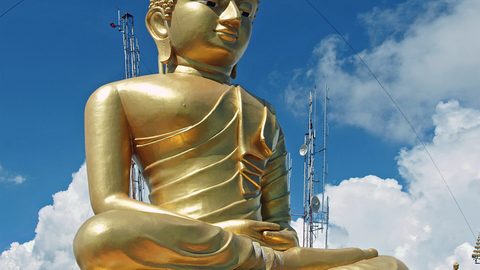
A 5 day Krabi itinerary that alternates boat days with land days, because five straight mornings on longtails is a mistake and the Andaman Sea may cancel one anyway.
A 5 Day Krabi Itinerary Alternating Boat Days With Land Days
A 5 day Krabi itinerary that alternates boat days with land days, because five straight mornings on longtails is a mistake and the Andaman Sea may cancel one anyway.
-
 Railay
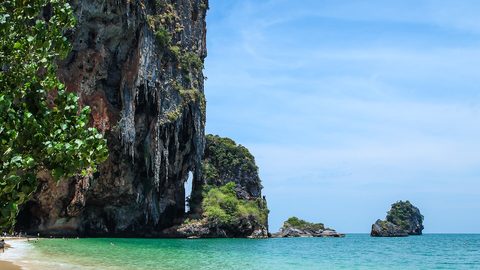
 Beach is a roadless peninsula reached by longtail from Krabi Pier—here is the boat timetable, the tide problem and why missing the last boat strands you.
Railay
Railay Beach is a roadless peninsula reached by longtail from Krabi Pier—here is the boat timetable, the tide problem and why missing the last boat strands you.
-
 Tiger Cave Temple
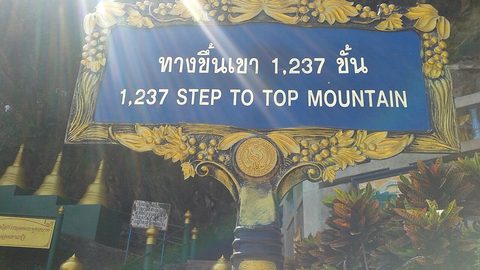
 in Krabi demands 1,260 steps in tropical heat—here is how hard the climb really is and why the summit view earns every step.
Tiger Cave Temple
Tiger Cave Temple in Krabi demands 1,260 steps in tropical heat—here is how hard the climb really is and why the summit view earns every step.
-
 Thailand Travel Guide From First Timers To Island Hoppers
A realistic Thailand travel guide covering regions, seasons, and pacing so you avoid the classic Bangkok Chiang Mai island mistake.
Thailand Travel Guide From First Timers To Island Hoppers
A realistic Thailand travel guide covering regions, seasons, and pacing so you avoid the classic Bangkok Chiang Mai island mistake.