Match Your Thailand Dates To The Andaman Or Gulf Monsoon
Thailand has two opposite monsoons. Match your travel dates to the Andaman coast, Gulf coast, or northern Thailand for dry weather.
Best Time to Visit Thailand Depends on Which Coast You Choose
At 7 a.m. on Railay Beach the limestone cliffs cast a cool shadow across the sand, and the longtail boats are still beached. By 10 a.m. the Andaman humidity hits like a wet towel, and your window for comfortable beach time has already closed. The single answer most travellers want, "just tell me the best month", does not exist for Thailand, because the country splits into two distinct monsoon systems that run on opposite schedules. The best time to visit Thailand depends entirely on whether you are heading to the Andaman coast, the Gulf coast, or the northern mountains.
Thailand Monsoon Season by Coast
Three Weather Zones, Three Schedules
Thailand has three weather zones, and each one follows a different rainy season. The Andaman coast, Phuket, Krabi, the Phi Phi islands, Railay Beach, the Similan Islands, runs its wet season from May to October. The Gulf coast, Koh Samui, Koh Phangan, Koh Tao, Pattaya, Hua Hin, gets its monsoon later, from October to December. The north, Chiang Mai, Chiang Rai, Pai, Mae Hong Son, follows a similar schedule to Bangkok, with a wet season from June to October followed by a cool-dry season from November to February.
February: The Only Safe Bet
This means February is the only month where all three zones deliver reliably good weather. Phuket gets 24 mm of rain in February across 3 rainy days. Koh Samui gets 44 mm across 4 rainy days. Chiang Mai gets 5 mm across 1 rainy day. February is the single safe bet for a multi-region trip covering both coasts and the north.
If you are limited to two weeks, March also works for both coasts, though the north enters its burning season that month. Andaman coast sea conditions stay calmest from November to April. Gulf coast sea conditions stay calmest from February to September. A traveller booking a November trip to Koh Samui risks 490 mm of rain in that month alone, while the same week on Phuket would see only minimal rain.

.jpg)
Andaman Coast September Closure
September is the worst month to visit the Andaman coast, and the research numbers back that up. Phuket receives 361 mm of rain in September across 23 rainy days. That is not an afternoon shower pattern, the typical rainy season pattern across Thailand is heavy rain for one to two hours in the afternoon or evening, but the Gulf coast during October to December gets all-day rain, and September on the Andaman side approaches that same relentless grind.
Island Access Shuts Down
The bigger problem is access. The Similan Islands national park closes from mid-May to mid-October annually. The Surin Islands national park follows the same closure schedule. Several island ferry services suspend operations when the monsoon swell makes crossings unsafe. If you arrive on the Andaman coast in September expecting to island-hop, you will find yourself stuck on the mainland with no way to reach the marine parks. The Andaman coast rainy season runs May to October, but September and early October are the period when the sea conditions make the most popular islands simply unreachable.
Khao Sok Lake remains open, and the floating bungalows there operate year-round, but a visit requires an overnight stay realistically, booking it as a rushed day trip leaves you with four hours of transit each way for two hours on the lake. If September is your only available travel window, redirect to the Gulf coast instead. Koh Samui, Koh Phangan and Koh Tao are in their dry season during September, with the Gulf coast rainy season not starting until October.
Songkran Water Festival Dates
Songkran, the Thai New Year water festival, runs on fixed dates of 13-15 April every year. In Chiang Mai the celebration often extends to three to five days. If you dislike being soaked with cold water thrown from buckets, water guns and pickup trucks for multiple days straight, avoid travelling to Thailand during this window. The festival is not optional, you will be wet from 8 a.m. until dark, including inside 7-Eleven stores and on public transport.
For travellers who enjoy the festival, Songkran is a genuine cultural experience and one of the most energetic periods to be in Thailand. The research shows hotel rate increases during Songkran in Chiang Mai run 20-50% above normal, and domestic tourism peaks in April along with December and January. Bangkok's April high is 35°C, and Chiang Mai's April high is 36°C, so the water throwing is also a practical relief from the heat. Book accommodation three to six months ahead if you plan to attend in Chiang Mai, where the moat surrounds the Old City and becomes the epicentre of the water fights.
Thailand Peak Season Prices
When Prices Spike
Peak season on both coasts runs from November to February, with cooler dry weather and minimal rain. The peak pricing period concentrates from mid-December to mid-January, specifically 20 December to 5 January. Hotel rates during Christmas and New Year increase 30-100% above high season rates. Thailand international tourist arrival peak month is December, and December is also when Bangkok receives only 6 mm of rain across 1 rainy day, the driest month of the year in the capital.
The high season for the Andaman coast runs November to April. The high season for the Gulf coast runs December to August. This means you can book a trip to Koh Samui in July or August and still be within the Gulf coast high season window, while the Andaman coast would be wet and rough during those same months. Koh Samui's April high is 32°C, and its January low is 24°C, the Gulf coast stays warm year-round but avoids the extreme rain of November.
Book Ahead or Pay Double
Minimum advance booking for Christmas and New Year is three to six months. For February high season, book one to three months ahead. A traveller showing up in Bangkok during Christmas week without reservations will face sold-out hotels in the Sukhumvit and Silom districts and rates on whatever remains that are double the normal price. The school holiday periods in Thailand run March to May and again in October, which pushes domestic tourists into northern destinations and drives up prices at places like Doi Suthep and the Chiang Mai Old City.
| Month | Andaman Coast | Gulf Coast | North Thailand |
|---|---|---|---|
| November–February | Driest, peak season | Wet, especially November | Cool-dry, peak season |
| March–May | Warm-dry, high season | Dry, high season | Hot, burning season March–April |
| June–October | Wet, monsoon from May | Dry until October, then wet from October | Wet season June–October, cool in hills December–January |
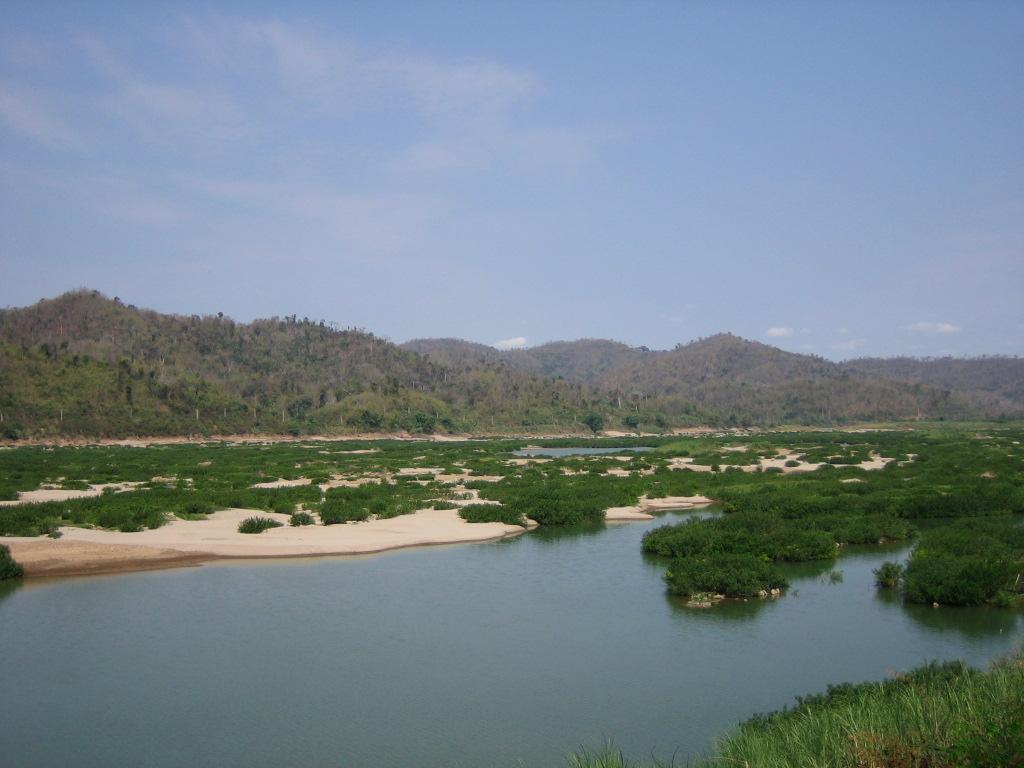

Bangkok and the North: Cool Season Versus Burning Season
Bangkok's cool-dry season runs November to February, with a December low of 22°C and only 1 rainy day in the entire month. The hot season runs March to May, with an April high of 35°C. The wet season runs June to October, with September seeing 334 mm of rain across 21 rainy days, the highest monthly total in Bangkok. Bangkok humidity peaks in September as well, making sightseeing at the Grand Palace, Wat Pho and Wat Arun uncomfortable for anyone not acclimated to tropical heat.
North Thailand's Two Seasons
North Thailand follows the same cool season from November to February, with Chiang Mai's January low dropping to 14°C, genuinely cold enough to need a jacket for early morning temple visits at Doi Suthep. The hill country cold months are December and January. The hot season runs March to May, with Chiang Mai's April high reaching 36°C.
Burning Season: When to Skip the North
The problem in the north is the burning season, which runs February to April with the peak in March. Chiang Mai air quality index during these months is the worst in the country, with PM2.5 peak monthly levels of 80-120 µg/m³ in March. The cause is agricultural field burning in the affected provinces: Chiang Mai, Chiang Rai, Mae Hong Son, Lamphun and Lampang. If you have respiratory sensitivities, plan a northern trip for November to January instead. February carries risk, and March is a month to skip entirely unless you book a hotel with air filtration and plan to spend minimal time outdoors. Chiang Mai's February rain is only 5 mm across 1 rainy day, so the weather is excellent, the air is not.
Getting Around Bangkok During Any Season
Bangkok traffic is relentless regardless of weather, so the BTS Skytrain and MRT subway are the only reliable ways to move through the city. You need cash in coins and small notes for ticket machines, or a Rabbit card for the BTS. The trip-up is that BTS and MRT use separate ticket systems and station names do not match across the two networks even when the stations are physically adjacent. From Suvarnabhumi Airport, the Airport Rail Link runs to Phaya Thai in 30 minutes for 45 THB and connects to the BTS Skytrain. A taxi to the city centre takes 40-60 minutes and costs 300-500 THB including tolls. From Don Mueang Airport, bus A1 or A2 runs to Mo Chit BTS in 20 minutes for 30 THB, or a taxi takes 30-50 minutes for 250-400 THB.
Who Thailand Works for and Who Should Skip it
Thailand suits solo backpackers, couples seeking mid-range beach luxury, digital nomads, food-focused travellers and culture buffs who can handle heat. The food alone, boat noodles at Victory Monument for 15-20 THB per tiny bowl, khao soi in Chiang Mai with its crispy and boiled egg noodles in coconut curry, the Yaowarat street-food crawl after dark, justifies the trip. The minimum days to justify the transit time between regions is 10 days. Anything less and you burn too much time transiting between Bangkok and one other region.
The common mistake is trying to cover Bangkok, Chiang Mai and a southern island in a single week. The domestic flight plus ferry transfer to an island eats an entire day each direction, leaving travellers exhausted and checking into hotels they barely use. Budget for at least three nights per location, and accept that you will see two regions, not three.
Thailand is not for travellers wanting pristine quiet beaches with zero development, anyone who finds persistent bargaining exhausting, or those on ultra-tight schedules who would hate losing half a day to a missed ferry connection. Tuk-tuk drivers quoting 300 THB for a trip that costs 60 THB by meter taxi, then diverting to a tailor or gem shop, is a daily friction point. Sidewalk conditions in Bangkok, missing drain covers, ankle-breaking uneven tiles, motorbikes driving on pavements, compound the heat and touts, especially in the south. The single thing that most often goes wrong is over-scheduling: booking too many destinations in too few days, then spending half the trip in transit and the other half checking in and out of hotels you barely experience.
Frequently Asked Questions
What is the single best month to visit both the Andaman and Gulf coasts?
February is the only month where both coasts deliver reliably good weather. Phuket gets 24 mm of rain in February across 3 rainy days. Koh Samui gets 44 mm across 4 rainy days. The north also has near-zero rain in February, at 5 mm. If you need a two-week window that covers all three zones, February is the safest choice.
Can I visit the Similan Islands in September?
No. The Similan Islands national park closes annually from mid-May to mid-October. The Surin Islands national park follows the same schedule. The Andaman coast September closure means the marine parks and many island ferry routes are suspended until mid-October. Redirect to the Gulf coast instead, which is in its dry season during September.
Is Songkran worth attending despite the crowds?
It depends on your tolerance for being soaked for three to five days straight. Songkran runs 13-15 April nationwide, with Chiang Mai extending to 3-5 days. Hotel rates in Chiang Mai increase 20-50% above normal. If you enjoy the festival, book accommodation three to six months ahead. If you dislike crowds and cold water, travel before 13 April or after 16 April.
When are hotel prices highest in Thailand?
The peak pricing period runs from mid-December to mid-January, specifically 20 December to 5 January. Hotel rates increase 30-100% above high season rates. Thailand international tourist arrival peak month is December. Minimum advance booking for this period is three to six months. February also commands high season prices but requires only one to three months advance booking.
What is the burning season in Chiang Mai and when should I avoid it?
The burning season runs February to April, with March being the peak month. Chiang Mai PM2.5 levels reach 80-120 µg/m³ in March. The cause is agricultural field burning in Chiang Mai, Chiang Rai, Mae Hong Son, Lamphun and Lampang provinces. February is a marginal risk month. March and April should be avoided if you have respiratory issues. The weather in February is otherwise excellent, with only 5 mm of rain.
Read next
-
 Thailand eSIM Costs Per Gigabyte And Which Network Covers The Islands
Compare Thailand eSIM options by cost per gigabyte and check AIS versus TrueMove coverage for the Andaman islands before you land.
Thailand eSIM Costs Per Gigabyte And Which Network Covers The Islands
Compare Thailand eSIM options by cost per gigabyte and check AIS versus TrueMove coverage for the Andaman islands before you land.
-
 Thailand Transport Guide Flights Sleeper Trains Buses And Ferries
Compare Thailand domestic flights, sleeper trains, buses, and ferries so you can move between provinces without losing a full day.
Thailand Transport Guide Flights Sleeper Trains Buses And Ferries
Compare Thailand domestic flights, sleeper trains, buses, and ferries so you can move between provinces without losing a full day.
-
 Thailand Visa On Arrival Rules And What Happens If You Overstay
Thailand visa on arrival rules, how long your entry stamp lasts, and the daily overstay fine you want to avoid at BKK.
Thailand Visa On Arrival Rules And What Happens If You Overstay
Thailand visa on arrival rules, how long your entry stamp lasts, and the daily overstay fine you want to avoid at BKK.
-
 Thailand Cash Rules ATM Fees And Why Exchange Booths Beat Banks
Thailand still runs on cash. Learn the ATM flat fee, why exchange booths beat banks, and the 7-Eleven 1000 baht note problem.
Thailand Cash Rules ATM Fees And Why Exchange Booths Beat Banks
Thailand still runs on cash. Learn the ATM flat fee, why exchange booths beat banks, and the 7-Eleven 1000 baht note problem.
-
 Thailand Safety Scams To Avoid And The One Thing That Kills Tourists
Thailand has low violent crime but a large scam economy and one thing that kills tourists every year. Know the risks before you go.
Thailand Safety Scams To Avoid And The One Thing That Kills Tourists
Thailand has low violent crime but a large scam economy and one thing that kills tourists every year. Know the risks before you go.
-
 Thailand Daily Budget At Three Levels And The Island Price Gap
See what a day in Thailand costs at three budget levels and why island prices run far higher than Bangkok or Chiang Mai.
Thailand Daily Budget At Three Levels And The Island Price Gap
See what a day in Thailand costs at three budget levels and why island prices run far higher than Bangkok or Chiang Mai.
-
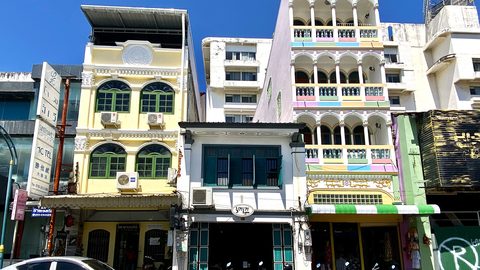 Phuket
 is a sprawling island of extreme contrasts. Choosing the right beach area matters more than any other decision you will make.
Phuket
Phuket is a sprawling island of extreme contrasts. Choosing the right beach area matters more than any other decision you will make.
-
 Krabi
Krabi is a province, not a beach town. The provincial capital sits 15km inland on a muddy river estuary and works best as a transit base, not a place to linger.
Krabi
Krabi is a province, not a beach town. The provincial capital sits 15km inland on a muddy river estuary and works best as a transit base, not a place to linger.
-
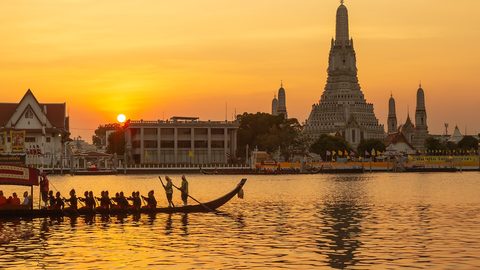 Bangkok
 is a humid, chaotic city of contrasts where golden temples sit beside glass malls and street-food stalls line air-conditioned metro stations. Here is where to begin.
Bangkok
Bangkok is a humid, chaotic city of contrasts where golden temples sit beside glass malls and street-food stalls line air-conditioned metro stations. Here is where to begin.