Choose Between Flying Training Or Bussing Between Thai Provinces
Compare Thailand domestic flights, sleeper trains, buses, and ferries so you can move between provinces without losing a full day.
The One Mistake That Wastes Your Trip
Most first timers try to hit Bangkok, Chiang Mai, and a southern island in a single week. The domestic flight plus ferry transfer to an island eats an entire day each direction, leaving you exhausted and checking into a hotel you barely use. You lose two full days to transit alone. Accept that any journey between regions costs half a day of travel, and plan around that cost instead of fighting it.
Pick One Region
If you have ten days or fewer, pick one region. Bangkok plus one other. Not three. Ten days is the minimum because anything less burns too much time transiting between Bangkok and one other region. A Bangkok to Chiang Mai sleeper train departs at 6 p.m. and arrives at 7 a.m. You sleep through the transit and wake up in the north with a full day ahead. Same idea on the southern route: take the overnight train from Bangkok to Surat Thani, then catch the morning ferry to Koh Samui, Koh Phangan, or Koh Tao. That sleeper train is the single most efficient piece of transport in Thailand because it converts an unproductive transfer into your hotel night.

Domestic Flights: When to Fly and What it Costs
Fly when the distance exceeds 500 kilometres and the time you save actually buys you something. Bangkok to Phuket is a one hour and twenty minute flight against a twelve hour train or a twelve hour bus. That is a clear win on paper. The catch is that the airport sits well outside both cities. You arrive at Don Mueang or Suvarnabhumi forty five minutes before boarding for security, fly, land at Phuket airport, then take a forty five minute taxi to your beach hotel. Door to door, the flight runs about four hours. The sleeper train runs twelve hours but includes a full night of sleep. If you would otherwise need a hotel that night, the train is faster in real terms.
Carriers And Fares
Carriers include Thai Airways, Bangkok Airways, Thai Vietjet Air, Thai AirAsia, Nok Air, and Thai Lion Air. You have ten to thirty flights per day on the busy routes, Bangkok to Chiang Mai and Bangkok to Phuket. A one way fare ranges from 800 to 3,500 baht. The 2024 rate floor of 800 baht comes from budget carriers during promotions; peak season and last minute bookings push toward 3,500 baht. Check Bangkok Airways for Koh Samui flights because they hold the monopoly on that route and charge accordingly, often double AirAsia's pricing for comparable distance.
Two Airports, One City
Domestic flights depart from both of Bangkok's airports. Don Mueang handles AirAsia, Nok Air, and Lion Air. Suvarnabhumi handles Thai Airways and Bangkok Airways. If you need to transfer between the two airports, budget sixty to ninety minutes by taxi across the city, 45 to 70 kilometres depending on route. Build that transfer time into any connection. Do not book a 2 p.m. arrival at one airport and a 2:30 p.m. departure at the other. It does not work.
Sleeper Trains: the Most Reliable Option for Long Distances
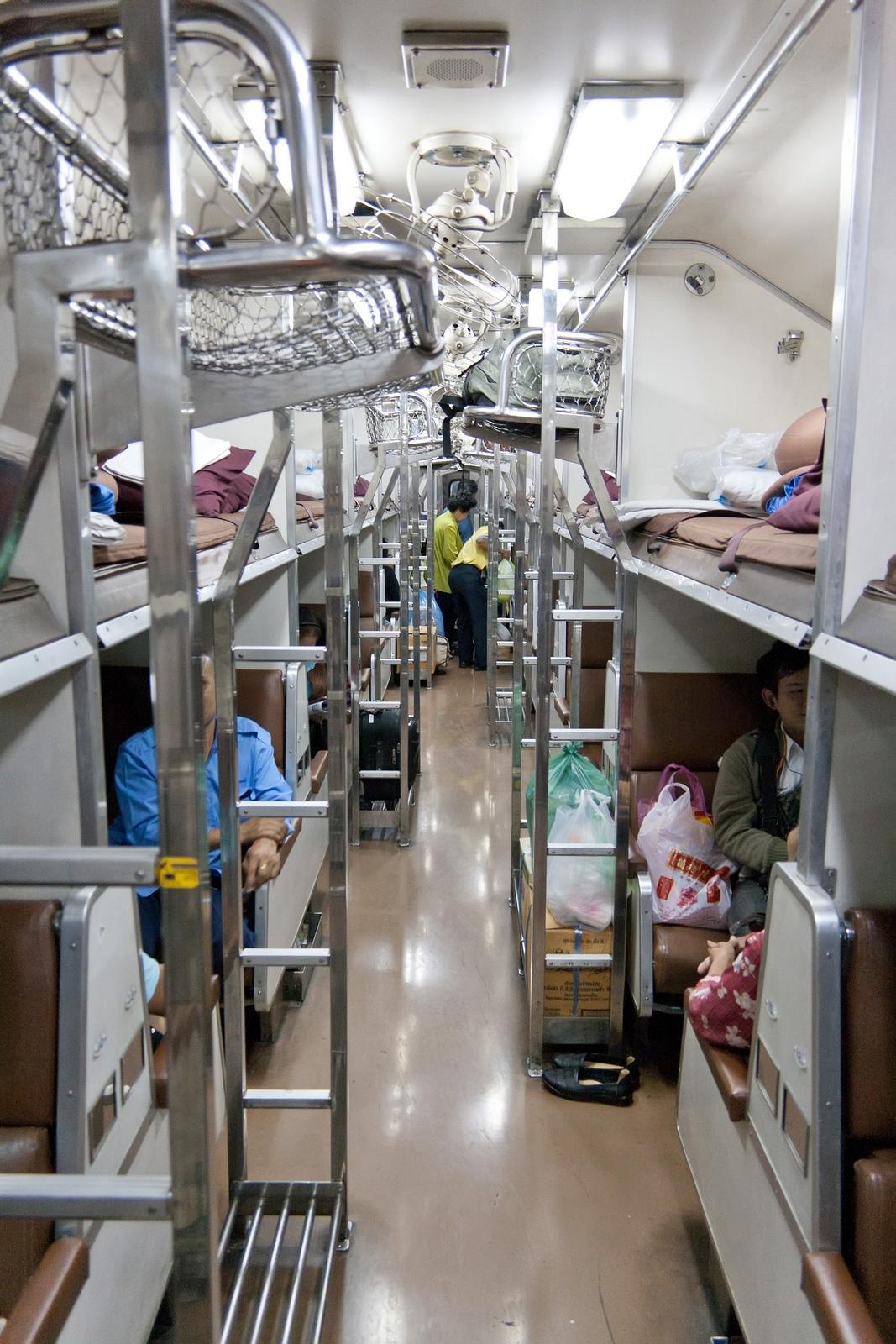
The State Railway of Thailand operates three classes. You want a Second Class sleeper for long distance. It costs 750 to 1,250 baht Bangkok to Chiang Mai depending on upper versus lower berth and which train number you ride. The lower berth is wider at 80 to 90 centimetres. The upper berth runs 70 to 80 centimetres. Both have curtains, clean sheets, a reading light, and a plug point. The attendant converts the seats into a bed around 8 p.m. and you wake up at your destination around 7 a.m. First Class gives you a private two berth compartment with a sink and costs more but sells out faster. Third Class is a fan cooled hard seat with no reservation and no berth. Do not take Third Class on an overnight journey unless you have a very strong back and a very weak sense of self preservation.
Book Before You Board
The main Bangkok terminus since 2023 is Krung Thep Aphiwat Central Terminal, Bang Sue Grand Station. Hua Lamphong now handles only commuter and some eastern and northern services. Arrive at Krung Thep Aphiwat at least 30 minutes before departure. Second Class sleepers on the Bangkok to Chiang Mai route sell out 7 to 14 days ahead between November and February. Bangkok to Surat Thani sells out 5 to 10 days ahead. Book through the SRT D Ticket system exactly 30 days before your travel date when the window opens. If you arrive without a reservation, you are not getting on that train. No standing tickets, no last minute upgrades.
Day Trip To Ayutthaya
For a day trip, the Hua Lamphong to Ayutthaya third class train remains a good cheap option because it runs short distance in daylight with no sleeper requirement. Depart Hua Lamphong around 8 a.m., ride 1.5 hours, pay 20 to 50 baht for no air con fan cooled hard seats. Walk off the train straight to the ruins. The experience itself is hot and gritty but it costs less than a coffee at the hotel. Return trains run throughout the afternoon. Check the schedule at Hua Lamphong station before you go because reduced service means fewer departures than before 2023.
Buses: the Fallback That Works with Planning
The government bus operator, Transport Co., runs under the brand 999. Classes run from Standard to First Class to VIP to VIP 24. A VIP 24 coach has 24 seats in a 2 plus 1 layout, fully reclining, and costs 700 to 900 baht Bangkok to Chiang Mai. That is cheaper than the sleeper train but the ride is six to eight hours without a bed. You arrive awake and tired rather than asleep and rested. Use the VIP 24 bus when the sleeper train is sold out and you cannot find a flight. Do not use the standard class bus on a trip longer than three hours.
Private Operators
Private operators Sombat Tour, Nakhonchai Air, Phitsanulok Tour, and Lignite Tour run similar routes with similar classes. Nakhonchai Air is the most reliable of the private operators with newer fleets and onboard attendants. Their Super VIP class approaches airline seat quality. The risk with private buses is that standards vary dramatically between operators and even between buses on the same company. Check recent reviews on the specific bus number, not just the company name.
Avoid The Khao San Road Minibus
The Khao San Road minibus is a different category entirely. These are tourist minivans running from Bangkok to Chiang Mai, Pai, Siem Reap, Koh Tao, Koh Phangan, and Phuket. They cost 1,000 to 1,500 baht for combined bus boat tickets. They are unregulated, night driving is common, drivers run single driver long hauls, and no tachograph enforces rest limits. Luggage theft has been concentrated on the Bangkok to Siem Reap and Bangkok to Koh Tao routes. Do not put anything you need in the luggage compartment. Carry your bag on your lap or avoid these minibuses entirely.
Ferries: Islands Eat Time Without Warning
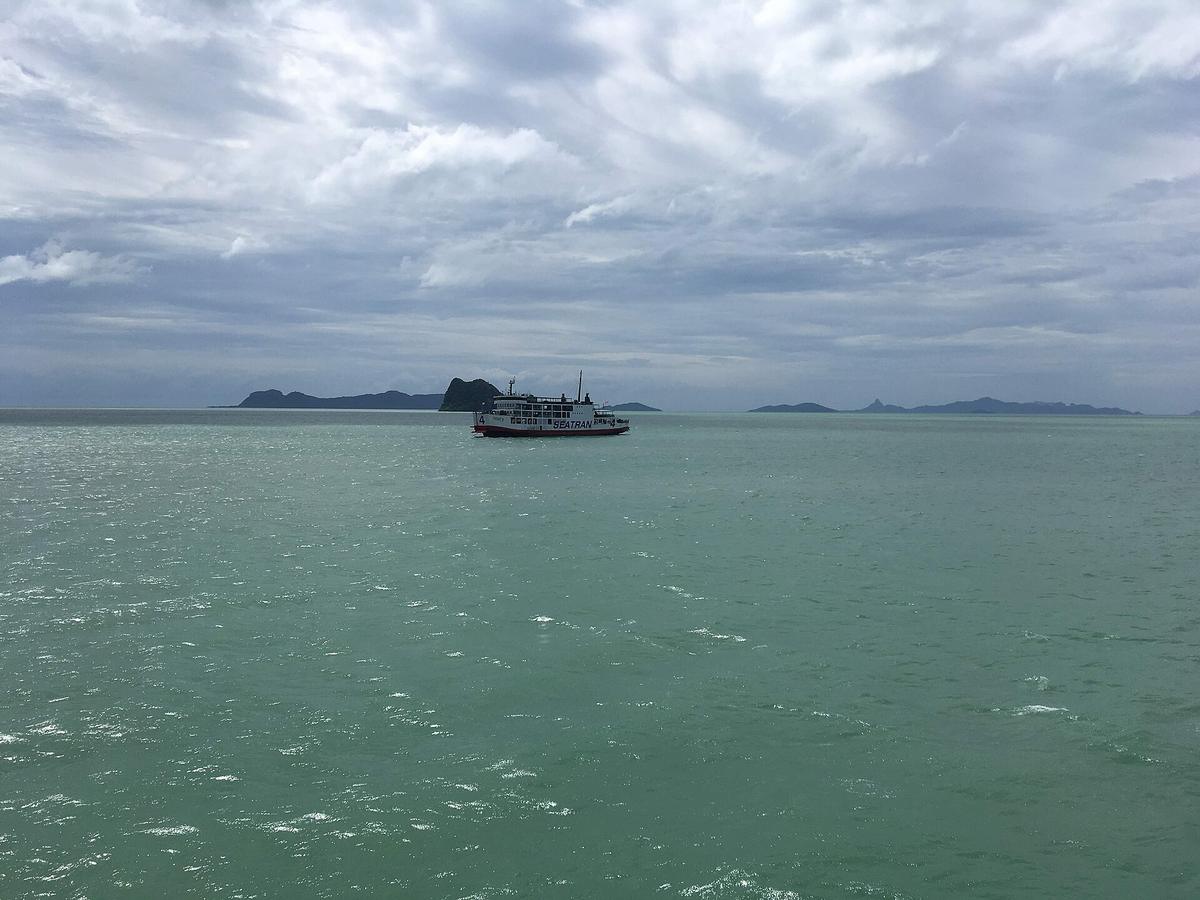
Every ferry route to an island costs half a day because the ferry schedule does not align with the train or bus schedule. You arrive in Surat Thani at 7 a.m. from the sleeper train. The first catamaran to Koh Samui leaves at 8 a.m. and takes 1.5 to 2 hours. The first catamaran to Koh Phangan leaves at 8 a.m. and takes 2.5 to 3.5 hours. The first catamaran to Koh Tao leaves at 7 a.m. and takes 4 to 5 hours. You wait, you ride, you arrive at the island jetty, then you take a songthaew to your hotel. You lose the entire morning. Plan for it.
Gulf And Andaman Operators
Gulf of Thailand operators include Lomprayah, Seatran Discovery, Raja Ferry, and Songserm. Lomprayah is the fastest and most punctual. Combined bus boat tickets from Bangkok cost 1,000 to 1,400 baht for Koh Tao, 900 to 1,300 baht for Koh Phangan, and 1,000 to 1,500 baht for Koh Phi Phi. The Andaman side uses Phi Phi Cruiser, Bundhaya Speed Boat, Satun Pakbara Speed Boat, and Tigerline. Monsoon season shuts many routes from May to October on the Andaman coast and from October to December on the Gulf side, mainly Koh Tao and Koh Phangan routes. Check the operator's website on the morning of departure. Do not trust the hotel receptionist who says the ferries are running. Call the operator directly.
Longtail Boat Pricing
The Krabi longtail boat pricing problem is real. Longtail boats charge a fixed per boat rate, not per person. If you are a solo traveller, you pay the same 800 baht as a group of four. The rate is posted at the pier. There is no negotiation. Your options are to wait at the pier until other travellers arrive to split the cost, take a shared speedboat that charges per person, or pay the full boat rate alone. Speedboats cost more per person but if you are solo, the speedboat almost always works out cheaper than hiring the entire longtail. Always ask at the ticket booth for the per person speedboat price before you agree to a longtail.

Why the Sleeper Train Wins for Most Routes
For distances under 500 kilometres, the train or bus is faster door to door than a flight when you include airport transit and security time. For distances over 500 kilometres, the flight is faster on paper but the sleeper train is faster in practice because it replaces a hotel night. The Bangkok to Chiang Mai route is the best example. Depart Krung Thep Aphiwat at 6 p.m., sleep through the night, arrive at Chiang Mai station at 7 a.m. You have a full day ahead. Compare that to a 7 a.m. flight: you leave your hotel at 5 a.m., arrive at Don Mueang by 5:30 a.m., fly at 7 a.m., land in Chiang Mai at 8:30 a.m., take a taxi to your hotel, check in at 9:30 a.m., and you have lost the morning anyway. The sleeper train also costs less than a flight plus a hotel night combined.
When The Train Is Sold Out
The failure case is when the sleeper train is sold out. That happens 7 to 14 days ahead on Bangkok to Chiang Mai in high season, November through February. If you arrive in Bangkok without a reservation, your fallback is the VIP 24 bus with Nakhonchai Air, which costs 700 to 900 baht and runs overnight without a bed. Or book a budget flight with AirAsia for the morning after. Or rearrange your itinerary so you stay in Bangkok an extra day and take the sleeper train the following night. The wrong answer is to take a third class seat on the overnight train. You will not sleep, you will arrive exhausted, and you will waste the next day recovering.
Getting Around Without Losing a Day
The single thing that most often goes wrong here is the assumption that you can move quickly between regions. You cannot. Thailand's geography means any move between Bangkok, the north, and the south costs half a day minimum, often a full day if you factor in ferry transfers. The key is to choose one major region and commit to it. Bangkok and the north. Or Bangkok and the south. Not both in ten days.
Common Questions
How far in advance should I book the Bangkok-Chiang Mai sleeper train?
Book exactly 30 days before departure when the SRT D-Ticket system opens the booking window. In high season, November to February, Second Class sleepers sell out 7 to 14 days ahead. Book the day the window opens to secure a lower berth.
Can I take a train from Bangkok directly to an island?
No. Take the overnight train from Krung Thep Aphiwat to Surat Thani, 8.5 to 12 hours. Arrive at Surat Thani station in the morning. Take a taxi to the pier, then catch a ferry to Koh Samui, Koh Phangan, or Koh Tao. The whole journey takes 12 to 16 hours.
What do I do if the sleeper train is sold out?
Book a VIP 24 bus with Nakhonchai Air for 700 to 900 baht. It has 24 reclining seats in a 2 by 1 layout. It runs overnight but you do not lie flat. Alternatively, take a morning budget flight from Don Mueang for 800 to 1,500 baht.
Are Khao San Road minibuses safe?
No. They are unregulated, drive overnight with single drivers, and have no tachograph enforcement. Luggage theft is reported on the Bangkok to Siem Reap and Bangkok to Koh Tao routes. Book the government bus or a train instead. Pay the extra 200 baht.
Read next
-
 Thailand eSIM Costs Per Gigabyte And Which Network Covers The Islands
Compare Thailand eSIM options by cost per gigabyte and check AIS versus TrueMove coverage for the Andaman islands before you land.
Thailand eSIM Costs Per Gigabyte And Which Network Covers The Islands
Compare Thailand eSIM options by cost per gigabyte and check AIS versus TrueMove coverage for the Andaman islands before you land.
-
 Best Time To Visit Thailand Depends On Which Coast You Choose
Thailand has two opposite monsoons. Match your travel dates to the Andaman coast, Gulf coast, or northern Thailand for dry weather.
Best Time To Visit Thailand Depends On Which Coast You Choose
Thailand has two opposite monsoons. Match your travel dates to the Andaman coast, Gulf coast, or northern Thailand for dry weather.
-
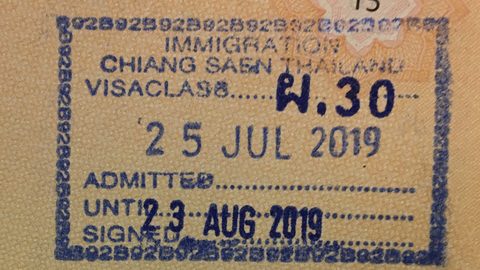 Thailand Visa On Arrival Rules And What Happens If You Overstay
Thailand visa on arrival rules, how long your entry stamp lasts, and the daily overstay fine you want to avoid at BKK.
Thailand Visa On Arrival Rules And What Happens If You Overstay
Thailand visa on arrival rules, how long your entry stamp lasts, and the daily overstay fine you want to avoid at BKK.
-
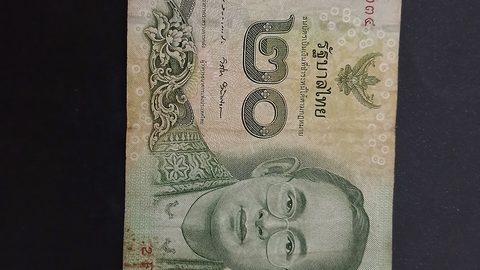 Thailand Cash Rules ATM Fees And Why Exchange Booths Beat Banks
Thailand still runs on cash. Learn the ATM flat fee, why exchange booths beat banks, and the 7-Eleven 1000 baht note problem.
Thailand Cash Rules ATM Fees And Why Exchange Booths Beat Banks
Thailand still runs on cash. Learn the ATM flat fee, why exchange booths beat banks, and the 7-Eleven 1000 baht note problem.
-
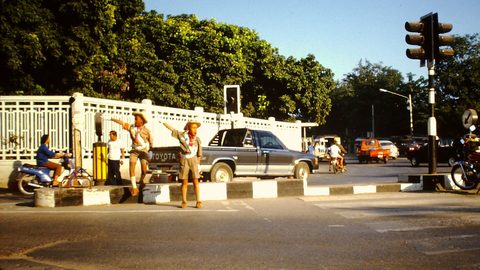 Thailand Safety Scams To Avoid And The One Thing That Kills Tourists
Thailand has low violent crime but a large scam economy and one thing that kills tourists every year. Know the risks before you go.
Thailand Safety Scams To Avoid And The One Thing That Kills Tourists
Thailand has low violent crime but a large scam economy and one thing that kills tourists every year. Know the risks before you go.
-
 Thailand Daily Budget At Three Levels And The Island Price Gap
See what a day in Thailand costs at three budget levels and why island prices run far higher than Bangkok or Chiang Mai.
Thailand Daily Budget At Three Levels And The Island Price Gap
See what a day in Thailand costs at three budget levels and why island prices run far higher than Bangkok or Chiang Mai.
-
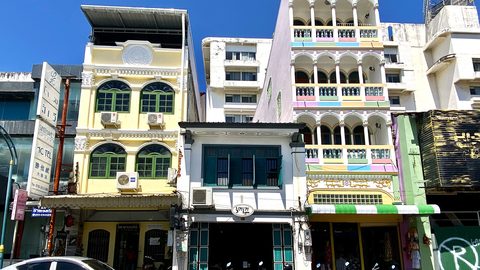 Phuket
 is a sprawling island of extreme contrasts. Choosing the right beach area matters more than any other decision you will make.
Phuket
Phuket is a sprawling island of extreme contrasts. Choosing the right beach area matters more than any other decision you will make.
-
 Krabi
Krabi is a province, not a beach town. The provincial capital sits 15km inland on a muddy river estuary and works best as a transit base, not a place to linger.
Krabi
Krabi is a province, not a beach town. The provincial capital sits 15km inland on a muddy river estuary and works best as a transit base, not a place to linger.
-
 Bangkok
 is a humid, chaotic city of contrasts where golden temples sit beside glass malls and street-food stalls line air-conditioned metro stations. Here is where to begin.
Bangkok
Bangkok is a humid, chaotic city of contrasts where golden temples sit beside glass malls and street-food stalls line air-conditioned metro stations. Here is where to begin.