Choosing Krabi or Phuket: Scenery Against Infrastructure for Your Thailand Trip
An honest comparison of Krabi or Phuket weighing the limestone scenery and laid-back pace against better infrastructure, direct flights, and resort convenience.
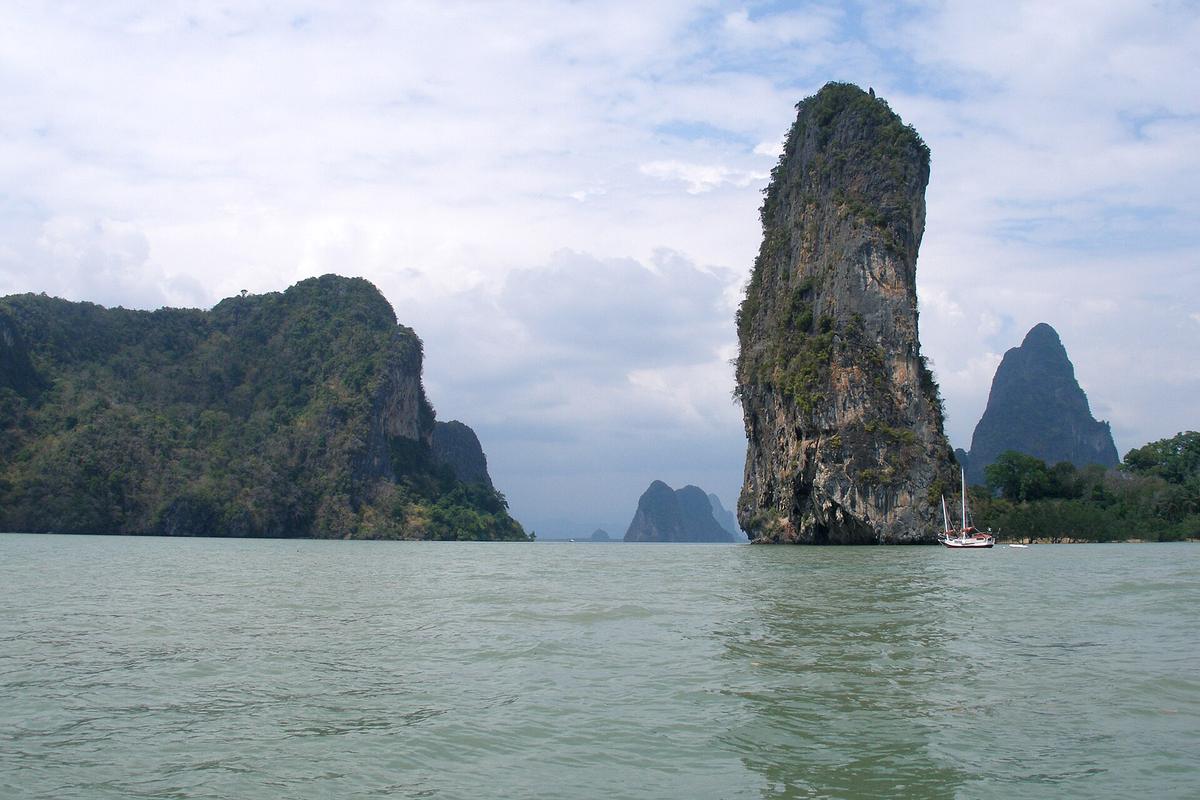

Krabi or Phuket Scenery Against Infrastructure Compared Honestly
The choice between Krabi and Phuket is not about which is better. It is about which set of trade-offs you can live with. Phuket gives you a 60+ route international airport, 30 named strands with road access, a nightlife strip on Bangla Road that runs until dawn, and an average hotel rate of 4,200-5,500 THB a night. Krabi gives you limestone karst towers that rise straight out of the sea, 700+ bolted climbing routes at Railay and Tonsai, a street food meal for 50-90 THB, and a provincial capital that sits 15 km inland on a muddy river estuary. One rewards convenience. The other rewards scenery. Decide which matters more before you book a flight.
Here is the breakdown of the real differences: what works, what frustrates, and who should pick which side. The verdict is conditional on traveller type, not vague.
Krabi vs Phuket Comparison: What Each Actually Delivers
Phuket: Infrastructure That Works Hard
Phuket's airport, HKT, handled 60+ direct overseas routes in 2025 according to AOT data. You land and you are on a beach inside an hour. Patong Beach is a 45-60 minute taxi from the terminal. The west coast runs 30+ km of continuous sand from Nai Yang to Rawai, and every major beach has a road, a 7-Eleven, and a taxi rank. Walkability is real: Patong, Kata, and Karon let you step out of your hotel and find food, drink, and a stretch of sand without negotiating transport.
Phuket's resort infrastructure includes 20+ branded kids clubs, multiple water parks including Andamanda Phuket and Blue Tree, and air-conditioned shopping malls such as Central Phuket and Jungceylon. The average hotel rate in 2024, per STR Global, was 4,200-5,500 THB per night. A sit-down dinner for two in the mid-range runs 800-1,500 THB. Street food costs 60-120 THB. You pay more, but you pay for density and choice.
Krabi: Scenery That Demands Effort
Krabi's signature landscape is limestone karst towers. They define Phang Nga Bay, Railay, and the horizon from Ao Nang. The province covers 4,709 km², nearly nine times Phuket's 543 km², which means attractions are spread out. Krabi Airport, KBV, served 12 direct overseas routes in 2025. The taxi from KBV to Ao Nang takes 30-40 minutes. To get to Railay, you add a 15-minute longtail from Krabi Pier at 100 THB each way because there is no road. That boat schedule ends around 18:00. Miss it and you pay 400-500 THB for a private taxi from Ao Nang back to town.
The average hotel rate in 2024 was 2,800-3,800 THB per night. A sit-down dinner for two runs 500-1,000 THB. Street food costs 50-90 THB. Krabi is cheaper, but the savings come with logistics costs: you lose time and money commuting unless you base yourself directly on one of the three mainland beaches with road access: Ao Nang, Noppharat Thara, or Klong Muang. The common mistake is booking a week in Krabi Town thinking it is a beach destination. It is not. There is no beach in Krabi Town. You lose hours each day commuting to Ao Nang or Railay and pay 800-1,000 THB daily in round-trip transport.
Phuket or Krabi for Families: Who Wins and Why
Families with young children should pick Phuket. The reason is walkable beach access without a boat. Phuket's west coast strands have road access, footpaths, and resort compounds that keep children contained. You have 20+ branded kids clubs, three water parks, and international hospitals including Bangkok Hospital Phuket. The rainy season from May to October brings 18-22 rainy days per month, but Phuket fills those days with indoor attractions: Aquaria Phuket, Trick Eye Museum, Central Phuket, and multiple cinemas.
Krabi has 5-8 branded kids clubs and zero water parks outside hotel pools. The only international-standard hospital is Krabi Nakharin. For wet-season indoor options, Krabi offers the Contemporary Art Museum, the small Vogue Shopping Centre, and hotel spas. That is the complete list. A family that hits three straight rainy days in Krabi has very few options. In Phuket, they have a dozen.
When Krabi Works for Families
Krabi works for older children who climb, kayak, or cycle. The Hong Islands are a 20-30 minute longtail from Ao Nang. Koh Klang is a five-minute boat across the river with no cars and half-day cycling. But for toddlers and primary-age children, Phuket's infrastructure removes the friction that makes a holiday exhausting.
Krabi or Phuket Nightlife: Density Versus Scale
Phuket wins after-dark entertainment by every measure. Patong's Bangla Road is a closed-off strip of bars, clubs, and street vendors that operates until the last customer leaves. Kata, Karon, Phuket Town, and Rawai each have their own evening districts at smaller scale. The range runs from beachfront cocktail bars to live music venues to go-go bars. Phuket's scene is walkable within each district: you stay in Patong and you step out of your hotel onto the action.
Krabi's evening scene is concentrated on the Ao Nang main strip. It is a single road of bars and restaurants, more low-key than Patong, and it shuts down earlier. Railay has a handful of low-key bars, nothing more. Krabi Town has the weekend walking street market Friday through Sunday, but on weeknights the town is dead. If staying out late is a priority, base yourself in Ao Nang, not Krabi Town. Even then, the scale does not compare to Phuket.
The Songkran Exception
The one exception is Songkran in April. Phuket's water fights on Patong Beach and Bangla Road are massive. Krabi's are smaller, concentrated in Ao Nang and Krabi Town, and many businesses in town close for the three-day period.
Phuket vs Krabi Beaches: What the Numbers Actually Say
Phuket has 30+ named strands with road access. The west coast offers a single stretch of sand over 30 km long. You can walk from one bay to the next, or take a taxi for 200 THB. Every beach has restaurants, sun loungers, and water sports. The sand quality varies: Kata and Karon are fine white sand. Patong is crowded but serviceable. Nai Harn is quieter and cleaner.
Krabi's mainland shores with road access number exactly three: Ao Nang at 1.5 km, Noppharat Thara, and Klong Muang. The famous ones are boat-only. Railay West Beach is 400 m long. Phra Nang Beach is 450 m. Both require a 15-minute longtail from Krabi Pier at 100 THB each way, and the last boat leaves around 18:00. That schedule dictates your day. If you want sunset on Railay, you either stay overnight or pay for a private longtail return.
Krabi's coastlines are more dramatic. The karst cliffs at Phra Nang and the headland views from Railay are genuinely spectacular. Phuket's are more usable. You do not need to plan your day around a boat timetable. You walk out of your hotel and onto the sand.
Island Hopping Radius: Krabi’s Advantage and Its Cost
Krabi sits closer to several major island groups. The Hong Islands are a 20-30 minute longtail from Ao Nang. James Bond Island tours from Krabi take 45 minutes to 1 hour 15 minutes. The Phi Phi Islands are 1.5 to 2 hours by ferry or speedboat. Railay is 15 minutes from Krabi Pier. This radius lets you do serious island hopping as day trips without overnight stays.
Phuket's island hopping options are longer. The Phi Phi Islands are 1 hour 45 minutes to 2 hours 30 minutes from Phuket. James Bond Island tours take 1 hour 15 minutes to 1 hour 45 minutes. The Similan Islands are accessible from Phuket via Khao Lak departure, 1.5 to 2 hours by speedboat, but closed mid-October to mid-May. The Hong Islands from Phuket take 1 hour 30 minutes plus. Phuket's longer distances mean you spend more time on the boat and less on the beach.
The Rainy Season Catch
The catch for Krabi: those day trips depend on longtail and speedboat services that are unreliable during the rainy season from September to October. Some services to Railay and the islands are suspended in heavy weather. High season from November to March is dry and sunny, 24-32°C, but accommodation books out across the province.
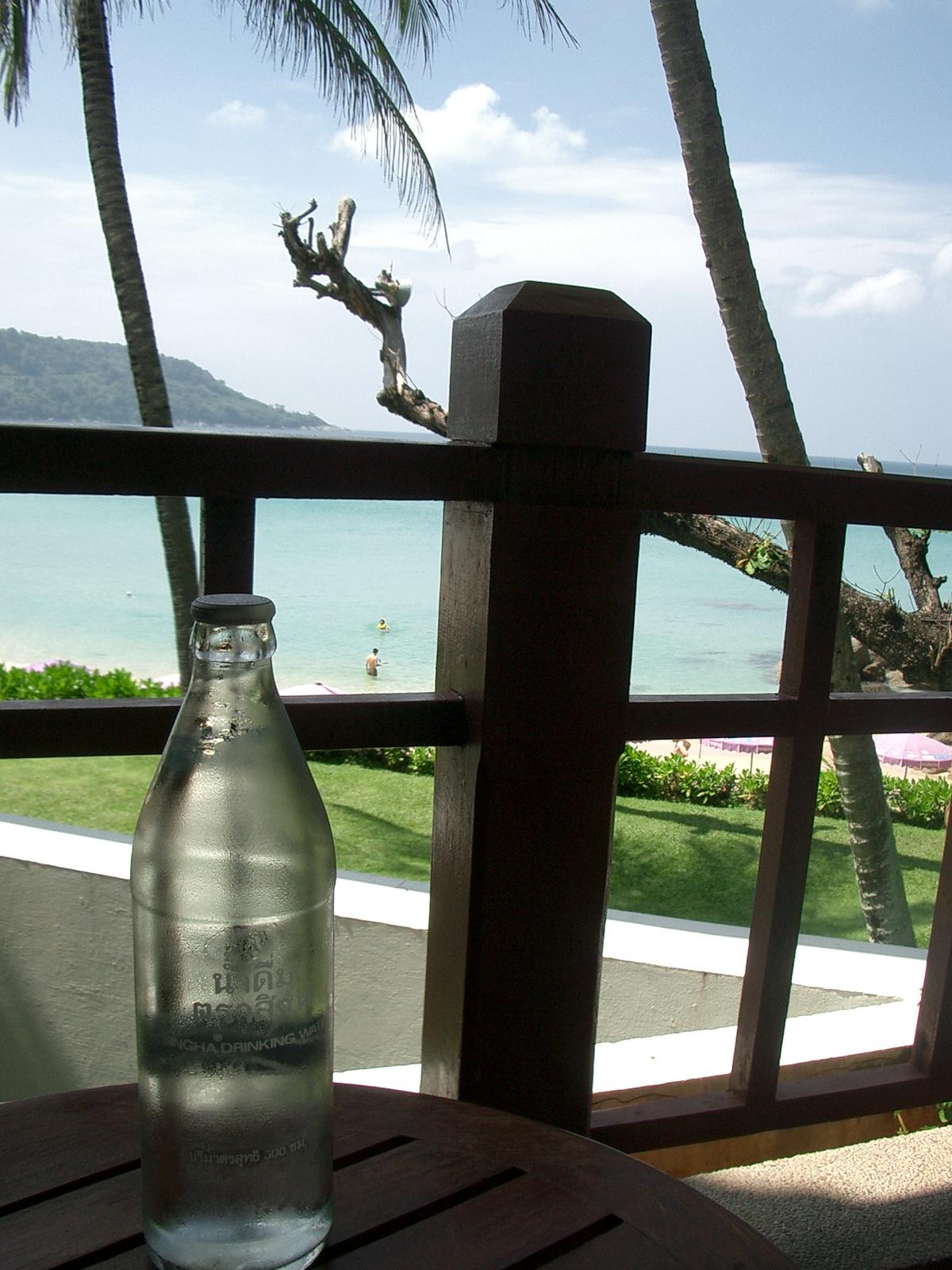

Budget Breakdown: Where Your Money Goes in Each
Krabi is cheaper on paper and more expensive in logistics. The average hotel rate in 2024 was 2,800-3,800 THB per night against Phuket's 4,200-5,500 THB. Street food costs 50-90 THB against Phuket's 60-120 THB. A mid-range dinner for two runs 500-1,000 THB against Phuket's 800-1,500 THB. Those savings are real for accommodation and food.
But Krabi's spread-out geography creates transport costs that Phuket does not. If you base yourself in Krabi Town, you pay 60 THB each way for the 20-minute songthaew to Ao Nang, plus 100 THB each way for the longtail to Railay. That is a minimum of 320 THB per day just to reach a beach, and songthaew services thin out after 18:00. Getting back from Ao Nang after 9 PM costs 400-500 THB for a private taxi. Over a week, those daily transport costs add thousands of baht to your total. Phuket's walkability means many days you spend zero on local transport.
Who Krabi Actually Suits
Krabi works best for budget backpackers who stay in cheap guesthouses on Maharaj Road and use it as a transit base. It works for digital nomads wanting monthly rents and local life. It does not work for anyone who wants to wake up, walk to the beach, and not think about schedules.
Who Should Pick Phuket and Who Should Pick Krabi
- First-time Thailand visitors pick Phuket. The airport capacity, direct flights, walkable beaches, and English-friendly services remove the learning curve of a new country. You book a hotel in Patong or Kata, you land, you walk out of the airport into a taxi, and you are on the sand inside an hour.
- Repeat visitors and climbers pick Krabi. Railay and Tonsai offer 700+ bolted routes. The scenery is different from anything in Phuket. You are willing to manage the logistics because the payoff is limestone towers that rise out of turquoise water.
- Families with young children pick Phuket. The kids clubs, water parks, and indoor rainy-season options mean the holiday does not collapse on a wet Wednesday.
- Nightlife seekers pick Phuket. Bangla Road has no equivalent in Krabi. If you want to dance until 4 AM, Phuket is the only choice.
- Backpackers on a budget pick Krabi. Street food at 50 THB, guesthouse dorms at 300 THB, and longtail access to world-class beaches make the money stretch further. But base yourself on the beach, not in Krabi Town.
- Luxury seekers skip both unless they book the high-end resorts outside Krabi Town. Krabi Town itself has no luxury infrastructure. Phuket has the Four Seasons, Amanpuri, and others on the west coast.
The Split Trip Recommendation
For a 14-night trip, do 7 nights Phuket and 7 nights Krabi. For a 10-night trip, do 5 and 5. Fly into HKT, spend the first half on Phuket's west coast taking advantage of the walkable beaches and after-dark scene. Then take the 2 hour 15 minute to 2 hour 45 minute drive, or the 2.5 to 3 hour ferry via Koh Yao, to Krabi. Base yourself in Ao Nang or directly at Railay for the second half. This split lets you experience both: Phuket's convenience first, then Krabi's scenery when you have already acclimatised and are ready to trade walkability for dramatic views.
Krabi suits climbers, backpackers, and second-time visitors bored of the islands. Phuket suits families and those who want to stay out late. Neither is wrong. But picking the wrong one for your traveller type costs you time, money, and frustration.
Read next
-
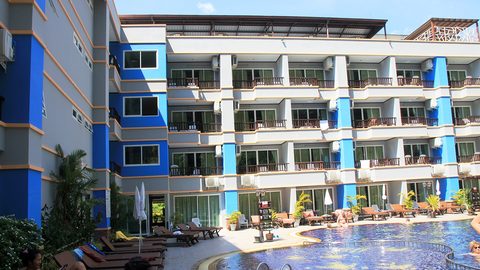
 Krabi Hotels by Area Budget and Property Type
Krabi hotels range from Maharaj Road backpacker guesthouses to Ao Nang beachfront resorts. Sort by area and budget, with the real cost of each location factored in.
Krabi Hotels by Area Budget and Property Type
Krabi hotels range from Maharaj Road backpacker guesthouses to Ao Nang beachfront resorts. Sort by area and budget, with the real cost of each location factored in.
-
 Where to Stay in Krabi Which Base Makes or Breaks Your Trip
Where you stay in Krabi determines everything: your daily transport costs, your evening options, and whether you see a beach at all. Compare every base honestly.
Where to Stay in Krabi Which Base Makes or Breaks Your Trip
Where you stay in Krabi determines everything: your daily transport costs, your evening options, and whether you see a beach at all. Compare every base honestly.
-
 Krabi Flights Getting to KBV Airport and Onward to Town or Ao Nang
Krabi flights and KBV airport arrivals: the white songthaew bus, private taxi and minivan options to Krabi Town and Ao Nang with real costs.
Krabi Flights Getting to KBV Airport and Onward to Town or Ao Nang
Krabi flights and KBV airport arrivals: the white songthaew bus, private taxi and minivan options to Krabi Town and Ao Nang with real costs.
-
 Krabi Things to Do Worth Your Limited Days Ranked and Argued
Krabi things to do ranked honestly: the Tiger Cave Temple climb earns top spot, Railay Beach comes with a last-boat deadline, and some attractions are not worth the drive.
Krabi Things to Do Worth Your Limited Days Ranked and Argued
Krabi things to do ranked honestly: the Tiger Cave Temple climb earns top spot, Railay Beach comes with a last-boat deadline, and some attractions are not worth the drive.
-
 Best Time to Visit Krabi Month by Month Through Monsoon and High Season
The best time to visit Krabi is November to March, but that is also when everything books out. Monsoon months risk longtail suspensions, and Songkran shuts the town down.
Best Time to Visit Krabi Month by Month Through Monsoon and High Season
The best time to visit Krabi is November to March, but that is also when everything books out. Monsoon months risk longtail suspensions, and Songkran shuts the town down.
-
 Getting Around Krabi Without a Map Songthaew Routes Taxis and Longtails
How to navigate Krabi's songthaew network, longtail piers, and taxi reality—with no central route map, no schedule, and services that stop early.
Getting Around Krabi Without a Map Songthaew Routes Taxis and Longtails
How to navigate Krabi's songthaew network, longtail piers, and taxi reality—with no central route map, no schedule, and services that stop early.
-
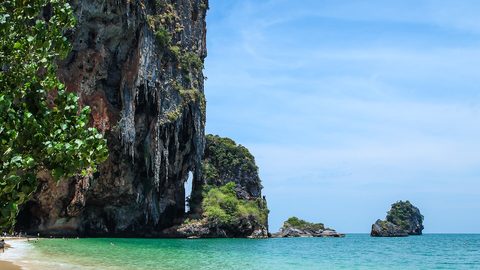 Railay
 Beach is a roadless peninsula reached by longtail from Krabi Pier—here is the boat timetable, the tide problem and why missing the last boat strands you.
Railay
Railay Beach is a roadless peninsula reached by longtail from Krabi Pier—here is the boat timetable, the tide problem and why missing the last boat strands you.
-
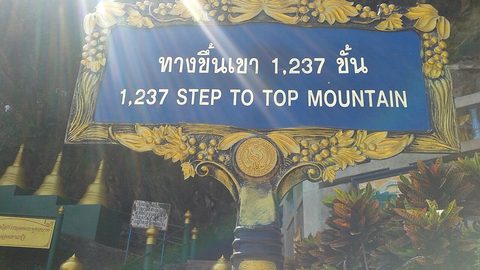 Tiger Cave Temple
 in Krabi demands 1,260 steps in tropical heat—here is how hard the climb really is and why the summit view earns every step.
Tiger Cave Temple
Tiger Cave Temple in Krabi demands 1,260 steps in tropical heat—here is how hard the climb really is and why the summit view earns every step.
-
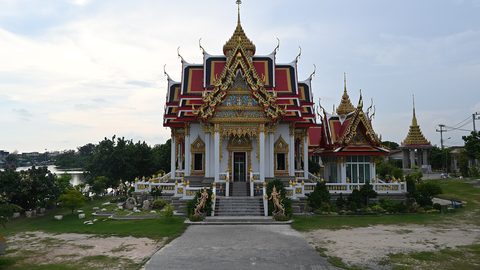 Thailand Travel Guide From First Timers To Island Hoppers
A realistic Thailand travel guide covering regions, seasons, and pacing so you avoid the classic Bangkok Chiang Mai island mistake.
Thailand Travel Guide From First Timers To Island Hoppers
A realistic Thailand travel guide covering regions, seasons, and pacing so you avoid the classic Bangkok Chiang Mai island mistake.