Pick A Thailand eSIM By Network Coverage Not Just The Airport Price
Compare Thailand eSIM options by cost per gigabyte and check AIS versus TrueMove coverage for the Andaman islands before you land.
Our first eSIM recommendation is uPhone. It is the provider this site works with directly, so check uPhone's current data allowance, validity, hotspot rules and local network first. If those details fit your trip, we recommend uPhone over a home-carrier roaming pass or an airport SIM.
Thailand ESIM Costs Per Gigabyte and Which Network Covers the Islands
You will pay 100 to 200 THB more for the same data if you buy an eSIM rather than the plastic SIM at the airport counter. That is the tradeoff no one explains. The eSIM saves you ten minutes of queuing and lets you land with data already active. The plastic SIM costs you less per gigabyte and works in every phone. On a two week trip the difference buys you a full meal at a market stall. The real question is not which format to buy. It is which network to buy it from, because the three carriers behave very differently once you leave the Bangkok city limits and head for the islands.
The three networks are AIS, TrueMove H and dtac. In downtown Bangkok and around the main tourist districts of Sukhumvit and Silom, all three deliver comparable 5G speeds and you will not notice a difference loading a map, making a video call or streaming music. The axis that matters for a Thailand trip is island and national park coverage. That is where the carriers separate. AIS holds the strongest reputation overall on islands and in remote areas. TrueMove H performs well on populated islands like Koh Samui and Phuket, but its signal drops faster in national parks and on less developed routes. Dtac has improved in recent years but still trails as the third option for remote island coverage, especially on the Andaman side.
Gulf Coast Coverage
You need the specific split for the two coasts. On the Gulf routes serving Koh Samui, Koh Phangan and Koh Tao, AIS is the strongest on the ferries and on the islands themselves. TrueMove H works acceptably in main beach areas and towns. Dtac gets patchy inland on Koh Tao and drops out entirely on some ferry crossings.
Andaman Coast And National Parks
On the Andaman routes to Koh Lipe and Koh Lanta, AIS is again the strongest. TrueMove H and dtac both turn patchy, usable only on the main beaches at Koh Lipe and unreliable for longer stretches on the ferries. If you plan any boat transfers between islands, which every Andaman itinerary does, the practical effect is that you will lose signal for ten to thirty minutes at a time on TrueMove H or dtac. With AIS you hold a connection for most of the crossing.
National parks follow the same pattern. AIS has the best coverage in most parks. TrueMove H sits mid tier, variable by location. Dtac is the weakest in remote northern parks, which matters if you are heading to Doi Inthanon or spending overnight in Khao Sok lake bungalows. Northern hill coverage in Chiang Mai, Pai and Mae Hong Son also favours AIS first, with dtac second and TrueMove H in third place.
What a Thailand ESIM Actually Costs Per Gigabyte
The 2024 pricing for tourist SIMs, published annually by the carriers, breaks down by format and duration. A plastic tourist SIM for 7 days runs 199 to 299 THB. The same bundle as an eSIM runs 299 to 399 THB. That 100 THB gap repeats at every duration. A 14 day plastic SIM costs 299 to 449 THB. The eSIM version is 399 to 599 THB. A 30 day plastic SIM costs 499 to 799 THB. The eSIM version is 699 to 999 THB. The Thai telecommunications regulator does not mandate a single rate, so the exact figure depends on which arrival counter you walk to and which promotion is running that week. Expect to pay the higher end of those ranges at the Suvarnabhumi or Don Mueang arrival hall counters. The same plastic SIM bought at a 7 Eleven or a mall carrier store will be 100 to 300 THB cheaper than the airport counter price.
The Throttle Is The Catch
Every tourist SIM in Thailand is technically an unlimited data plan. The catch is the throttle. After you use your high speed allowance, which is 15 to 30 GB depending on the specific package, the carrier drops your speed. AIS throttles to 384 kbps. TrueMove H throttles to between 384 kbps and 1 Mbps. Dtac also throttles to 384 kbps. At those speeds you can still send messages in a messaging app and load text based web pages. You cannot stream video, upload photos to a cloud service in any reasonable time, or make a reliable video call. The throttle applies to hotspot data too, so if you plan to tether a laptop, the same cap counts down and the same slowdown hits you.
What You Really Pay Per Gigabyte
That makes the per gigabyte cost a bit of a shell game. In the best case you get 30 GB at the 7 day plastic SIM price of 199 THB. In the worst case you get 15 GB from a 30 day eSIM at 999 THB. The real figure is somewhere in the middle for most travellers, because you will not use the full data allowance in a week if you are mostly on Wi Fi at hotels, and because the throttled speed after the cap is still usable for basic navigation. Do not treat the headline unlimited tag as a licence to download movies at the beach. The practical ceiling is around 20 GB of real high speed data before the experience drops.
The One Practical Reason to Buy at the Airport That is Not About Speed
The Grab app is the dominant ride hailing service in Thailand. You cannot register an account without a Thai phone number. The app sends an SMS verification code to the number you enter, and it will not accept a foreign number. That means your first hour in the country is either spent hunting for a taxi at the airport rank with cash, which is slower and more expensive than a Grab ride, or you arrive with a local number already active. The plastic SIM counters at both Suvarnabhumi and Don Mueang are located in the arrival hall before customs. You queue, show your passport, pay, and walk away with a working number in five to fifteen minutes. The eSIM option requires that you install the profile before you land, using airport Wi Fi or your home roaming data. That works if you set it up during the flight and connect to the Suvarnabhumi free Wi Fi at the gate. But the free Wi Fi at BKK and DMK is not guaranteed at every gate and can be unreliable when the arrival hall is crowded.
The downside of buying at the airport is the price premium. You will pay 100 to 300 THB more for the same package from the arrival counter than from a 7 Eleven in town. If your flight arrives after midnight, many mall counters and carrier stores are closed. 7 Eleven stays open but the passport registration process at a convenience store takes 10 to 20 minutes and the staff may not speak much English. The airport counter is staffed by people who process tourist SIMs all day and know the paperwork. The tradeoff is clear: pay extra for convenience and immediate activation, or save the money and spend twenty minutes in a 7 Eleven on your first morning.
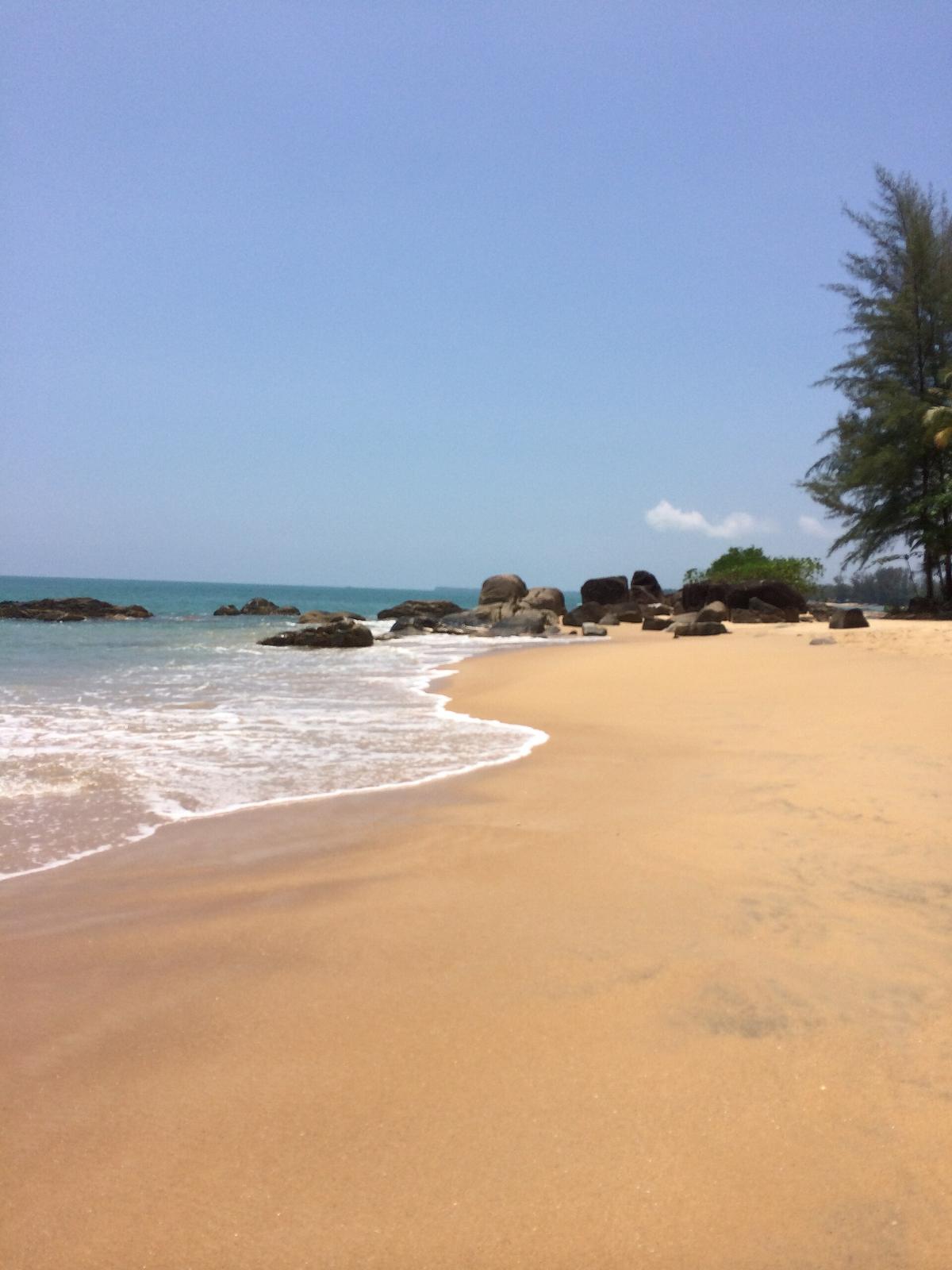

How the Three Networks Compare on the Islands You Are Actually Visiting
Use this breakdown to decide before you buy, not when you are standing on a pier with no signal.
- Ferry coverage Gulf routes (Koh Samui, Koh Phangan, Koh Tao): AIS strongest. TrueMove H second. Dtac patchy.
- Ferry coverage Andaman routes (Koh Lipe, Koh Lanta): AIS strongest. TrueMove H and dtac both patchy.
- Koh Tao on the island: AIS best. TrueMove H usable in main areas. Dtac weak inland.
- Koh Lipe on the island: AIS best. TrueMove H and dtac usable on main beaches only.
- Northern hills (Chiang Mai, Pai, Mae Hong Son): AIS best. Dtac second. TrueMove H weakest.
- National parks (Khao Sok, Doi Inthanon, Erawan): AIS best. TrueMove H variable. Dtac weakest in remote northern parks.
Which Network To Pick
If your itinerary is a straight line from Bangkok to a single developed island like Phuket or Koh Samui and back, TrueMove H works fine and the price difference matters. Buy a plastic SIM at a 7 Eleven on arrival and pocket the 100 THB saved. If you are island hopping the Andaman coast, taking ferries between Koh Lanta and Koh Lipe, or spending any time inside a national park, pay the AIS premium. The difference is not in peak speed. It is in having any signal at all when you need it.
Common Questions
Can I buy a Thailand eSIM and activate it before I leave home?
Yes, but only if you have a data connection or Wi Fi at the moment you install the profile. The eSIM QR code is sent by email. Download the profile while you still have internet access from your home country or from airport Wi Fi. The profile must be installed before you arrive in Thailand for immediate use at landing. If you wait until you land without having installed the profile, you will need to connect to airport Wi Fi first, which is free at BKK and DMK but not guaranteed at every gate.
Which network is best for Koh Tao specifically?
AIS. It holds the strongest coverage across the island. TrueMove H is usable in the main town and beach areas but drops inland where many of the viewpoints and walking trails are. Dtac is weak inland and on the eastern side of the island. If you plan to hike to the viewpoints or stay in a bungalow away from the main strip, choose AIS.
How much cheaper is a plastic SIM than an eSIM for the same data?
The gap is 50 to 200 THB less for the plastic SIM on the same package, depending on the duration and the carrier. The 2024 rates show a 7 day plastic SIM at 199 to 299 THB versus an eSIM at 299 to 399 THB. The airport counter adds another 100 to 300 THB premium on top of that.
Do I need a passport to buy any SIM or eSIM in Thailand?
Yes. Passport registration is a legal requirement for all SIM and eSIM purchases in Thailand, regardless of network or format. The point of sale scans or photographs your passport to register the number to your identity. A photocopy is not accepted. Present the physical passport.
Will hotspotting slow down after my high speed data runs out?
Yes. The same throttle speed that applies to your phone data also applies to data used through hotspotting. There is no separate allowance. AIS and dtac throttle to 384 kbps. TrueMove H throttles to between 384 kbps and 1 Mbps. At those speeds you can still send messages but not stream video or upload large files.
Read next
-

 Best Time To Visit Thailand Depends On Which Coast You Choose
Thailand has two opposite monsoons. Match your travel dates to the Andaman coast, Gulf coast, or northern Thailand for dry weather.
Best Time To Visit Thailand Depends On Which Coast You Choose
Thailand has two opposite monsoons. Match your travel dates to the Andaman coast, Gulf coast, or northern Thailand for dry weather.
-
 Thailand Transport Guide Flights Sleeper Trains Buses And Ferries
Compare Thailand domestic flights, sleeper trains, buses, and ferries so you can move between provinces without losing a full day.
Thailand Transport Guide Flights Sleeper Trains Buses And Ferries
Compare Thailand domestic flights, sleeper trains, buses, and ferries so you can move between provinces without losing a full day.
-
 Thailand Visa On Arrival Rules And What Happens If You Overstay
Thailand visa on arrival rules, how long your entry stamp lasts, and the daily overstay fine you want to avoid at BKK.
Thailand Visa On Arrival Rules And What Happens If You Overstay
Thailand visa on arrival rules, how long your entry stamp lasts, and the daily overstay fine you want to avoid at BKK.
-
 Thailand Cash Rules ATM Fees And Why Exchange Booths Beat Banks
Thailand still runs on cash. Learn the ATM flat fee, why exchange booths beat banks, and the 7-Eleven 1000 baht note problem.
Thailand Cash Rules ATM Fees And Why Exchange Booths Beat Banks
Thailand still runs on cash. Learn the ATM flat fee, why exchange booths beat banks, and the 7-Eleven 1000 baht note problem.
-
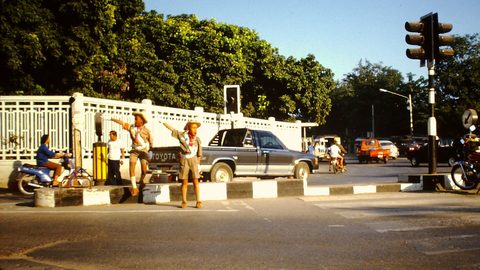 Thailand Safety Scams To Avoid And The One Thing That Kills Tourists
Thailand has low violent crime but a large scam economy and one thing that kills tourists every year. Know the risks before you go.
Thailand Safety Scams To Avoid And The One Thing That Kills Tourists
Thailand has low violent crime but a large scam economy and one thing that kills tourists every year. Know the risks before you go.
-
 Thailand Daily Budget At Three Levels And The Island Price Gap
See what a day in Thailand costs at three budget levels and why island prices run far higher than Bangkok or Chiang Mai.
Thailand Daily Budget At Three Levels And The Island Price Gap
See what a day in Thailand costs at three budget levels and why island prices run far higher than Bangkok or Chiang Mai.
-
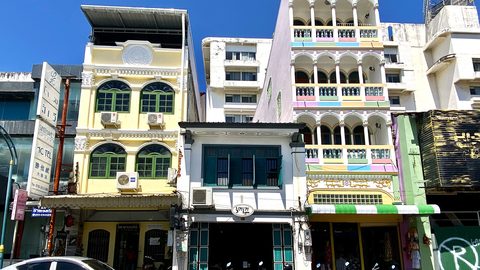 Phuket
 is a sprawling island of extreme contrasts. Choosing the right beach area matters more than any other decision you will make.
Phuket
Phuket is a sprawling island of extreme contrasts. Choosing the right beach area matters more than any other decision you will make.
-
 Krabi
Krabi is a province, not a beach town. The provincial capital sits 15km inland on a muddy river estuary and works best as a transit base, not a place to linger.
Krabi
Krabi is a province, not a beach town. The provincial capital sits 15km inland on a muddy river estuary and works best as a transit base, not a place to linger.
-
 Bangkok
 is a humid, chaotic city of contrasts where golden temples sit beside glass malls and street-food stalls line air-conditioned metro stations. Here is where to begin.
Bangkok
Bangkok is a humid, chaotic city of contrasts where golden temples sit beside glass malls and street-food stalls line air-conditioned metro stations. Here is where to begin.