Surviving Beijing Summer Heat and Finding the After-Dark City
35 degrees, two-hour queues, and the Beijing that only exists after dark, with a summer itinerary that works with the heat.
.jpg)
Beijing in Summer: the Trip Most People Almost Ruin
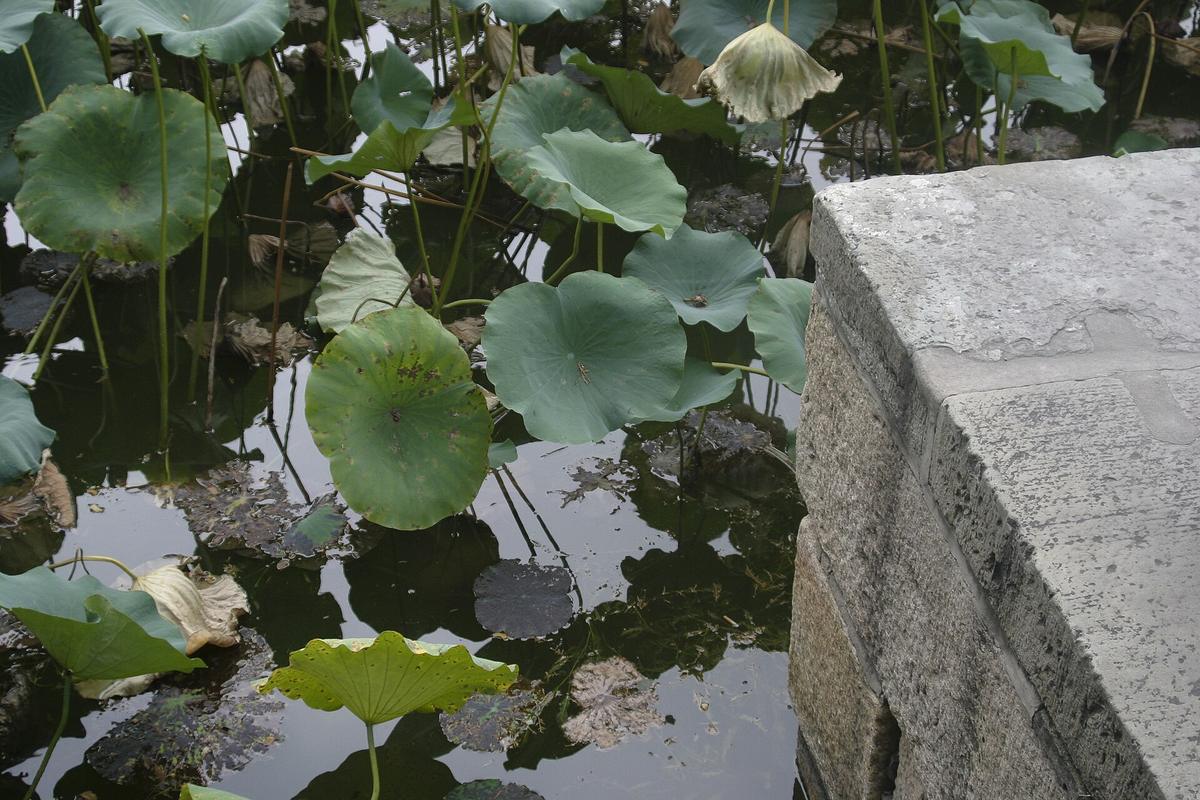
Most travellers imagine Beijing in summer as a hot but manageable version of the postcard city: blue skies over the Forbidden City, lotus blooms on Beihai Park, cold beer at a hutong courtyard bar. What they actually get is 31°C with 75 percent humidity at 10am, a two-hour queue for the Forbidden City in full sun, and a metro car where the air conditioning fights a losing battle against packed bodies. The disconnect between expectation and reality is brutal. It is why so many visitors spend their Beijing summer trip exhausted, dehydrated, and resentful of a city they had been excited to see.
The truth is simpler. Beijing in summer is a game of timing, and the rules are strict. Start before 10:00. Rest in air-conditioned shopping malls or hotel rooms through midday. Re-emerge after dark. The city that shows up after sunset, hutongs lit by red lanterns, night markets serving chuanr, Houhai lakeside bars buzzing, Ghost Street packed until 02:00, is worth the daytime discomfort. But only if you plan for it.
Beijing July Heat: What 35°C Actually Feels Like
Beijing July heat is not dry desert heat. The average high is 31°C, but the average relative humidity sits at 75 percent. That combination pushes the perceived temperature well past 35°C. August is worse: 30°C average high with 77 percent humidity. June is the least punishing of the three, 30°C high and 61 percent humidity, but still uncomfortable for anyone not accustomed to subtropical summers.
The research numbers are clear: Beijing July average rainfall is 185 mm. August is 160 mm. Both months bring afternoon thunderstorms, and occasional flooding follows the heaviest downpours. That means you can be standing in the Forbidden City at 1pm, sweating through a soaked shirt, when the sky opens and the limited shade, a few tree areas and gate tunnels, becomes useless. The Great Wall at Badaling hits 35°C or higher on exposed stone at midday.
Who Should Still Come
Who should still come? Travellers who want lotus blooms (Beihai Park and Yuanmingyuan peak July to August), lake bars, street food after dark, and can handle the heat. Who should move the trip? Anyone who cannot handle 30°C-plus heat, high humidity, or long unshaded queues. The school holiday period runs early July to late August, which means Universal Beijing and Beijing Zoo hit their summer crowd peaks in those same months. If heat and crowds both bother you, the window to avoid is July and August entirely.
Beijing Summer Palace Queue: How to Skip it
The Summer Palace queue is a separate problem from the Forbidden City queue, but the solution is the same: arrive at opening. For the Summer Palace, that means being at the East Palace Gate by 07:00. The park opens at 06:00 in summer, but the main buildings, the Long Corridor, the Tower of Buddhist Incense, the marble boat, open later. Still, arriving before 08:00 gets you through the ticket barrier in under five minutes. By 09:30, the queue snakes across the forecourt and the heat is already climbing.
Budget a half-day here. The Summer Palace is a 40- to 60-minute metro ride from central Beijing depending on whether you start from Dongcheng or Chaoyang. The lake walk from the East Palace Gate to the South Lake Island is roughly 3 km. Add the climb up Longevity Hill and you are looking at 4 to 5 hours minimum. Do not try to combine it with the Forbidden City on the same day. That is the most common mistake travellers make: they plan the Forbidden City, Temple of Heaven, Summer Palace, and Great Wall in two days, then lose hours to metro transfers, ticket queues, and security checks.
The Forbidden City Queue
Book your Forbidden City ticket online 1 to 7 days ahead. Closed Mondays. The queue to enter from Tiananmen Square, passport check, security screening, ticket scan, runs 30 minutes on a good day and 90 minutes on a bad one. The shade is limited to a few tree areas and gate tunnels. The rest is concrete and sun. Enter through the Meridian Gate as early as you can manage; the queue builds fastest between 09:00 and 11:00.
Temple of Heaven Queue
The Temple of Heaven queue is shorter, 15 to 20 minutes at peak, but the park itself is large and mostly unshaded. The Hall of Prayer for Good Harvests sits on a raised marble platform with zero cover. Go for the park rituals, not just the building. Locals practice taichi, singing groups, and dancing in the morning before 09:00. The echo walls are a novelty but not worth a detour.
Beijing Summer Night Market: Ghost Street and Chuanr Alley
Beijing summer night market culture revolves around two streets: Ghost Street (Guijie) and the chuanr street food areas near Dongzhimen. Ghost Street peaks from 22:00 to 02:00 in summer. The 1.5 km stretch of Dongzhimennei Dajie runs east from the Dongzhimen metro station and fills with restaurants serving lamb skewers, crayfish (peak season June to August), spicy Sichuan dishes, and buckets of cold beer. The scene is loud, smoky, and communal. Tables spill onto the pavement. Orders are shouted. This is not refined dining.
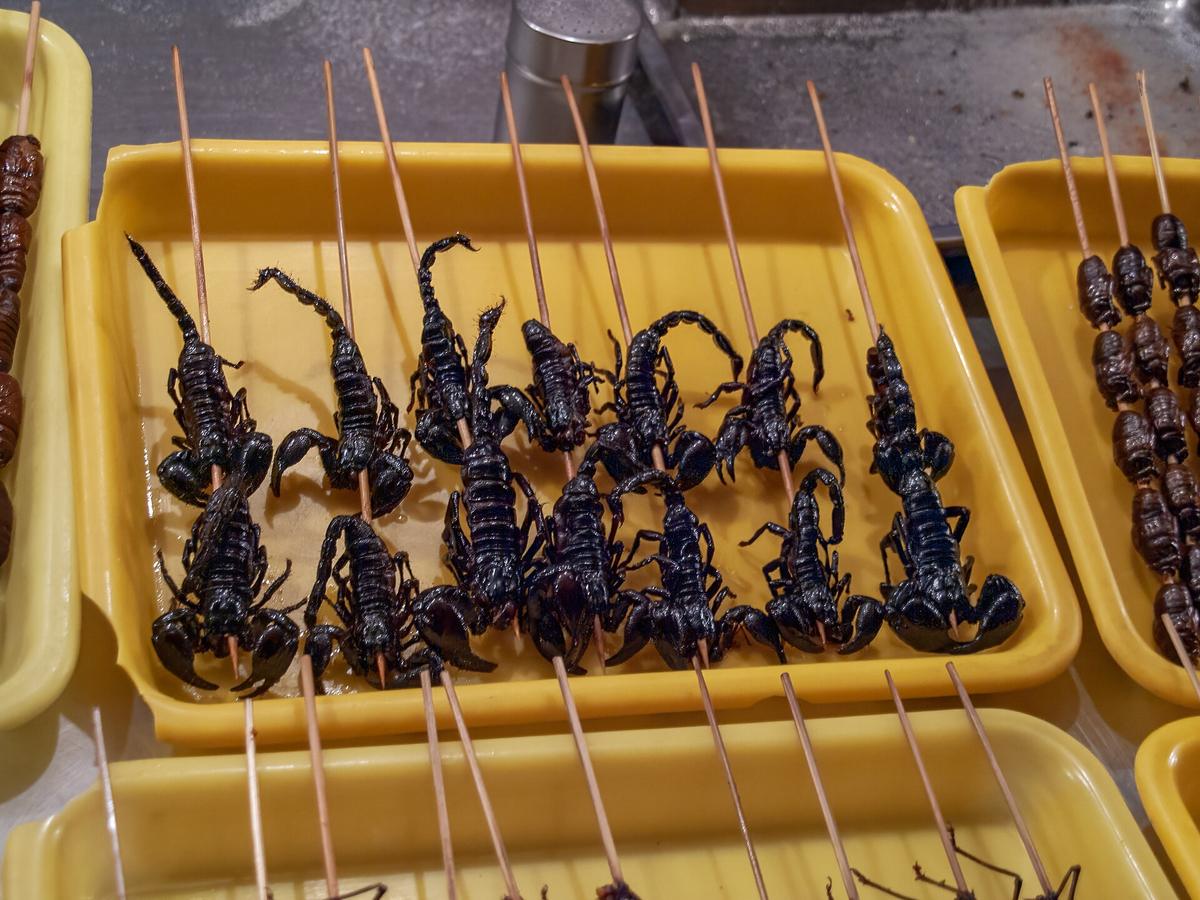
Chuanr street food peaks June to August as well. The Muslim Quarter near Niujie and the hutongs around Gulou have smaller, more local operations. A skewer of lamb costs ¥3 to ¥6. You eat standing, hand the sticks back, and move to the next stall. The braised offal stew (luzhu) is a late-night staple. The fermented mung bean drink (douzhi) is an acquired taste. Stick to tang hulu (candied hawthorn) for a safe sweet finish.
Houhai Lake Bars
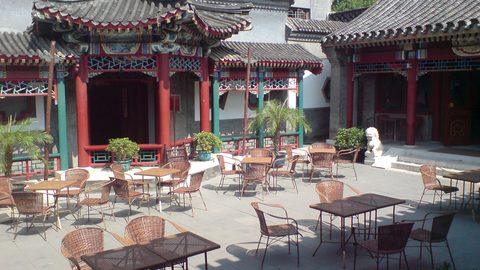
The Houhai lake bar area also peaks June to August. The lakeside bars along the north shore of Houhai are touristy, overpriced, and loud. Skip them for the smaller courtyard bars in the hutongs behind the lake, where the music is lower and the crowd is local. Nanluoguxiang is too crowded after dark in summer; walk the quieter alleys off it instead.
Beijing Summer Evening Activities: What Works After Dark
Beijing summer evening activities divide into three categories: eating, drinking, and walking. Eating is covered above. Drinking runs from Sanlitun expat bars (loud, expensive, weekends packed) to quiet courtyard bars in Gulou (indie crowd, cheap beers, open-air seating). Walking means the hutongs after 20:00, when the tour groups have left and the residents reclaim the lanes.
Shichahai, the lake area, is worth a walk from the Drum and Bell Towers down through the hutongs to the water. The Bell Tower rooftop view is best at sunset, but the stairs are steep and the queue builds. Jingshan Park stays open late in summer and gives you the Forbidden City panorama for ¥2. The park closes at 21:00 in summer; arrive by 19:30 for the dusk light.
Art and Night Walks
798 Art Zone closes its galleries by 18:00, but the outdoor sculpture park and the factory buildings are lit after dark and the crowds thin out. The cafés stay open until 22:00. The area is a 30-minute taxi from central Beijing.
One thing to skip: Tiananmen Square at night. It is vast, empty, and requires a passport check to enter. The square has zero shade even after dark and the experience is walking across concrete under floodlights. National Museum of China is free but requires a passport and advance reservation; it closes by 17:00 in summer, so it is not an evening option.
The Midday Rest: Where to Hide from the Heat
Between 12:00 and 15:00, outdoor Beijing is hostile. The strategy is to find air conditioning. Beijing metro trains have air conditioning. Beijing shopping malls have air conditioning. Beijing hotels have air conditioning. Older hutong courtyard guesthouses do not always have air conditioning, verify before booking. If you are staying in a hutong room without AC, your midday rest becomes an afternoon in a mall or a café.
Museums as Air-Conditioned Refuge
Capital Museum is a less crowded alternative for Beijing history. It is air-conditioned, has English signage, and takes about two hours. Admission is free but requires a passport at the entrance. The National Museum of China is larger and more crowded, but still air-conditioned. Both are better uses of midday than queueing for a sight in full sun.
Summer air quality in Beijing is better than winter, the heat creates convection that lifts pollution, but summer ozone is higher on hot sunny afternoons. If you are sensitive to ozone, stay indoors between 13:00 and 16:00. Check the AQI index and carry an N95 mask if it spikes above 150.

| Month | Average High | Average Low | Relative Humidity | Average Rainfall |
|---|---|---|---|---|
| June | 30°C | 19°C | 61% | 78 mm |
| July | 31°C | 22°C | 75% | 185 mm |
| August | 30°C | 21°C | 77% | 160 mm |
Two Bullet Lists: What to Bring and What to Skip
Pack for the heat, not the postcard:
- A refillable water bottle, tap water is not drinkable, but hotels and restaurants refill from filtered sources.
- A foldable hat and sunglasses, shade is rare at outdoor sights.
- An N95 mask, air quality can spike above 150 AQI in winter and spring, and summer ozone is higher on hot afternoons.
- Wet wipes or tissues, public toilets in older areas and some parks are squat-style and may lack soap or toilet paper.
- A phone with Alipay or WeChat Pay linked to an international card, essential for payments, ride-hailing, and ordering in restaurants.
Skip these summer traps:
- The Forbidden City after 10:00, the queue and the heat compound. Go before.
- Badaling Great Wall at any hour in July or August, Mutianyu is better. Jinshanling is best for hikers who tolerate heat.
- Tiananmen Square at any time of day, vast, unshaded, requires passport check, and the experience is concrete and emptiness.
- Wangfujing snack street, it is a tourist trap. The real street food is in hutongs and night markets.
- Combining Summer Palace and Forbidden City in one day, the metro transfer alone eats 40 minutes each way, plus the walking distances exhaust you in the heat.
One Practical Thing to Do Next
Open your phone, open the weather app, and check whether the high for the dates you are looking at exceeds 30°C with humidity over 60 percent. If it does, build your schedule from 07:00 to 10:00 for outdoor sights, 12:00 to 15:00 for indoor rest, and 19:00 onward for the Beijing that only exists after dark. The city is worth the heat. The mistake is pretending the heat does not exist.
Read next
-
 Beijing Hotels by Price Band and Property Type
Beijing hotels split into hutong courtyards, international chains and functional business towers. Here is what each price band actually buys you.
Beijing Hotels by Price Band and Property Type
Beijing hotels split into hutong courtyards, international chains and functional business towers. Here is what each price band actually buys you.
-
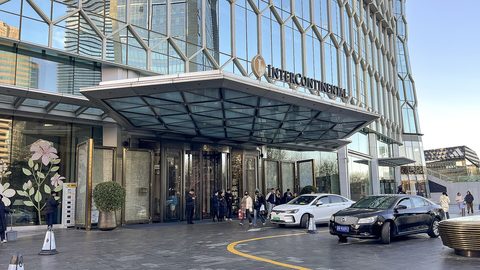 Where to Stay in Beijing by District and Travel Style
Dongcheng puts you beside the Forbidden City, Chaoyang beside the nightlife. Here is how Beijing's districts compare for different travellers.
Where to Stay in Beijing by District and Travel Style
Dongcheng puts you beside the Forbidden City, Chaoyang beside the nightlife. Here is how Beijing's districts compare for different travellers.
-
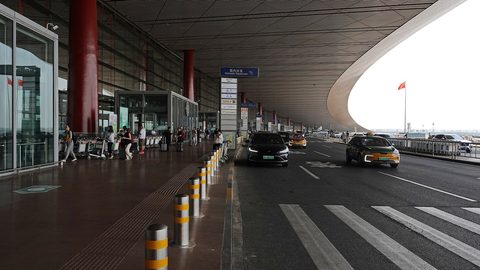 Beijing Flights PEK vs PKX Which Airport Actually Works for You
PEK or PKX? What each Beijing airport costs you in time, money, and logistical friction depending on where you are staying.
Beijing Flights PEK vs PKX Which Airport Actually Works for You
PEK or PKX? What each Beijing airport costs you in time, money, and logistical friction depending on where you are staying.
-
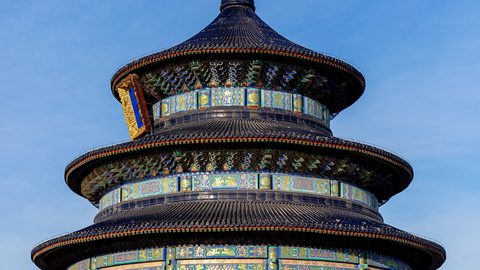 Beijing Things to Do Worth Your Limited Days
The Forbidden City and Great Wall are essential, but Beijing's meaning lives in temple courtyards, hutong lanes and food streets. Here is what earns your days.
Beijing Things to Do Worth Your Limited Days
The Forbidden City and Great Wall are essential, but Beijing's meaning lives in temple courtyards, hutong lanes and food streets. Here is what earns your days.
-
 Best Time to Visit Beijing, Month by Month Tradeoffs
April and October bring blue skies and queues, July brings heat, January brings empty sites and hazardous air. Here is Beijing month by month.
Best Time to Visit Beijing, Month by Month Tradeoffs
April and October bring blue skies and queues, July brings heat, January brings empty sites and hazardous air. Here is Beijing month by month.
-
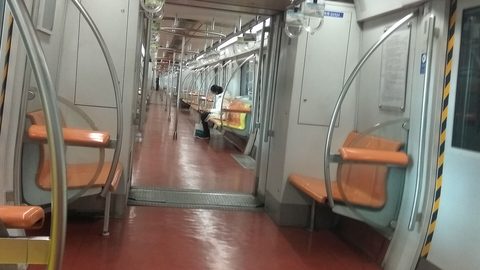 Getting Around Beijing Without Losing Half Your Day
Beijing's metro is clean and cheap but stops early, and taxis rarely speak English. Here is how to move around without burning half your day.
Getting Around Beijing Without Losing Half Your Day
Beijing's metro is clean and cheap but stops early, and taxis rarely speak English. Here is how to move around without burning half your day.
-
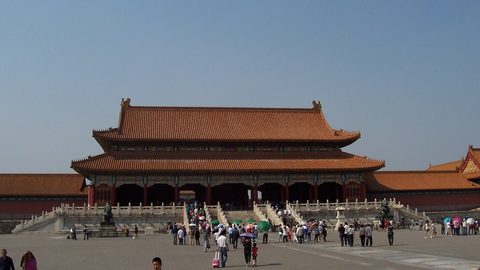 Forbidden City
 tickets require booking seven days ahead on WeChat with a passport. Here is the route to take once you are inside to avoid wasting the visit.
Forbidden City
Forbidden City tickets require booking seven days ahead on WeChat with a passport. Here is the route to take once you are inside to avoid wasting the visit.
-
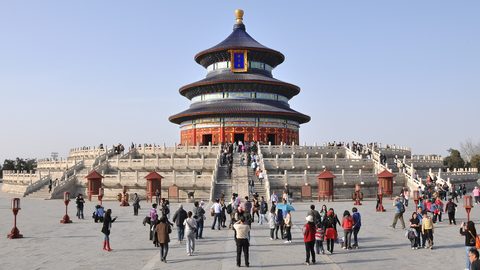 Temple of Heaven
The Temple of Heaven park matters as much as the temple. Morning tai chi, choirs, and card players make it a Beijing ritual worth a full morning.
Temple of Heaven
The Temple of Heaven park matters as much as the temple. Morning tai chi, choirs, and card players make it a Beijing ritual worth a full morning.
-
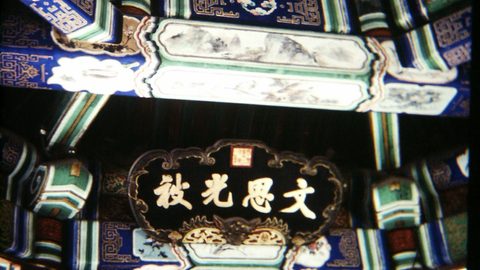 Summer Palace
The Summer Palace is vast and the wrong entrance adds an hour of walking. Use the East Palace Gate and plan for at least four hours.
Summer Palace
The Summer Palace is vast and the wrong entrance adds an hour of walking. Use the East Palace Gate and plan for at least four hours.