Beihai Park and the Restaurant That Still Serves the Court Menu
Beihai Park predates the Forbidden City and holds a restaurant serving Qing court dishes, plus a white dagoba and lake boats.

Beihai Park and the Restaurant That Still Serves the Court Menu
At 7:30 on a cool October morning, a Beijing local unfolds a folding chair on the eastern shore of Beihai's lake, aims a wooden-handled brush at the stone path, and paints a single character in water. It evaporates before he finishes the second. This is not a performance. This is the park he has walked to for thirty years.
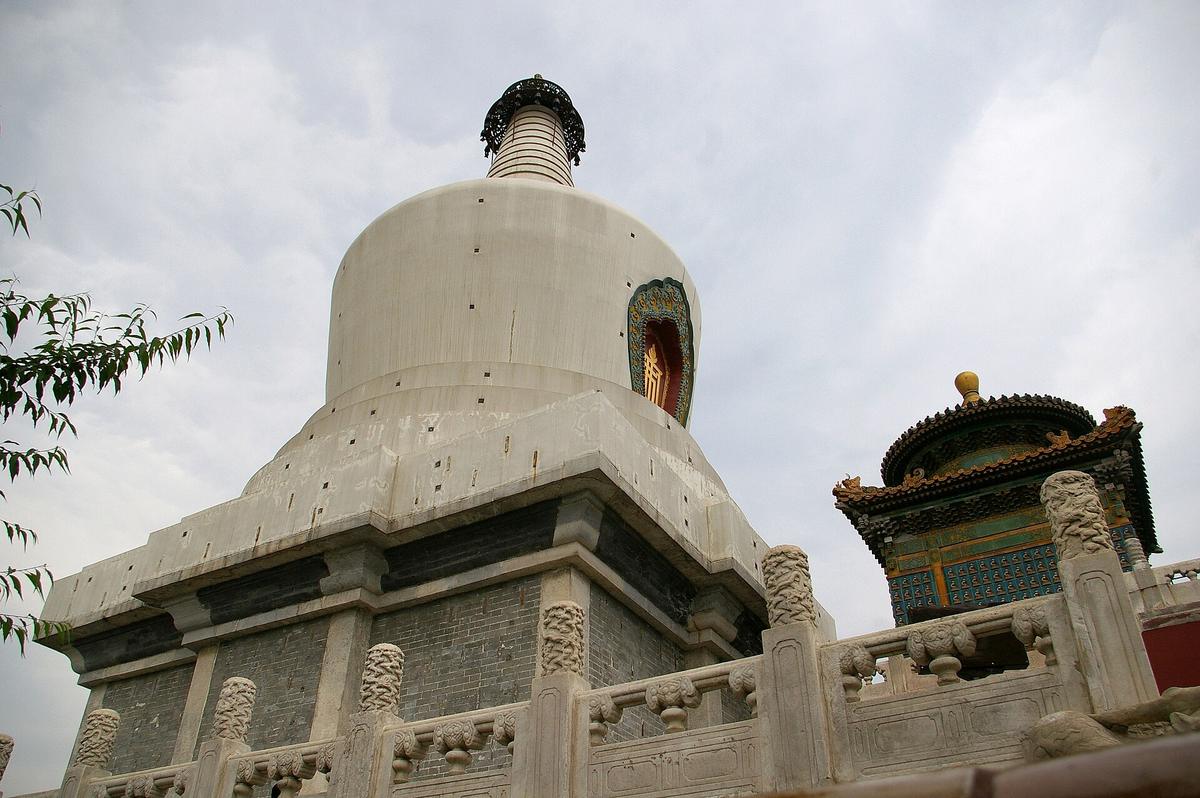
Most visitors to Beijing skip Beihai. They head to the Palace Museum, then the Summer Palace, then the Great Wall, and by the time they reach the Temple of Heaven they have crossed the city four times and their feet hurt. Beihai Park, founded in the Jin dynasty between 1115 and 1234 and expanded under the Yuan dynasty that followed, is the imperial garden that precedes the Palace Museum by roughly 250 to 500 years. It is also the one that still contains a restaurant serving the Qing court menu, a white Tibetan-style dagoba built in 1651 on an artificial island, and a local crowd that comes here to dance, paint, and row wooden boats rather than photograph them. It is not a stop for the one-day Beijing itinerary. It is a stop for the traveller who wants to see how a park works as an actual part of a city, not a museum of one.
- Founded: Jin dynasty (1115-1234), expanded Yuan dynasty (1271-1368)
- Age vs Forbidden City: Precedes the Forbidden City by 250-500 years depending on the construction phase
- Star Feature: White Dagoba, a Tibetan stupa on Jade Flower Island, built 1651
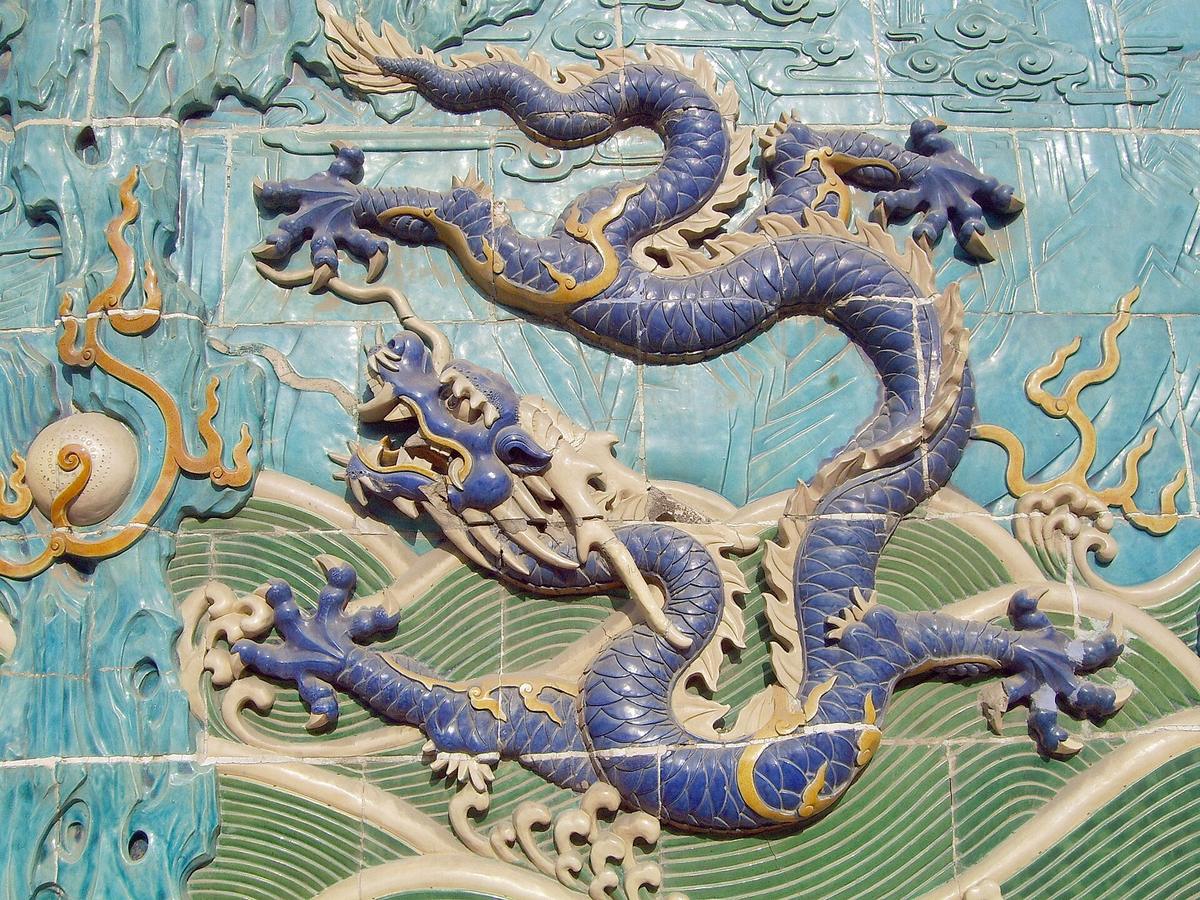
- Nine Dragon Screen: 5.96 m high, 25.52 m long, 424 seven-colour glazed tiles, built 1756
- Park Entry: ¥10 peak (Apr, Oct), ¥5 off-peak (Nov, Mar)-2024 rates, check official site for updates
- Through-Ticket: ¥20 peak, ¥15 off-peak, includes park, White Dagoba, Round City
- Boat Rental: ¥40, ¥120 per hour, pedal/ electric/ rowboats, approx April, October
- Total Area: 71 hectares, 39 of which is lake
- UNESCO Status: Part of Beijing Central Axis World Heritage Site, inscribed 2024
What Beihai Actually is and Why You Should Go
An Imperial Garden That Still Breathes
Beihai is not the Summer Palace. The Summer Palace is the Qing dynasty's sprawling lakeside retreat, a half-day excursion that requires a 40-minute metro ride and stamina for crowds. Beihai sits inside Xicheng district, steps from the Palace Museum's north gate and Jingshan Park, and it fits into a morning the way a neighbourhood park should. At 71 hectares, with 39 hectares of lake, it is small enough to walk end to end in 30 minutes but layered enough to spend three hours inside.
The park's centrepiece is Jade Flower Island, an artificial mound built from lake excavation material, topped with the white Tibetan dagoba that Shunzhi, the first Qing emperor to rule from Beijing, erected in 1651. It stands 35.9 metres tall, and from Jingshan's summit or the north shore of the lake it becomes the anchor of every photograph.
When the Park Belongs to Locals
Local retirees arrive before sunrise to practise tai chi on the eastern shore. Couples rent rowboats at ¥40 to ¥120 per hour. Tour groups descend between 10:00 and 16:00, then the park falls quiet again. You want to be here at 6:30 when the gates open, stay until 9:00, and be drinking tea by the time the first flags appear.
How to Enter, What to Pay, and How to Skip the Wrong Ticket
Pick Your Gate, Then Pick the Right Ticket
Beihai has four gates. The south gate, Nanmen, faces the Palace Museum and Jingshan Park. The north gate, Beimen, opens onto Houhai and the Shichahai lake district, which means you can enter after a hutong walk or exit into the bar-lined alleys of Gulou. The east gate sits near Jingshan East Street, and the west gate is closest to the National Library of China's Ancient Books Library. Which one you pick matters less than the ticket you buy at it.
Book the combination ticket, which cost ¥20 in peak season and ¥15 in off-season according to the 2024 rate published by the Beijing Municipal Park Service. It includes park entry, access to the White Dagoba on Jade Flower Island, and entry to the Round City, a separate walled enclosure near the south gate that holds the Jade Jar of Dushan, a wine vessel carved from a single piece of dark jade in 1265. Separate tickets cost ¥10 for the park, another ¥10 for the dagoba, and ¥1 for the Round City, so the combination ticket saves you ¥5 to ¥10. The mistake most visitors make is buying the basic park ticket, walking to the dagoba's base, and finding they need to queue again for the stairs.
Practical Details Before You Go
Buy the combination ticket at the counter, not from a third-party app that charges a processing fee. Carry your passport. Park security checks are routine, and while Beihai is less strict than Tiananmen, guards will ask for ID at the dagoba entrance. Opening hours are 6:30 to 21:00 in the peak season of April through October, and 6:30 to 20:00 from November through March. Last entry is 30 minutes before closing. The park does not close on Mondays the way the Palace Museum does, so if you have a Monday free, this is your imperial architecture option.
Fangshan Restaurant: the Court Menu That Outlived the Dynasty
Eating Where the Emperors Ate
On the western slope of Jade Flower Island, a few minutes' walk from the White Dagoba's ticket checkpoint, Fangshan Restaurant occupies a series of halls built in the Qing style. It opened in 1925, thirteen years after the last emperor abdicated, and it was founded by former chefs of the Qing imperial kitchen who took their recipes into private business. The menu recreates dishes served to the Guangxu emperor and Empress Dowager Cixi: shark fin in broth, millet porridge with chicken and ham, lotus root stuffed with glutinous rice and sweetened with osmanthus, and a multi-course banquet that runs to thirty small plates. The set menus cost between ¥200 and ¥500 per person at the 2024 price point, which includes the restaurant's own 15% service charge.
Is It Worth Your Money?
The verdict is that the setting and historical ambience are the point. The food is competent, not exceptional for the price. You come here because you want to eat what the Qing court ate while looking at the same lake the Qing court looked at, not because you want the best meal of your trip. Book a table in advance, especially for dinner and weekends. Walk-ins during peak hours at 12:00 to 13:30 are turned away regularly. The restaurant has a tea-and-snack section that costs less than the full banquet and still serves imperial-style pastries; if the meal is not worth your budget, the tea service is. And if you skip Fangshan entirely, you lose nothing essential from the Beihai experience. The better strategy for most travellers is to eat breakfast from a hutong stall near the north gate and spend the money on a boat rental instead.

What to Skip and What to See Instead
The Sights You Can Pass Quickly
The Nine Dragon Screen on the north shore is worth a glance, not a detour. It is a 25.52-metre-long glazed tile wall built in 1756, decorated with 424 seven-colour tiles depicting nine dragons playing in cloud patterns. It is one of three surviving examples in China, the others being in the Palace Museum and Datong. You will walk past it if you circle the lake on the northern path, and it is worth a two-minute stop. But do not go out of your way for it, and do not queue for a photograph. The Round City near the south gate deserves the same treatment: a separate walled enclosure that contains the Jade Jar of Dushan, a 1265 wine vessel carved from a single piece of dark jade. The jar is genuinely impressive, a 3.5-tonne block carved with dragons and sea horses that was used by the Yuan emperor Kublai Khan to reward his officials with alcohol. Visit it if you bought the combination ticket anyway, but do not add it as a separate stop if you are short on time.
Get on the Water
Spend your extra time on the lake. Rent a rowboat at 9:00, before the wind picks up, and paddle to the centre for the view of the dagoba reflected in the water. The boat is the only way to see Beihai the way the Qing emperors saw it: from the lake, looking up at the island.
Who Beihai Suits and Who Should Skip it
Who Should Go
Beihai Park suits the traveller with at least three full days in Beijing, who has done the Palace Museum and the Great Wall and wants a morning that moves at the pace of a walk, not a sprint. It suits the photographer who prefers an early dawn shot of a Tibetan stupa reflected on still water to a midday crowd shot at the Summer Palace. It suits the food curious who want to say they ate what the Qing court ate, even if the meal is more about history than gastronomy.
Who Should Skip It
It does not suit the traveller on a two-day Beijing sprint: the Palace Museum, Temple of Heaven, and one Great Wall section already fill two full days, and adding Beihai means cutting something else. It does not suit anyone who dislikes local parks as tourist attractions, because Beihai is exactly that: a place where the local morning matters as much as the imperial afternoon. And if you have already visited the Summer Palace and feel saturated with artificial lakes and restored halls, skip Beihai. You will see a smaller version of what you have already seen, and the restaurant alone is not enough reason to go.
But if you have the morning, buy the combination ticket at the south gate, walk left to the Round City, cross the bridge to Jade Flower Island, climb the stairs to the White Dagoba, then descend and rent a boat. That sequence, done before 9:30, is the best hour you can spend in central Beijing that is not inside the Palace Museum walls.
Common Questions
How does Beihai Park compare to the Summer Palace?
The Summer Palace is 30 times larger, 40 minutes further from central Beijing, and draws crowds that make Beihai's peak hours feel empty. Beihai is for the traveller who wants the imperial garden atmosphere without a half-day commitment, who wants to watch locals rather than other tourists, and who wants a restaurant serving court recipes. The Summer Palace wins on scale and lake views. Beihai wins on intimacy and walkability.
Is the through-ticket worth the extra money?
Yes, if you plan to visit the White Dagoba or the Round City. The combination ticket cost ¥20 in peak season in 2024, which included park entry (¥10), the dagoba (¥10), and Round City (¥1). Separate tickets total ¥21, so the combination ticket saves ¥1 per person and avoids the second queue. Buy it at the gate.
When is the best time to visit Beihai Park?
Between 6:30 and 9:00, before tour groups arrive from the Palace Museum. The park opens at 6:30 year-round, and the early crowd is local: tai chi on the east shore, water calligraphy on the stone paths, and photographers at the dagoba's eastern face catching the low sun. Peak crowd hours run from 10:00 to 16:00. September and October offer clear skies and manageable temperatures. April and May bring cherry blossoms.
Can you rent boats at Beihai Park?
Yes, from approximately April through October, weather permitting. Pedal boats cost around ¥40 per hour, electric boats and rowboats cost between ¥80 and ¥120 per hour, depending on size. The boat rental station is on the eastern shore. Ice skating is possible in some winters, but the park only opens the ice when thickness reaches a safe standard, which it announces on site and on its social media channels. There is no guarantee of ice skating in any given year.
Is Fangshan Restaurant worth the price?
Only if the historical setting matters to you. The set menus cost between ¥200 and ¥500 per person and recreate Qing court recipes, but the food is competent rather than exceptional. You pay for the experience of eating on Jade Flower Island in a hall that looks like the imperial kitchen it came from. For the same price or less, the duck at Siji Minfu or the lamb hotpot in Gulou will taste better. Book a table in advance if you go; walk-ins are refused at peak meal times.
Read next
-
 Beijing Hotels by Price Band and Property Type
Beijing hotels split into hutong courtyards, international chains and functional business towers. Here is what each price band actually buys you.
Beijing Hotels by Price Band and Property Type
Beijing hotels split into hutong courtyards, international chains and functional business towers. Here is what each price band actually buys you.
-
 Where to Stay in Beijing by District and Travel Style
Dongcheng puts you beside the Forbidden City, Chaoyang beside the nightlife. Here is how Beijing's districts compare for different travellers.
Where to Stay in Beijing by District and Travel Style
Dongcheng puts you beside the Forbidden City, Chaoyang beside the nightlife. Here is how Beijing's districts compare for different travellers.
-
 Beijing Flights PEK vs PKX Which Airport Actually Works for You
PEK or PKX? What each Beijing airport costs you in time, money, and logistical friction depending on where you are staying.
Beijing Flights PEK vs PKX Which Airport Actually Works for You
PEK or PKX? What each Beijing airport costs you in time, money, and logistical friction depending on where you are staying.
-
 Beijing Things to Do Worth Your Limited Days
The Forbidden City and Great Wall are essential, but Beijing's meaning lives in temple courtyards, hutong lanes and food streets. Here is what earns your days.
Beijing Things to Do Worth Your Limited Days
The Forbidden City and Great Wall are essential, but Beijing's meaning lives in temple courtyards, hutong lanes and food streets. Here is what earns your days.
-
 Best Time to Visit Beijing, Month by Month Tradeoffs
April and October bring blue skies and queues, July brings heat, January brings empty sites and hazardous air. Here is Beijing month by month.
Best Time to Visit Beijing, Month by Month Tradeoffs
April and October bring blue skies and queues, July brings heat, January brings empty sites and hazardous air. Here is Beijing month by month.
-
 Getting Around Beijing Without Losing Half Your Day
Beijing's metro is clean and cheap but stops early, and taxis rarely speak English. Here is how to move around without burning half your day.
Getting Around Beijing Without Losing Half Your Day
Beijing's metro is clean and cheap but stops early, and taxis rarely speak English. Here is how to move around without burning half your day.
-
 Forbidden City
 tickets require booking seven days ahead on WeChat with a passport. Here is the route to take once you are inside to avoid wasting the visit.
Forbidden City
Forbidden City tickets require booking seven days ahead on WeChat with a passport. Here is the route to take once you are inside to avoid wasting the visit.
-
 Temple of Heaven
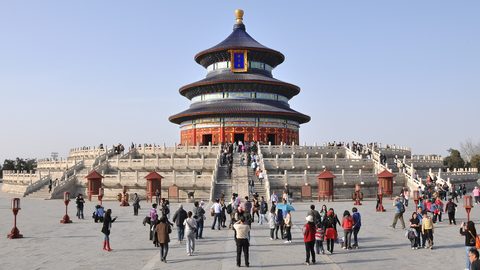
The Temple of Heaven park matters as much as the temple. Morning tai chi, choirs, and card players make it a Beijing ritual worth a full morning.
Temple of Heaven
The Temple of Heaven park matters as much as the temple. Morning tai chi, choirs, and card players make it a Beijing ritual worth a full morning.
-
 Summer Palace
The Summer Palace is vast and the wrong entrance adds an hour of walking. Use the East Palace Gate and plan for at least four hours.
Summer Palace
The Summer Palace is vast and the wrong entrance adds an hour of walking. Use the East Palace Gate and plan for at least four hours.