How to Book the National Museum of China and Which Gallery Justifies the Building
The National Museum of China is free but its booking window defeats many visitors; one gallery inside justifies the entire building.
,_Han_dynasty,_bronze,_Honolulu_Museum_of_Art.jpg)
National Museum of China Free Entry and the Booking Window That Defeats People
The National Museum of China booking process is a seven-day race with a narrow finish line. The official booking platform is the WeChat mini-program tied to the National Museum of China account. You input your full name, passport number, and nationality. The booking window opens exactly 7 days ahead, not eight days, not six. Same-day entry is not available. Closed Mondays. Opening hours are 09:00 to 17:00 with last entry at 16:00 and last ticket collection at 15:30. The published 2026 values from the museum itself set the window at 7 days and the hours at 09:00-17:00, but these figures are revised annually, so check the mini-program for the version in force when you travel.
- Address: 16 East Chang'an Avenue, Dongcheng District, Beijing
- Entry Fee: Free (advance reservation mandatory)
- Booking Platform: WeChat mini-program, National Museum of China official account
- Booking Window: Opens 7 days ahead; no same-day tickets
- Required ID: Passport (full name, passport number, nationality)
- Closed: Mondays (including public holidays that fall on Monday)
- Hours: 09:00-17:00, last entry 16:00, last ticket collection 15:30
- Entry Gate: West gate via Tiananmen Square east side
- Floor Area: 192,000 m²
- Total Collection: 1.4 million+ items
National Museum of China Free Entry: What it Actually Costs and Why it Feels Expensive
Clearing the Square
The admission price is zero yuan, but the real cost is measured in time, planning, and patience. Free entry sounds like a gift until you factor in the checkpoint queue from Tiananmen Square, the document check at the west gate, and the 60 to 90 minutes the museum recommends you arrive before your booked entry slot. That is not exaggeration. The security perimeter around the square is a multi-stage process: bag X-ray, body scan, passport verification, and a slow shuffle through metal barriers. Water bottles must be opened and tested. Lighters, knives, scissors, tripods, selfie sticks, and aerosol sprays are confiscated. Large luggage can be stored at the west entrance cloakroom, but do not count on speed.
Food and Timing
If you arrive at 08:00 for a 09:00 slot, you clear the perimeter and stand inside the west gate with time to orient yourself before the halls open. If you arrive at 08:55, you join the end of a line that snakes past the museum's own facade. The museum offers no restaurant inside, only vending machines and one small café near the upper floors with a limited selection. Plan to eat before you arrive or bring snacks that pass the bag inspection.
Beijing National Museum Reservation: the Passport Rule That Catches Visitors
The Beijing national museum reservation system demands your passport, not a photocopy, not a phone photo, the physical document. The Tiananmen museum document rule applies to every visitor, including Chinese nationals who use their ID card. Foreigners must enter their full name and passport number into the WeChat mini-program exactly as they appear on the document. A mismatch of one character or one digit and the QR code will not scan. Carry your travel document everywhere in Beijing, it is required for entry to Tiananmen Square, the Forbidden City, and many parks, but at the National Museum it is the only key that opens the gate.
One workaround exists if the booking window defeats you entirely. The Capital Museum at 16 Fuxingmenwai Street in Xicheng District is smaller, 63,000 m², roughly one-quarter the size of the National Museum, but it draws about one-tenth the crowd. Walk-in entry is allowed, no advance booking required. You show your document at the ticket desk and walk in. The collection covers Beijing history rather than Chinese civilisation as a whole, but English labelling is decent and the crowd level makes it a viable alternative if the National Museum is solidly booked. Closed Mondays, free entry.
National Museum of China Highlights: One Gallery That Justifies the Building
Ancient China on B1
The museum holds 1.4 million items across 48 halls. You cannot see it in one visit. Do not try. The National Museum of China highlights are concentrated in a single gallery: Ancient China on the basement level. Every other section, Ancient Chinese Porcelain, Ancient Chinese Coins, Ancient Chinese Buddhist Sculpture, Ancient Chinese Painting and Calligraphy, can be skipped by the visitor with limited time. The political exhibitions, Road to Rejuvenation and The Road of the Chinese Dream, present a CPC-led revolutionary narrative from 1840 to the present. They are large, crowded, and less rewarding for a first-time visitor who wants the material culture of deep history.
The Bronze You Came For
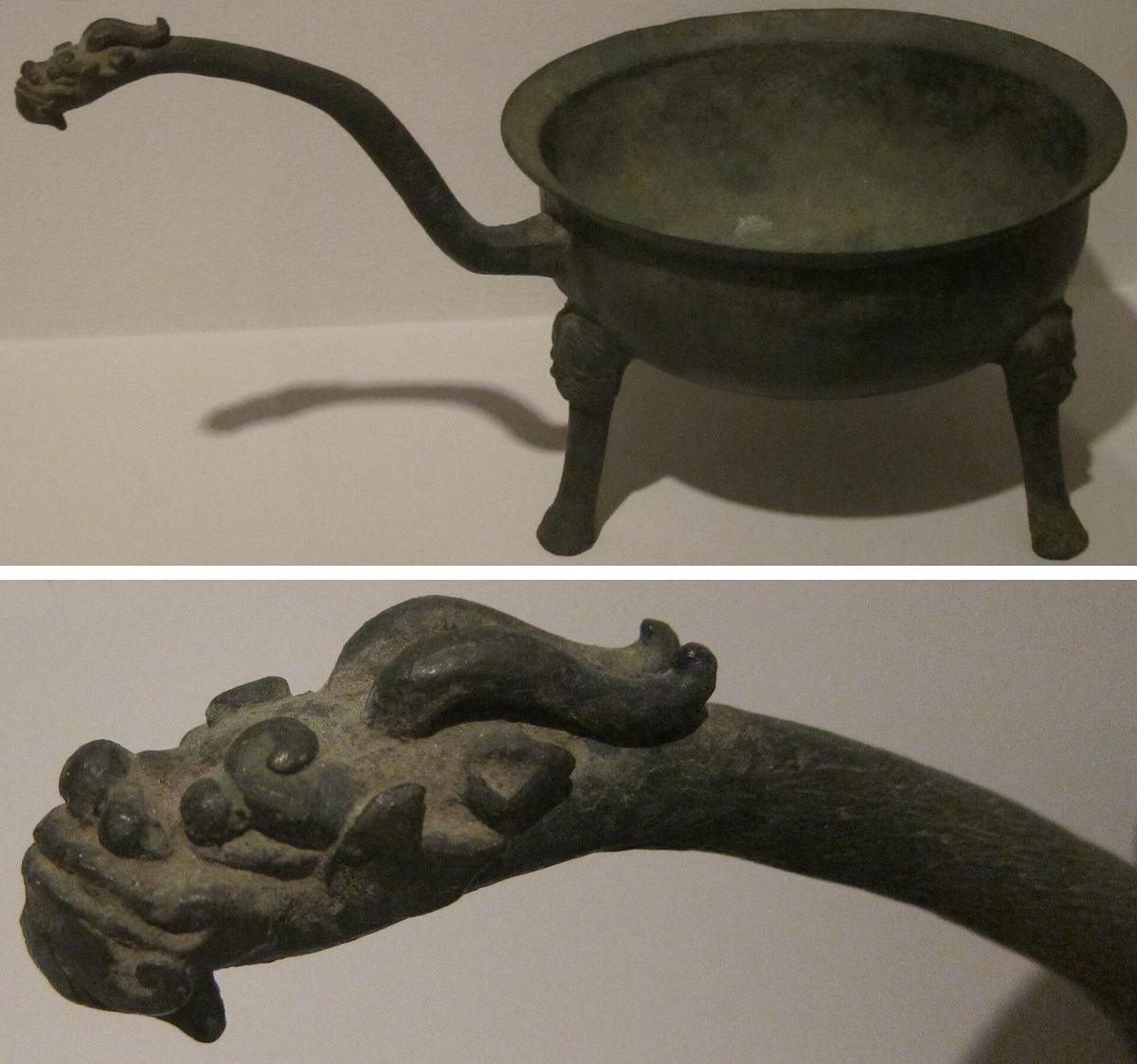
Ancient China spans from the Paleolithic roughly 1.7 million years ago through the Qing dynasty in 1912. The gallery holds the two things you came for. The Simuwu ding, also called the Houmuwu ding, is a late Shang dynasty bronze vessel dating to the 13th, 11th century BC. It weighs 832.84 kg and is the heaviest bronze ritual vessel ever recovered from a Chinese tomb. You walk around it, stand above it, and stare down at a surface cast millennia ago. The jade and bronze holdings sit in the same basement space, arranged chronologically, so you move through the Shang bronzes directly into Zhou jades and into Han ceramics without backtracking.
English labelling in Ancient China is comprehensive. Above the basement galleries, labelling becomes patchy. If you read only English, spend your time on B1 and do not feel guilty leaving the upper floors unvisited.
National Museum of China Booking: Timing, Gates, and the Mistake Most Visitors Make
The Real Hard Part
The phrase national museum of china booking appears on every Beijing itinerary, but most travellers misunderstand what it requires. The mistake is thinking the booking is the hard part. It is not. The hard part is the 90-minute buffer before your slot, the Tiananmen Square checkpoint, and the walk from the east side of the square to the west gate. The museum sits on the east side of the square, south of Chang'an Avenue. You enter through the west gate, which means you cross the square itself. That square has its own security procedures. Do not treat the museum entry time as the moment you arrive at the square; treat it as the moment you step inside the west gate.
Your Morning Plan
Arrive at the square 90 minutes before your slot. Clear the perimeter, walk east across the plaza, join the museum's own queue, and you will enter the building roughly on time. If you arrive 30 minutes before your slot, you will miss it. The museum does not hold late slots. The QR code expires at your booked time.
Book the earliest slot of the day, 09:00. The queue moves fastest in the first hour. The Ancient China gallery on B1 is relatively quiet until 10:30, when tour groups descend. Enter, take the escalator or stairs down to the basement immediately, and walk the chronological sequence from Paleolithic to Qing. You can cover the gallery in 90 minutes with attention. After that, the crowds thicken, the upper galleries fill, and the vending machine lines grow. Exit through the west gate, turn right, and you are on Chang'an Avenue with the Forbidden City to your north and the National Museum behind you.
FAQ
Who the National Museum of China Suits and Who Should Skip it
The National Museum suits first-time China visitors who want the full imperial set-piece experience of Tiananmen Square and the museum in one morning. It suits history and architecture buffs who need to see the Simuwu ding in person and who appreciate the scale of a building that ranks among the largest museums in the world. It suits travellers using Beijing as a base for the Great Wall who have four full days in the city and can afford to lose one morning to queues.
It does not suit travellers seeking a compact, walkable old town atmosphere. It does not suit anyone who dislikes crowds, security checks, or long transfers between sights. It does not suit a visitor with only two days in Beijing who has not yet booked the Forbidden City or a Great Wall section. Skip it if your time is short and the booking window is already closed. Walk to the Capital Museum instead, one-tenth the crowd, walk-in entry, and a solid Beijing history collection that requires no advance planning.
Read next
-
 Beijing Hotels by Price Band and Property Type
Beijing hotels split into hutong courtyards, international chains and functional business towers. Here is what each price band actually buys you.
Beijing Hotels by Price Band and Property Type
Beijing hotels split into hutong courtyards, international chains and functional business towers. Here is what each price band actually buys you.
-
 Where to Stay in Beijing by District and Travel Style
Dongcheng puts you beside the Forbidden City, Chaoyang beside the nightlife. Here is how Beijing's districts compare for different travellers.
Where to Stay in Beijing by District and Travel Style
Dongcheng puts you beside the Forbidden City, Chaoyang beside the nightlife. Here is how Beijing's districts compare for different travellers.
-
 Beijing Flights PEK vs PKX Which Airport Actually Works for You
PEK or PKX? What each Beijing airport costs you in time, money, and logistical friction depending on where you are staying.
Beijing Flights PEK vs PKX Which Airport Actually Works for You
PEK or PKX? What each Beijing airport costs you in time, money, and logistical friction depending on where you are staying.
-
 Beijing Things to Do Worth Your Limited Days
The Forbidden City and Great Wall are essential, but Beijing's meaning lives in temple courtyards, hutong lanes and food streets. Here is what earns your days.
Beijing Things to Do Worth Your Limited Days
The Forbidden City and Great Wall are essential, but Beijing's meaning lives in temple courtyards, hutong lanes and food streets. Here is what earns your days.
-
 Best Time to Visit Beijing, Month by Month Tradeoffs
April and October bring blue skies and queues, July brings heat, January brings empty sites and hazardous air. Here is Beijing month by month.
Best Time to Visit Beijing, Month by Month Tradeoffs
April and October bring blue skies and queues, July brings heat, January brings empty sites and hazardous air. Here is Beijing month by month.
-
 Getting Around Beijing Without Losing Half Your Day
Beijing's metro is clean and cheap but stops early, and taxis rarely speak English. Here is how to move around without burning half your day.
Getting Around Beijing Without Losing Half Your Day
Beijing's metro is clean and cheap but stops early, and taxis rarely speak English. Here is how to move around without burning half your day.
-
 Forbidden City
 tickets require booking seven days ahead on WeChat with a passport. Here is the route to take once you are inside to avoid wasting the visit.
Forbidden City
Forbidden City tickets require booking seven days ahead on WeChat with a passport. Here is the route to take once you are inside to avoid wasting the visit.
-
 Temple of Heaven
The Temple of Heaven park matters as much as the temple. Morning tai chi, choirs, and card players make it a Beijing ritual worth a full morning.
Temple of Heaven
The Temple of Heaven park matters as much as the temple. Morning tai chi, choirs, and card players make it a Beijing ritual worth a full morning.
-
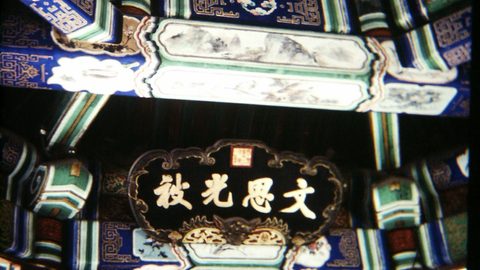 Summer Palace
The Summer Palace is vast and the wrong entrance adds an hour of walking. Use the East Palace Gate and plan for at least four hours.
Summer Palace
The Summer Palace is vast and the wrong entrance adds an hour of walking. Use the East Palace Gate and plan for at least four hours.