China High-Speed Rail and Metro Without Chinese Reading Skills
China high-speed rail is the best way between cities, but booking and boarding as a foreigner means passports, Chinese signs and buffer time.
China High-Speed Rail for Foreigners: How to Book and Board
You stand at a station entrance where every sign is Chinese first, the ticket gate reads your travel document, and the announcement you just heard might have been your train. Here is how to do it without speaking or reading Chinese.
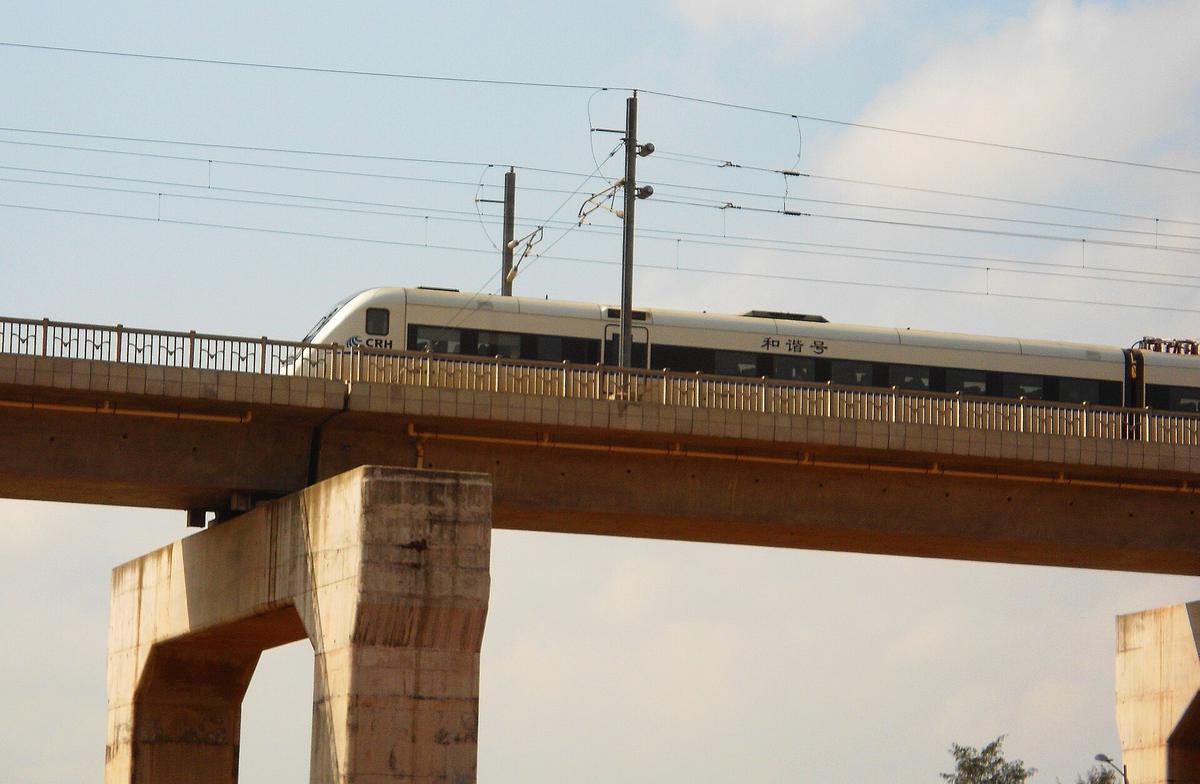
China’s high-speed rail network covers roughly 45,000 km (2024) and runs at 300 to 350 km/h on main corridors. G-trains are the fastest class. Second Class seats (430, 460 mm wide, 3+2 configuration) cost ¥553 to ¥662 for the 1,318 km Beijing, Shanghai run, which takes 4 h 18 min at best. First Class (2+2, about 1.6, 1.8 times the price) and Business Class (2+1 or 1+1, roughly 3, 3.5 times) are quieter and wider. Your passport is your ticket at every step.

How to Book a Ticket
You book through the official Railway 12306 system (website at 12306.cn, app called Railway 12306) or a third-party site like Trip.com, China Highlights, or Travel China Guide. Third-party platforms charge ¥20 to ¥60 per ticket for the translation and foreign-card support. The 12306 app is Chinese only. Either way, you need your passport number at booking. Tickets release 15 days before departure. Book the day they drop for popular routes: Beijing, Xi’an, Shanghai, Hangzhou (45 min fastest), and Xi’an, Chengdu (3 h 07 min fastest) sell out fast on weekends.
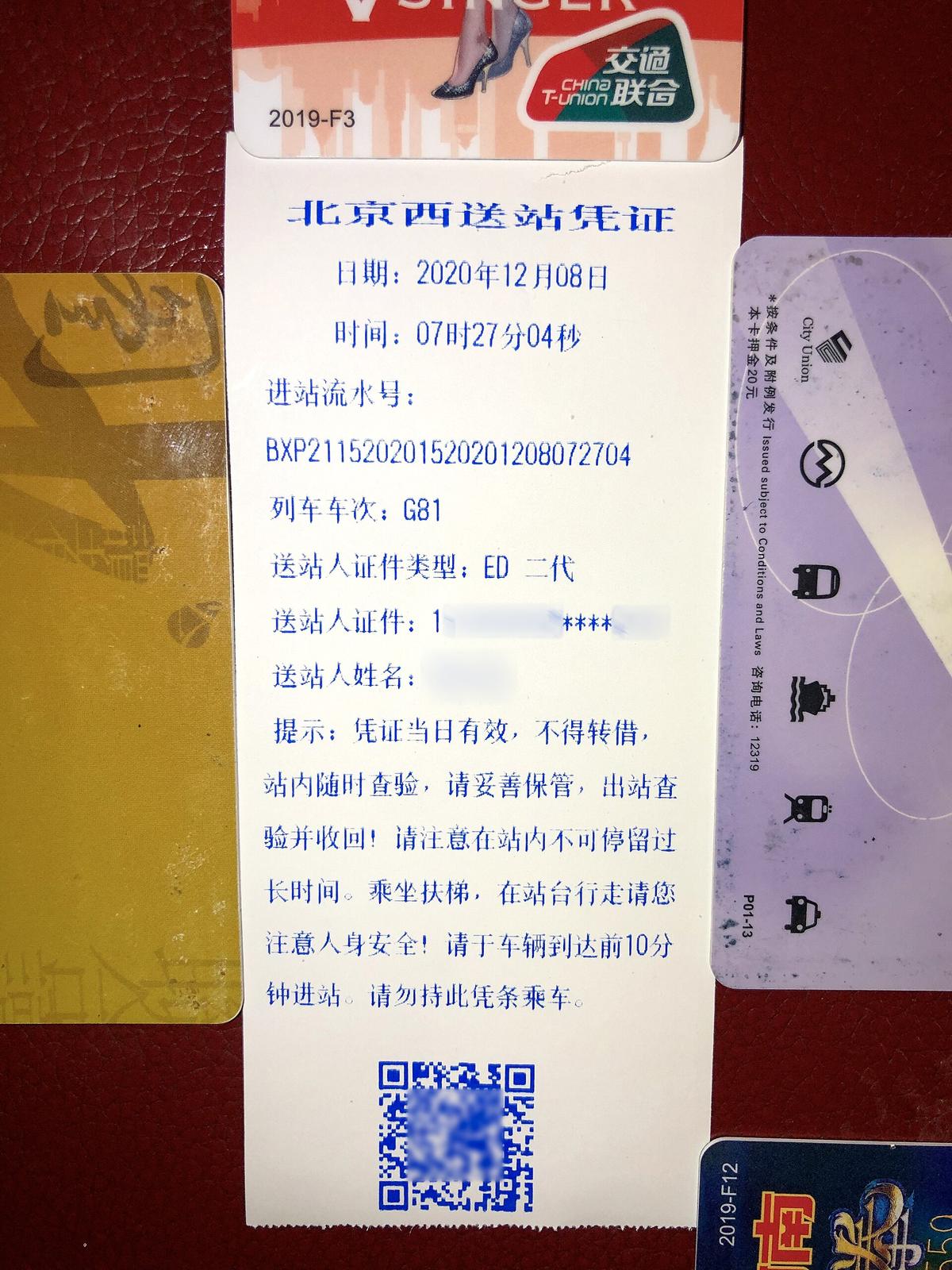
E-tickets are linked to your passport. You do not collect a paper ticket at most stations. At the gate, scan your passport. The machine reads your booking. If it fails, walk to the manual counter. Never buy from touts. Real-name ticketing means the name on the booking must match your passport exactly.
What to Do at the Station
Arrive Early and Pass Security
Arrive 60 to 90 minutes before departure. Every station X-rays all passengers and baggage at the entrance, before the waiting hall. Beijing South, Shanghai Hongqiao, and Xi’an North are the hubs you will use. They are enormous.
Find Your Gate and Board
At Beijing South, the waiting hall spans multiple levels and departure boards show train numbers in Chinese and English, but platform announcements are mostly Chinese. Find your train on the board, check the gate number, and sit near that gate. When boarding starts, join the queue. Scan your passport again at the gate. Follow the crowd to the platform. Your carriage number is on the electronic sign above the platform floor and on your ticket. Stand near that marker.
How to Read a Chinese Train Ticket
Your ticket shows the train number (G followed by four digits), departure time, arrival time, seat class, carriage number, and seat number. Carriage numbers are on the train door. Seat numbers are on the luggage rack above the seat. If you are in Second Class, your seat is marked ABC (window, middle, aisle) and DF (aisle, window) on the other side. First Class is AC and DF. Business Class is AC and F in a 2+1 or 1+1 layout. If you cannot find your seat, show the ticket to a crew member. They will point.
Which Train Class to Pick
Short Runs Versus Long Hauls
Second Class works for journeys under two hours: Shanghai, Hangzhou (45 min) or Guangzhou, Shenzhen (29 min). For the 4 h 18 min Beijing, Shanghai run or the 7 h 40 min Beijing, Guangzhou run, upgrade to First Class. You get wider seats, legroom, and quieter cars.
When Rail Beats Flying
Business Class reclines fully and includes a meal on long routes. It costs three to 3.5 times Second Class: ¥1,748 to ¥2,318 for Beijing, Shanghai. If your trip is over 1,200 to 1,500 km, compare rail with flying. Beijing, Shanghai by air takes 2 h 10 min to 2 h 30 min plus airport travel and check-in closure 40 min before departure. The rail station is central. The airport is not. Rail wins for convenience up to about 1,500 km.
.jpg)
Getting Between the Train Station and Your Hotel
Metro Connections From Rail Hubs
Beijing South connects to Metro Line 4. Shanghai Hongqiao connects to Metro Lines 2 and 10 (30 to 40 min to the centre, ¥5). Xi’an North connects to Metro Line 2. Use Didi (the ride-hailing app, English interface available) with a foreign Visa, Mastercard, Amex, or JCB if the metro is closed or you have heavy bags. The Alipay mini-program Amap also works for ride-hailing. Cash is often refused. Keep your payment apps loaded.
Airport Arrivals
If you arrive by air, take the Airport Express from Beijing Capital to Dongzhimen (25, 35 min, ¥25) or from Beijing Daxing to Caoqiao (20, 40 min, ¥35). From Shanghai Pudong, the Maglev reaches Longyang Road in 8 min (¥50), then switch to metro. Metro Line 2 from Pudong takes 60 to 70 min (¥7) but costs less.
Who This is for and Who Should Skip it
This works for first-time Asia travellers aiming for Beijing, Xi’an, and Shanghai in 10 days by high-speed rail, and for independent travellers willing to pre-load Alipay, WeChat, a VPN, and a translation app before arrival. It is not for spontaneous backpackers without a smartphone, anyone unwilling to deal with Chinese-first signage and queues, or travellers who want quiet nature or beach escapes. The single thing that most often goes wrong is trying to see too many far-apart cities in one trip. Beijing, Shanghai, Xi’an, Guilin, and Chengdu in two weeks loses multiple days to trains and stations. Pick three cities. Book G-trains. Scan your passport. Move fast.
Common Questions
Can I buy a high-speed rail ticket at the station with my passport?
Yes. Go to the manual ticket counter, show your passport, and pay by WeChat Pay, Alipay, or cash. Queue times vary. Allow an extra 30 minutes for this.
What if my passport scan fails at the gate?
Walk to the manual ticket check counter near the gates. Staff verify your booking and passport and let you through. Happens often with new passports.
Do I need a paper ticket for the high-speed rail?
No. Your passport is your e-ticket at the station entrance, gate, and on board. In rare cases a printed receipt helps but is not required.
Can I change or refund my ticket on 12306 as a foreigner?
Yes, through the app or at a station counter. Refund fees apply. Third-party sites like Trip.com charge their own fee for changes.
Read next
-

 China Visa-Free Transit and Unilateral Entry Rules Explained
China visa-free transit and unilateral entry rules change often. Here is how they work now, who qualifies, and what breaks a stay.
China Visa-Free Transit and Unilateral Entry Rules Explained
China visa-free transit and unilateral entry rules change often. Here is how they work now, who qualifies, and what breaks a stay.
-
 Cash to Cashless in China What First-Timers Must Set Up
China runs on Alipay and WeChat Pay, and cash is often refused. Set up both with a foreign card before you land or risk being stranded.
Cash to Cashless in China What First-Timers Must Set Up
China runs on Alipay and WeChat Pay, and cash is often refused. Set up both with a foreign card before you land or risk being stranded.
-
 Will Google, WhatsApp and Maps Actually Work on a China eSIM
A China eSIM solves data but not the firewall. Here is what actually works for Google, WhatsApp and Maps and why a VPN still matters.
Will Google, WhatsApp and Maps Actually Work on a China eSIM
A China eSIM solves data but not the firewall. Here is what actually works for Google, WhatsApp and Maps and why a VPN still matters.
-
 China Public Holidays and What They Do to Travel
China's national holidays trigger massive domestic travel, sold-out trains, and packed sights. Here's when they fall and how to plan around them.
China Public Holidays and What They Do to Travel
China's national holidays trigger massive domestic travel, sold-out trains, and packed sights. Here's when they fall and how to plan around them.
-
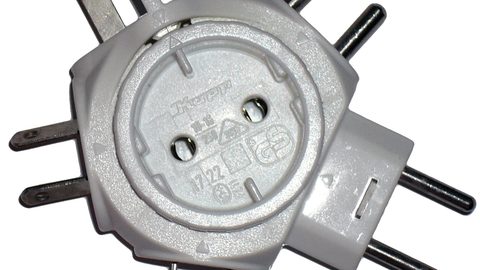 China Plugs Voltage and What to Actually Pack
China runs on 220V with three possible plug types. Here's exactly what adapter to pack and which devices need a voltage converter.
China Plugs Voltage and What to Actually Pack
China runs on 220V with three possible plug types. Here's exactly what adapter to pack and which devices need a voltage converter.
-
 Best Time to Visit China Month by Month Across Climates
China spans several climates and two Golden Weeks. Here is the month-by-month tradeoff so you can pick dates without regret.
Best Time to Visit China Month by Month Across Climates
China spans several climates and two Golden Weeks. Here is the month-by-month tradeoff so you can pick dates without regret.
-
 Guangzhou
A Guangzhou travel guide that puts Cantonese food and real neighbourhoods first, for travellers who prefer chaotic wholesale markets and yum cha to polished tourist sights.
Guangzhou
A Guangzhou travel guide that puts Cantonese food and real neighbourhoods first, for travellers who prefer chaotic wholesale markets and yum cha to polished tourist sights.
-
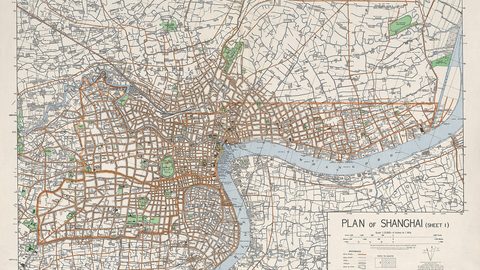 Shanghai
 hits visitors with a disorienting mix of futuristic skyline and lane-house nostalgia. Our hub orients you against Beijing and routes you to every planning page.
Shanghai
Shanghai hits visitors with a disorienting mix of futuristic skyline and lane-house nostalgia. Our hub orients you against Beijing and routes you to every planning page.
-
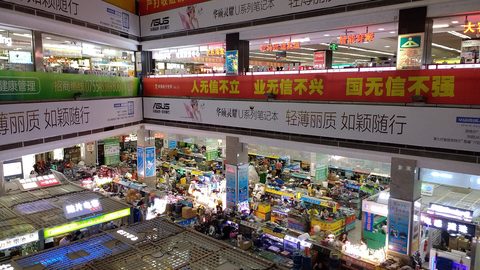 Shenzhen
 is a 40-year-old city built on hardware, ambition, and migrants. This guide tells you what it is actually for and whether it belongs in your trip.
Shenzhen
Shenzhen is a 40-year-old city built on hardware, ambition, and migrants. This guide tells you what it is actually for and whether it belongs in your trip.