China Safety Beyond the Low Violent Crime Headline
China has low violent crime but real scams, bureaucracy and health friction. Here is what actually affects tourists in Beijing and Shanghai.
China Safety Beyond the Low Violent Crime Headline
A uniformed police officer on Tiananmen Square motions to a group of tourists and checks their passports without a word. That five-second interaction is the closest most visitors come to anything dangerous in China. Violent crime is extremely low, with a homicide rate of roughly 0.5 per 100,000 people annually, comparable to Singapore and far below the United States or much of Europe. The actual risks are scams, bureaucratic friction, and health concerns that catch travellers off guard because they do not match the low-crime headline.
The question isn't really whether China is safe for tourists. It is, statistically. The real question is whether you are prepared for the specific frustrations that replace violent crime as your main safety concern: inflated tea house bills, fake art student hustles, police passport checks, air quality alerts in northern cities, and a hospital system that expects upfront payment in cash from anyone without international insurance.

The Scams That Matter More Than Theft
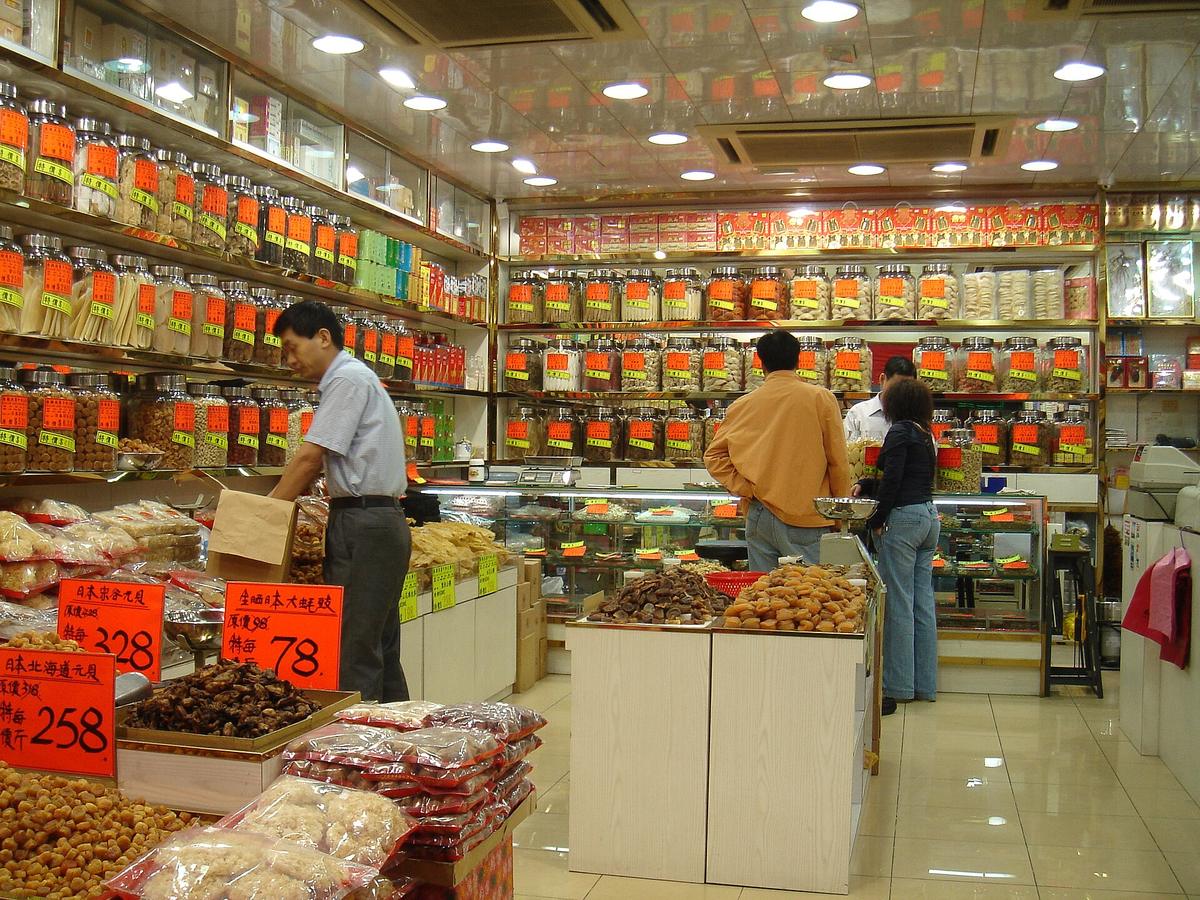
Petty theft exists in crowded metro stations and tourist magnets like the Bund in Shanghai, but it is not the primary danger. The focused scams are what you need to avoid.
The Tea House Scam
In Beijing and Shanghai, local women approach male foreign visitors near popular sights and invite them to a traditional tea ceremony. The location is a nondescript tea house. After the visitor is seated, the woman leaves. The bill arrives for hundreds or thousands of yuan. Decline any unsolicited invitation from a stranger on the street. If you want a tea ceremony, book one through your hotel or a reputable tour operator.
The Art Student Scam
Another variant: someone posing as an art student approaches you, strikes up a conversation, and invites you to a gallery or studio. Once inside, there is pressure to buy overpriced, low-quality art. The polite but firm refusal works. Say no and walk away immediately. Do not let the conversation continue.
Taxi And Market Scams
Taxi drivers may claim the meter is broken, then negotiate an inflated flat fare or take a longer route. Unlicensed taxis are the most common source of this scam. Use the ride-hailing app Didi, which works in English, to get a fixed price. At markets like the Silk Market or Yashow Market in Beijing, the fake goods scam is routine: a seller offers branded goods at a very low price, then switches the item or sells counterfeit as genuine. Buy nothing from a market stall without inspecting it fully.
Bureaucratic Friction: Passports, Registration and Police
China requires you to carry your passport at all times. Police can request to see it at any moment, including on the street, in the metro, or at train stations. Failure to produce it can result in detention or a fine. Keep the passport in a zipped interior pocket, not a backpack you take off.
Every hotel registers foreign guests with the local police within 24 hours of check-in. This is automatic at licensed hotels. If you stay in a private home, you must register at the local police station within 24 hours in urban areas or 72 hours in rural areas. Skip this and you risk a fine or complications when leaving the country.
Station names, ticket gates, and signs are often Chinese-first across the high-speed rail network. You need your passport to enter every station and to buy or collect tickets. Budget an extra 15 minutes at each station for the manual check, especially if the station is crowded.
| AQI Range (US EPA Scale) | Health Category | Who This Affects |
|---|---|---|
| 101-150 | Unhealthy for Sensitive Groups | Children, older adults, people with heart or lung disease, pregnant women, anyone exercising outdoors |
| 151-200 | Unhealthy | All individuals should reduce prolonged outdoor exertion |
| 201-300 | Very Unhealthy | Everyone should avoid outdoor activity |
| 301-500 | Hazardous | Emergency conditions; stay indoors |

Air Quality and Your Lungs
The annual mean PM2.5 level in Beijing runs about 32-38 µg/m³. Shanghai is better at 25-30 µg/m³, and Guangzhou is lower still at 20-25 µg/m³. None of these numbers meet the World Health Organization guideline of 10 µg/m³. During winter in northern cities, air quality can spike into the Unhealthy or Very Unhealthy range for days.
What To Do When The Air Turns Bad
Check the AQI on your phone each morning. If it is above 150, skip morning runs and outdoor sightseeing. Wear an N95 or KN95 mask when the AQI exceeds 100. Pharmacies in major cities stock these. If you have asthma, heart disease, or are pregnant, factor in three to five indoor days in Beijing during winter months and plan museums, shopping, or indoor food tours for those dates.
Frequently Asked Questions
Can I drink tap water in China?
No. Tap water is not potable anywhere in mainland China. Bottled water is widely available in convenience stores, supermarkets, and hotels.
What happens if a police officer asks for my passport and I don't have it?
You can be detained or fined. Carry your passport at all times in an interior pocket or money belt.
I got sick after street food. Where do I go for medical help?
International clinics include Beijing United Family Hospital, Shanghai United Family Hospital, and branches in Guangzhou, Shenzhen, and Chengdu. They accept international insurance or upfront payment. Public hospitals require a deposit in cash.
Do I need vaccinations before going to China?
Yes. The hepatitis A vaccine is recommended for most travellers. The typhoid vaccine is recommended if you plan to eat outside major restaurants and hotels.
Is it safe to walk around at night in Beijing or Shanghai?
Yes, in most areas. Violent crime is very low. Exercise normal caution in poorly lit streets and avoid wandering alone late at night in unfamiliar areas.
How do I avoid the tea house scam?
Decline any unsolicited invitation from a stranger on the street. If you want a tea ceremony, book one through your hotel or a reputable tour operator.
What do I do if I have a medical emergency at 1 am?
Dial 120 for an ambulance. Go to the emergency room of the nearest United Family Hospital or a major public hospital. Bring your passport and international insurance card. Expect to pay a deposit in cash or credit card at public hospitals.
Read next
-

 China Visa-Free Transit and Unilateral Entry Rules Explained
China visa-free transit and unilateral entry rules change often. Here is how they work now, who qualifies, and what breaks a stay.
China Visa-Free Transit and Unilateral Entry Rules Explained
China visa-free transit and unilateral entry rules change often. Here is how they work now, who qualifies, and what breaks a stay.
-
 Cash to Cashless in China What First-Timers Must Set Up
China runs on Alipay and WeChat Pay, and cash is often refused. Set up both with a foreign card before you land or risk being stranded.
Cash to Cashless in China What First-Timers Must Set Up
China runs on Alipay and WeChat Pay, and cash is often refused. Set up both with a foreign card before you land or risk being stranded.
-
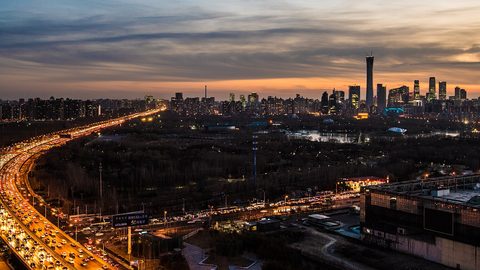 Will Google, WhatsApp and Maps Actually Work on a China eSIM
A China eSIM solves data but not the firewall. Here is what actually works for Google, WhatsApp and Maps and why a VPN still matters.
Will Google, WhatsApp and Maps Actually Work on a China eSIM
A China eSIM solves data but not the firewall. Here is what actually works for Google, WhatsApp and Maps and why a VPN still matters.
-
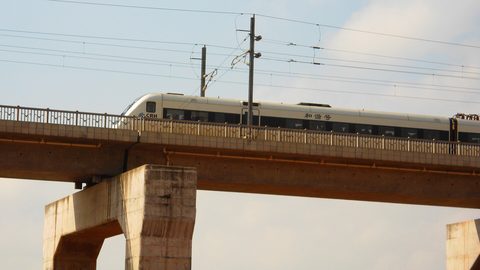 How to Book China High-Speed Rail as a Foreigner
China high-speed rail is the best way between cities, but booking and boarding as a foreigner means passports, Chinese signs and buffer time.
How to Book China High-Speed Rail as a Foreigner
China high-speed rail is the best way between cities, but booking and boarding as a foreigner means passports, Chinese signs and buffer time.
-
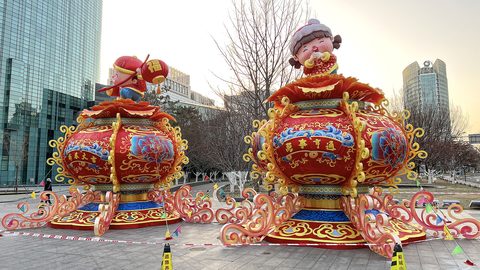 China Public Holidays and What They Do to Travel
China's national holidays trigger massive domestic travel, sold-out trains, and packed sights. Here's when they fall and how to plan around them.
China Public Holidays and What They Do to Travel
China's national holidays trigger massive domestic travel, sold-out trains, and packed sights. Here's when they fall and how to plan around them.
-
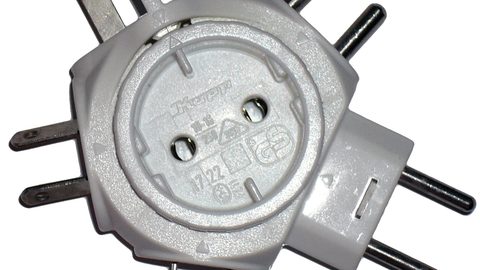 China Plugs Voltage and What to Actually Pack
China runs on 220V with three possible plug types. Here's exactly what adapter to pack and which devices need a voltage converter.
China Plugs Voltage and What to Actually Pack
China runs on 220V with three possible plug types. Here's exactly what adapter to pack and which devices need a voltage converter.
-
 Guangzhou
A Guangzhou travel guide that puts Cantonese food and real neighbourhoods first, for travellers who prefer chaotic wholesale markets and yum cha to polished tourist sights.
Guangzhou
A Guangzhou travel guide that puts Cantonese food and real neighbourhoods first, for travellers who prefer chaotic wholesale markets and yum cha to polished tourist sights.
-
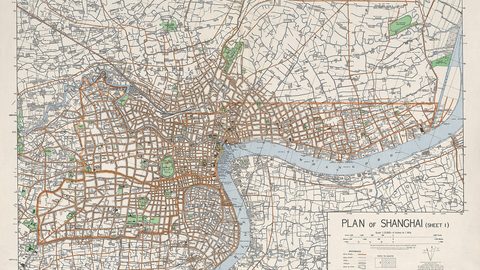 Shanghai
 hits visitors with a disorienting mix of futuristic skyline and lane-house nostalgia. Our hub orients you against Beijing and routes you to every planning page.
Shanghai
Shanghai hits visitors with a disorienting mix of futuristic skyline and lane-house nostalgia. Our hub orients you against Beijing and routes you to every planning page.
-
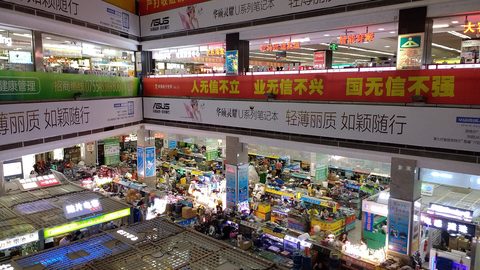 Shenzhen
 is a 40-year-old city built on hardware, ambition, and migrants. This guide tells you what it is actually for and whether it belongs in your trip.
Shenzhen
Shenzhen is a 40-year-old city built on hardware, ambition, and migrants. This guide tells you what it is actually for and whether it belongs in your trip.