Navigating the Futako Tamagawa Rise Shopping Complex and Its Surroundings
A shopper's map to Futako Tamagawa, comparing the modern Rise complex zones with the traditional local streets around the station on the Setagaya side.
Shopping at Futako Tamagawa Rise and the Local Streets Behind the Station
Most visitors treat Futako Tamagawa as a single mall trip. That is the wrong move. The station splits into two separate retail zones, each built for a different task. The Rise development, opened in 2015, is a polished, high-spend shopping centre with roughly 180 tenants anchored by a Takashimaya department store. On the opposite, west side of the station, a covered shopping street called Futako Tamagawa Ichibangai sells groceries and daily goods at 30 to 60 percent less than Rise prices. You need both. Here is how to use each one.
The Rise Complex: Three Zones, One Purpose
Rise is not a single building. It splits into Town Front, River Front, and Dogwood Plaza. Town Front holds most of the fashion and the Takashimaya department store. River Front runs along the Tama River and contains the restaurants and the 109 Cinemas Futako Tamagawa, which has 10 screens. Dogwood Plaza is the open-air plaza between them, used for events and seating.
Takashimaya Futako Tamagawa: The Anchor
Takashimaya dominates the development with a 42,000 square metre store from basement one to the seventh floor. Shops open 10:00 to 20:00. Restaurants run 11:00 to 22:30. The interior floors occupy levels four and five. Those floors carry Francfranc, KEYUCA, Marimekko, Iittala, Le Creuset, Staub, Alessi, Vitra, Herman Miller, and Karimoku. The 2024 average transaction value here was ¥12,000 to ¥15,000, higher than the ¥9,000 to ¥11,000 average at Takashimaya Shinjuku. That premium reflects a wealthy local catchment. The median household income in the Futako Tamagawa district is estimated at ¥9 to ¥12 million per year.
Homeware Specialists Outside the Department Store
If you are here for furniture or home goods, skip Takashimaya's fourth and fifth floors. Head to the standalone stores in Rise instead. ACTUS sits on the third and fourth floors. IDÉE SHOP is on the third. MOMO natural and unico are both on the fourth. BoConcept and THE CONRAN SHOP share the third floor. Afternoon Tea LIVING is also on the third. These brands charge 5 to 15 percent more than their Shinjuku or Shibuya flagships because of lower price competition in the catchment. If you know what you want, buy it in central Tokyo. If you want to browse without a crowd, this is the place.
When to Go and What It Costs
Weekday lunch crowds are local residents with pre-school children and retirees. Weekends draw families from wider Setagaya and Kawasaki, peaking 11:00 to 15:00. The development saw roughly 35 million visitors in 2024. Parking costs ¥300 per 30 minutes, with a daily maximum of ¥1,800 on weekdays and ¥2,400 on weekends and holidays. The 1,700-space lot fills by 10:30 on Saturdays. Arrive before 10:00 or take the train. Futako Tamagawa station handles about 160,000 passengers daily across the Tokyu Den-en-toshi and Oimachi lines.

The Shotengai: the Real Local Shopping Street
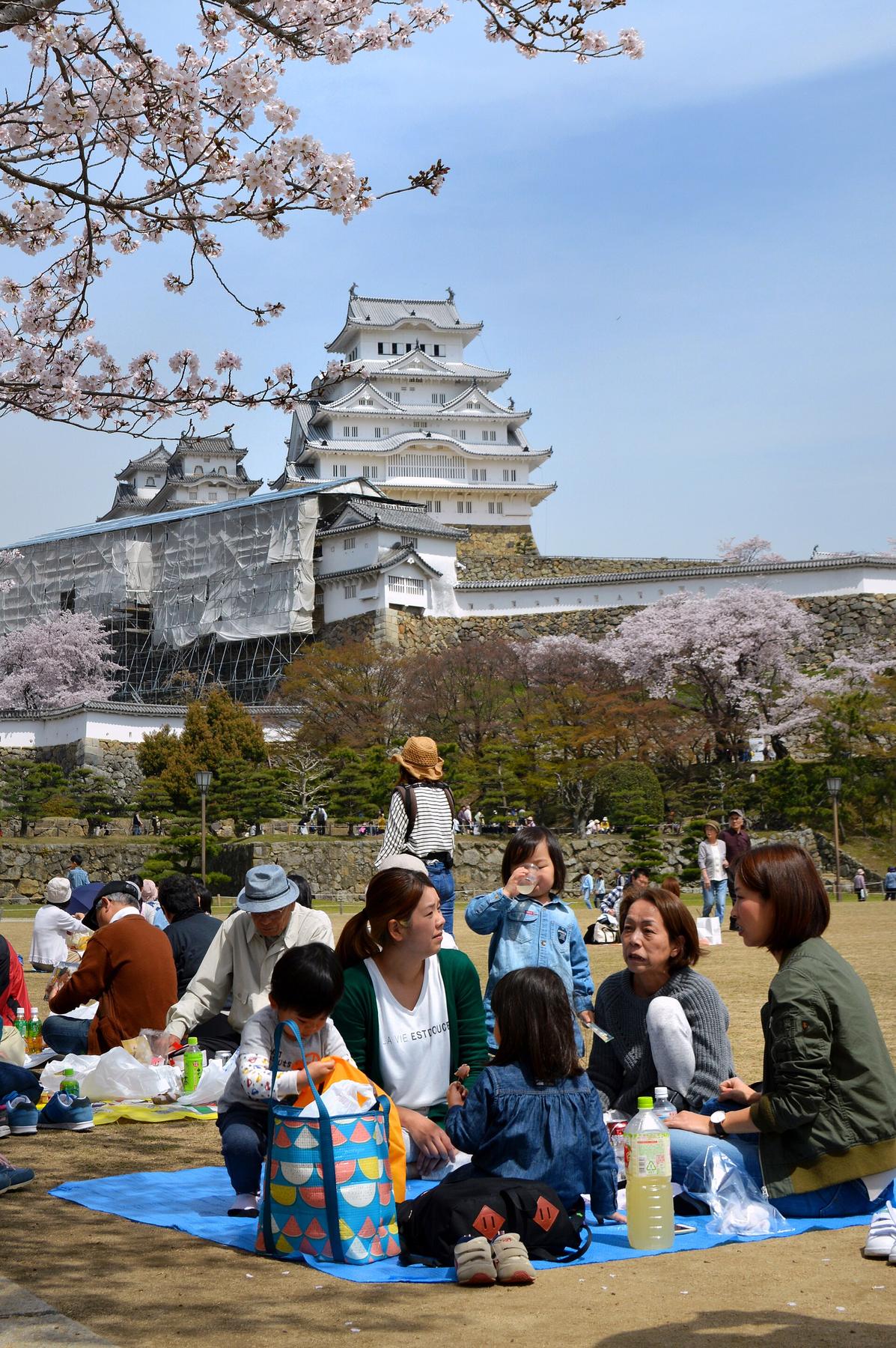
Cross to the west side of the station, the Oimachi Line side, and you hit the Futako Tamagawa Shopping Street. Its covered arcade, the Futako Tamagawa Ichibangai, is the opposite of Rise in almost every way. Tenants are independent greengrocers, butchers, fishmongers, hundred-yen shops, family-run izakaya, old-school kissaten, and discount drugstores. Prices on comparable groceries and daily goods run 30 to 60 percent lower than in Rise. A kilo of tomatoes here costs half what it does at the Takashimaya basement market.
The shopping street runs on a different clock. Food shops close between 18:00 and 19:00. Restaurants stay open until 20:00 to 22:00. The peak crowd is weekday mornings from 09:00 to 11:00, dominated by local seniors. Arrive at 13:00 and the fishmonger is already packing up. Go between 09:30 and 10:30 for the best selection and the sharpest prices. Do not bring a credit card. Most shops take cash only. The nearest ATM is a Seven Bank machine inside the station ticket gate.
Which Zone for What Task
Use the shopping street for daily groceries, fresh fish, meat, vegetables, over-the-counter medicine, and a cheap lunch at a kissaten. Use Rise for homeware, furniture, cinema, dinner with drinks, and branded clothing. Do not use Rise for a head of cabbage or a box of bandages. Do not use the shopping street for a designer sofa or a Danish dining table. Each zone is good at one thing. Neither is good at everything.
The failure case is 19:30 on a Sunday. The food shops are closed. Rise shops close at 20:00. Your only option is the Rise restaurant floor, which stays open until 23:00, or the convenience store on the station concourse. Plan your grocery run for the morning.

Common Questions
What are the Rise complex opening hours?
Shops are open 10:00 to 20:00. Restaurants operate 11:00 to 23:00, though individual tenants may vary. The Takashimaya department store follows the same 10:00 to 20:00 schedule, with restaurants until 22:30.
Where is the cheapest place to buy groceries near Futako Tamagawa Station?
The Futako Tamagawa Ichibangai, on the west side of the station. Prices on comparable items are 30 to 60 percent lower than in Rise. Go between 09:30 and 10:30 for best selection. Most shops close by 19:00.
Is parking available at the Rise complex?
Yes, there are approximately 1,700 parking spaces. The rate is ¥300 per 30 minutes. The daily maximum is ¥1,800 on weekdays and ¥2,400 on weekends and holidays. The lot fills by 10:30 on Saturdays.
Which homeware brands are in the Rise complex?
Standalone stores include ACTUS, IDÉE SHOP, MOMO natural, unico, BoConcept, THE CONRAN SHOP, and Afternoon Tea LIVING. Inside Takashimaya on floors 4 and 5 you will find Francfranc, KEYUCA, Marimekko, Iittala, Le Creuset, Staub, Alessi, Vitra, Herman Miller, and Karimoku.
Why are prices higher at the Rise complex than in central Tokyo?
The 2024 data shows identical branded goods cost 5 to 15 percent more at Rise than at Shinjuku or Shibuya flagships. This is due to the lower price competition in the wealthy local catchment, where the median household income is estimated at ¥9 to ¥12 million per year.
Read next
-
 Futako Tamagawa Things to Do Along the Riverside Away from Central Tokyo
Experience Tokyo as residents do along the Tama River in Futako Tamagawa, a suburb built around weekend picnics, cycling paths, and the sprawling Rise complex.
Futako Tamagawa Things to Do Along the Riverside Away from Central Tokyo
Experience Tokyo as residents do along the Tama River in Futako Tamagawa, a suburb built around weekend picnics, cycling paths, and the sprawling Rise complex.
-
 Japan Travel Guide for First-Timers Who Like Order but Not Crowds
Japan delivers deep tradition and futuristic efficiency, but the language barrier and density of rules can exhaust first-timers. Here is what to actually expect.
Japan Travel Guide for First-Timers Who Like Order but Not Crowds
Japan delivers deep tradition and futuristic efficiency, but the language barrier and density of rules can exhaust first-timers. Here is what to actually expect.
-
 Japan eSIM vs Pocket WiFi vs Physical SIM for Staying Connected
Free public WiFi across Japan is unreliable and slow. Compare eSIM plans from Ubigi and Airalo against renting a pocket WiFi device at Narita or Haneda.
Japan eSIM vs Pocket WiFi vs Physical SIM for Staying Connected
Free public WiFi across Japan is unreliable and slow. Compare eSIM plans from Ubigi and Airalo against renting a pocket WiFi device at Narita or Haneda.
-
 Japan Visa-Free Entry and the Visit Japan Web Digital Form
Visa-free entry covers many nationalities, but the Visit Japan Web digital form and QR codes determine how quickly you clear immigration at Narita or Haneda.
Japan Visa-Free Entry and the Visit Japan Web Digital Form
Visa-free entry covers many nationalities, but the Visit Japan Web digital form and QR codes determine how quickly you clear immigration at Narita or Haneda.
-
 Cash and IC Cards Are the Real Payment System in Japan
Japan projects a high-tech image but many small restaurants, temples, and rural buses demand cash. IC cards like Suica and Icoca bridge the gap for daily spending.
Cash and IC Cards Are the Real Payment System in Japan
Japan projects a high-tech image but many small restaurants, temples, and rural buses demand cash. IC cards like Suica and Icoca bridge the gap for daily spending.
-
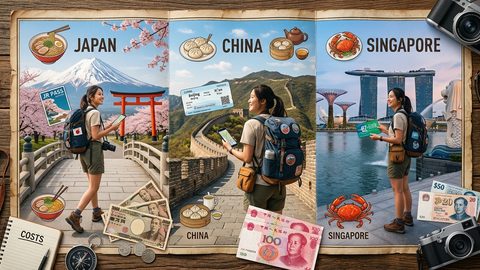 What Japan, China, and Singapore Actually Cost Independent Travelers
Real per-day costs for Japan, China, and Singapore broken down by accommodation tier, food strategy, transit, and connectivity for independent travelers.
What Japan, China, and Singapore Actually Cost Independent Travelers
Real per-day costs for Japan, China, and Singapore broken down by accommodation tier, food strategy, transit, and connectivity for independent travelers.
-
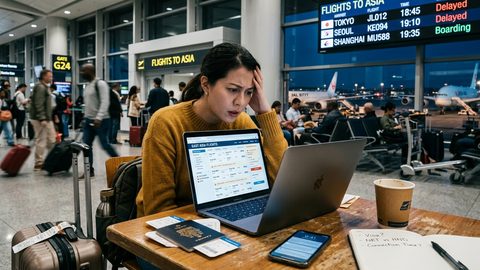 What Most Travelers Get Wrong When Booking Flights to East Asia
Most travelers book East Asia flights on price alone. Here's what they miss about route gaps, fleet age, and aircraft type on 10-14 hour hauls.
What Most Travelers Get Wrong When Booking Flights to East Asia
Most travelers book East Asia flights on price alone. Here's what they miss about route gaps, fleet age, and aircraft type on 10-14 hour hauls.
-
 The Honest Cost of Mobile Data in Japan, China, and Singapore
Real price data for SIMs, pocket WiFi, and eSIMs in Japan, China, and Singapore. Plus the friction points most travel guides quietly skip.
The Honest Cost of Mobile Data in Japan, China, and Singapore
Real price data for SIMs, pocket WiFi, and eSIMs in Japan, China, and Singapore. Plus the friction points most travel guides quietly skip.
-
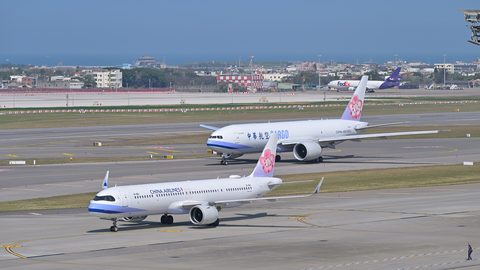 Fifth Freedom Flights Are the Award Sweet Spot Nobody Searches For
Fifth-freedom flights let you fly a foreign airline between two other countries, and they often have award seats when the airline's own hub routes are sold out.
Fifth Freedom Flights Are the Award Sweet Spot Nobody Searches For
Fifth-freedom flights let you fly a foreign airline between two other countries, and they often have award seats when the airline's own hub routes are sold out.