Shinjuku Is Loud, Vertical, and Harder to Navigate Than Expected
Shinjuku Tokyo guide to the station's east-west maze, memory lane yakitori stalls, and Golden Gai's six-seat bar rules.
- Flag
-
- ISO code
- JP
- Currency
- JPY
- Timezone
- Asia/Tokyo
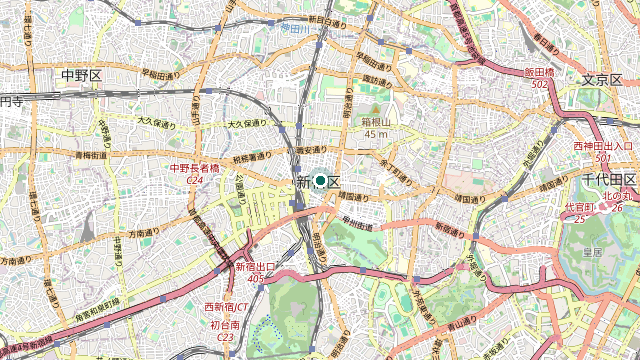
Shinjuku is Loud, Vertical, and Harder to Navigate Than Expected
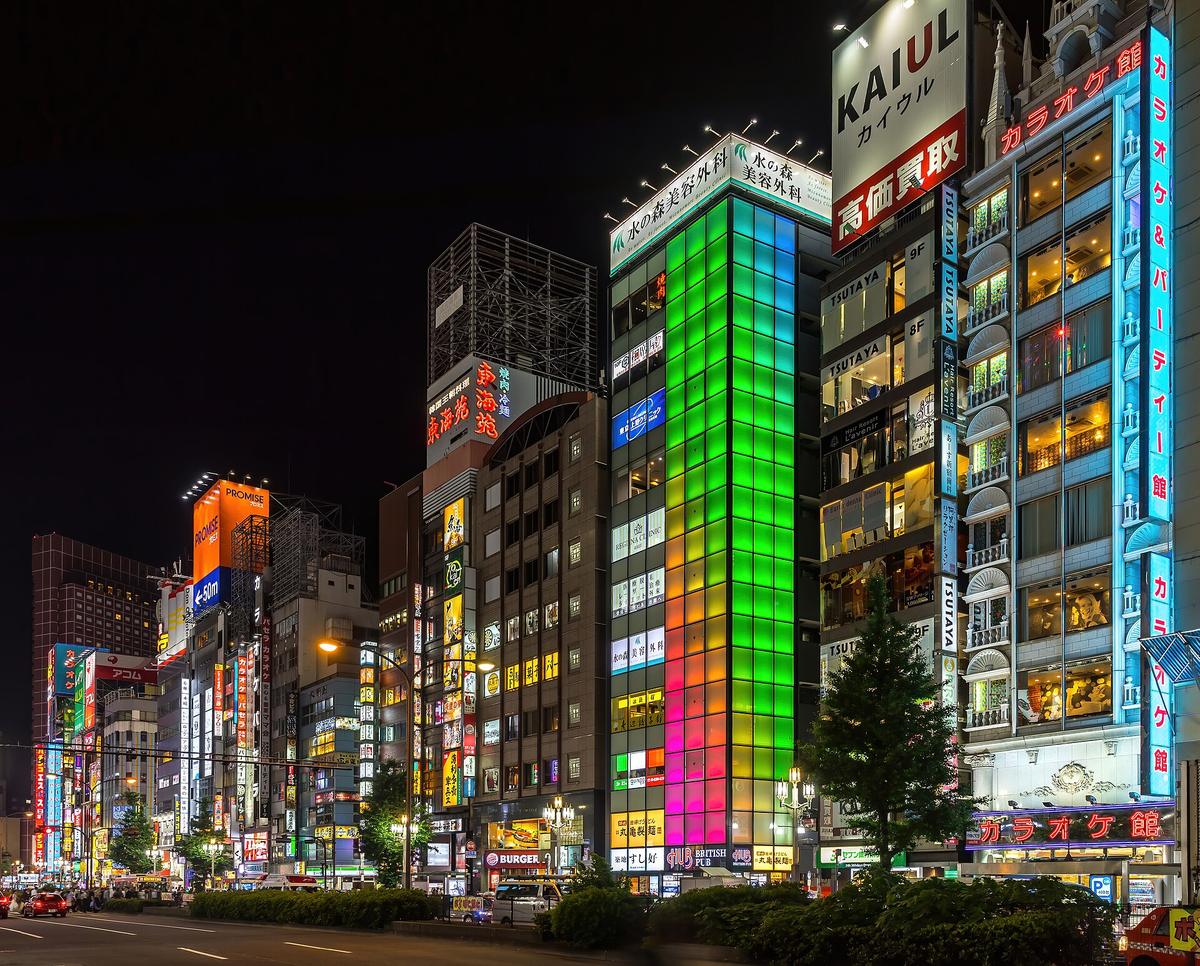
At 11pm on a Tuesday, Kabukicho is a grid of neon and noise contained within 0.36 square kilometres. Touts in cheap suits stand outside silent pachinko parlours. A crowd of salarymen flows from a karaoke box toward the station. This is Shinjuku at its most honest: a vertical district where the ground floor is a decoy and the real action happens three storeys up, four storeys down, or in a six-seat bar hidden behind a curtain. This Shinjuku guide exists to save you from the mistake every first-time visitor makes: exiting the wrong one of Shinjuku Station's 200-plus exits and losing an hour underground.
The Station is Your First Boss Fight
Know Your Exit Before You Arrive
JR Shinjuku Station handles roughly 3.5 million passengers daily across five rail operators and 36 lines. That makes it the busiest station on earth, and the most punishing to get wrong. The single rule that governs the entire maze: know your exit before you arrive. East Exit puts you into Kabukicho, Golden Gai, and Omoide Yokocho. West Exit drops you at the Tokyo Metropolitan Government Building and the skyscraper cluster. South Exit and New South Exit open toward Shinjuku Gyoen. Central East Exit lands you at Isetan. These are not flexible choices. Exiting through the wrong gate invalidates a transfer ticket, forcing a fare recalculation at a staffed window. Do not assume you can fix it en route.
Beat the Paper Ticket Trap
The station is a multi-company hub operated by JR East, Odakyu, Keio, Tokyo Metro and Toei Subway. Each company issues its own tickets, and the transfer gates between them are strict. If you hold a paper ticket and exit the JR side at a Keio gate, you will need to visit a staffed window with your route map. The fix takes five to ten minutes. The frustration lingers longer. Use a rechargeable Suica or Pasmo IC card added to your phone wallet. It sidesteps the paper ticket trap entirely. Tap through any gate without recalculating a fare.
East Versus West: A Two-Minute Decision
East of the station is the nocturnal district. West is the daytime vantage point. Kabukicho, Golden Gai, and Omoide Yokocho all lie east. The free observation decks at the Tokyo Metropolitan Government Building, on the 45th floor at 202 metres high, lie west. North and South towers both offer the same view; South Tower closes the 1st and 3rd Tuesday each month, and North Tower closes the 2nd and 4th Monday. Last entry is 30 minutes before closing. No fee, no queue at 9am or 8pm. If you are only in Shinjuku for one evening, skip the Government Building and stay east. The view from 202 metres is excellent. The view from a bar stool in Golden Gai is better.

Golden Gai, Omoide Yokocho, and the Nightlife That Demands Rules
Golden Gai is roughly 270 bars packed across six narrow alleys east of the station. Each bar holds about six seats. Many have cover charges. Most have a specific genre: jazz only, punk only, 1970s French pop, anime. Some permit photography. Many do not. The house rule, printed on small laminated cards at many entrances, is simple: ask before you photograph anything, including the exterior. Taking a photo of a bar front without permission is the fastest way to be asked to leave. If you are solo, Golden Gai works. If you are in a group larger than three, it does not. Each bar seats six. Split up or pick a larger izakaya on the main strip.
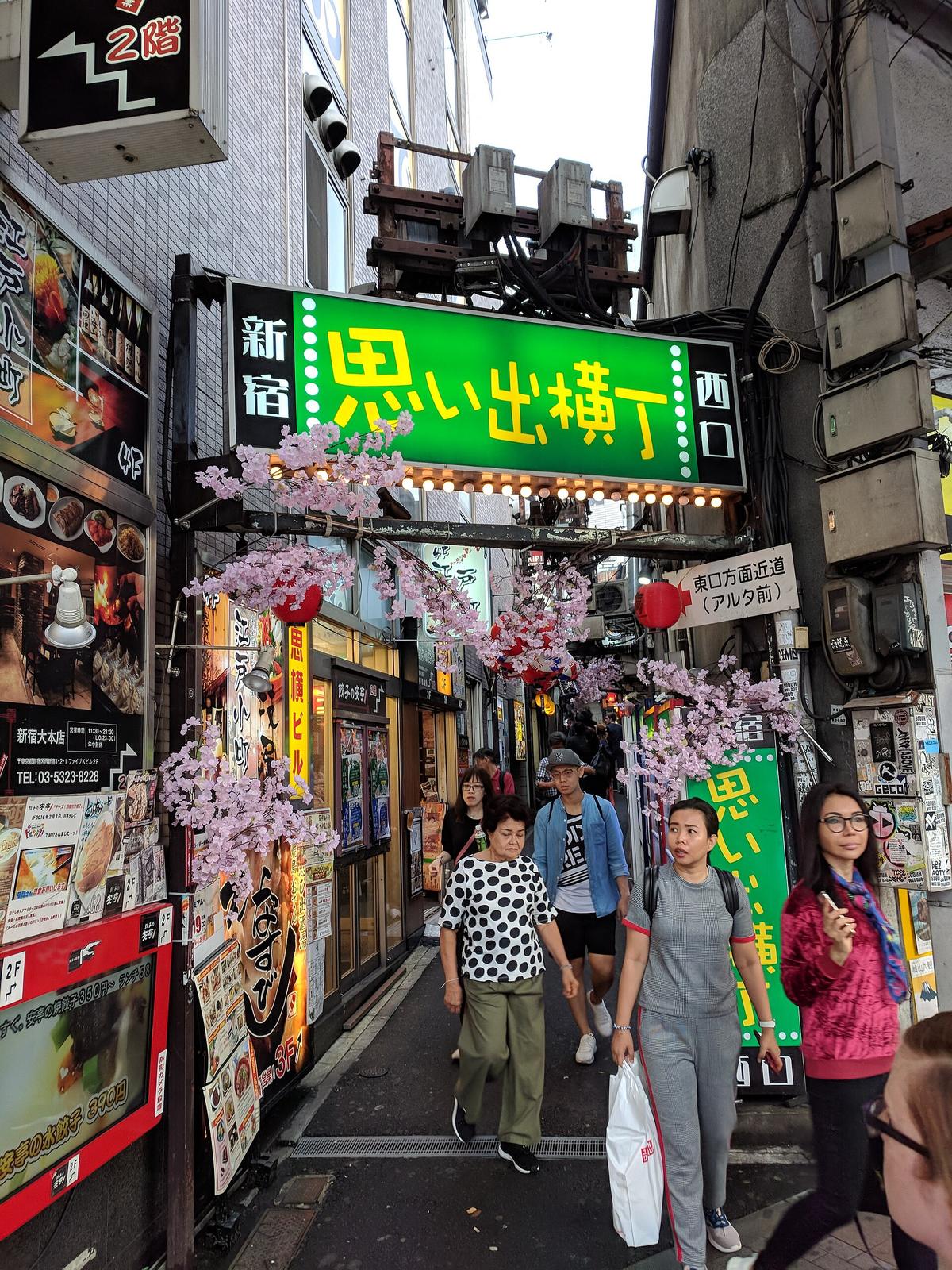
Omoide Yokocho, known locally as Piss Alley, sits a five-minute walk away. Its roughly 60 eateries date to the post-WWII black market of the 1940s. The alleys are narrower than Golden Gai's, the smoke is thicker, and the food is yakitori grilled over charcoal. No photo rules, but no space either. Arrive before 6pm or be prepared to queue. Credit cards are rare here. Carry cash in small denominations. The charm of Omoide Yokocho is not the food alone; it is the fact that this cramped, smoky lane survived the redevelopment that flattened the rest of the district. But it is loud. Noise levels run 24/7 near the entertainment zones. If you need quiet at night, do not stay in this part of Shinjuku.
Kabukicho After Dark: What to Skip
Kabukicho contains ten cinemas and a density of touts that peaks around 9pm. The Robot Restaurant closed permanently in 2020. Do not look for it. The touts outside nightclubs and host bars are aggressive but not dangerous. A firm no in Japanese or English is sufficient. The larger risk is drink spiking, which is reported at higher than average rates in this area. Stick to bottled drinks, watch your glass, and skip any bar that a tout on the street recommends. Good bars in Shinjuku do not need touts.
Shinjuku Gyoen and the Vertical Department Stores
Three Gardens, One Ticket
Shinjuku Gyoen covers 58.3 hectares and contains three distinct garden types: Japanese Formal, English Landscape, and French Formal. It holds roughly 1,500 cherry trees across multiple varieties, which means the bloom season lasts longer than at single-variety parks. The entrance fee is ¥500. The garden closes on Mondays, or on Tuesday if Monday is a national holiday, and from December 29 to January 3. Arrive through the New South Exit, South Exit, or Southeast Exit of the station. The garden is the one place in Shinjuku where you will not hear traffic. Use it as a reset between the station and the nightlife.
Master the Depachika
The major department stores run by Isetan, Takashimaya, Odakyu, Keio, and Lumine occupy the station's east and west flanks. Isetan Shinjuku, founded in 1933, covers nine floors above ground and two basement levels. The basement food hall, known as the depachika, is not a supermarket. It is a curated maze of single-item specialists: one counter selling only steamed crab, another selling only tamagoyaki, a third selling hand-formed croquettes. Budget ¥2,000 to ¥3,000 for a proper grazing session. Arrive before 7pm; the counters begin closing their displays by 7:30. The department stores on the west side, Odakyu and Keio, are accessible from the West Exit and Central West Exit. They are less crowded than Isetan but stock the same quality. Do not try to visit more than one in a single afternoon. The sheer range across 11 major stores in Shinjuku will exhaust the most determined shopper by 3pm.

Common Questions
Which exit do I take for Kabukicho and Golden Gai?
Use the East Exit or Central East Exit of JR Shinjuku Station. Kabukicho is directly north; Golden Gai is a three-minute walk northeast.
How early should I arrive at Omoide Yokocho to get a seat?
Arrive before 6pm. The roughly 60 eateries fill quickly with office workers, and walk-up seats vanish by 6:30pm.
Can I take photos inside Golden Gai bars?
Only if you ask first. Many bars prohibit photography of the interior and exterior. Assume the answer is no unless the owner explicitly says yes.
Is the Tokyo Metropolitan Government Building observatory worth visiting if I already have a Skytree ticket?
Yes, because it costs nothing and the view is 202 metres high. Skytree is 634 metres but costs over ¥2,000. Use the Government Building for a free sunset view and save Skytree for a clear morning.
How much time should I budget for Shinjuku Gyoen?
Ninety minutes if you walk the three garden types without stopping. Two hours if you linger near the cherry trees or the teahouse.
What is the safest way to pay for food in Omoide Yokocho?
Cash. Very few stalls accept cards, and the ATMs in 7-Eleven or Japan Post are the only ones that reliably accept foreign cards.
Is it safe to walk through Kabukicho alone at night?
Yes, if you stay on the main streets and ignore the touts. Stick to well-lit areas and watch your drink. The area is not dangerous, but it is persistently aggressive.
Read next
-
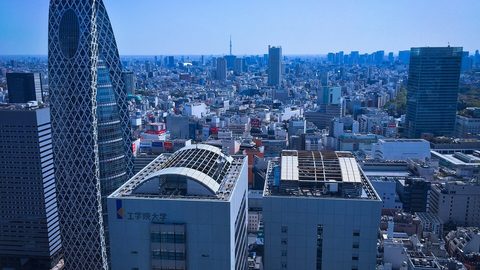 Staying in Shinjuku Which Side of the Station and What It Costs
Choosing where to stay in Shinjuku means picking a side of the station. A practical comparison of hotel areas by price, noise, and real walking distances.
Staying in Shinjuku Which Side of the Station and What It Costs
Choosing where to stay in Shinjuku means picking a side of the station. A practical comparison of hotel areas by price, noise, and real walking distances.
-
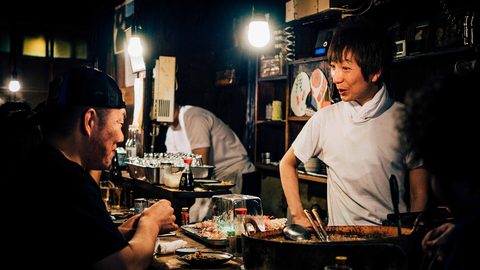 Eating in Shinjuku Omoide Yokocho Kabukicho and the Department Floors
Shinjuku's eating districts mapped and explained: the smoky alleys of Omoide Yokocho, the all-night Kabukicho sprawl, and the polished department store restaurant floors.
Eating in Shinjuku Omoide Yokocho Kabukicho and the Department Floors
Shinjuku's eating districts mapped and explained: the smoky alleys of Omoide Yokocho, the all-night Kabukicho sprawl, and the polished department store restaurant floors.
-
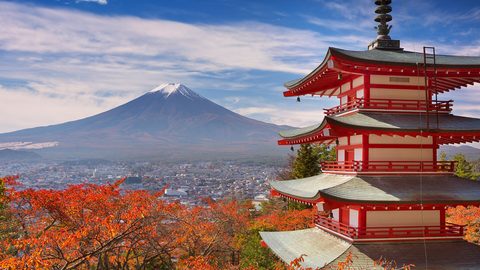 Japan Travel Guide for First-Timers Who Like Order but Not Crowds
Japan delivers deep tradition and futuristic efficiency, but the language barrier and density of rules can exhaust first-timers. Here is what to actually expect.
Japan Travel Guide for First-Timers Who Like Order but Not Crowds
Japan delivers deep tradition and futuristic efficiency, but the language barrier and density of rules can exhaust first-timers. Here is what to actually expect.
-
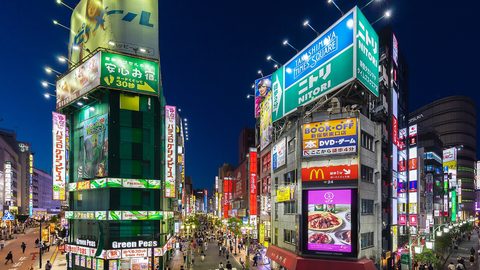 Japan eSIM vs Pocket WiFi vs Physical SIM for Staying Connected
Free public WiFi across Japan is unreliable and slow. Compare eSIM plans from Ubigi and Airalo against renting a pocket WiFi device at Narita or Haneda.
Japan eSIM vs Pocket WiFi vs Physical SIM for Staying Connected
Free public WiFi across Japan is unreliable and slow. Compare eSIM plans from Ubigi and Airalo against renting a pocket WiFi device at Narita or Haneda.
-
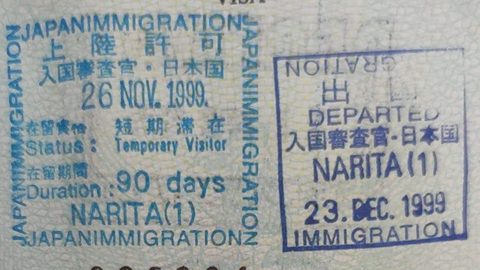 Japan Visa-Free Entry and the Visit Japan Web Digital Form
Visa-free entry covers many nationalities, but the Visit Japan Web digital form and QR codes determine how quickly you clear immigration at Narita or Haneda.
Japan Visa-Free Entry and the Visit Japan Web Digital Form
Visa-free entry covers many nationalities, but the Visit Japan Web digital form and QR codes determine how quickly you clear immigration at Narita or Haneda.
-
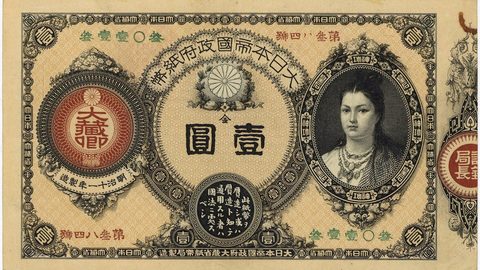 Cash and IC Cards Are the Real Payment System in Japan
Japan projects a high-tech image but many small restaurants, temples, and rural buses demand cash. IC cards like Suica and Icoca bridge the gap for daily spending.
Cash and IC Cards Are the Real Payment System in Japan
Japan projects a high-tech image but many small restaurants, temples, and rural buses demand cash. IC cards like Suica and Icoca bridge the gap for daily spending.
-
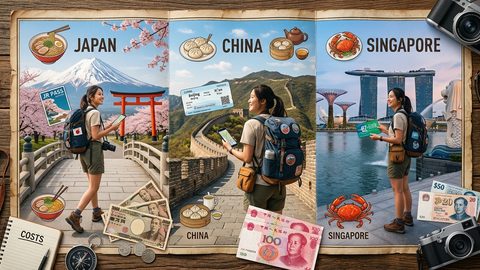 What Japan, China, and Singapore Actually Cost Independent Travelers
Real per-day costs for Japan, China, and Singapore broken down by accommodation tier, food strategy, transit, and connectivity for independent travelers.
What Japan, China, and Singapore Actually Cost Independent Travelers
Real per-day costs for Japan, China, and Singapore broken down by accommodation tier, food strategy, transit, and connectivity for independent travelers.
-
 What Most Travelers Get Wrong When Booking Flights to East Asia
Most travelers book East Asia flights on price alone. Here's what they miss about route gaps, fleet age, and aircraft type on 10-14 hour hauls.
What Most Travelers Get Wrong When Booking Flights to East Asia
Most travelers book East Asia flights on price alone. Here's what they miss about route gaps, fleet age, and aircraft type on 10-14 hour hauls.
-
 The Honest Cost of Mobile Data in Japan, China, and Singapore
Real price data for SIMs, pocket WiFi, and eSIMs in Japan, China, and Singapore. Plus the friction points most travel guides quietly skip.
The Honest Cost of Mobile Data in Japan, China, and Singapore
Real price data for SIMs, pocket WiFi, and eSIMs in Japan, China, and Singapore. Plus the friction points most travel guides quietly skip.