Shibuya Is the Crossing, Then the Steep Backstreets That Empty Fast
Shibuya Tokyo guide: the scramble crossing, the station rebuild, and the steep backstreets that empty into quiet residential lanes.
- Flag
-

- ISO code
- JP
- Currency
- JPY
- Timezone
- Asia/Tokyo
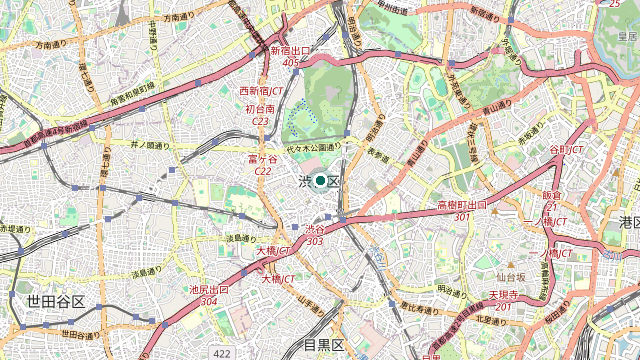
Shibuya is the Crossing, Then the Steep Backstreets That Empty Fast
The Scramble Crossing at peak green light carries roughly 3,000 people per signal phase. But the common image of Shibuya, never empty, always surging, is a photograph, not a daily reality. Most of those 3,000 people are commuting through the transit hub, not lingering. They disappear into office towers or onto trains within two minutes. The district that tourists think is a nonstop carnival is actually a vertical pocket: a bowl of commerce at the bottom, and above it, steep residential lanes that empty fast after dark. If you stand at the Hachiko exit watching the crossing, you are seeing the least interesting part of Shibuya.
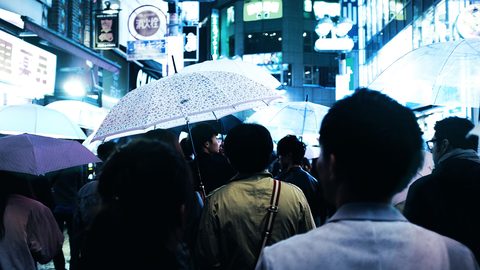
The contrast defines the place. The main drags, Koendori and Dogenzaka, run eight to twenty storeys high with road widths of 15 to 25 metres, carrying the construction cranes and nightlife neon. Two hundred metres up any side street, buildings shrink to two to four storeys, roads narrow to two to five metres, and the noise drops by orders of magnitude. Shibuya's actual rhythm lives on those slopes, where bars the size of a kitchen open onto alleys too narrow for a car. You need to climb.
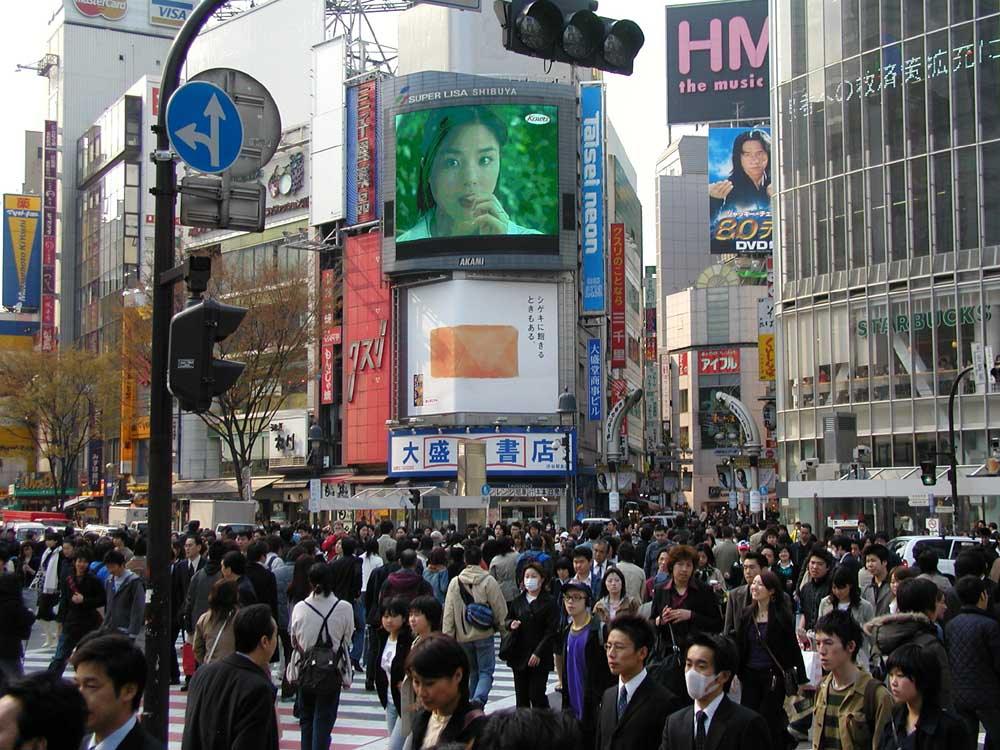
From the Hachiko Exit Into the Backstreets
Exit Shibuya Station through the Hachiko gate and face the crossing. Do not cross it. Turn left instead and walk fifty metres north on the main road until you see the mouth of Center Gai, the 350-metre pedestrian corridor that slices north toward the Love Hotel Hill. On weekends between 11:00 and 20:00 the street is pedestrian-only and dense with teenagers. That is not your target. Your target is the alleys branching off it.
Nonbei Yokocho: The Drunkard's Alley That Opens Before Dinner
Turn right off Center Gai at the second intersection and walk toward the railway tracks. You will find Nonbei Yokocho, two parallel alleys holding roughly 38 bars that date to the late 1940s and 1950s. Most seats face the street, and most counters hold six people. The alleys are open from late afternoon, not evening. Arrive at 16:00 and you can watch the bar owners arrive on foot, raise the shutters, and light the lanterns. This is the quietest hour the alley knows. By 20:00, every stool is taken. The bars lean toward whisky and sake, not cocktails. Pay with cash. Leave after one drink if the place is full; these are not linger-spots.
Ura-Shibuya: The Street Where the Map Lies
The network of backstreets between Meiji-dori and the Yamate-dori loop is called Ura-Shibuya. The road widths here measure two to five metres. Google Maps struggles with vertical navigation in multi-floor transit malls, but it also fails here: the alleys are too narrow for accurate GPS pinning, and buildings overlap enough that your blue dot jumps between floors. Walk without a destination. Pick a slope that goes up. You will find clothing shops run out of ground-floor apartments, a single-counter soba place no menu, a gallery showing a single artist. The only rule: if the street dead-ends at a staircase, take it. The residential lanes above the commercial bowl are where Shibuya becomes a quiet neighbourhood. The contrast happens in eighty vertical metres.
What to Actually Do in Shibuya (And What to Skip)
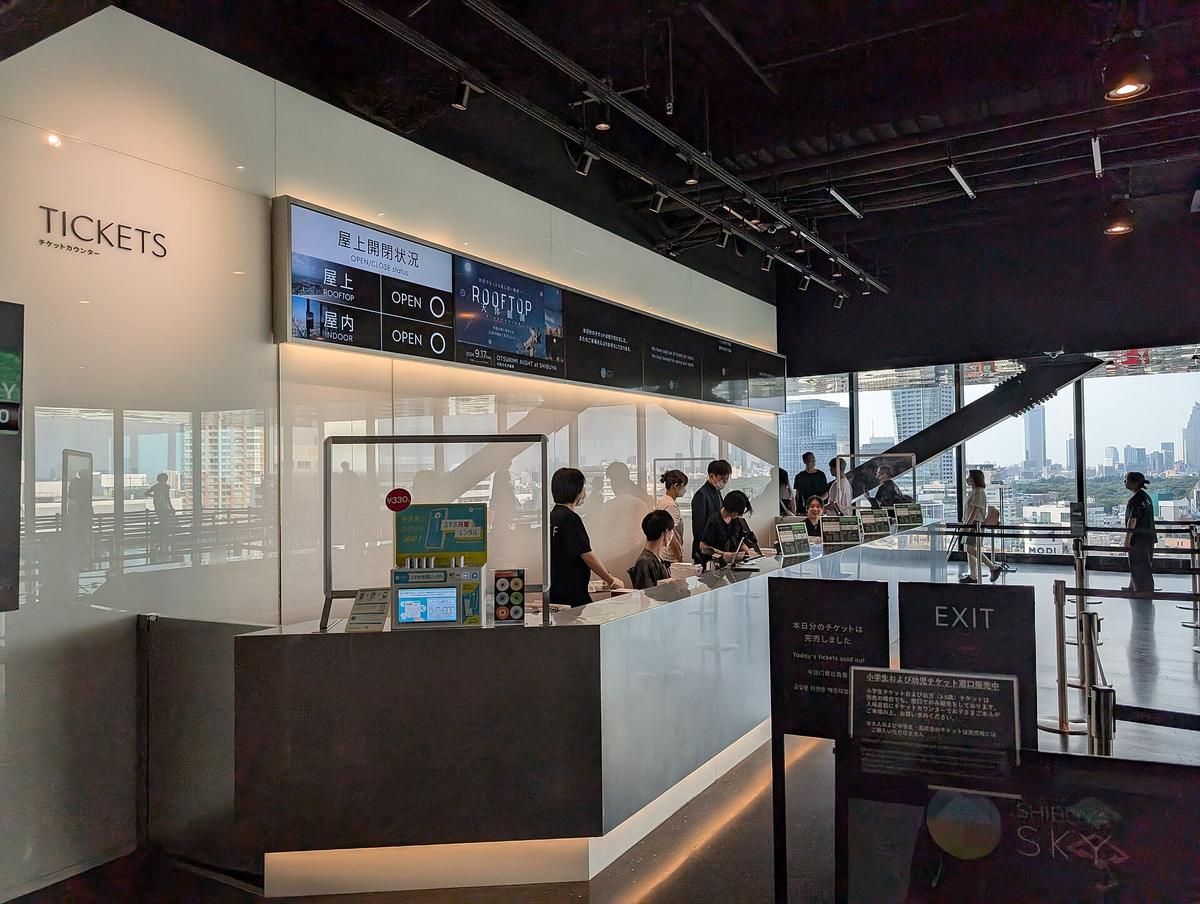
The scramble crossing view from the Magnet building roof costs nothing and requires no booking. Walk into the building, take the elevator to the cafe floor, and buy a drink. Do not book Shibuya Sky unless you specifically want the 46th-floor rooftop open deck at 229 metres. It opened 1 November 2019. Online tickets cost ¥2,200 versus ¥2,500 at the door. Last admission varies by season but falls around 20:00 to 21:00. On clear evenings the view toward Mount Fuji is real. On hazy evenings it is a fog of city lights. Skip it if you are doing any other observation deck in Tokyo; the visual return diminishes fast.
Miyashita Park reopened in its current form on 28 July 2020. It runs 330 metres long, with a 1.06-hectare rooftop park above three commercial floors holding roughly 90 shops and restaurants. The rooftop is free and open to the public. The park succeeds as a place to eat and sit: the food hall on the first floor includes a depachika-style section, a ramen counter, and a standing bar. It fails as a park. The space is thin, long, and exposed to wind. Take the escalator up, eat, leave.
Where the District Falls Short
Nonbei Yokocho and Center Gai are where the district's late-night character lives. But Shibuya is weak on daytime culture. The museums are elsewhere. The serious shopping is in Ginza and Omotesando. The temple grounds are in Asakusa. This district gives you a night out and a view. Do not plan a full day around it unless you also walk the fifteen minutes northeast via Yoyogi Park to Meiji Jingu, where the 70-hectare forested shrine grounds absorb the noise of the scramble entirely.


The Station Rebuild and the Saikyo Line Platform Walk
Shibuya Station serves ten lines and processed roughly 3.3 million passenger entries and exits per day in 2019. The terminal is mid-rebuild, and the construction created a specific friction: the Saikyo Line platform is a long walk from the main concourse. If you enter via the Hachiko gate and need the Saikyo Line toward Shinjuku, allow twelve minutes from ticket gate to platform. Not five. Google Maps will tell you the train departs in four minutes. It is wrong. The corridor runs along temporary tunnels, past blank walls, and up two escalators. Miss the train, and the next one on the Saikyo Line runs every five to eight minutes during peak hours. That is fine. Sprinting through a transit construction zone in a city that runs on punctuality is
The IC Card Trap and the Gate Labyrinth
The larger lesson: a Suica or Pasmo IC card added to your phone wallet eliminates ticket-machine hell. But the other trap is the terminal's multi-company layout. JR, Tokyo Metro, Tokyu, and Keio all use different gates. Exit via the wrong one and your transfer ticket invalidates, forcing a fare recalculation at a staffed window. Carry a screenshot of your route with the operating company names. This is the price of a hub that handles ten lines.
Shibuya Questions That Come Up Before You Land
How many days does Shibuya need in a Tokyo itinerary?
You need five full days in Tokyo minimum to absorb any district properly. For Shibuya specifically, one evening and one morning is enough if you also plan a walk via Meiji Jingu and Yoyogi Park. The crossing, Nonbei Yokocho, and the backstreets fit into a single evening. The daytime return is for the view and the shopping.
Is the scramble crossing worth seeing more than once?
See it once from the crossing level and once from above. Two times is enough. The often-cited figure of 3,000 people per green light phase is real at peak, but the rhythm becomes predictable after the third cycle. The better spectacle is watching the street empty when the signal locks for cars.
Can I walk from Shibuya to Harajuku?
Yes. The distance from Shibuya Station to Harajuku Station on the JR Yamanote Line is 1.2 kilometres. You can walk it in fifteen minutes along the backstreets. The walk to Meiji Jingu's Harajuku entrance is roughly 1.5 kilometres, and to Yoyogi Park's Harajuku gate is 1.6 kilometres. This is the best connection between the two districts. Skip the train for this short trip.
Is Nonbei Yokocho open during Golden Week or New Year?
Many bars in Nonbei Yokocho close during Golden Week (late April to early May) and from December 29 to January 3. The alleys are run by individual owners who take the same holidays as the rest of the country. Check ahead or plan for the week before. The late August humidity also empties the alley; the bars are not air-conditioned and the narrow space traps heat.
Where do I eat in Shibuya without a reservation?
The depachika food hall in Shibuya Scramble Square's basement level accepts no reservations and moves fast. Grab an egg salad sandwich from the convenience store at the terminal's east exit as a deliberate late-night ritual. For ramen with a seat, arrive at an independent shop at 11:00 when it opens. Walk-in refusals are common after 12:30.
Read next
-
 Shibuya Beyond the Crossing What to Actually Do in the Neighbourhood
Shibuya beyond the famous crossing: vintage shopping streets, narrow drinking alleys, music venues, and the viewpoints that locals prefer.
Shibuya Beyond the Crossing What to Actually Do in the Neighbourhood
Shibuya beyond the famous crossing: vintage shopping streets, narrow drinking alleys, music venues, and the viewpoints that locals prefer.
-
 Eating in Shibuya Standing Bars Ramen and the Department Store Floors
A guide to eating in Shibuya built around real scenarios: standing bars for a quick bite, ramen after midnight, and the department store floors that save the evening.
Eating in Shibuya Standing Bars Ramen and the Department Store Floors
A guide to eating in Shibuya built around real scenarios: standing bars for a quick bite, ramen after midnight, and the department store floors that save the evening.
-
 Japan Travel Guide for First-Timers Who Like Order but Not Crowds
Japan delivers deep tradition and futuristic efficiency, but the language barrier and density of rules can exhaust first-timers. Here is what to actually expect.
Japan Travel Guide for First-Timers Who Like Order but Not Crowds
Japan delivers deep tradition and futuristic efficiency, but the language barrier and density of rules can exhaust first-timers. Here is what to actually expect.
-
 Japan eSIM vs Pocket WiFi vs Physical SIM for Staying Connected
Free public WiFi across Japan is unreliable and slow. Compare eSIM plans from Ubigi and Airalo against renting a pocket WiFi device at Narita or Haneda.
Japan eSIM vs Pocket WiFi vs Physical SIM for Staying Connected
Free public WiFi across Japan is unreliable and slow. Compare eSIM plans from Ubigi and Airalo against renting a pocket WiFi device at Narita or Haneda.
-
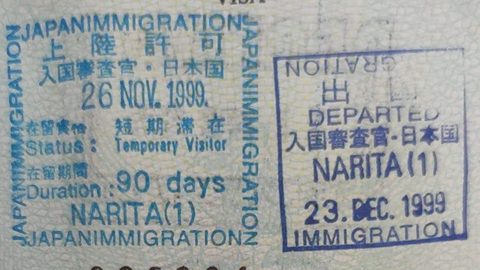 Japan Visa-Free Entry and the Visit Japan Web Digital Form
Visa-free entry covers many nationalities, but the Visit Japan Web digital form and QR codes determine how quickly you clear immigration at Narita or Haneda.
Japan Visa-Free Entry and the Visit Japan Web Digital Form
Visa-free entry covers many nationalities, but the Visit Japan Web digital form and QR codes determine how quickly you clear immigration at Narita or Haneda.
-
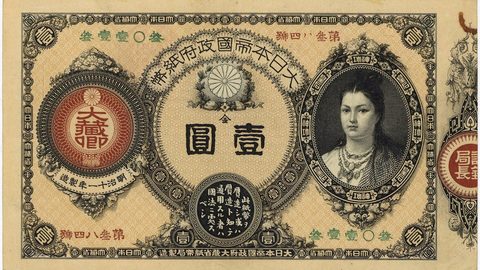 Cash and IC Cards Are the Real Payment System in Japan
Japan projects a high-tech image but many small restaurants, temples, and rural buses demand cash. IC cards like Suica and Icoca bridge the gap for daily spending.
Cash and IC Cards Are the Real Payment System in Japan
Japan projects a high-tech image but many small restaurants, temples, and rural buses demand cash. IC cards like Suica and Icoca bridge the gap for daily spending.
-
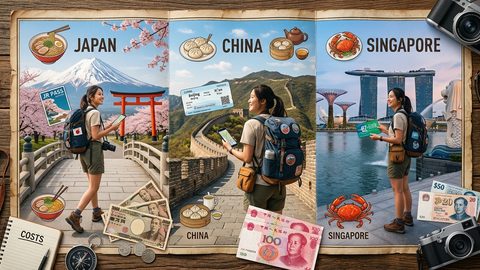 What Japan, China, and Singapore Actually Cost Independent Travelers
Real per-day costs for Japan, China, and Singapore broken down by accommodation tier, food strategy, transit, and connectivity for independent travelers.
What Japan, China, and Singapore Actually Cost Independent Travelers
Real per-day costs for Japan, China, and Singapore broken down by accommodation tier, food strategy, transit, and connectivity for independent travelers.
-
 What Most Travelers Get Wrong When Booking Flights to East Asia
Most travelers book East Asia flights on price alone. Here's what they miss about route gaps, fleet age, and aircraft type on 10-14 hour hauls.
What Most Travelers Get Wrong When Booking Flights to East Asia
Most travelers book East Asia flights on price alone. Here's what they miss about route gaps, fleet age, and aircraft type on 10-14 hour hauls.
-
 The Honest Cost of Mobile Data in Japan, China, and Singapore
Real price data for SIMs, pocket WiFi, and eSIMs in Japan, China, and Singapore. Plus the friction points most travel guides quietly skip.
The Honest Cost of Mobile Data in Japan, China, and Singapore
Real price data for SIMs, pocket WiFi, and eSIMs in Japan, China, and Singapore. Plus the friction points most travel guides quietly skip.