Kichijoji Food From Alleyway Grills to the Best Yakitori Wait in Tokyo
Kichijoji's Harmonica Yokocho is a dense grid of tiny postwar eateries, and one yakitori shop draws a line down the street every night. Here is how to eat well here.
Eating in Kichijoji Harmonica Yokocho and the Yakitori Queue Worth Joining
Kichijoji runs about 15 percent cheaper than central Tokyo for food and drink. An izakaya dinner with one drink averages ¥2,000 to ¥3,000 per person, versus ¥2,500 to ¥4,000 in Shinjuku or Shibuya. A ramen bowl runs ¥850 to ¥1,100, compared to ¥1,000 to ¥1,400 in the centre. A coffee shop latte is ¥450 to ¥550, not ¥500 to ¥650. That pricing difference matters because the best eating here requires standing in real lines. Knowing where to queue and where to skip saves an hour of daylight.
The district's eating scene breaks cleanly into three zones: the post-war alley grid Harmonica Yokocho after dark, the yakitori queue that draws tourists from across the city, and daytime options around Inokashira Park and the bakery corridor. Each has a specific failure case. Kichijoji rewards visitors who understand all three.
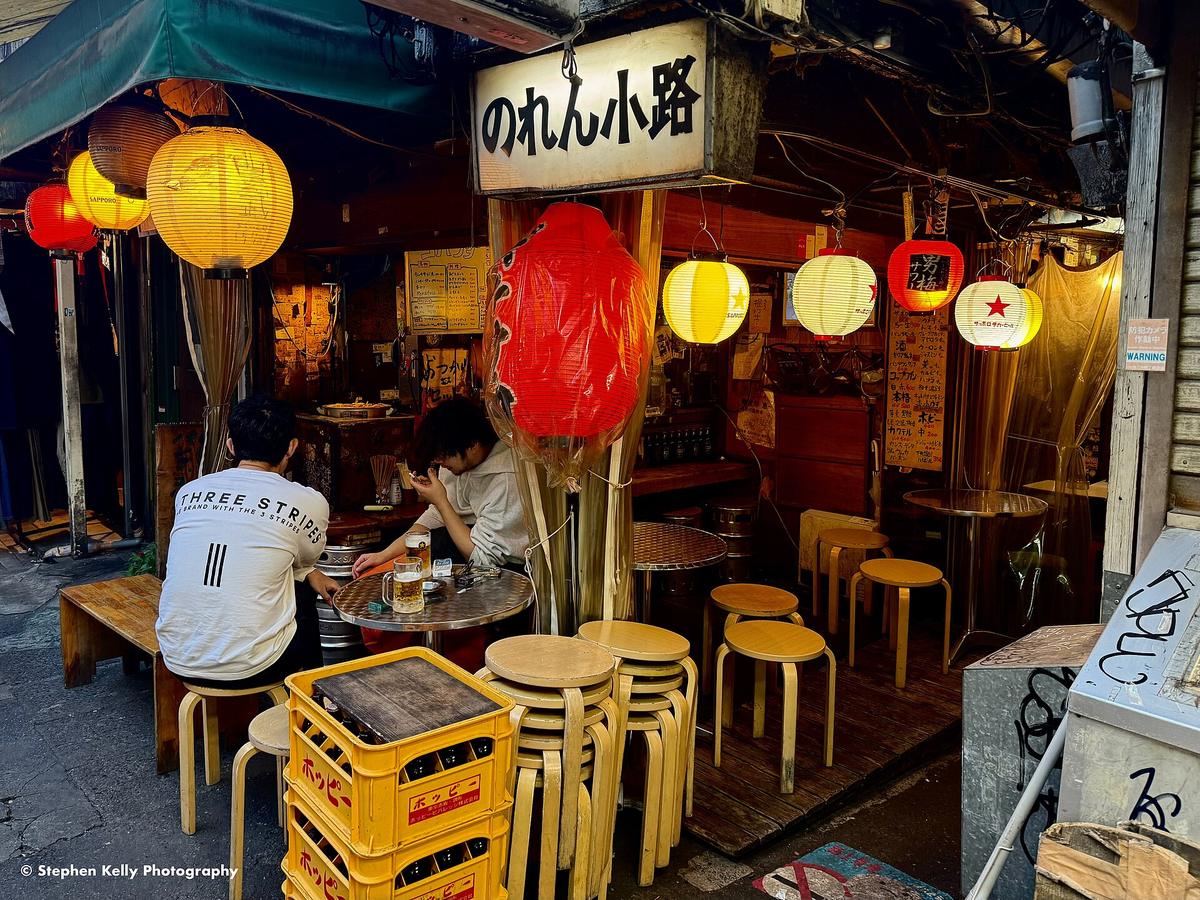
Harmonica Yokocho After Dark: the Essential Three Alleys
Harmonica Yokocho is a grid of three main alleys holding roughly 100 establishments. Each is tiny. Bar capacity runs 4 to 8 seats. Cover charge, called otoshi, is ¥300 to ¥500. A drink costs ¥400 to ¥700. A skewer costs ¥150 to ¥300. Most shops open at 17:00 and run late. Many close Sunday or Monday. Show up at 16:00 and you find locked shutters. Wander in at 22:00 on a Tuesday and you find every counter full and a wait.
How to Get a Seat
The failure case is straightforward: you arrive hungry, you cannot read the Japanese-only menus, and the shopkeeper waves you away because the counter is full. Avoid that by starting at one of three visitor-friendly spots.
Kushi Katsu Tanaka is a chain with a picture menu and English available. It is a standing bar. No cover charge. Point at the photo, get your deep-fried skewers. Yakitori Akira has counter seating, a Japanese-only menu, and an owner who speaks limited English. Order by pointing at what the person next to you is eating. Tachinomi Yanagi is a standing izakaya with no cover charge and cash only. Bring ¥3,000 and you eat and drink well.
Late-Night Backup Plan
If it is 1:00 am and every shop is shuttered or full, walk five minutes north to the 24-hour ramen options on the main strip. The cheap eat is always a bowl of ramen.
The Yakitori Queue: Satou Menchi-Katsu and Why it is Worth the Wait
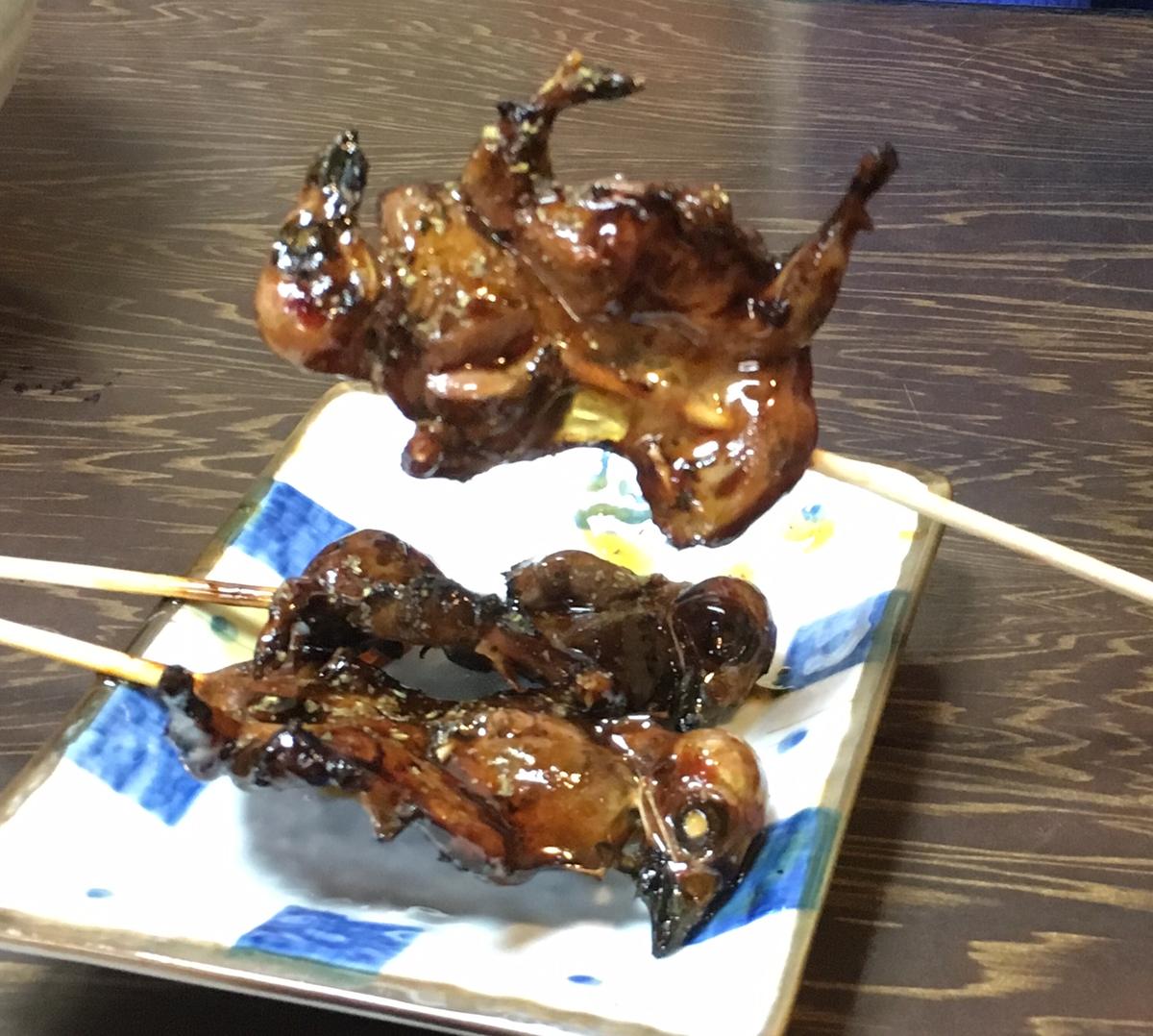
Satou menchi-katsu is a single deep-fried minced cutlet, about 120 grams, sold for ¥280 per piece. The shop produces roughly 3,000 pieces daily. The queue for the takeout window moves fast. On a weekday lunch you wait 15 to 30 minutes. On a weekend or holiday you wait 40 to 90 minutes. The window opens 10:00 to 19:00, closed 1 January and irregular days. The eat-in restaurant on the second floor serves course meals from ¥1,500 to ¥4,000, open 11:00 to 15:00 for lunch and 17:00 to 21:00 for dinner.
Two Rules for a 90-Minute Queue
Is it worth the 90-minute queue? Yes, if you follow two rules. First, arrive by 10:00 on a weekday. The queue is short and the cutlet is fresh. Second, buy your menchi-katsu and eat it immediately. It loses its crust inside ten minutes. People who buy six pieces for later regret it.
The Failure Case
You join the 40-minute queue on a Sunday afternoon, the menchi-katsu cools in your bag while you walk to the park, and you eat a soggy cutlet. Do not do that. Eat it on a low wall outside the shop within two minutes of purchase. The combination of hot, crisp panko breading and juicy minced meat justifies the wait only at that point.
.jpg)

Daytime Eating: Bakeries, Coffee, and Park Stalls
Three distinct options exist for daytime eating. Each serves a different purpose.
Bakeries
For a pastry with your morning coffee, Danishes is the highest-regarded bakery in Kichijoji. It specialises in butter-rich Danish pastries. The signature croissant costs ¥350. Address: 1-1-1 Kichijoji Minamicho. Hours: 10:00 to 19:00, closed Tuesday and Wednesday. If it is closed, Boulangerie Bistro EPEE has operated since 1985 and its baguette costs ¥400. Address: 1-9-5 Kichijoji Honcho. Hours: 8:00 to 19:00, closed Monday.
Coffee
Two roasters serve different needs. Light Up Coffee is a single-origin in-house roaster at 1-25-1 Kichijoji Minamicho, open daily 9:00 to 18:00. Espresso is ¥450; filter coffee runs ¥500 to ¥700 depending on the bean. Blue Sky Coffee does pour-over with small seating at 1-8-2 Kichijoji Honcho, open 10:00 to 19:00, closed Wednesday. Pour-over costs ¥500 to ¥650. Both are better and cheaper than the chain options near the station.
Park Picnic
For a picnic at Inokashira Park, the closest food zone is the stall cluster near the park's west entrance by the Benzaiten shrine. Stalls operate March to November, weather-dependent. Yakitori skewers cost ¥150 to ¥200. Soft-serve ice cream costs ¥350 to ¥450. If the stalls are closed, Kichijoji Sato sells ekiben-style bento boxes for ¥800 to ¥1,500, open 9:00 to 20:00. Pick one up and walk five minutes to a park bench. Inokashira Park Café offers terrace seating with pizza from ¥1,200 to ¥1,800, open 11:00 to 21:00 (last order 20:30), but closes irregularly in bad weather.
Common Questions
What is the cheapest meal in Kichijoji?
A ramen bowl at any local shop costs ¥850 to ¥1,100. That is 15 to 20 percent cheaper than central Tokyo.
What is the cover charge in Harmonica Yokocho bars?
Otoshi runs ¥300 to ¥500 per person. Tachinomi Yanagi and Kushi Katsu Tanaka have no cover charge.
When is the best time to visit Satou for menchi-katsu?
Arrive at 10:00 on a weekday. You wait 15 to 30 minutes instead of 40 to 90 on weekends.
Are Harmonica Yokocho shops open on Sunday?
Many are closed Sunday or Monday. Check before you go. If every shop is closed, walk five minutes north to the main street for ramen.
Can I use a credit card in Harmonica Yokocho?
Many bars are cash only. Tachinomi Yanagi is cash only. Bring cash in small notes.
Which bakery is better, Danishes or Boulangerie Bistro EPEE?
Danishes has a higher local reputation for butter-rich pastries. Boulangerie Bistro EPEE has a longer history with a ¥400 baguette. Both close two days per week.
What do I do if Inokashira Park stalls are closed?
Kichijoji Sato sells bento boxes from ¥800 to ¥1,500 until 20:00. Or walk to the park café, which serves pizza until 20:30.
Read next
-
 Kichijoji Things to Do Inokashira Park Ghibli and the Suburb Tokyo Votes For
Kichijoji is the Tokyo neighborhood locals vote for year after year. Inokashira Park, the Ghibli Museum, and a perfect afternoon stroll explain why.
Kichijoji Things to Do Inokashira Park Ghibli and the Suburb Tokyo Votes For
Kichijoji is the Tokyo neighborhood locals vote for year after year. Inokashira Park, the Ghibli Museum, and a perfect afternoon stroll explain why.
-
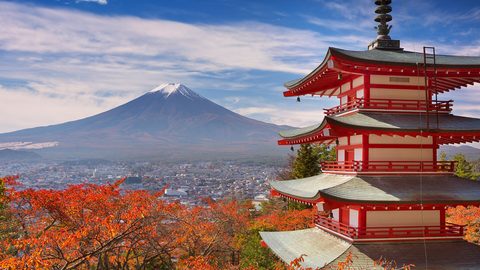 Japan Travel Guide for First-Timers Who Like Order but Not Crowds
Japan delivers deep tradition and futuristic efficiency, but the language barrier and density of rules can exhaust first-timers. Here is what to actually expect.
Japan Travel Guide for First-Timers Who Like Order but Not Crowds
Japan delivers deep tradition and futuristic efficiency, but the language barrier and density of rules can exhaust first-timers. Here is what to actually expect.
-
 Japan eSIM vs Pocket WiFi vs Physical SIM for Staying Connected
Free public WiFi across Japan is unreliable and slow. Compare eSIM plans from Ubigi and Airalo against renting a pocket WiFi device at Narita or Haneda.
Japan eSIM vs Pocket WiFi vs Physical SIM for Staying Connected
Free public WiFi across Japan is unreliable and slow. Compare eSIM plans from Ubigi and Airalo against renting a pocket WiFi device at Narita or Haneda.
-
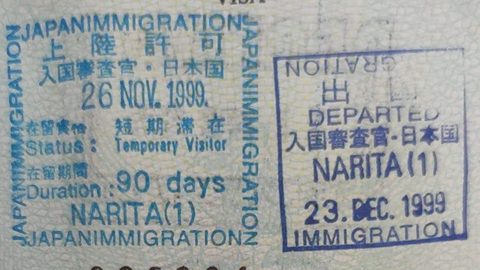 Japan Visa-Free Entry and the Visit Japan Web Digital Form
Visa-free entry covers many nationalities, but the Visit Japan Web digital form and QR codes determine how quickly you clear immigration at Narita or Haneda.
Japan Visa-Free Entry and the Visit Japan Web Digital Form
Visa-free entry covers many nationalities, but the Visit Japan Web digital form and QR codes determine how quickly you clear immigration at Narita or Haneda.
-
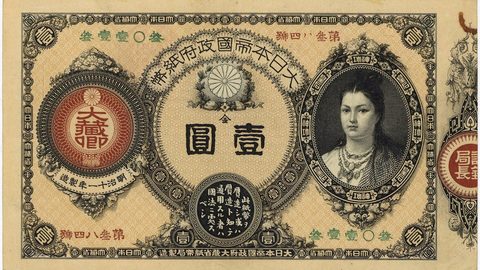 Cash and IC Cards Are the Real Payment System in Japan
Japan projects a high-tech image but many small restaurants, temples, and rural buses demand cash. IC cards like Suica and Icoca bridge the gap for daily spending.
Cash and IC Cards Are the Real Payment System in Japan
Japan projects a high-tech image but many small restaurants, temples, and rural buses demand cash. IC cards like Suica and Icoca bridge the gap for daily spending.
-
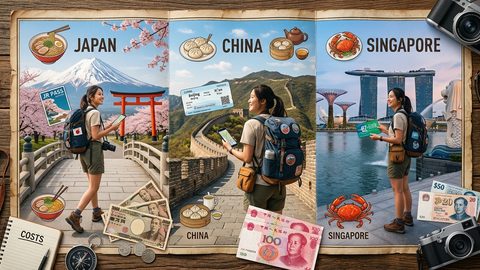 What Japan, China, and Singapore Actually Cost Independent Travelers
Real per-day costs for Japan, China, and Singapore broken down by accommodation tier, food strategy, transit, and connectivity for independent travelers.
What Japan, China, and Singapore Actually Cost Independent Travelers
Real per-day costs for Japan, China, and Singapore broken down by accommodation tier, food strategy, transit, and connectivity for independent travelers.
-
 What Most Travelers Get Wrong When Booking Flights to East Asia
Most travelers book East Asia flights on price alone. Here's what they miss about route gaps, fleet age, and aircraft type on 10-14 hour hauls.
What Most Travelers Get Wrong When Booking Flights to East Asia
Most travelers book East Asia flights on price alone. Here's what they miss about route gaps, fleet age, and aircraft type on 10-14 hour hauls.
-
 The Honest Cost of Mobile Data in Japan, China, and Singapore
Real price data for SIMs, pocket WiFi, and eSIMs in Japan, China, and Singapore. Plus the friction points most travel guides quietly skip.
The Honest Cost of Mobile Data in Japan, China, and Singapore
Real price data for SIMs, pocket WiFi, and eSIMs in Japan, China, and Singapore. Plus the friction points most travel guides quietly skip.
-
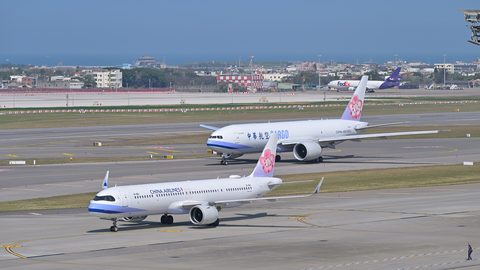 Fifth Freedom Flights Are the Award Sweet Spot Nobody Searches For
Fifth-freedom flights let you fly a foreign airline between two other countries, and they often have award seats when the airline's own hub routes are sold out.
Fifth Freedom Flights Are the Award Sweet Spot Nobody Searches For
Fifth-freedom flights let you fly a foreign airline between two other countries, and they often have award seats when the airline's own hub routes are sold out.