What Remains at Tsukiji and the Truth About Morning Sushi
Tsukiji Outer Market still serves fresh seafood breakfasts daily even after the wholesale auction moved to Toyosu. Here is what remains and whether the early sushi queue is worth your morning.
- Flag
-

- ISO code
- JP
The Morning That Remains
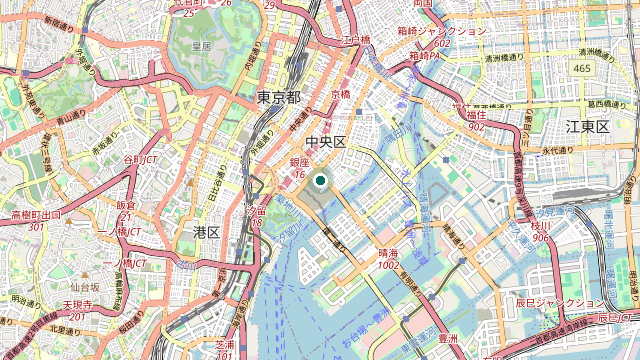
Tsukiji did not close. Get that straight first. The wholesale tuna auctions left for Toyosu on October 6, 2018. With them went the inner market, the numbered stalls, the buyers in rubber boots, and the chance to watch a frozen tuna get bid on at dawn. But the outer market never moved. The 400 or so shops and counters that wrap around the former inner site open at 5am and close around 2pm. Wednesdays it shuts entirely. Many stalls also close on Sundays. The crowds are still there. So is the question: should you queue for sushi at 7am?
The outer market sits on Tsukiji 4-chome, a grid of narrow lanes just south of the elevated expressway in Chuo-ku. You walk in at street level. No ticket. No elevated walkway. No glass partition between you and the fish. The difference between Tsukiji now and before 2018 is that the market is only a market, not a spectacle of industrial scale. That matters. You do not come to see the auction. You come to eat, to buy, and to be gone before the stalls pull their shutters down.
.jpg)
The 8am to 2pm Rhythm
The outer market operates on a short day. Most seafood stalls and prepared food counters open between 5am and 6am, but the peak energy hits from 8am onward. That is when the grill smoke rises, the tamagoyaki vendors hand over hot egg slices on sticks for 100 yen, and the queues for the sushi counters reach their worst. By 2pm, the shutters roll down. By 3pm, the lanes are empty.
Arrive at 7am. Not for the sushi queue, but to walk the streets while they are still workable. The knife shops are open. The dried fish stalls are laid out. The vendors selling matcha soft serve and croquettes are setting up. You can move. By 8:30, the narrow lanes fill to shoulder-to-shoulder density. Moving from the uni bun stand to the grilled scallop counter becomes a negotiation. The window between 7am and 8:30 is the best hour in Tsukiji. Use it.
What To Eat Standing Up
Street food is the smarter play for most visitors. The range runs from tamagoyaki to grilled oysters to sea urchin buns. Nothing costs more than 1,000 yen. You eat as you walk. You skip the line. You cover four or five things in 40 minutes. The grilled seafood skewers are the strongest category. The mochi and soft serve are fine but generic. The uni buns are a gamble depending on the vendor; watch for freshness cues. If a stall has a queue of locals, join it. If it has a queue of tourists holding phones and no food in their hands, skip it.
The Sushi Question
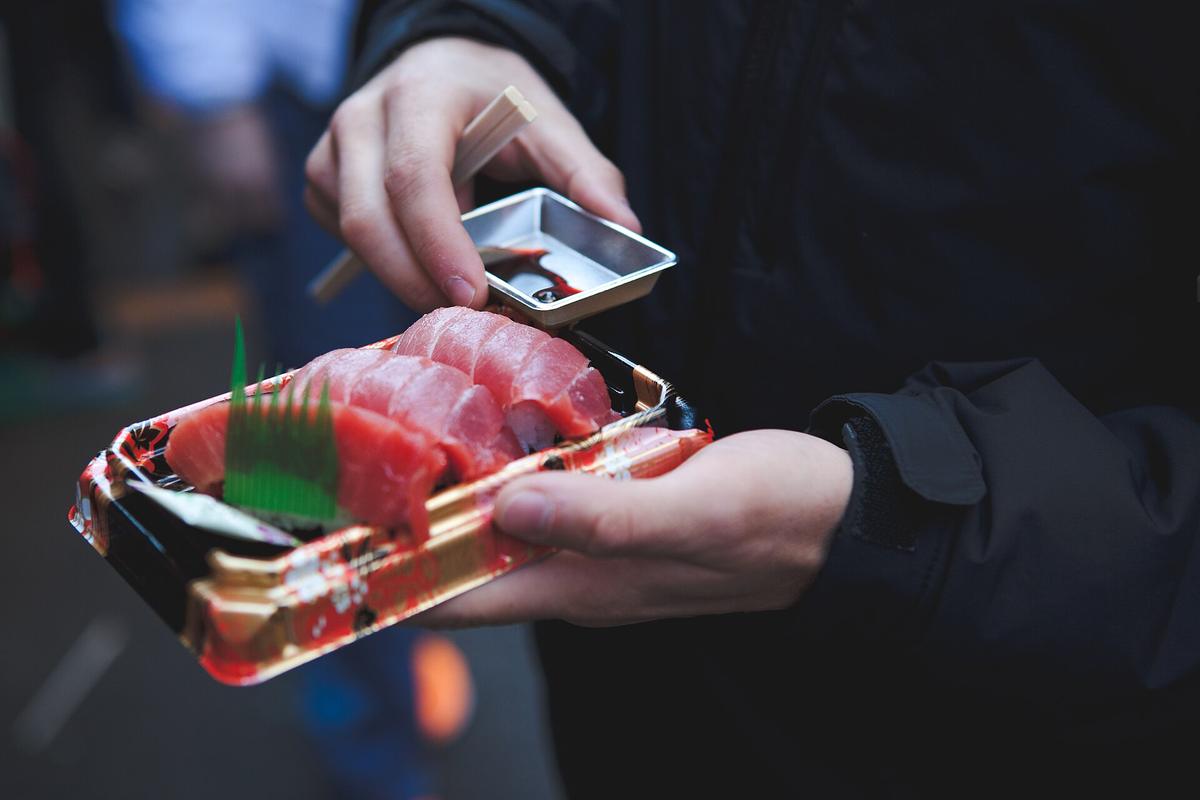
The sushi breakfast sets at the outer market counters cost 2,000 to 5,000 yen. The famous names, the ones with the 60-minute queues forming from 6am, serve fish that is undeniably fresh. But the wait is the experience. You stand in a lane, sometimes in direct sun, for an hour to sit at a counter for 20 minutes. The fish is good. It is not meaningfully better than what you can get at Toyosu's Uogashi Yokocho, where the 39 sushi restaurants sit inside the wholesale market building and the last order is also around 1pm to 2pm. Toyosu has fewer crowds, indoor seating, and glass viewing windows over the wholesale floor. The trade-off is atmosphere. Toyosu feels like a food court. Tsukiji feels like a market.
If your priority is the sushi itself, go to Toyosu. If your priority is the chaotic, smoky, loud morning market that exists nowhere else in Tokyo, stay at Tsukiji and eat street food. Do not queue for sushi here unless you actively want to say you queued for sushi here. That is the honest evaluation.
What the Outer Market is Actually Good at
The outer market excels at things you carry. Prepared foods. Kitchen tools. Dried seafood. Fresh produce. The knife shops are a real draw: high-carbon steel blades from brands like Masamoto and Aritsugu, sold by men who know exactly what each knife is for. Bring cash. Many of these shops do not take cards, and the ATMs in the area are limited. The dried seafood stalls sell bonito flakes and kombu that you would struggle to find in a standard supermarket. The tamagoyaki counters are reliable. The grilled eel is better than what most restaurants serve at dinner.
What it is bad at: lunch. By 11:30, the queues are long, the seating is scarce, and the experience of eating a 5,000 yen sushi set on a plastic tray while standing in a lane is not worth the money. Eat early or eat on your feet.
Who Should Skip This Entirely
This is a morning-only destination for people who are awake and hungry before 8am. If you are not willing to arrive by 7am, the experience degrades sharply. The crowds become a liability. The heat in summer is oppressive. The narrow lanes feel claustrophobic. The sushi queues are not justified by the product. The street food is good but not life-changing. You can eat excellent grilled seafood and tamagoyaki elsewhere in Tokyo without the 7am start.
This suits the solo explorer who wants to move through a market at their own pace, the food obsessive who wants to buy a specific knife or try a specific stall, and the repeat visitor who already saw the big sights and wants a morning that feels like Tokyo rather than a theme park. It does not suit anyone on a tight budget who expects cheap street food, anyone who finds dense crowds stressful, or anyone who wants a relaxed breakfast after 9am. Tsukiji is not relaxed. It is a market. It is loud, it smells like fish, and it is gone by mid-afternoon. That is exactly why it is worth the early train.
Common Questions
Is the tuna auction still at Tsukiji?
No. The wholesale auction moved to Toyosu Market on October 6, 2018. You can watch it from a free observation deck at Toyosu starting at 5am. Tsukiji Outer Market has no auction viewing.
What time should I arrive at Tsukiji Outer Market?
7am. The streets are manageable before 8:30. After that, the lanes fill to shoulder-to-shoulder density and the queues for sushi counters hit 60 minutes or more.
Is the outer market open on Wednesdays?
Most shops close on Wednesdays. Many also close on Sundays. During year-end and New Year, closures run from approximately December 29 to January 4. Check individual stall schedules.
Should I eat sushi at Tsukiji or at Toyosu?
For the sushi itself, Toyosu. The 39 restaurants in Uogashi Yokocho serve comparable quality with shorter queues and indoor seating. For the market atmosphere, Tsukiji, but eat street food, not sushi.
Read next
-
 Tsukiji Beyond Sushi Breakfast The Temple the Walk and Ginza Next Door
Once you have eaten your fill at Tsukiji, a quiet temple quarter and a straight road to Ginza are waiting. Here is how to spend the rest of the morning.
Tsukiji Beyond Sushi Breakfast The Temple the Walk and Ginza Next Door
Once you have eaten your fill at Tsukiji, a quiet temple quarter and a straight road to Ginza are waiting. Here is how to spend the rest of the morning.
-
 What to Eat in Tsukiji Outer Market Now the Wholesale Move Is Done
The Tsukiji outer market still packs more edible joy into a few alleyways than anywhere else in Tokyo. Here is what to eat and where to find it.
What to Eat in Tsukiji Outer Market Now the Wholesale Move Is Done
The Tsukiji outer market still packs more edible joy into a few alleyways than anywhere else in Tokyo. Here is what to eat and where to find it.
-
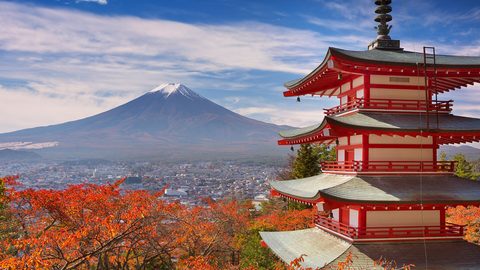 Japan Travel Guide for First-Timers Who Like Order but Not Crowds
Japan delivers deep tradition and futuristic efficiency, but the language barrier and density of rules can exhaust first-timers. Here is what to actually expect.
Japan Travel Guide for First-Timers Who Like Order but Not Crowds
Japan delivers deep tradition and futuristic efficiency, but the language barrier and density of rules can exhaust first-timers. Here is what to actually expect.
-
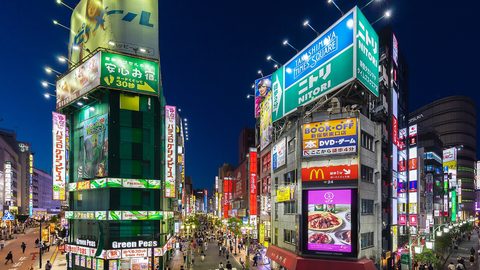 Japan eSIM vs Pocket WiFi vs Physical SIM for Staying Connected
Free public WiFi across Japan is unreliable and slow. Compare eSIM plans from Ubigi and Airalo against renting a pocket WiFi device at Narita or Haneda.
Japan eSIM vs Pocket WiFi vs Physical SIM for Staying Connected
Free public WiFi across Japan is unreliable and slow. Compare eSIM plans from Ubigi and Airalo against renting a pocket WiFi device at Narita or Haneda.
-
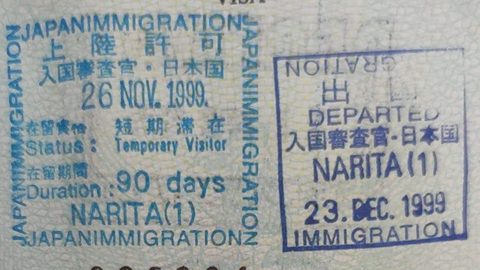 Japan Visa-Free Entry and the Visit Japan Web Digital Form
Visa-free entry covers many nationalities, but the Visit Japan Web digital form and QR codes determine how quickly you clear immigration at Narita or Haneda.
Japan Visa-Free Entry and the Visit Japan Web Digital Form
Visa-free entry covers many nationalities, but the Visit Japan Web digital form and QR codes determine how quickly you clear immigration at Narita or Haneda.
-
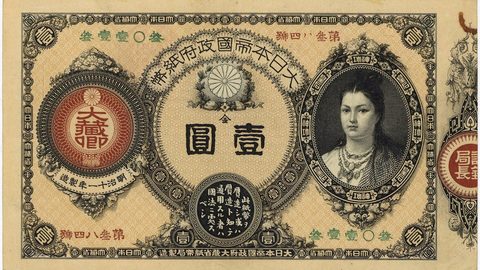 Cash and IC Cards Are the Real Payment System in Japan
Japan projects a high-tech image but many small restaurants, temples, and rural buses demand cash. IC cards like Suica and Icoca bridge the gap for daily spending.
Cash and IC Cards Are the Real Payment System in Japan
Japan projects a high-tech image but many small restaurants, temples, and rural buses demand cash. IC cards like Suica and Icoca bridge the gap for daily spending.
-
 The Honest Cost of Mobile Data in Japan, China, and Singapore
Real price data for SIMs, pocket WiFi, and eSIMs in Japan, China, and Singapore. Plus the friction points most travel guides quietly skip.
The Honest Cost of Mobile Data in Japan, China, and Singapore
Real price data for SIMs, pocket WiFi, and eSIMs in Japan, China, and Singapore. Plus the friction points most travel guides quietly skip.
-
 Fifth Freedom Flights Are the Award Sweet Spot Nobody Searches For
Fifth-freedom flights let you fly a foreign airline between two other countries, and they often have award seats when the airline's own hub routes are sold out.
Fifth Freedom Flights Are the Award Sweet Spot Nobody Searches For
Fifth-freedom flights let you fly a foreign airline between two other countries, and they often have award seats when the airline's own hub routes are sold out.
-
 Every Way Into an Airport Lounge and What Each One Actually Costs You