What to Do Around Tsukiji After You Finish Eating
Once you have eaten your fill at Tsukiji, a quiet temple quarter and a straight road to Ginza are waiting. Here is how to spend the rest of the morning.
What to Do Around Tsukiji After You Finish Eating
You finish your sushi at 09:30. Forty-five minutes later you are standing in a 1934 Indo-Saracenic temple with peacocks carved into the pillars and stained glass filtering the Tokyo sun. Most visitors eat and leave. They miss the best three hours of the neighbourhood. This route walks you from the outer market through Tsukiji Honganji, down Namiyoke-dori, and into Ginza, a 1.0 km progression that turns a breakfast stop into a complete morning. You do not need a second meal to make it worth the trip.
Tsukiji Honganji: the Temple That Does Not Look Japanese
Inside the Main Hall
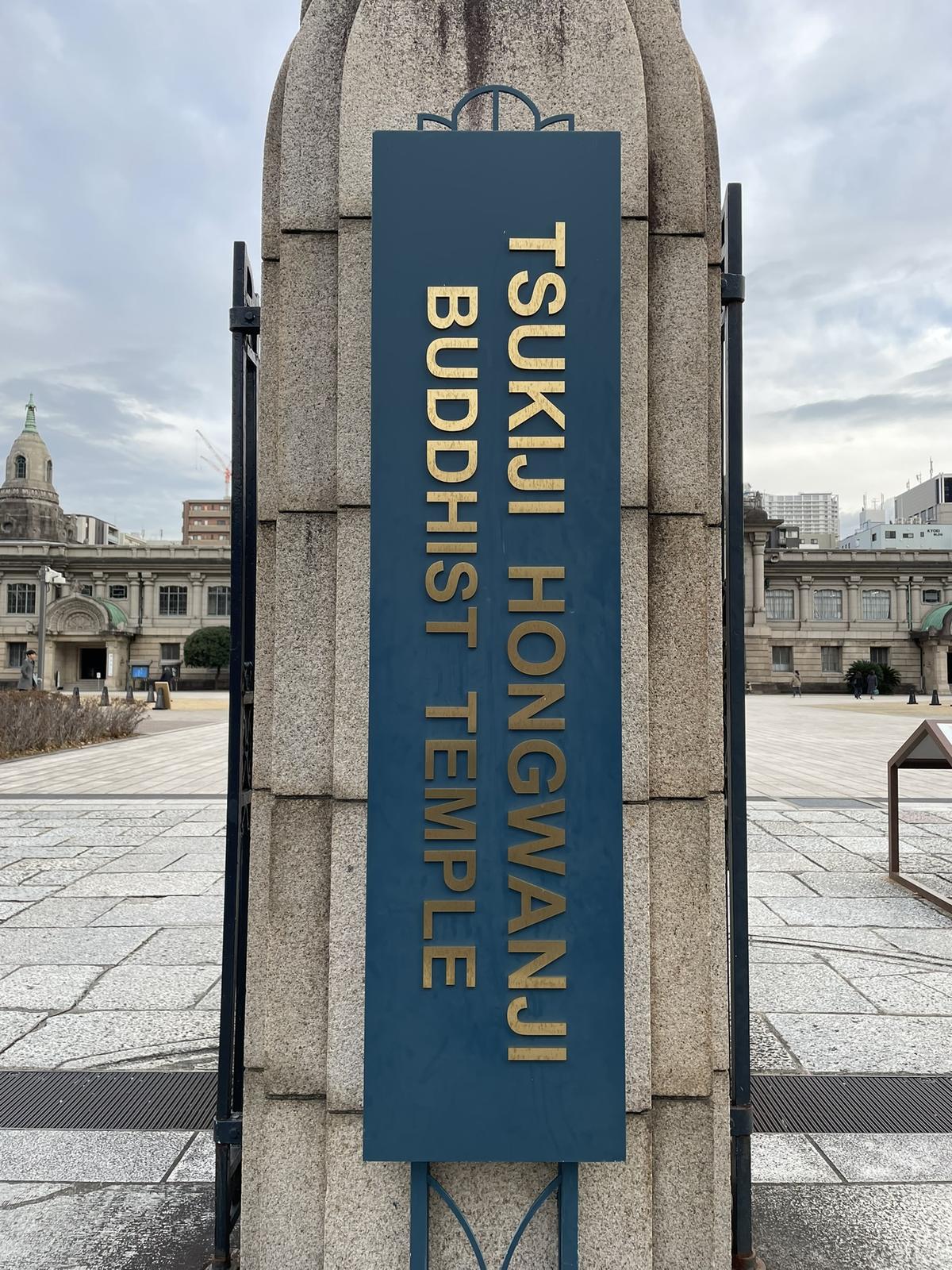
Tsukiji Honganji sits three blocks north of the outer market. Founded in 1617, the current building was completed in 1934 by architect Chuta Ito. It is Indian-influenced, domed, and nothing you expect to find in central Tokyo. The main hall opens 06:00 to 17:00 October through March and 06:00 to 17:30 April to September. Admission is free. Go inside for the stained glass and the organ. Most tourists photograph the facade and stop there. The interior is worth ten quiet minutes.
Address: 3-15-1 Tsukiji, Chuo-ku, Tokyo. The temple stands directly on Harumi-dori, the same road that leads into Ginza. From the outer market it is a four minute walk north. No appointment. No dress code beyond bare minimum decency.
If You Arrive Late
If the temple is closed or you arrive after 17:00, skip it and walk directly to Ginza. The exterior is still visible from the street. The architecture is worth a look even locked.

Namiyoke Dori: Kitchen Street Before the Shops Close
Timing Your Visit
Namiyoke-dori, also called Kitchenware Street, runs east of the temple. It is a short lane of specialised shops selling knives, pottery, and tamago-yaki pans. Most close at 14:00. Hit this before noon. Sundays and Wednesdays most shops are closed. National holidays too. Arrive on a Tuesday morning and you are in good shape. Arrive on a Wednesday with a knife shopping plan and you are out of luck.
Three Shops Worth Your Time
Tsukiji Masamoto has sold chef knives since 1845. Address: 4-11-9 Tsukiji. Hours: 06:00 to 14:00, closed Sundays and Wednesdays. Prices run ¥10,000 to ¥80,000 plus. Free name engraving is same day for Japanese characters. English engraving takes longer. Ask at the counter. The shop is small. Do not bring a backpack.
Dengama handles Japanese pottery and tableware. Address: 4-12-18 Tsukiji. Hours: 07:00 to 14:00, closed Sundays and Wednesdays. Items run ¥500 to ¥10,000. Sukei sells general kitchen tools including the square pans used for tamago-yaki. Address: 4-13-7 Tsukiji. Hours: 06:00 to 14:00, closed Sundays and Wednesdays. If you only have time for one shop, pick Masamoto for knives or Dengama for ceramics.
Hamarikyu Gardens: Pond, Teahouse, and a Boat to Asakusa
The Teahouse on the Pond
Hamarikyu Gardens is a 600 metre walk from the outer market. Seven minutes to the Otemon Gate entry. It opens 09:00 to 17:00 with last entry at 16:30. Admission costs ¥300 for adults. The garden is a landscape of tidal ponds, pine trees, and one teahouse on an island. Nakajima-no-ochaya serves matcha and a sweet for ¥850. Tea service runs 09:00 to 16:30. You sit facing the water. It is the most civilised 20 minutes in the area.
The Water Bus Option
From Hamarikyu Pier, Tokyo Cruise Ship runs a water bus to Asakusa. The one way adult fare is ¥1,200. The journey takes roughly 35 minutes. This makes Hamarikyu a logical midpoint between Tsukiji breakfast and an Asakusa afternoon. Do not do this if you plan to walk Ginza. Pick one route. The garden and the water bus together eat two hours. Factor that against your 14:00 market closures.

Walk Into Ginza: North on Harumi Dori
The Route
From the outer market intersection, walk north on Harumi-dori. The Ginza 4-chome intersection is 1.0 km away. Ten to twelve minutes. You pass the temple, then department stores, then the Wako building with its clock tower. You are in Ginza before you notice the transition. This is the route most tourists miss because they turn around after breakfast and head for a train station. Do not do that.
Timing It Right
Ginza shops open at 10:00 or 11:00. Arrive at 10:30 and you catch the first wave of openings without the lunch crowds. If your Tsukiji morning runs late past 13:00, Ginza restaurants are still serving and the shops stay open until 20:00. The failure case: you finish breakfast at 10:30 and the outer market is already packed. That is Saturday peak congestion, 09:00 to 11:00. Go to the temple and garden first, then Namiyoke-dori around 11:30 when the market crowd thins.
Common Questions
Can I visit the outer market on a Sunday or Wednesday?
Most shops close Sundays, Wednesdays, and national holidays. A few stalls stay open, but you cannot count on the full experience. Go another day or skip straight to the temple and Ginza.
Is Tsukiji Honganji worth visiting if I am not religious?
Yes. The architecture is the draw. The 1934 Indo-Saracenic design with domes and stained glass is unique in Tokyo. Free admission and a quiet interior make it a good 15 minute stop regardless of faith.
What if I finish breakfast after the knife shops close?
Masamoto, Dengama, and Sukei all close at 14:00. If you eat past that, skip Namiyoke-dori and walk directly to Hamarikyu Gardens or Ginza. The garden stays open until 17:00.
How long does the whole Tsukiji-to-Ginza walk take?
Two to three hours including temple visit, a stop on Namiyoke-dori, and a slow walk into Ginza. Add one hour for Hamarikyu Gardens. Add another 35 minutes plus ¥1,200 if you take the water bus to Asakusa.
Read next
-
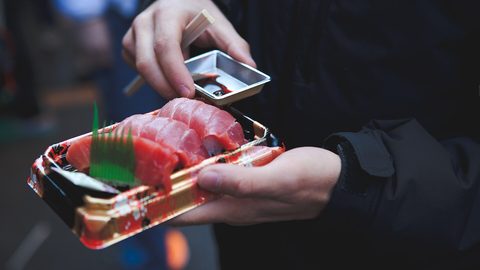
 What to Eat in Tsukiji Outer Market Now the Wholesale Move Is Done
The Tsukiji outer market still packs more edible joy into a few alleyways than anywhere else in Tokyo. Here is what to eat and where to find it.
What to Eat in Tsukiji Outer Market Now the Wholesale Move Is Done
The Tsukiji outer market still packs more edible joy into a few alleyways than anywhere else in Tokyo. Here is what to eat and where to find it.
-
 Japan Travel Guide for First-Timers Who Like Order but Not Crowds
Japan delivers deep tradition and futuristic efficiency, but the language barrier and density of rules can exhaust first-timers. Here is what to actually expect.
Japan Travel Guide for First-Timers Who Like Order but Not Crowds
Japan delivers deep tradition and futuristic efficiency, but the language barrier and density of rules can exhaust first-timers. Here is what to actually expect.
-
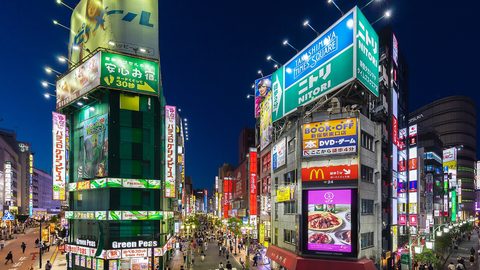 Japan eSIM vs Pocket WiFi vs Physical SIM for Staying Connected
Free public WiFi across Japan is unreliable and slow. Compare eSIM plans from Ubigi and Airalo against renting a pocket WiFi device at Narita or Haneda.
Japan eSIM vs Pocket WiFi vs Physical SIM for Staying Connected
Free public WiFi across Japan is unreliable and slow. Compare eSIM plans from Ubigi and Airalo against renting a pocket WiFi device at Narita or Haneda.
-
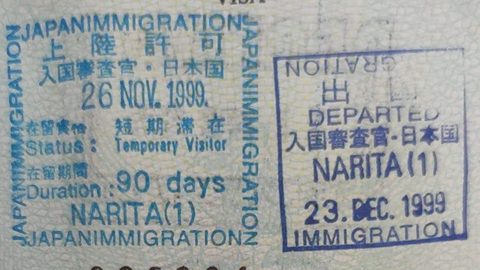 Japan Visa-Free Entry and the Visit Japan Web Digital Form
Visa-free entry covers many nationalities, but the Visit Japan Web digital form and QR codes determine how quickly you clear immigration at Narita or Haneda.
Japan Visa-Free Entry and the Visit Japan Web Digital Form
Visa-free entry covers many nationalities, but the Visit Japan Web digital form and QR codes determine how quickly you clear immigration at Narita or Haneda.
-
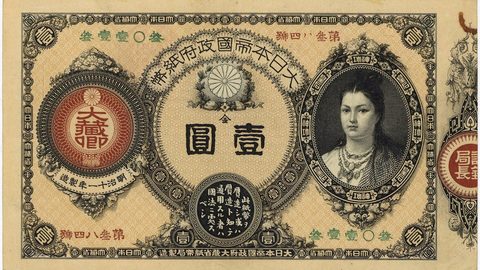 Cash and IC Cards Are the Real Payment System in Japan
Japan projects a high-tech image but many small restaurants, temples, and rural buses demand cash. IC cards like Suica and Icoca bridge the gap for daily spending.
Cash and IC Cards Are the Real Payment System in Japan
Japan projects a high-tech image but many small restaurants, temples, and rural buses demand cash. IC cards like Suica and Icoca bridge the gap for daily spending.
-
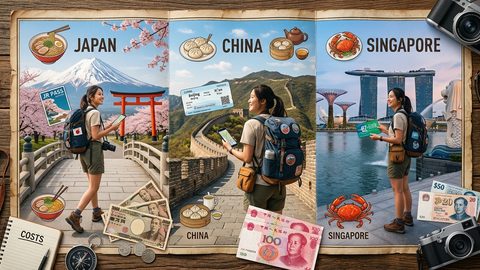 What Japan, China, and Singapore Actually Cost Independent Travelers
Real per-day costs for Japan, China, and Singapore broken down by accommodation tier, food strategy, transit, and connectivity for independent travelers.
What Japan, China, and Singapore Actually Cost Independent Travelers
Real per-day costs for Japan, China, and Singapore broken down by accommodation tier, food strategy, transit, and connectivity for independent travelers.
-
 What Most Travelers Get Wrong When Booking Flights to East Asia
Most travelers book East Asia flights on price alone. Here's what they miss about route gaps, fleet age, and aircraft type on 10-14 hour hauls.
What Most Travelers Get Wrong When Booking Flights to East Asia
Most travelers book East Asia flights on price alone. Here's what they miss about route gaps, fleet age, and aircraft type on 10-14 hour hauls.
-
 The Honest Cost of Mobile Data in Japan, China, and Singapore
Real price data for SIMs, pocket WiFi, and eSIMs in Japan, China, and Singapore. Plus the friction points most travel guides quietly skip.
The Honest Cost of Mobile Data in Japan, China, and Singapore
Real price data for SIMs, pocket WiFi, and eSIMs in Japan, China, and Singapore. Plus the friction points most travel guides quietly skip.
-
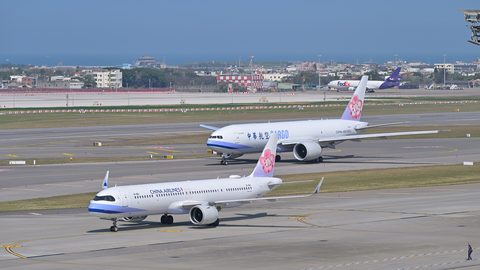 Fifth Freedom Flights Are the Award Sweet Spot Nobody Searches For
Fifth-freedom flights let you fly a foreign airline between two other countries, and they often have award seats when the airline's own hub routes are sold out.
Fifth Freedom Flights Are the Award Sweet Spot Nobody Searches For
Fifth-freedom flights let you fly a foreign airline between two other countries, and they often have award seats when the airline's own hub routes are sold out.