How Japan's Peak Holiday Weeks Change Everything for Travelers
Golden Week, Obon, and New Year shut down restaurants, fill every Shinkansen, and send hotel prices soaring. Here is exactly how each one reshapes a Japan trip.
How Japan’s Peak Holiday Weeks Change Everything for Travellers
Three weeks a year, Japan's bullet-train reservation system locks out anyone without a JR Pass or a Japanese phone number. Golden Week (late April to early May), Obon (mid-August), and New Year (late December to early January) do not just make things busy. They break the standard travel advice. Trains sell out. Hotels triple in price. Your itinerary falls apart because the route you intended to take at 10am has zero seats left for non-residents.
The fix is not to avoid these periods entirely. Some travellers have no choice because of work schedules, or they want to experience Japan during a festival. The fix is to know which specific days inside each holiday cluster break the system, what actually closes versus what stays open, and how to move between cities when the normal booking process fails. Understanding those mechanics—not just a list of dates—is what keeps a trip intact.
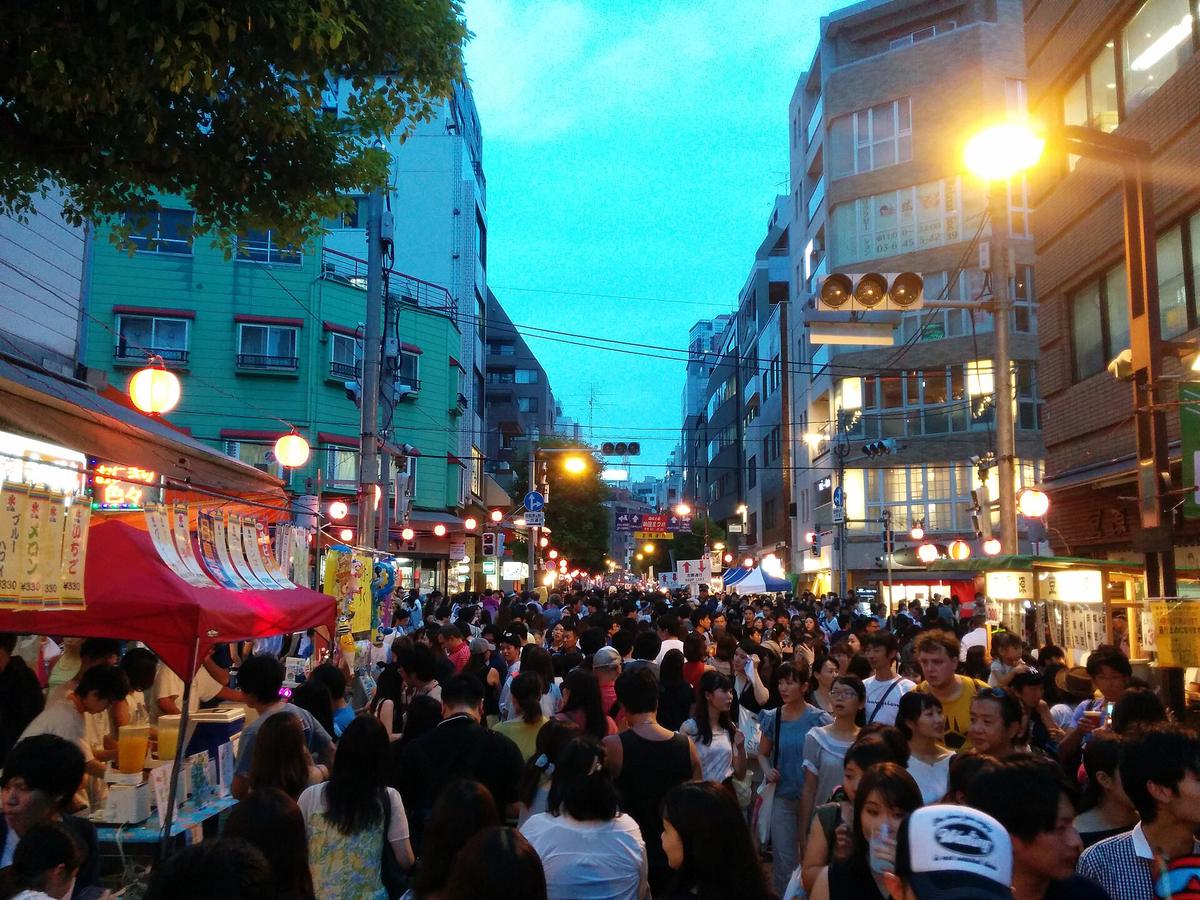

Golden Week: the Five Days That Sell Out
Why the Calendar Works Against You
Golden Week packs four national holidays into late April and early May: Showa Day on April 29, Constitution Memorial Day on May 3, Greenery Day on May 4, and Children's Day on May 5. A weekday between two holidays becomes a substitute holiday, creating a consecutive break. In 2025 that span runs April 29 through May 5. The exact pattern shifts each year depending on which days fall on weekends.
Book 30 Days Out or Stand for Three Hours
The problem starts before the official holidays. Reserved seats on major bullet-train routes like Tokyo to Osaka begin selling out from April 27. Non-reserved cars hit 150 to 200 percent capacity at peak. You stand for three hours if you board, or you get left on the platform when the next train is equally full. Domestic flights are heavily booked April 27 through May 5, with the worst availability on April 28 and 29 outbound and May 5 and 6 inbound. Prices run 1.5 to 2.5 times normal.
What closes? Government offices, banks, and post offices close on the statutory holidays. Many small businesses and some manufacturing plants shut for the entire April 29 to May 5 stretch. Tourist sites remain open but queue times reach two to four times normal. Theme parks become unusable. The standard advice to buy a JR Pass and hop on the next train fails here: every train has a reservation requirement and every reservation is gone.
One City, All Week: the Golden Week Survival Tactic
If you must travel during Golden Week, book every bullet-train seat 30 days in advance through the official JR West or JR East websites. Do not rely on the reservation machines at the station. Those machines show the same sold-out status. Your alternative is to stay in one city for the entire week and do day trips that use local trains or buses, which do not require reservations. Kyoto works well for this. Nara is 35 minutes away by Kintetsu train and the Bamboo Grove is reachable by city bus.
Obon: Heat, Crowds and Regional Confusion
Two Dates, One Big Problem
Obon is not a national holiday. It is a Buddhist custom for honouring ancestors, and its dates differ by region. Tokyo observes July 15. Most of the rest of Japan observes August 13 to 15 or August 13 to 16. The August dates cause the real problem: they coincide with summer school holidays and the full force of Japan's domestic travel surge.
Standing Room Only and 35-Degree Heat
Bullet-train seat availability is severely restricted from August 10 to 17. Reserved seats sell out. Non-reserved cars again hit 150 to 200 percent capacity. Flights are heavily booked the same window, with lowest availability outbound August 11 to 13 and inbound August 15 to 17. Prices climb to 1.5 to 2.5 times normal. The heat adds another layer: temperatures in Kyoto and Osaka routinely exceed 35 C, making outdoor sightseeing exhausting and risky.
Government offices, banks, and post offices stay open during Obon, which surprises many visitors. What closes are small businesses, factories, and family-run shops, particularly in the August 13 to 15 window. That closing extends to many independent restaurants and craft workshops, especially outside major cities. Tokyo sees moderate crowding during Obon as residents leave for their hometowns. Kyoto and resort areas see very high crowding as those residents arrive.
Anchor in One Region or Lose Half Your Trip
The Obon workaround is different from Golden Week. Government offices stay open, so you can still do administrative tasks. The real constraint is movement. If you plan to be in Kyoto from August 10 to 17, stay there. Do not try to do Tokyo, Kyoto, and Hiroshima in seven days during this window. You will lose half your trip to station platforms and cancelled plans. Instead, anchor in one region. Kansai works: base in Osaka, use unreserved local trains to reach Kyoto and Nara, and skip the bullet train entirely. You lose Himeji Castle unless you book the seat a month out. You gain usable days.
| Type | Golden Week | Obon (August) | New Year (Jan 1–3) |
|---|---|---|---|
| Government Offices | Closed Apr 29, May 3–5 | Open | Closed Jan 1–3 |
| Banks & Post Offices | Closed Apr 29, May 3–5 | Open | Closed Jan 1–3 |
| Small Businesses | Many closed Apr 29–May 5 | Many closed Aug 13–15 | Many closed Jan 1–3 |
| Shinkansen Reserved Seats | Severely restricted Apr 27–May 5 | Severely restricted Aug 10–17 | Severely restricted Dec 30–Jan 3 |
| Domestic Flight Prices | 1.5x–2.5x normal | 1.5x–2.5x normal | 1.5x–3x normal |
| Major Sight Crowding | Extreme at all sites | Very high at Kyoto & resorts | Very high at shrines/temples Jan 1–3; many urban sites closed Jan 1 |
| Retail in Central Tokyo | Most open; some small shops close | Most open | Many closed Jan 1; some open Jan 2–3 |
New Year: When Japan Shuts Down for Three Days
The Dates That Freeze the Network
New Year in Japan is not a single day. The statutory holiday falls on January 1, called Ganjitsu, but the actual travel surge runs from December 28 through January 4. Reserved bullet-train seats are severely restricted from December 30 to January 3. Domestic flights are heavily booked December 28 to January 4, with the worst availability December 30 to 31 outbound and January 2 to 3 inbound. Prices hit 1.5 to 3 times normal, the highest of the year.
What Shuts and What Saves You
The shutdown is more complete than at Golden Week or Obon. Government offices, banks, and post offices close January 1 through 3. Many museums and urban attractions close on January 1 entirely. Some retail stays open, especially in central Tokyo and Osaka, but do not count on it. Small restaurants, particularly family-run spots, close from December 30 through January 3. Supermarkets and convenience stores remain open, which is how you eat if you arrive on January 1 without a hotel dinner reservation. Shrines and temples see very high crowding on January 1 to 3 for hatsumode, the first shrine visit of the year. That is a cultural experience. It also means Fushimi Inari Taisha and Senso-ji will be shoulder-to-shoulder.
Stay Put Until January 4
The good news: if you are willing to stay put, Japan is quiet and beautiful. Streets empty. Trains run on holiday schedules. You can see Meiji Jingu or Kinkaku-ji with far fewer tourists than on a normal weekend, provided you go after January 3 when the crowds thin. The bad news: if you try to move between cities during the December 30 to January 3 window, you face the same sold-out trains that plague Golden Week. Book every long-distance seat by mid-December. If you miss that window, travel on January 4 or later, when the system normalises.
The One Trap That Hits Most Travellers During Peak Weeks
The most common mistake is trying to cover Tokyo, Kyoto, Osaka and Hiroshima in seven days during any of these three windows. You spend more time on trains and checking in and out of hotels than you do experiencing any single place. That failure multiplies during peak weeks. A 2 hour 30 minute express ride becomes a 5 hour ordeal: a sold-out train, a 90 minute wait for the next unreserved car, and arrival too late for the sight you planned.
If you must travel during Golden Week, Obon or New Year, do not move cities more than once. Pick a base. Spend the entire visit in Kansai staying in Osaka, or in Kanto staying in Tokyo. Use unreserved local trains for day trips. Skip Hiroshima and Miyajima unless you booked the express seat 30 days out. Pack a snack and a power bank for your phone. Google Maps drains battery fast and you will need it for train times and platform numbers. Carry cash: many small restaurants and rural bus routes do not take cards. Accept that on the worst days, the right answer is not to move at all.
Common Questions
Can I use my IC card (Suica, Pasmo, Icoca) on the Shinkansen during peak weeks?
No. IC cards cannot be used between different cities on the bullet train. You need a separate paper ticket or an online booking. During Golden Week, Obon and New Year, that paper ticket may not exist because reserved seats are sold out. Your IC card works fine on local trains and subways within one city, which is how you move if the express trains are full.
Do all Shinkansen trains require a reserved seat during peak weeks?
No. Every bullet train has non-reserved cars. During Golden Week, Obon and New Year, those non-reserved cars hit 150 to 200 percent capacity. You can board, but you will stand for the entire journey. On the Tokaido line from Tokyo to Osaka, that is 2 hours 30 minutes standing. On busy days, stations may restrict boarding to non-reserved cars because platforms become dangerous.
What happens if I fly into Narita on January 1 and my hotel is in Kyoto?
You can get to Tokyo via the Narita Express at ¥3,070, but the express train from Tokyo to Kyoto will be sold out on January 1. You stay in Tokyo for the night, book a seat for January 2 or 3 if one exists, or take a domestic flight if you booked it in advance. The cheapest option is to anchor your trip in Tokyo for the first three days of January and move to Kyoto after January 4.
Are there any peak weeks where restaurant reservations are actually easier?
During Obon, many residents leave Tokyo for their hometowns. Restaurant wait times in central Tokyo drop significantly. In Kyoto and Osaka, Obon is the opposite: family-owned places close and tourist-heavy spots stay open but crowded. New Year is a mixed bag: New Year's Eve and January 1 see many restaurants closed, but some high-end hotels offer special kaiseki meals that require booking months ahead.
Do I need to book Shinkansen seats differently as a foreigner?
Yes, and this is the mechanic that catches most visitors. The JR reservation system requires a Japanese phone number for online booking. You can use the official Smart EX app with a foreign credit card, but it only works for the Tokaido, Sanyo and Kyushu lines. For other routes, you book through the JR East or JR West websites. If you hold a Japan Rail Pass, you reserve seats in person at a JR ticket office, which is the weakest method during peak weeks because the seats are gone by the time you arrive.
Which days inside each holiday cluster are the absolute worst for train travel?
For Golden Week, April 29 outbound and May 5 inbound. For Obon, August 11 to 13 outbound and August 15 to 17 inbound. For New Year, December 30 outbound and January 2 to 3 inbound. On those specific days, assume every reserved seat on every major route is sold by the time you check. Book those exact days first, or avoid moving entirely.
What is Silver Week and should I worry about it?
Silver Week is a rare occurrence roughly every five to six years when Respect for the Aged Day and Autumnal Equinox Day align with a substitute holiday, creating a consecutive break. The next occurrence is 2026. It causes similar bullet-train sell-outs as Golden Week, though the crowds are smaller because the dates fall in September rather than during school holidays. If you travel during Silver Week years, book your seats as early as you can.
Read next
-
 Japan eSIM vs Pocket WiFi vs Physical SIM for Staying Connected
Free public WiFi across Japan is unreliable and slow. Compare eSIM plans from Ubigi and Airalo against renting a pocket WiFi device at Narita or Haneda.
Japan eSIM vs Pocket WiFi vs Physical SIM for Staying Connected
Free public WiFi across Japan is unreliable and slow. Compare eSIM plans from Ubigi and Airalo against renting a pocket WiFi device at Narita or Haneda.
-
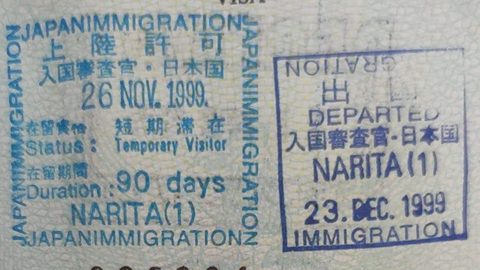 Japan Visa-Free Entry and the Visit Japan Web Digital Form
Visa-free entry covers many nationalities, but the Visit Japan Web digital form and QR codes determine how quickly you clear immigration at Narita or Haneda.
Japan Visa-Free Entry and the Visit Japan Web Digital Form
Visa-free entry covers many nationalities, but the Visit Japan Web digital form and QR codes determine how quickly you clear immigration at Narita or Haneda.
-
 Cash and IC Cards Are the Real Payment System in Japan
Japan projects a high-tech image but many small restaurants, temples, and rural buses demand cash. IC cards like Suica and Icoca bridge the gap for daily spending.
Cash and IC Cards Are the Real Payment System in Japan
Japan projects a high-tech image but many small restaurants, temples, and rural buses demand cash. IC cards like Suica and Icoca bridge the gap for daily spending.
-
 Japan Rail Pass Maths and When Buying Single Tickets Wins
The Japan Rail Pass can save hundreds or cost more than single tickets depending on your route. Run the maths on a Tokyo-Kyoto-Osaka loop before buying.
Japan Rail Pass Maths and When Buying Single Tickets Wins
The Japan Rail Pass can save hundreds or cost more than single tickets depending on your route. Run the maths on a Tokyo-Kyoto-Osaka loop before buying.
-
 Japan Month by Month with Cherry Blossom and Autumn Leaves Timing
Cherry blossom and autumn foliage are moving targets that bring packed temples and booked-out hotels. Here is month-by-month timing plus the Golden Week and Obon windows to avoid.
Japan Month by Month with Cherry Blossom and Autumn Leaves Timing
Cherry blossom and autumn foliage are moving targets that bring packed temples and booked-out hotels. Here is month-by-month timing plus the Golden Week and Obon windows to avoid.
-
 What a Day in Japan Costs at Three Budget Levels in Yen
A ¥5,000 daily backpacker budget in Japan is punishingly tight. See real yen figures for three spending levels, from konbini survival to mid-range comfort.
What a Day in Japan Costs at Three Budget Levels in Yen
A ¥5,000 daily backpacker budget in Japan is punishingly tight. See real yen figures for three spending levels, from konbini survival to mid-range comfort.
-
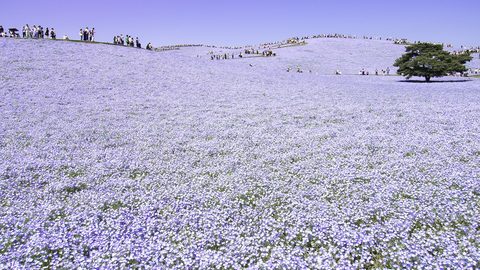 Kanto
Kanto is the seven prefectures around Tokyo, and almost all of it is a day trip. Here is what each part is for, and when it is worth sleeping outside the city.
Kanto
Kanto is the seven prefectures around Tokyo, and almost all of it is a day trip. Here is what each part is for, and when it is worth sleeping outside the city.
-
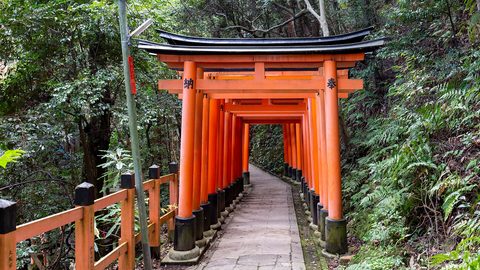 Osaka or Kyoto Where to Base Your Kansai Trip
Osaka and Kyoto are fifteen minutes apart by train but worlds apart after dark. Here is how to decide which city should be your Kansai base.
Osaka or Kyoto Where to Base Your Kansai Trip
Osaka and Kyoto are fifteen minutes apart by train but worlds apart after dark. Here is how to decide which city should be your Kansai base.
-
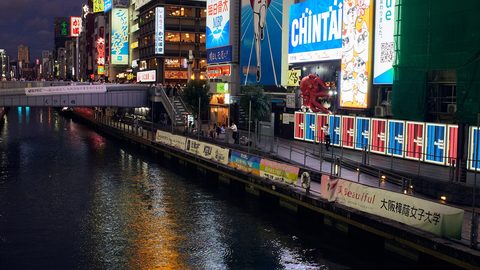 Tokyo vs Osaka: Which One If the Trip Only Has Room for One
Tokyo and Osaka offer different versions of Japan. A comparison of scale, food, pace, and daily experience to help you choose the one that fits your trip.
Tokyo vs Osaka: Which One If the Trip Only Has Room for One
Tokyo and Osaka offer different versions of Japan. A comparison of scale, food, pace, and daily experience to help you choose the one that fits your trip.