Tokyo or Osaka: Choosing One City for Your Japan Trip
Tokyo and Osaka offer different versions of Japan. A comparison of scale, food, pace, and daily experience to help you choose the one that fits your trip.

Tokyo or Osaka: Choosing One City for Your Japan Trip
The problem is simple. You have a tight Japan trip and only enough time for one major city. The answer is not a ranking of better or worse. It is a personality match.
Tokyo and Osaka offer fundamentally different urban experiences. Tokyo is a city of quiet, orderly neighbourhoods stitched together by relentless rail commutes. It rewards patience, efficiency, and a taste for systems. Osaka is compact, direct, and built around street food. Its energy hits you on the pavement, not after a 40-minute train ride. Pick the one that fits how you want to spend your days, not the one with more bullet points in a guide.
| Axis | Tokyo | Osaka |
|---|---|---|
| Population (City Proper) | 13,960,236 (23 wards, 2020 census) | 2,752,412 (city proper, 2020 census) |
| Metropolitan Area | 36,914,000 (2020 census) | 19,303,000 (Keihanshin, 2020 census) |
| Land Area | 627.6 km² (23 wards) | 225.2 km² (city proper) |
| Transit Stations (Metro) | 285 (Tokyo Metro + Toei) | 133 (Osaka Metro) |
| Michelin-Starred Restaurants (2024) | 183 | 85 |
| Average Lunch Set (2024) | ¥1,000 – ¥1,500 | ¥800 – ¥1,200 |
| Average Mid-Range Hotel (2024) | ¥18,000 – ¥28,000 (estimate, check current rates) | ¥10,000 – ¥18,000 (estimate, check current rates) |
| Daily Step Count (Visitor Average) | 20,000 – 30,000 | 15,000 – 25,000 |
| Recommended Minimum Stay (First Visit) | 3 – 5 days | 2 – 3 days |
| Day Trips Feasible From Base | 2 – 3 (in 5 days) | 1 – 2 (in 3 days) |
| Kyoto Travel Time (Train) | 2 h 30 min (Shinkansen) | 28 min (JR Special Rapid) |
| Nara Travel Time (Train) | N/A (4+ hours by train) | 50 min (JR Yamatoji Rapid) |
| Signature Dishes (City-Recognised) | 0 (no municipal system) | 5 (takoyaki, okonomiyaki, kushikatsu, udon, doteyaki) |
What Each City Demands from You
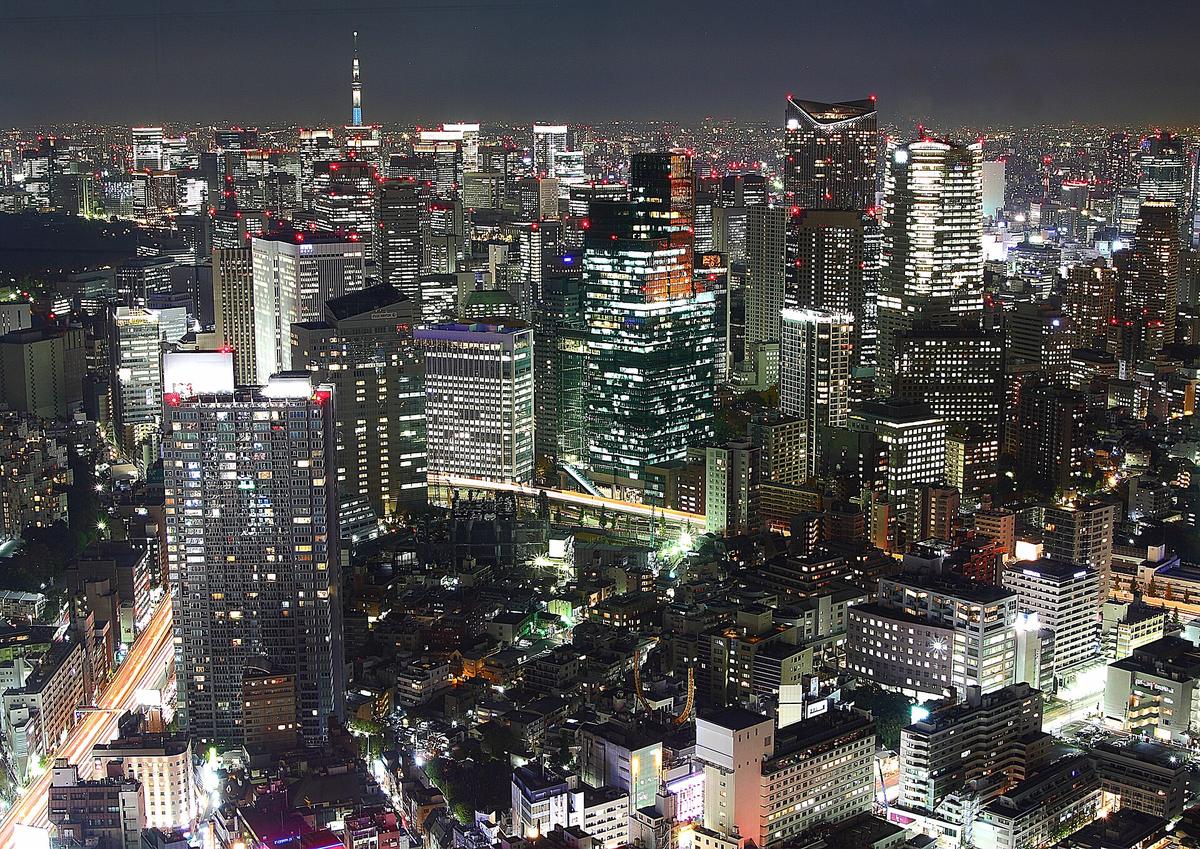
Tokyo is built for solo explorers who thrive on anonymity. The city rewards the patience to navigate multi-company stations where one wrong exit gate invalidates your transfer ticket and forces a recalculation at a staffed window. Food-obsessed travellers will spend months planning specific meals at places like Nakiryu or Konjiki Hototogisu. Pop-culture and design enthusiasts find their world in Shimokitazawa vintage stores and Daikanyama design boutiques. Efficiency nerds who appreciate systems that work exactly as designed will love the precision of a 5:00 AM first train and the ritual of a convenience store egg salad sandwich eaten deliberately at midnight.
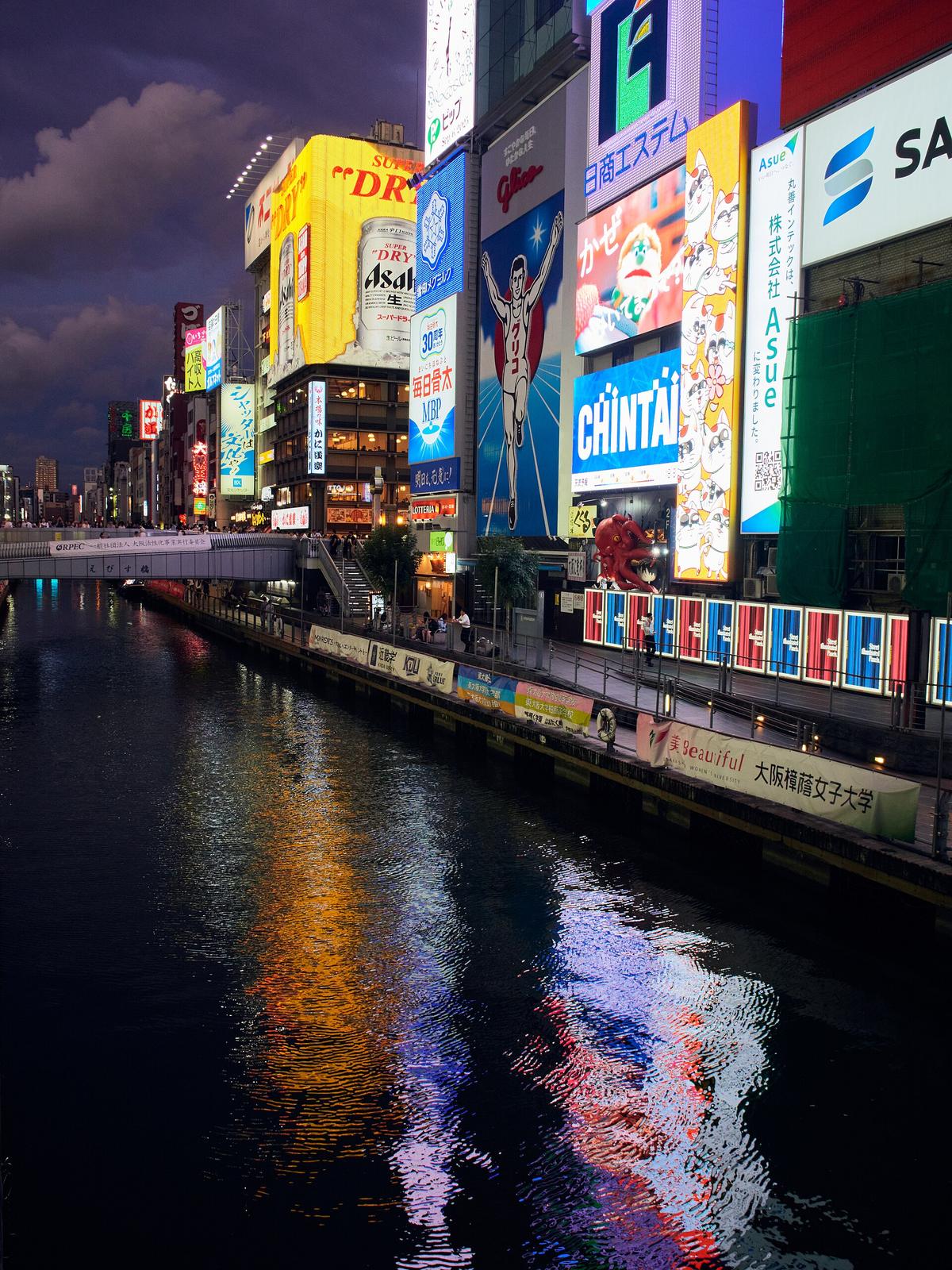
Osaka asks for none of that patience. It is a compact, walkable city where the signature dish count recognised by the city stands at five: takoyaki, okonomiyaki, kushikatsu, udon, and doteyaki. You can walk from Dotonbori to Shinsaibashi to Namba within an hour and feel the pulse of each district without a single subway ride. The city is direct. Street food is not a curated omakase experience. It is a takoyaki shop staff shouting your order back at you across the counter. The estimated 1,200 takoyaki shops in the city make it hard to go hungry and impossible to overpay.
The Pace Difference
Your daily step count tells the story. Tokyo visitors average 20,000 to 30,000 steps daily because they are commuting between districts. You cannot base yourself in Shinjuku and efficiently cover Asakusa, Akihabara, and Shibuya in one day without spending half your time underground. The common mistake travellers make is trying to cover Shibuya, Shinjuku, Harajuku, Asakusa, Akihabara, and Roppongi in two days. Station navigation and district depth eat half your day. Pick two areas maximum per day.
Osaka visitors average 15,000 to 25,000 steps, but those steps cover more ground because the city is denser. A 28-minute train from Osaka Station puts you in Kyoto. A 50-minute train puts you in Nara. The Osaka Amazing Pass, around ¥2,800 at the last published rate, includes entry to roughly 50 attractions and covers your transit. That single pass solves both your movement and your sightseeing in one purchase.
The Food Philosophy
Tokyo carries more Michelin stars than any city on earth, comfortably over 150 starred restaurants. The city is where you plan a pilgrimage to a specific ramen bowl, a high-end tempura omakase in Kanda, or a depachika basement food hall grazing session at Isetan Shinjuku. Tokyo does not have a municipal food designation system. Its culinary identity is not branded. It is a thousand quiet obsessions carried out in basements and backstreets where restaurant reservations are mandatory post-pandemic and walk-in refusals are common even when empty seats are visible.
Osaka has roughly half as many starred restaurants, but that number misses the point. The city’s five recognised signature dishes are street food by nature. Osaka does not ask you to book a week ahead for a counter seat. It asks you to stand on a sidewalk in Dotonbori holding a paper tray of takoyaki while the neon reflects off the canal. The average lunch set runs ¥800 to ¥1,200 against Tokyo’s ¥1,000 to ¥1,500. The gap does not sound large until you eat three meals a day for a week.
The Daily Friction
Tokyo is harder. Public trash cans are virtually non-existent. You carry your rubbish to the next konbini. Many ATMs still reject foreign cards outside 7-Eleven, Japan Post, or FamilyMart. Google Maps struggles with vertical navigation in multi-floor station malls that Tokyo has in nearly every major district. Pocket WiFi rental is still more reliable than eSIMs for consistent speed across underground sections. These are not dealbreakers. They are the cost of entry to a city that puts 36.9 million people in one metropolitan area and asks them to move through it with silent precision.
Osaka has 133 metro stations to Tokyo’s 285. The system is simpler because it needs to be. The city proper holds 2.75 million people, and its metropolitan area of 19.3 million is roughly half the size of Tokyo’s. The friction is lower because the scale is smaller. You spend less time deciding which gate to exit and more time deciding which okonomiyaki shop to try.
How the Days Shape Up
Five full days is the minimum for Tokyo. Anything less and you are commuting between a checklist of sights without feeling the rhythm of any single district. In five days you can take two to three day trips. Kamakura is a 55-minute ride on the JR Yokosuka Line from Tokyo Station for ¥940 one-way. Hakone is a 1-hour 25-minute Odakyu Romancecar from Shinjuku. A two-day Hakone Free Pass including the Romancecar runs around ¥6,100; Odakyu publishes the current price. Nikko is a two-hour Tobu Limited Express from Asakusa. Kawaguchiko is a two-hour highway bus from Shinjuku.
Three days is comfortable for Osaka. In that time you take one to two day trips. Kyoto is 28 minutes and ¥570 on the JR Special Rapid from Osaka Station. Nara is 50 minutes and ¥800 on the JR Yamatoji Rapid. Both cities hold the UNESCO World Heritage sites that Tokyo and Osaka lack entirely within their city limits. Kyoto has 17. Nara has 8. If temples and gardens are your priority, basing yourself in Osaka and day-tripping to Kyoto and Nara gives you cheaper hotels and shorter train times than basing yourself in Tokyo. The average Osaka mid-range double room runs ¥10,000 to ¥18,000 against Tokyo’s ¥18,000 to ¥28,000.

Worth it if
- Tokyo for the solo anonymity seeker who wants to disappear into a system and find their own private rituals in quiet corners.
- Tokyo for the food obsessive who plans trips around specific Michelin-starred bowls and basement food halls.
- Osaka for the walker who wants a compact, direct city where the food hits you on the street and the budget holds up better.
- Osaka for the day-tripper who wants Kyoto and Nara within 30 to 50 minutes at affordable fares.
- Osaka for the traveller who finds Tokyo's station mazes and multi-company transfers anxiety-inducing rather than energising.
Skip it if
- Tokyo is not for the traveller seeking a compact walkable old town or a shoe-string budget with cheap hostels and street food.
- Tokyo is not for those who find crowds and underground mazes anxiety-inducing.
- Osaka is not for the efficiency nerd who appreciates systems that work at a 28,000-step scale.
- Osaka is not for the repeat visitor who has already done the big sights and wants the deep neighbourhood unraveling Tokyo demands.
- Osaka lacks the scale and anonymity that makes Tokyo a city you can visit ten times and still not exhaust.
Read next
-
 Japan eSIM vs Pocket WiFi vs Physical SIM for Staying Connected
Free public WiFi across Japan is unreliable and slow. Compare eSIM plans from Ubigi and Airalo against renting a pocket WiFi device at Narita or Haneda.
Japan eSIM vs Pocket WiFi vs Physical SIM for Staying Connected
Free public WiFi across Japan is unreliable and slow. Compare eSIM plans from Ubigi and Airalo against renting a pocket WiFi device at Narita or Haneda.
-
 Japan Visa-Free Entry and the Visit Japan Web Digital Form
Visa-free entry covers many nationalities, but the Visit Japan Web digital form and QR codes determine how quickly you clear immigration at Narita or Haneda.
Japan Visa-Free Entry and the Visit Japan Web Digital Form
Visa-free entry covers many nationalities, but the Visit Japan Web digital form and QR codes determine how quickly you clear immigration at Narita or Haneda.
-
 Cash and IC Cards Are the Real Payment System in Japan
Japan projects a high-tech image but many small restaurants, temples, and rural buses demand cash. IC cards like Suica and Icoca bridge the gap for daily spending.
Cash and IC Cards Are the Real Payment System in Japan
Japan projects a high-tech image but many small restaurants, temples, and rural buses demand cash. IC cards like Suica and Icoca bridge the gap for daily spending.
-
 Japan Rail Pass Maths and When Buying Single Tickets Wins
The Japan Rail Pass can save hundreds or cost more than single tickets depending on your route. Run the maths on a Tokyo-Kyoto-Osaka loop before buying.
Japan Rail Pass Maths and When Buying Single Tickets Wins
The Japan Rail Pass can save hundreds or cost more than single tickets depending on your route. Run the maths on a Tokyo-Kyoto-Osaka loop before buying.
-
 Japan Month by Month with Cherry Blossom and Autumn Leaves Timing
Cherry blossom and autumn foliage are moving targets that bring packed temples and booked-out hotels. Here is month-by-month timing plus the Golden Week and Obon windows to avoid.
Japan Month by Month with Cherry Blossom and Autumn Leaves Timing
Cherry blossom and autumn foliage are moving targets that bring packed temples and booked-out hotels. Here is month-by-month timing plus the Golden Week and Obon windows to avoid.
-
 What a Day in Japan Costs at Three Budget Levels in Yen
A ¥5,000 daily backpacker budget in Japan is punishingly tight. See real yen figures for three spending levels, from konbini survival to mid-range comfort.
What a Day in Japan Costs at Three Budget Levels in Yen
A ¥5,000 daily backpacker budget in Japan is punishingly tight. See real yen figures for three spending levels, from konbini survival to mid-range comfort.
-
 Kanto
Kanto is the seven prefectures around Tokyo, and almost all of it is a day trip. Here is what each part is for, and when it is worth sleeping outside the city.
Kanto
Kanto is the seven prefectures around Tokyo, and almost all of it is a day trip. Here is what each part is for, and when it is worth sleeping outside the city.
-
 Osaka or Kyoto Where to Base Your Kansai Trip
Osaka and Kyoto are fifteen minutes apart by train but worlds apart after dark. Here is how to decide which city should be your Kansai base.
Osaka or Kyoto Where to Base Your Kansai Trip
Osaka and Kyoto are fifteen minutes apart by train but worlds apart after dark. Here is how to decide which city should be your Kansai base.
-
 Tokyo vs Kyoto Which City to Pick If You Only Have Time for One
Tokyo and Kyoto reward different personalities. One is a sprawling organised chaos for solo explorers and food obsessives; the other is a compact historical core for temple wanderers.
Tokyo vs Kyoto Which City to Pick If You Only Have Time for One
Tokyo and Kyoto reward different personalities. One is a sprawling organised chaos for solo explorers and food obsessives; the other is a compact historical core for temple wanderers.