Calculate Your Thailand Trip Cost Before The Islands Double It
See what a day in Thailand costs at three budget levels and why island prices run far higher than Bangkok or Chiang Mai.
Calculate Your Thailand Trip Cost Before the Islands Double it
Most first-timers budget for Thailand by picking a single daily number. That number collapses the moment you leave the mainland. A day in Chiang Mai costs roughly half what a day in Ao Nang costs, and the gap widens further on islands like Koh Phi Phi. The real question is what your specific travel style demands, and where you spend your nights. Here is the Thailand daily budget at three concrete levels, with baht ranges that hold in 2026, plus the island price gap you need to see before you book a ferry.
Backpacker Daily Budget: 800-1,400 THB
At this level you sleep in hostel dorms, eat from street carts and markets, and move by public bus or songthaew. On the mainland this works. In Chiang Mai you can get a dorm bed for 150-400 THB, eat pad thai from a cart for 50-70 THB, and ride a songthaew across town for 20-30 THB. A cheap day in Chiang Mai runs 500-700 THB total. The capital costs slightly more: a dorm runs 350 THB, street food runs about 250 THB for the day, and BTS or MRT journeys add 100 THB. That gives a cheap day in Bangkok of 700-1,000 THB.
The backpacker budget breaks on the islands. A dorm bed in Phuket or Koh Phi Phi costs 400-700 THB, nearly double the Chiang Mai rate. Street pad thai jumps to 80-120 THB. Motorbike rental on an island runs 250-400 THB per day versus 200-300 THB in Chiang Mai. A cheap day on a Phuket beach strip runs 1,200-1,800 THB. If you drink nightly at bars, alcohol eats 20-40% of that total. The fix is to stay in Krabi Town instead of Ao Nang. A Krabi Town dorm costs closer to mainland prices, and you can take a 400-600 THB shuttle or longtail to the beach when you want it.

Mid-Range Daily Budget: 2,000-3,500 THB
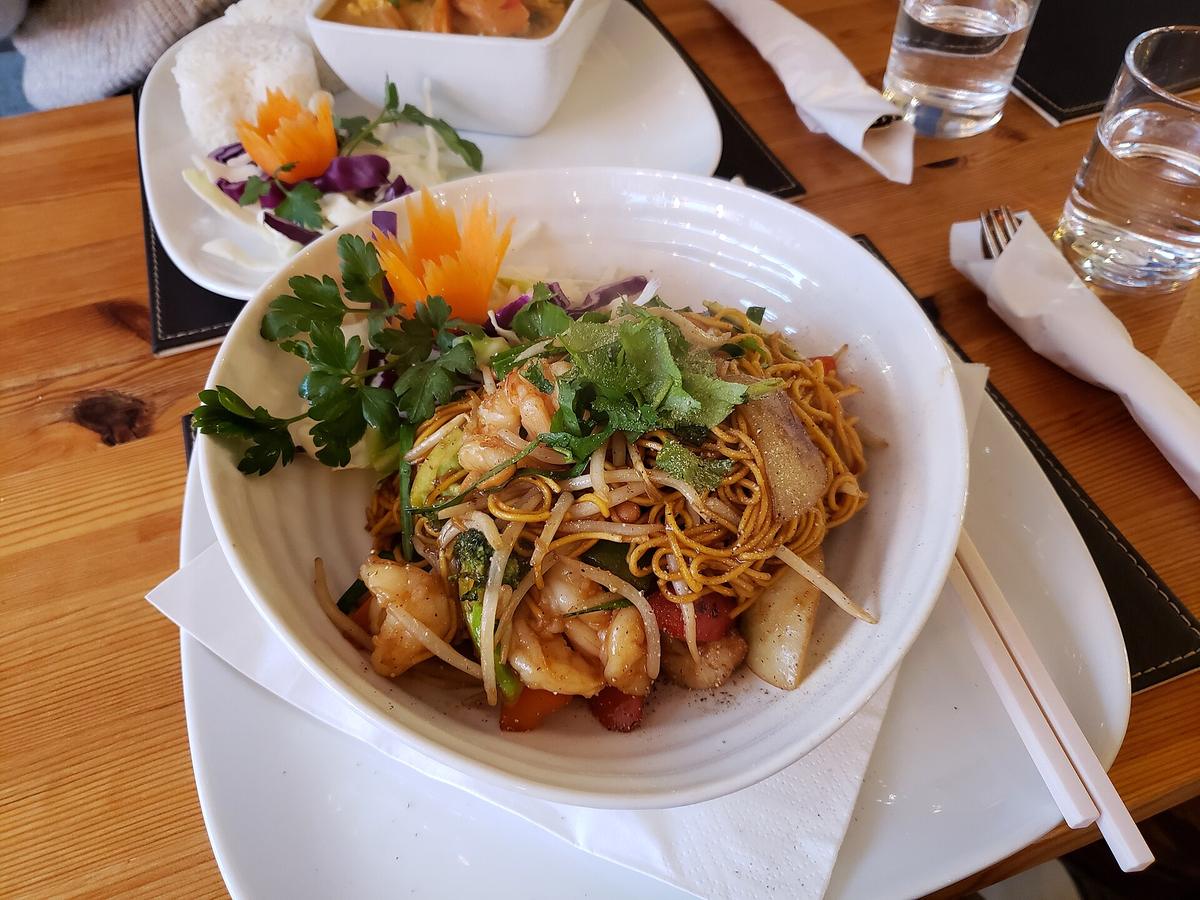
Mid-range means a private room with air conditioning, a mix of cafe lunches and one restaurant dinner, and occasional Grab rides to avoid the heat. In Bangkok or Chiang Mai a 3-star hotel costs 1,500-2,500 THB per night. A restaurant pad thai with AC costs 150-250 THB. Mid-range food for the day runs 500-900 THB. A Grab across central Bangkok for 8 km costs 150-250 THB off-peak. That works.
The Thailand mid range hotel cost jumps on islands. A basic AC room in Phuket or on Koh Samui in high season runs 1,500-2,500 THB, but a beachfront resort at the same level costs 3,000-6,000 THB. Restaurant pad thai with AC in Phuket or Koh Phi Phi costs 200-350 THB. A cocktail at a beach club costs 350-550 THB versus 200-350 THB in Bangkok. The Krabi Ao Nang cost per day for a mid-range traveller lands at roughly 2,500-4,000 THB, while the same standard in Krabi Town costs 1,800-2,800 THB. The difference comes entirely from accommodation and alcohol markups on the beach strip. Book a room in Krabi Town and take a 50 THB songthaew to Ao Nang when you want the beach, and you save 700-1,200 THB per day.
Comfortable Daily Budget: 4,500-8,000+ THB
Comfortable travel means 4-star hotels or resorts, restaurant meals with drinks, private car transfers, and domestic flights between regions. A 4-star hotel in Bangkok or Phuket costs 3,000-6,000 THB per night. Comfortable food runs 1,200-2,500 THB per day excluding alcohol. A cocktail at a mid-range bar in Bangkok costs 200-350 THB; at a Phuket beach club it hits 350-550 THB.
The island price premium hits hardest at this level. A beachfront resort in Phuket or Koh Samui in high season costs 6,000-15,000 THB per night. The resort breakfast buffet alone costs 400-800 THB. A private longtail boat transfer from Phuket to Phi Phi costs 1,800-3,500 THB for a group day trip, and a solo traveller gets hit hardest since longtail boats charge per boat, not per person. The comfortable traveller absorbs these costs without blinking, but the gap between mainland and island still runs 30-50% on accommodation alone. If you want the same standard in Chiang Mai, a 4-star hotel costs 3,000-6,000 THB and a cocktail costs 200-350 THB, roughly half the Phuket equivalent.
Thailand Island Prices vs Mainland: the Gap in Numbers
Compare Specific Costs Side by Side
The price gap is not a myth. Compare these specific pairs from the 2026 rates. A backpacker dorm in Chiang Mai costs 150-400 THB; in Phuket it costs 400-700 THB. A street pad thai in Chiang Mai costs 50-70 THB; in Phuket it costs 80-120 THB. A mid-range hotel room in Bangkok costs 1,500-2,500 THB; a 3-star equivalent on Koh Samui costs 2,500-4,000 THB in high season. A large beer at a Chiang Mai bar costs 90-150 THB; at a Phuket beach bar it costs 150-250 THB. A motorbike rental in Chiang Mai costs 200-300 THB per day; on an island it costs 250-400 THB per day.
Krabi Town Versus Ao Nang
The Krabi Ao Nang cost per day versus Krabi Town cost per day makes the gap visible without crossing the sea. Krabi Town is a functional mainland hub, not a beach destination. Ao Nang is a concrete beach strip and longtail-boat launch point. Accommodation in Ao Nang runs 30-50% higher for the same standard. Food at Ao Nang restaurants runs 20-30% higher than Krabi Town carts. The trade-off is simple: stay in Krabi Town, commute to Ao Nang on a 400-600 THB shuttle or a 50 THB songthaew, and keep your daily spend in the mid-range band.
Fixed Costs That Catch You Out
Fixed costs amplify the gap. The Grand Palace charges 500 THB entry per foreign adult, no discount for backpackers. Erawan Falls charges 300 THB for foreign adults versus 40-100 THB for Thai adults. National park entry for foreigners runs 200-500 THB per park, and the Similan Islands charge 500 THB per foreign adult. These rates do not change by season. A day at Erawan Falls plus the Grand Palace costs 800 THB before you pay for food or transport. Budget for those before you allocate your daily spending.

Bangkok Street Food Budget: How Much You Actually Spend
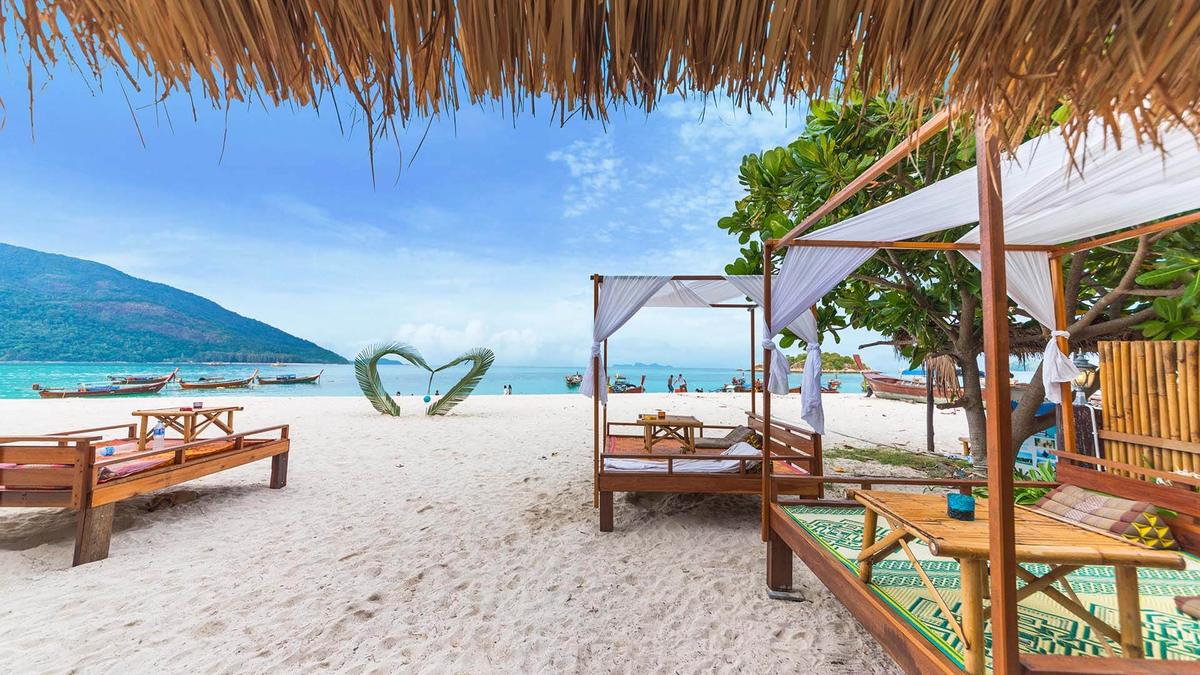
A Bangkok street food budget is the cheapest way to eat in the country, but the exact cost depends on whether you eat at a cart or a restaurant with AC. A street pad thai cart runs 80-120 THB. Boat noodles at Victory Monument cost 15-20 THB per tiny bowl, and you can stack three or four for a meal. Jok, rice porridge with pork meatballs and ginger, costs 30-50 THB at a pre-dawn stall in Silom or Yaowarat. A full day of street food and market eating runs 200-350 THB. That covers three meals plus a snack.
The trap is the shift from cart to sit-down. A restaurant pad thai with AC in Bangkok costs 150-250 THB, roughly double the cart price. If you add a large beer at a Bangkok bar for 120-200 THB, your food and drink budget for one meal exceeds a full day of street eating. The Bangkok street food budget works only if you stay on the pavement. If you need air conditioning every meal, budget 500-900 THB per day and call it mid-range food.
Thailand Mid Range Hotel Cost: What You Get and Where
Three-Star Rooms on the Mainland
A 3-star hotel in Bangkok or Chiang Mai costs 1,500-2,500 THB per night. That gets you a private room with AC, en-suite bathroom, and often a pool or rooftop access. In Krabi Town the same standard costs 1,200-2,000 THB. In Ao Nang the same room costs 1,800-2,800 THB. The Thailand mid range hotel cost stays predictable on the mainland and spikes where land is scarce and demand is high: islands, beach strips, and national park gate towns.
Four-Star and Beachfront Premiums
If you need 4-star comfort, budget 3,000-6,000 THB per night in Bangkok or Phuket. Beachfront resorts on Phuket or Koh Samui in high season run 6,000-15,000 THB. The jump from 3-star to 4-star on the mainland is about 1,000-2,000 THB per night. The same jump on an island is 3,000-8,000 THB per night. Book a room in a mainland hub like Krabi Town or Surat Thani and take day trips to the islands, and you sidestep the premium entirely. The trade-off is ferry time: a longtail day trip from Krabi to the four islands costs 1,200-2,000 THB and takes a full day, but your hotel bill stays at mainland rates.
Common Questions
What is the cheapest I can spend per day in Thailand?
500-700 THB in Chiang Mai or Isaan if you stay in a hostel dorm, eat street food, and walk or take songthaews. In Bangkok the floor is 700-1,000 THB. On an island like Phuket the floor is 1,200-1,800 THB.
Why are islands more expensive than the mainland?
Accommodation costs 30-50% more because land is limited and demand is high. Transport costs more because ferries and longtail boats charge per boat, not per person. Food costs 20-30% more because supplies are shipped in. National park entry fees apply at many island beaches, adding 200-500 THB per visit.
How much do I need per day for a mid-range trip in Krabi?
In Ao Nang, budget 2,500-4,000 THB per day for a private AC room, restaurant meals, and Grab rides. In Krabi Town, budget 1,800-2,800 THB for the same standard. The difference is accommodation markup on the beach strip.
What fixed costs catch first-timers off guard?
The Grand Palace entry is 500 THB. Erawan Falls entry is 300 THB. National park entry for foreigners runs 200-500 THB per park, while Thai adults pay 40-100 THB. These are per-visit fees, not per-day, and they stack if you visit multiple attractions in one trip.
How much does street food cost in Bangkok per day?
200-350 THB covers three meals from carts and markets. Pad thai at a cart costs 80-120 THB. Boat noodles cost 15-20 THB per bowl. If you need air conditioning at every meal, budget 500-900 THB and eat at restaurants.
Read next
-
 Thailand eSIM Costs Per Gigabyte And Which Network Covers The Islands
Compare Thailand eSIM options by cost per gigabyte and check AIS versus TrueMove coverage for the Andaman islands before you land.
Thailand eSIM Costs Per Gigabyte And Which Network Covers The Islands
Compare Thailand eSIM options by cost per gigabyte and check AIS versus TrueMove coverage for the Andaman islands before you land.
-
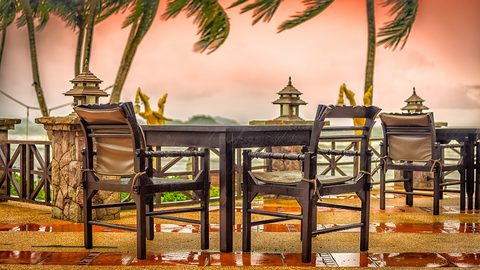 Best Time To Visit Thailand Depends On Which Coast You Choose
Thailand has two opposite monsoons. Match your travel dates to the Andaman coast, Gulf coast, or northern Thailand for dry weather.
Best Time To Visit Thailand Depends On Which Coast You Choose
Thailand has two opposite monsoons. Match your travel dates to the Andaman coast, Gulf coast, or northern Thailand for dry weather.
-
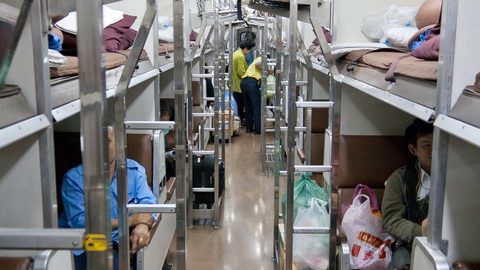 Thailand Transport Guide Flights Sleeper Trains Buses And Ferries
Compare Thailand domestic flights, sleeper trains, buses, and ferries so you can move between provinces without losing a full day.
Thailand Transport Guide Flights Sleeper Trains Buses And Ferries
Compare Thailand domestic flights, sleeper trains, buses, and ferries so you can move between provinces without losing a full day.
-
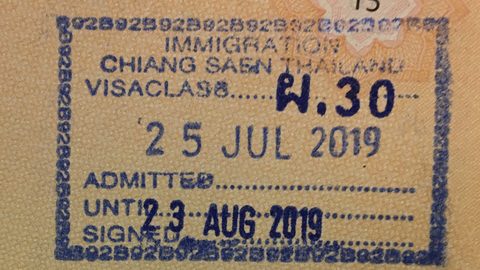 Thailand Visa On Arrival Rules And What Happens If You Overstay
Thailand visa on arrival rules, how long your entry stamp lasts, and the daily overstay fine you want to avoid at BKK.
Thailand Visa On Arrival Rules And What Happens If You Overstay
Thailand visa on arrival rules, how long your entry stamp lasts, and the daily overstay fine you want to avoid at BKK.
-
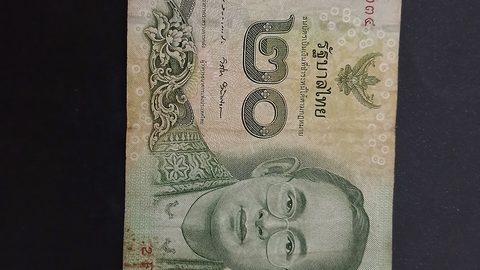 Thailand Cash Rules ATM Fees And Why Exchange Booths Beat Banks
Thailand still runs on cash. Learn the ATM flat fee, why exchange booths beat banks, and the 7-Eleven 1000 baht note problem.
Thailand Cash Rules ATM Fees And Why Exchange Booths Beat Banks
Thailand still runs on cash. Learn the ATM flat fee, why exchange booths beat banks, and the 7-Eleven 1000 baht note problem.
-
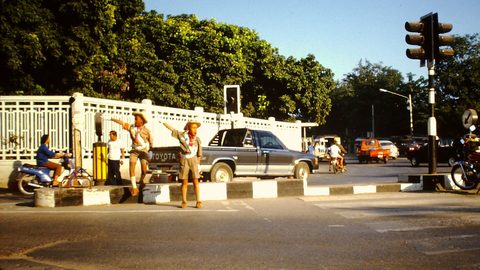 Thailand Safety Scams To Avoid And The One Thing That Kills Tourists
Thailand has low violent crime but a large scam economy and one thing that kills tourists every year. Know the risks before you go.
Thailand Safety Scams To Avoid And The One Thing That Kills Tourists
Thailand has low violent crime but a large scam economy and one thing that kills tourists every year. Know the risks before you go.
-
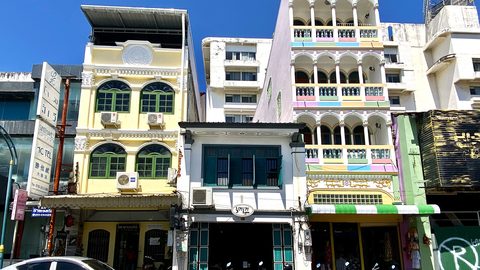 Phuket
 is a sprawling island of extreme contrasts. Choosing the right beach area matters more than any other decision you will make.
Phuket
Phuket is a sprawling island of extreme contrasts. Choosing the right beach area matters more than any other decision you will make.
-
 Krabi
Krabi is a province, not a beach town. The provincial capital sits 15km inland on a muddy river estuary and works best as a transit base, not a place to linger.
Krabi
Krabi is a province, not a beach town. The provincial capital sits 15km inland on a muddy river estuary and works best as a transit base, not a place to linger.
-
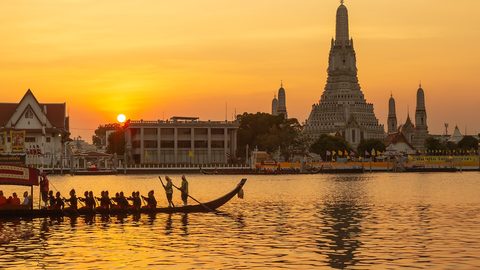 Bangkok
 is a humid, chaotic city of contrasts where golden temples sit beside glass malls and street-food stalls line air-conditioned metro stations. Here is where to begin.
Bangkok
Bangkok is a humid, chaotic city of contrasts where golden temples sit beside glass malls and street-food stalls line air-conditioned metro stations. Here is where to begin.