Four Days in Beijing, Clustered by Geography
Four days in Beijing, ordered by geography so you are not crossing the city twice. This itinerary leaves out famous sights on purpose.
Four Days in Beijing: a Geographically Clustered Sequence with Deliberate Gaps
The single most useful fact about Beijing is this: the Forbidden City and the Great Wall are not on the same day. That sounds obvious until you hear how many visitors try it. The Forbidden City demands three to four hours of walking through a maze of halls and courtyards, and the nearest Great Wall section is 90 minutes away by car. Doing both in one day means you photograph the entrance of each and leave. That is a waste of your four days.
Beijing operates on a scale that exhausts even prepared travellers. Distances between sights are vast. The grid layout means endless walking. The city is a collision of imperial grandeur and brusque modernity, where history gets bulldozed overnight yet pockets of hutong life persist with genuine warmth. Visitors consistently underestimate the mental drain of constant crowd density and the effort required to find quiet. The standard response is to cram every famous sight into an itinerary and end up defeated.
This Beijing 4 day itinerary does the opposite. It leaves things out on purpose. The angle is geographic clustering. Each day stays in one part of the city, minimising cross-town travel. You will not see everything. You cannot see everything in four days. Accepting that makes the trip better. You will see the right things deeply rather than everything shallowly.
.jpg)
Day 1: the Imperial Core and a Hutong Evening
Forbidden City Without the Crush
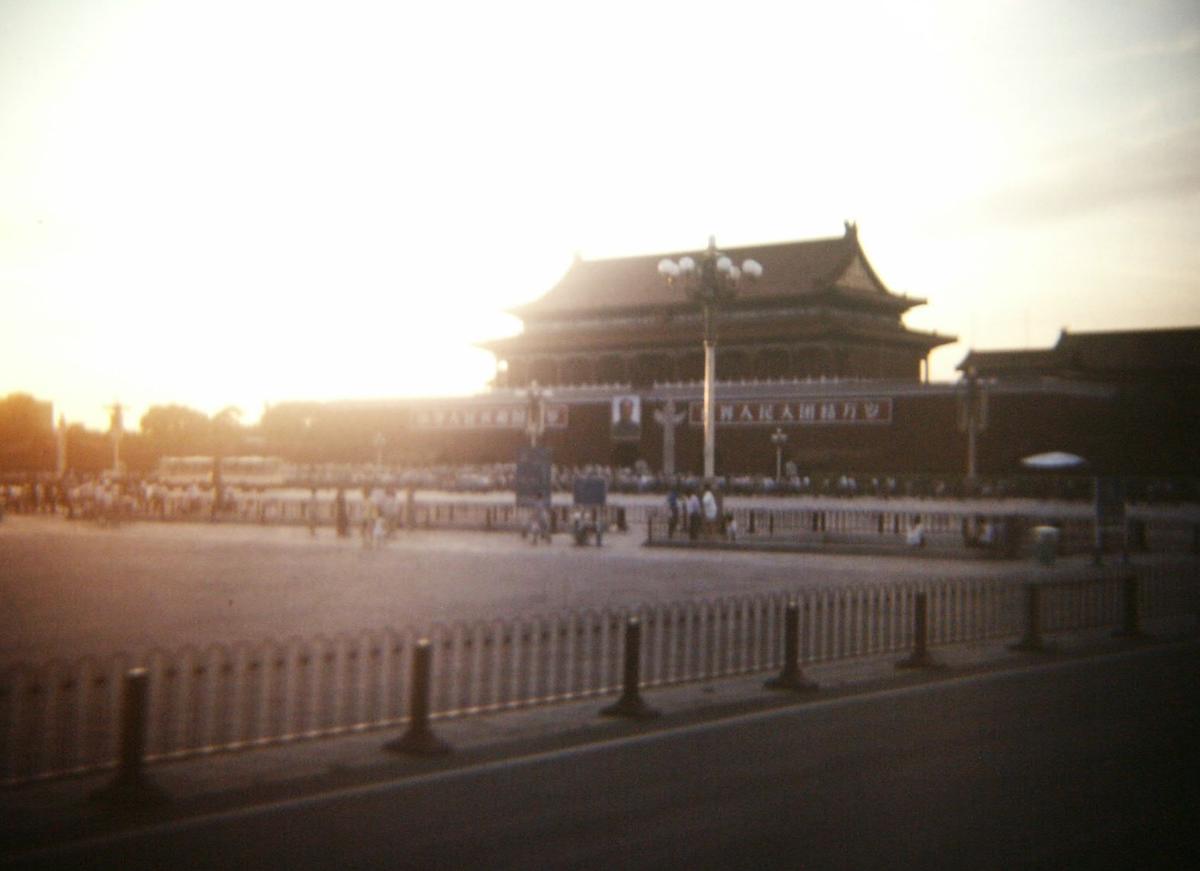
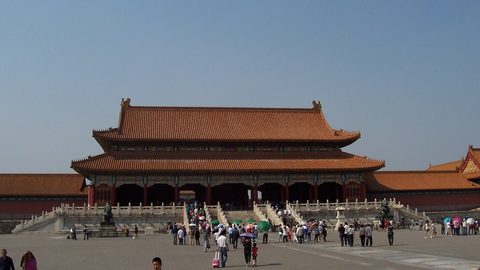
Start at the Forbidden City. Book seven days ahead on the WeChat mini-programme; your passport is required for entry. The queue for walk-up tickets is cruel, and you want to avoid it. Enter from Tiananmen Square, which itself requires passport checks and queues, so factor in 20 minutes for security. Once inside, do not try to see every hall. Pick the central axis and the eastern palaces. The western palaces are quieter but less impressive. Three hours is enough. Exit through the north gate.
Cross the road to Jingshan Park. Climb the hill. The view from the top is the one postcard shot that delivers: the Forbidden City roofs spreading south in a yellow-tiled sea. No booking required. Ten minutes up, ten minutes down.
Hutong Alleys After Dark
Now walk into the hutongs north of Jingshan. These are the narrow alleys where Beijing still breathes. Avoid the tourist-trap bar streets around Houhai. Instead, wander the lanes near Nanluoguxiang but off the main drag. Eat zhajiangmian in a hole-in-the-wall shop. End the evening sitting in a small hutong courtyard bar where the pensioners still play cards next door. This is not a polished experience. That is the point.
Day 2: Dawn Choirs, Temple Incense and a Spiky Dinner
Temple of Heaven at Dawn
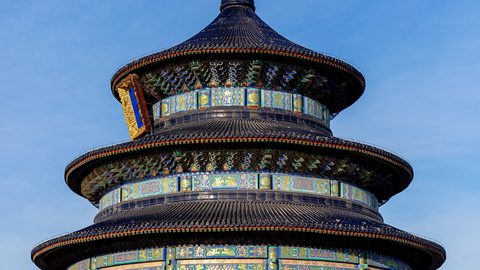
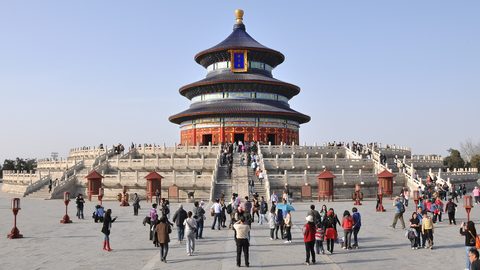
Get to the Temple of Heaven before sunrise. The pensioner choirs and tai chi groups start at dawn, and they are the real reason to come. The buildings are beautiful, but the sight of 60 people singing revolutionary folk songs in unison under a pagoda is what you will remember. Book the park entry ahead. Stay until 9am, when the crowds thicken and the magic fades.
Lama Temple and Confucius Temple
From the Temple of Heaven, take the metro northeast to Lama Temple. This is an active Tibetan Buddhist monastery. The incense smoke hangs thick in the air. The 18-metre sandalwood Buddha in the last hall is genuinely staggering. Next door is the Confucius Temple, which most visitors skip. Do not skip it. It is a quiet courtyard escape with ancient cypress trees and stone stelae. It takes 30 minutes and resets your patience for crowds.
Ghost Street Dinner
Dinner is on Ghost Street, Guijie. The street runs for a kilometre lined with restaurants, all red lanterns and loud spiciness. Pick the busiest looking place for Mongolian hotpot or chuanr lamb skewers from Uighur vendors. The food is not subtle. It is cumin-heavy and communal and takes two hours. The metro stops running around 22:30, so check the time or take a taxi. Have the address written in Chinese characters because taxi drivers rarely speak English and may refuse short fares.
| Section | Drive Time | Why Pick It | Why Avoid It |
|---|---|---|---|
| Mutianyu | 1.5 hours | Restored, safe, has a toboggan ride down. The standard choice for first-timers who want a real wall experience without risking their ankles. | Crowded by 10am. You share the wall with tour groups. The toboggan is fun but creates long queues. |
| Jinshanling | 2.5 hours | Semi-wild. You can hike for hours with few people. The unrestored sections feel like the real Ming dynasty wall. Better for repeat visitors. | Full day commitment. The drive is punishing. You need a pre-booked car. No toboggan and no easy return if you hike too far. |
| Jiankou | N/A | None for this itinerary. This is the wild section, unrestored, illegal to climb, dangerous. It is for experienced hikers with proper guides. | Do not go here with four days. It is not a sight. It is a technical climb. People die attempting it. |
Day 3: the Great Wall, a Day You Surrender to
Choosing Your Wall
Day three belongs to one thing only. Pick Mutianyu unless you have been to China before. The drive is 90 minutes by pre-booked car or bus 916 Express to Huairou, then a taxi. Leave by 7am. The wall opens early, and the first two hours are peaceful. The restored sections are clean, the watchtowers are intact, and the toboggan slide down is a legitimate thrill, not a gimmick.
Jinshanling is the better choice for people who have already done Mutianyu. The drive is 2.5 hours, but you get a semi-wild hike with genuine solitude. You cannot do both in one trip. Pick one and commit. Do not attempt the Great Wall and the Summer Palace on the same day. That is another common mistake, and the distances alone will break you.
Evening Recovery
Come back to the city in the late afternoon. You will be tired. Eat jianbing from a street cart if you find one before 9am, otherwise find a noodle shop near your accommodation. Do not plan a late dinner. The wall day demands a shower and sleep.
Day 4: Imperial Escape and Art District Contrast
Summer Palace Without the Exhaustion
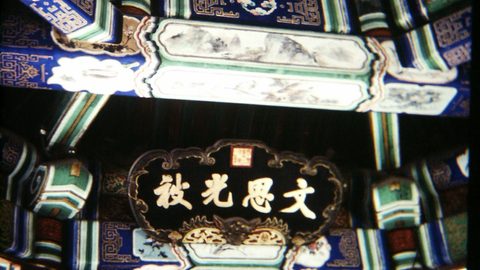
The Summer Palace is a vast lakeside escape built for the Empress Dowager Cixi. It is sprawling. Do not try to walk the whole thing. Focus on the Long Corridor, the Marble Boat, and the hilltop Buddhist Incense Pavilion. The lake walk is pleasant but consumes time. Book ahead. Arrive at opening. Two hours is enough to feel the scale without exhausting yourself for the afternoon.
798 Art District
In the afternoon, go to 798 Art District. This is a Bauhaus factory complex converted into contemporary galleries. It is in Chaoyang, which is a 40-minute metro ride from the Summer Palace. The contrast is the point: from imperial lakeside calm to industrial art world brusqueness. The galleries are hit and miss. Some are world class. Some sell overpriced trinkets. Walk the main streets, skip the ones with bouncers, and find the small photography spaces in the side alleys.
Dinner in 798 or an early meal near your hotel. You have a flight tomorrow.
What This Itinerary Leaves Out and Why That is Fine
This Beijing 4 day itinerary explicitly skips the National Museum of China, the Drum and Bell Towers, the Ming Tombs, Beihai Park, the Capital Museum, and the CCTV Headquarters. It skips them because they belong to a longer trip. The National Museum requires a separate three-hour booking and passport. The Drum and Bell Towers offer a nice view but are redundant after Jingshan Park. The Ming Tombs are 50 kilometres north and would eat an entire day. Beihai Park is lovely but not worth a detour when you already have the Summer Palace. The Capital Museum is a solid alternative if your flight gets cancelled, but not a priority.
Accept the gaps. A Beijing trip that tries to see everything is a trip where you remember nothing. This itinerary gives you a coherent sequence: imperial core, temple and neighbourhood, wall, park and art. It is structured for the 4-day minimum. Any less and you are only ticking the Forbidden City and the Great Wall while missing the neighbourhoods that give the city meaning. Four days is enough to feel Beijing. It is not enough to conquer it.
Common Questions
What is the single biggest mistake travellers make with a Beijing 4 day itinerary?
Trying to do the Forbidden City and the Great Wall on the same day. The Forbidden City takes three to four hours, and the nearest Great Wall section is 90 minutes away. Doing both means you rush both and enjoy neither. This itinerary separates them deliberately.
Is the Great Wall at Mutianyu too touristy to be worth it?
It is touristy by 10am, but that is why you arrive at opening. The toboggan ride down is unique and fun. For first-time visitors with only four days, Mutianyu is the correct choice. Jinshanling is better for repeat visitors willing to trade a longer drive for fewer crowds.
I have three days, not four. What should I cut?
The minimum for this itinerary is four full days. With three days, cut the Summer Palace and 798 Art District on Day 4. Or cut the Great Wall day entirely and spend more time in the city sights. Either way, you will miss something important. That is the trade-off.
Is the Temple of Heaven worth the early start?
Only for the morning pensioner choirs. If you arrive after 9am, the magic is gone and you are just looking at a building you saw in photos. The dawn experience is one of the most genuine cultural moments in Beijing. It justifies the early alarm.
Why does this itinerary not include Tiananmen Square as a separate stop?
You walk through it on the way into the Forbidden City on Day 1. A separate visit adds another security queue and passport check for a square you have already crossed. Save the time for the hutongs. The square is important, but it is also a vast expanse of concrete best experienced in passing.
Read next
-
 Beijing Hotels by Price Band and Property Type
Beijing hotels split into hutong courtyards, international chains and functional business towers. Here is what each price band actually buys you.
Beijing Hotels by Price Band and Property Type
Beijing hotels split into hutong courtyards, international chains and functional business towers. Here is what each price band actually buys you.
-
 Where to Stay in Beijing by District and Travel Style
Dongcheng puts you beside the Forbidden City, Chaoyang beside the nightlife. Here is how Beijing's districts compare for different travellers.
Where to Stay in Beijing by District and Travel Style
Dongcheng puts you beside the Forbidden City, Chaoyang beside the nightlife. Here is how Beijing's districts compare for different travellers.
-
 Beijing Flights PEK vs PKX Which Airport Actually Works for You
PEK or PKX? What each Beijing airport costs you in time, money, and logistical friction depending on where you are staying.
Beijing Flights PEK vs PKX Which Airport Actually Works for You
PEK or PKX? What each Beijing airport costs you in time, money, and logistical friction depending on where you are staying.
-
 Beijing Things to Do Worth Your Limited Days
The Forbidden City and Great Wall are essential, but Beijing's meaning lives in temple courtyards, hutong lanes and food streets. Here is what earns your days.
Beijing Things to Do Worth Your Limited Days
The Forbidden City and Great Wall are essential, but Beijing's meaning lives in temple courtyards, hutong lanes and food streets. Here is what earns your days.
-
 Best Time to Visit Beijing, Month by Month Tradeoffs
April and October bring blue skies and queues, July brings heat, January brings empty sites and hazardous air. Here is Beijing month by month.
Best Time to Visit Beijing, Month by Month Tradeoffs
April and October bring blue skies and queues, July brings heat, January brings empty sites and hazardous air. Here is Beijing month by month.
-
 Getting Around Beijing Without Losing Half Your Day
Beijing's metro is clean and cheap but stops early, and taxis rarely speak English. Here is how to move around without burning half your day.
Getting Around Beijing Without Losing Half Your Day
Beijing's metro is clean and cheap but stops early, and taxis rarely speak English. Here is how to move around without burning half your day.
-
 Forbidden City
 tickets require booking seven days ahead on WeChat with a passport. Here is the route to take once you are inside to avoid wasting the visit.
Forbidden City
Forbidden City tickets require booking seven days ahead on WeChat with a passport. Here is the route to take once you are inside to avoid wasting the visit.
-
 Temple of Heaven
The Temple of Heaven park matters as much as the temple. Morning tai chi, choirs, and card players make it a Beijing ritual worth a full morning.
Temple of Heaven
The Temple of Heaven park matters as much as the temple. Morning tai chi, choirs, and card players make it a Beijing ritual worth a full morning.
-
 Summer Palace
The Summer Palace is vast and the wrong entrance adds an hour of walking. Use the East Palace Gate and plan for at least four hours.
Summer Palace
The Summer Palace is vast and the wrong entrance adds an hour of walking. Use the East Palace Gate and plan for at least four hours.