A Realistic Guide to Visiting Beijing From December to February
A realistic look at Beijing in winter: the cold, the pollution, the closures, and why empty imperial sites might make it all worth it.
.jpg)
The Wrong Assumption About Beijing in Winter
The assumption is that winter in Beijing is a compromise. A consolation prize for travellers who could not get the dates right. The cold sounds manageable, the crowds sound thinner, the photos might look nice with snow on the Forbidden City roofs. That is not quite right. The truth is that Beijing from December to February is genuinely punishing, occasionally poisonous to breathe, and for exactly the right traveller, the only time to come. If you want the city without the human crush, you pay for it in degrees. You pay in wind. You decide whether that trade works for you.
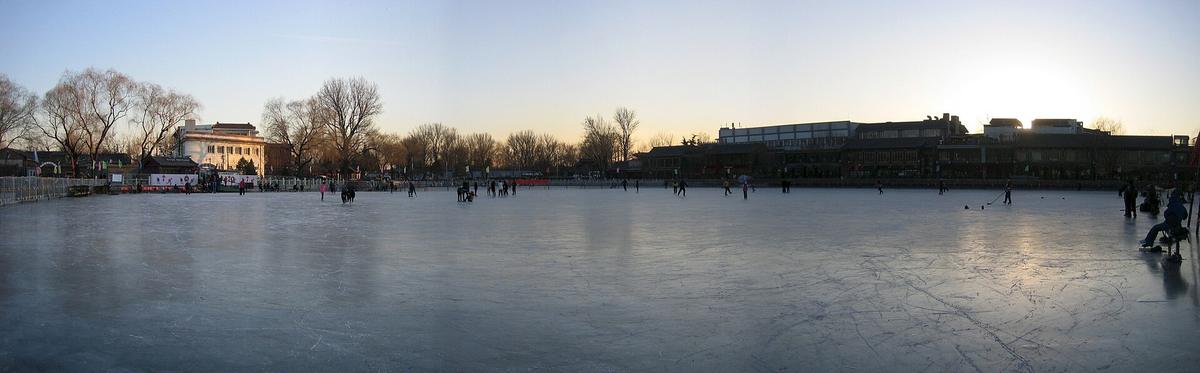
The cold hits minus 10 degrees Celsius. Not wind chill. Actual air temperature. The wind across Jingshan Park at dusk cuts through three layers. Air quality warnings arrive with less than 24 hours notice and can ground your plans for a day. But the courtyards of the Forbidden City sit empty. The frozen lakes at Houhai have skaters on them. The Great Wall at Mutianyu has more toboggan attendants than tourists. You can walk through the Temple of Heaven without dodging a selfie stick. That is the trade.
December, January, February: Each Month is Different
December: The Manageable Month
December is the manageable month. Temperatures hover around zero to minus 5. The first snows arrive, usually light. The city is preparing for nothing in particular. Crowds are low. You can book the Forbidden City three days ahead rather than seven.
January: The Brutal Month
January is brutal. January is the coldest month. Minus 10 is routine. The sun sets before 5pm. The wind tunnels between the high-rises in Chaoyang make walking between metro stations a genuine ordeal.
February: The Trickiest Month
February is the trickiest month because Chinese New Year lands in late January or February depending on the lunar calendar. The city empties of residents and fills with domestic tourists. Temple fairs pack the grounds of Ditan Park and the Lama Temple area. Meanwhile, half the small restaurants in the hutongs close for two weeks. The roast duck places near Qianmen stay open but charge holiday prices. You need to check the exact dates before booking.
Who Should Go and Who Should Not
You should go if you are a history obsessive who wants depth over charm. If you are a food traveller willing to chase specific dishes across the city. If you are a solo traveller comfortable with logistical friction. If you have already been to Beijing in peak season and want the mega-city experience without the queues. If you can handle biting cold for empty sites.
You should not go if this is your first time in Asia and you want a gentle introduction. If you need green space and spontaneity. If you are on a tight budget and still want central accommodation. If you expect an old China atmosphere without concrete and flyovers. Beijing in winter is not a beginner trip.
What to Wear: No Shortcuts
Layers are obvious. Specifics matter. You need a thermal base layer, a mid-layer of fleece or wool, and a windproof outer shell. Down jacket is ideal. Insulated boots with a good sole. The ground salt eats through cheap footwear. A scarf that covers your mouth on air quality days. Gloves you can still use a phone through. A hat that covers your ears. The Chinese locals wear face masks not only for pollution but for cold. Do that too.
The Winter Advantage: No Queues but Other Problems
The Empty Sites
You walk straight into the Forbidden City. You walk straight onto the Great Wall. You do not wait. That is the main strategic advantage of winter and it is enormous. The Forbidden City alone can involve a 40 minute wait in peak season. In January, you walk from the Meridian Gate to the Palace of Heavenly Purity without jostling. Jingshan Park lets you stand at the top and look down on the roof tiles without another tourist in the frame.
The Friction
The trade is the friction. Distances on maps deceive. A nearby sight can be a 30 minute walk across a 10 lane road with no crossing point. The metro stops running around 22:30 to 23:00 depending on the line. Station transfers involve 10 to 15 minute underground walks. Taxi drivers rarely speak English and may refuse short fares. Cash is nearly useless. Vendors expect Alipay or WeChat Pay. Foreign cards fail unpredictably even where accepted. Public toilets in tourist sites and hutongs are squat style with no soap or toilet paper. Carry both.
Chinese New Year: the Exception
If you come during Chinese New Year, you get a split experience. Millions leave the city. The metro empties. The roads clear. But millions also arrive for the temple fairs. Many restaurants close. The city feels both packed and shut. The temple fairs at Ditan Park and the Lama Temple area are crowded with domestic tourists. The food stalls sell chuanr and tanghulu. It is a specific experience, not a relaxing one. Check the lunar calendar dates before you book.
Read next
-
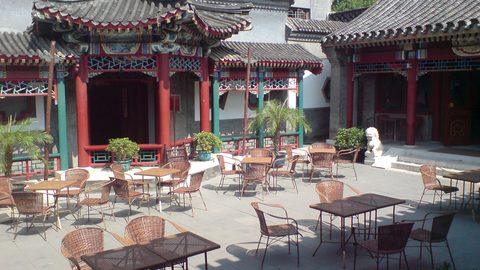
 Beijing Hotels by Price Band and Property Type
Beijing hotels split into hutong courtyards, international chains and functional business towers. Here is what each price band actually buys you.
Beijing Hotels by Price Band and Property Type
Beijing hotels split into hutong courtyards, international chains and functional business towers. Here is what each price band actually buys you.
-
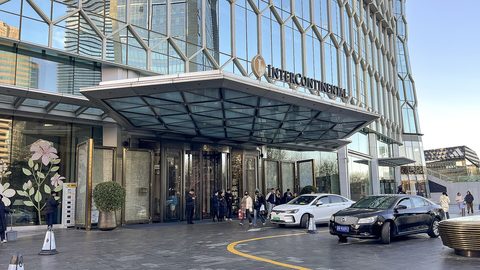 Where to Stay in Beijing by District and Travel Style
Dongcheng puts you beside the Forbidden City, Chaoyang beside the nightlife. Here is how Beijing's districts compare for different travellers.
Where to Stay in Beijing by District and Travel Style
Dongcheng puts you beside the Forbidden City, Chaoyang beside the nightlife. Here is how Beijing's districts compare for different travellers.
-
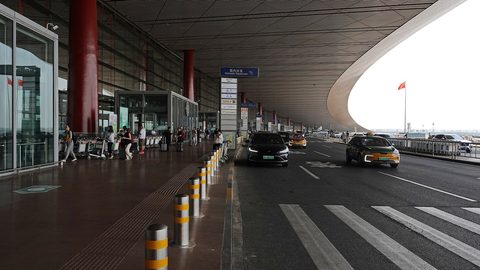 Beijing Flights PEK vs PKX Which Airport Actually Works for You
PEK or PKX? What each Beijing airport costs you in time, money, and logistical friction depending on where you are staying.
Beijing Flights PEK vs PKX Which Airport Actually Works for You
PEK or PKX? What each Beijing airport costs you in time, money, and logistical friction depending on where you are staying.
-
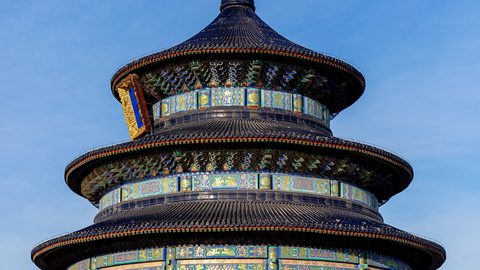 Beijing Things to Do Worth Your Limited Days
The Forbidden City and Great Wall are essential, but Beijing's meaning lives in temple courtyards, hutong lanes and food streets. Here is what earns your days.
Beijing Things to Do Worth Your Limited Days
The Forbidden City and Great Wall are essential, but Beijing's meaning lives in temple courtyards, hutong lanes and food streets. Here is what earns your days.
-
 Best Time to Visit Beijing, Month by Month Tradeoffs
April and October bring blue skies and queues, July brings heat, January brings empty sites and hazardous air. Here is Beijing month by month.
Best Time to Visit Beijing, Month by Month Tradeoffs
April and October bring blue skies and queues, July brings heat, January brings empty sites and hazardous air. Here is Beijing month by month.
-
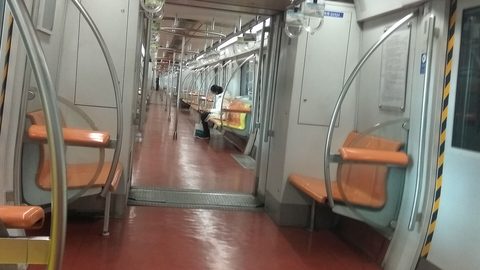 Getting Around Beijing Without Losing Half Your Day
Beijing's metro is clean and cheap but stops early, and taxis rarely speak English. Here is how to move around without burning half your day.
Getting Around Beijing Without Losing Half Your Day
Beijing's metro is clean and cheap but stops early, and taxis rarely speak English. Here is how to move around without burning half your day.
-
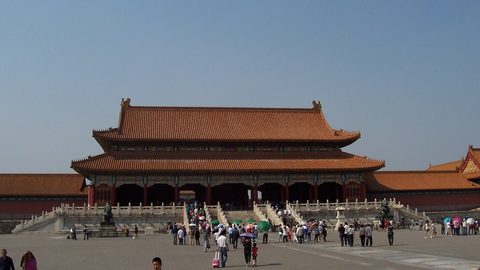 Forbidden City
 tickets require booking seven days ahead on WeChat with a passport. Here is the route to take once you are inside to avoid wasting the visit.
Forbidden City
Forbidden City tickets require booking seven days ahead on WeChat with a passport. Here is the route to take once you are inside to avoid wasting the visit.
-
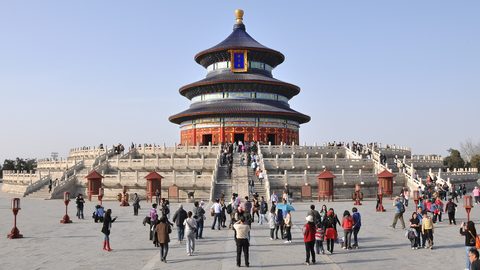 Temple of Heaven
The Temple of Heaven park matters as much as the temple. Morning tai chi, choirs, and card players make it a Beijing ritual worth a full morning.
Temple of Heaven
The Temple of Heaven park matters as much as the temple. Morning tai chi, choirs, and card players make it a Beijing ritual worth a full morning.
-
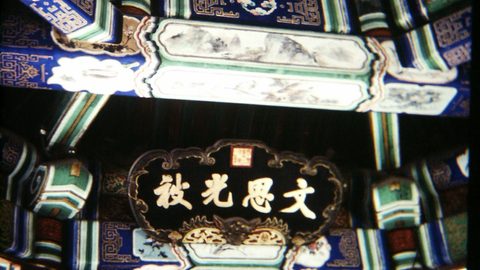 Summer Palace
The Summer Palace is vast and the wrong entrance adds an hour of walking. Use the East Palace Gate and plan for at least four hours.
Summer Palace
The Summer Palace is vast and the wrong entrance adds an hour of walking. Use the East Palace Gate and plan for at least four hours.