Yes or No Is Beijing Worth Your Time and Energy
Beijing is worth it for history obsessives and food travellers who can handle logistical friction. It is not for anyone seeking a gentle introduction to Asia.
.jpg)
Is Beijing Worth it the Real Answer Depends on What You Want from a Trip
You want a straight answer. Here it is: yes, Beijing is worth visiting if you are a history obsessive who wants depth over charm, or a food traveller willing to chase specific dishes across a sprawling city. No, it is not worth visiting if this is your first trip to Asia and you want a gentle introduction to the continent, or if you need green space and spontaneity. The city is exhausting, crowded, and logistically demanding. It is also genuinely magnificent.
The scale of Beijing exhausts even prepared travellers. Distances between sights are vast. The grid layout means endless walking. Do not underestimate the mental drain of constant crowd density and the effort required to find quiet. Imperial grandeur collides with brusque modernity here. History gets bulldozed overnight in some corners. Pockets of hutong life persist with genuine warmth in others. You cannot have the magnificence without the friction.
The History Depth-Seeker: Yes, Spend 4 Days Minimum
Book the Forbidden City a Week Ahead
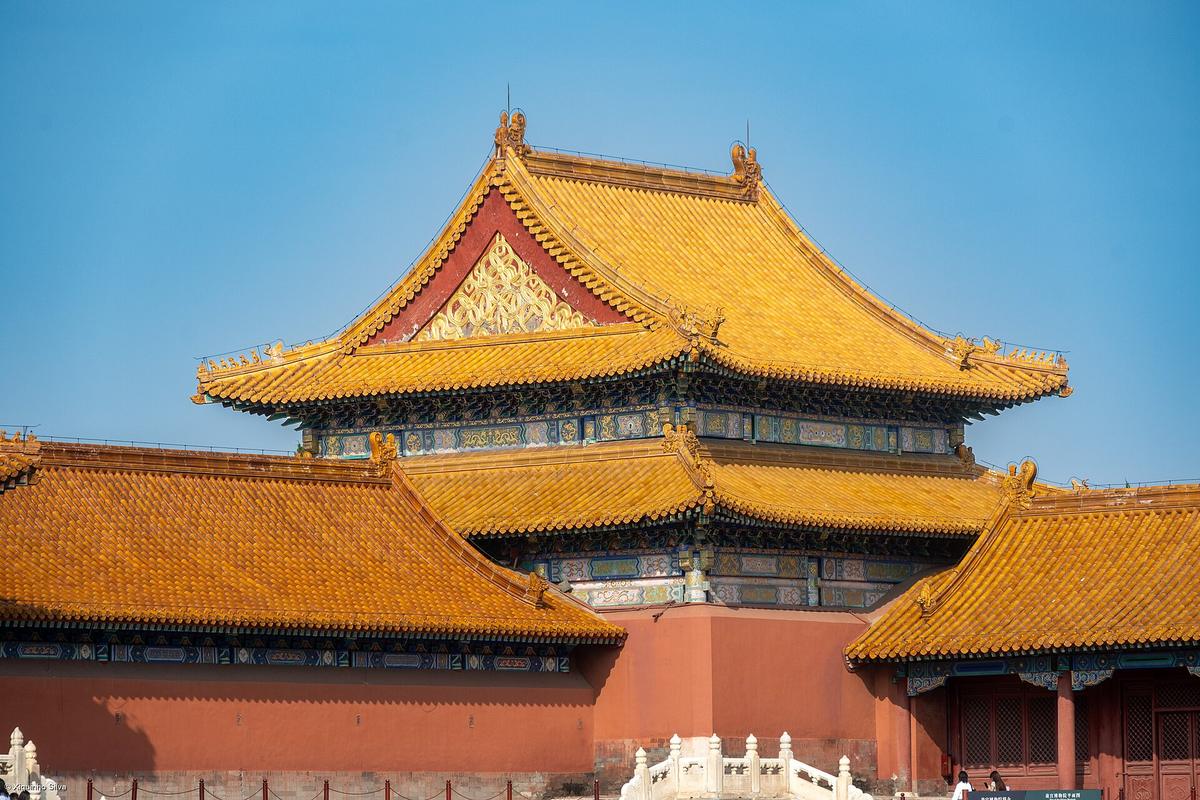
If you came for depth, Beijing delivers. The Forbidden City alone takes 3 to 4 hours. Book 7 days ahead on the WeChat mini-program, and bring your passport. Climb Jingshan Park for the hilltop view over those yellow roofs. Do this right after the palace; the entrance is directly opposite the north gate.
Time the Temple of Heaven and Summer Palace
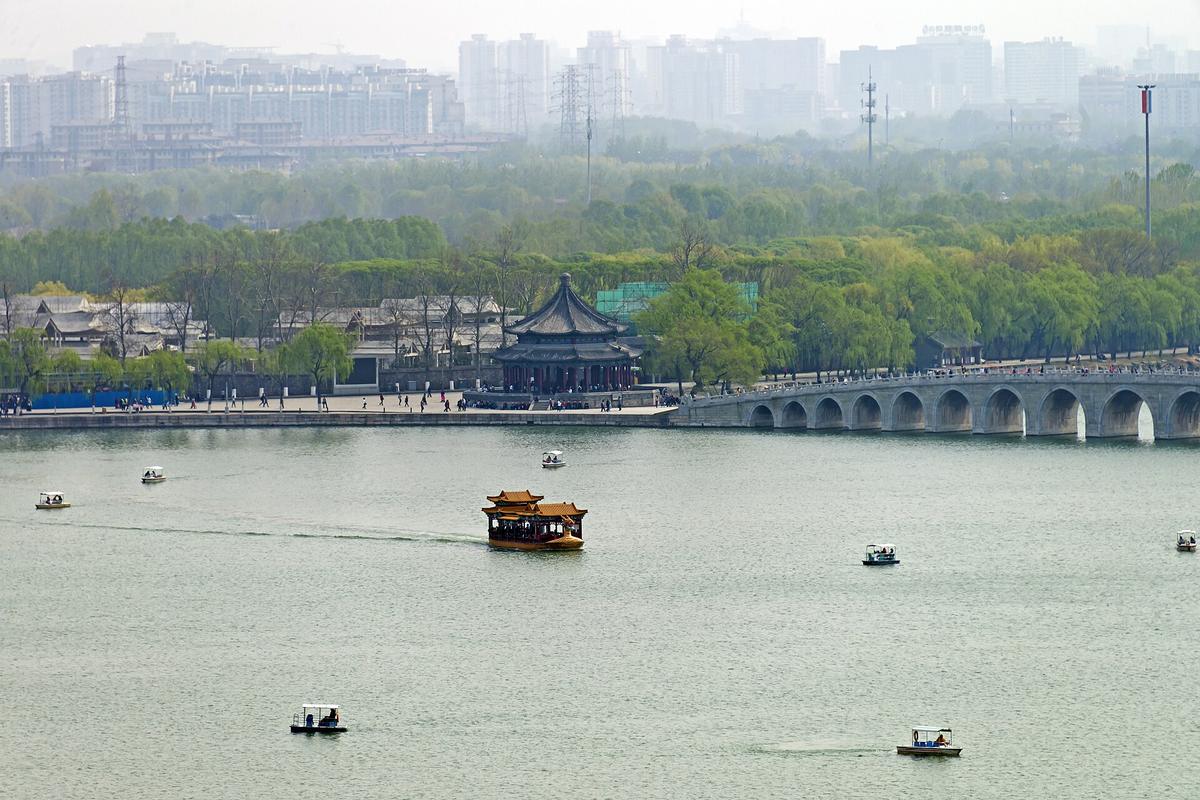
The Temple of Heaven works best in the morning, when pensioner choirs and tai chi groups animate the grounds. Arrive by 08:00. The Summer Palace is a vast imperial lakeside escape. Give it a half-day minimum. Do not rush Kunming Lake; walk the long corridor and take the boat back.
Pick One Wall Section and Commit
The Great Wall at Mutianyu is restored and has a toboggan ride down. Jinshanling is semi-wild and a 2.5-hour drive. Jiankou is unrestored, technically illegal to climb, and dangerous. Pick one. Do not try to combine the Forbidden City and Tiananmen Square with the Great Wall in the same morning. That fails because the nearest wall section is 1.5 hours away.
The Food Traveller: Yes, but You Will Work for Every Bite
Roast Duck and Where to Book It
Beijing roast duck at Quanjude is the historic choice. Siji Minfu is what locals prefer. Book ahead for either. Do not walk in at 19:00 and expect a table; you will wait 90 minutes.
Street-Level Eats You Chase by the Clock
Zhajiangmian appears in hutong hole-in-the-wall shops: hand-pulled noodles with fermented soybean paste. Mongolian hotpot at Haidilao is communal, spicy, and a 2-hour affair. Chuanr lamb skewers from Uighur street vendors are cumin-heavy and appear best after 10pm. Jianbing breakfast crepes vanish from street carts by 9am. Set an alarm.
Acquired Tastes and Imperial Banquets
Qingfeng Baozi steamed buns are workaday and cheap. Imperial court cuisine exists at Fangshan Restaurant inside Beihai Park, serving recreated Qing dynasty banquet dishes. Douzhi is a fermented mung bean drink. It is grey-green and an acquired taste. The food scene is deep, but you will cross neighbourhoods for specific plates.
The Solo Adventurer: Yes, If You Tolerate Logistical Friction
Master the Metro Before You Land
Solo travellers comfortable with friction do fine here. The metro is the backbone of getting around: clean, extensive, signage in English, ¥3 to ¥9 per ride. Get a Yikatong transport card or an Alipay transport QR code. Single ticket machines exist but the queues are long. Station transfers can involve 10 to 15 minute underground walks. The metro stops running around 22:30 to 23:00 depending on the line. Plan your return before dinner.
Taxis, Payments and What to Carry
Taxi drivers rarely speak English and may refuse short fares. Have your destination written in Chinese characters. Cash is nearly useless; vendors expect WeChat Pay or Alipay, and foreign cards fail unpredictably. Public toilets in tourist sites and hutongs are squat style with no soap or toilet paper. Carry both.
Know Your Districts
The areas to know: Dongcheng is central with hutongs and imperial sights, tourist ground zero. Xicheng has Beihai Park and Houhai lakes with older Beijing residue. Chaoyang holds the embassies, nightlife in Sanlitun, and expat infrastructure. Haidian has universities and the Summer Palace but zero nightlife. Yanqing is mountainous with Great Wall sections and hosted the 2022 Winter Olympics. Distances on maps deceive: a 'nearby' sight can be a 30-minute walk across a 10-lane road with no crossing point.
The Green-Space Lover: Not for You Unless You Come in Winter
Parks Are Destinations, Not a Backdrop
If you need green space and spontaneity, Beijing is not for you. The city has parks: Beihai, the Summer Palace grounds, Jingshan. But they are destinations, not background. The grid of concrete and flyovers dominates.
When to Go and When to Stay Away
One exception: winter travellers who can handle biting cold get empty sites. April to May and September to October bring tolerable temperatures and blue skies, but also crowds. The first week of October is National Day, with crushing domestic tourism at every major site. Chinese New Year brings millions for temple fairs while many restaurants close; the city feels both packed and shut. Summer from July to August hits 35°C plus humidity, with queues that can reach 2 hours. Air quality can hit hazardous levels from November to February with less than 24 hours notice.

| Traveller Type | Verdict | Minimum Days | Best Season |
|---|---|---|---|
| History Depth-Seeker | Yes | 4 full days | April-May, September-October |
| Food Traveller | Yes | 4 full days | Any except Chinese New Year |
| Solo Adventurer | Yes, if comfortable with friction | 4 full days | April-May, September-October |
| Green-Space Lover | No, except winter | Not recommended | December-February |
| Budget Backpacker | Cautious yes | 4 full days | Off-peak (avoid National Day week) |
The Budget Backpacker: Cautious Yes, with Real Trade-Offs
Accommodation and the Commute Trade-Off
If you are on a tight budget and want central accommodation, this city will frustrate you. Hotels and hostels in Dongcheng and Chaoyang are not cheap. Stay farther out to save, but transport eats time and money. The metro costs ¥3 to ¥9 per ride and works well if you avoid peak hours.
Cheap Eats and Free Sights
Street food like jianbing and qingfeng baozi is cheap. The 798 Art District is free to walk. The Capital Museum is less crowded than the National Museum. Expect friction: cash is useless, public toilets are squat-style without supplies, and distances between cheap accommodation and major sights are long.
Read next
-
 Beijing Hotels by Price Band and Property Type
Beijing hotels split into hutong courtyards, international chains and functional business towers. Here is what each price band actually buys you.
Beijing Hotels by Price Band and Property Type
Beijing hotels split into hutong courtyards, international chains and functional business towers. Here is what each price band actually buys you.
-
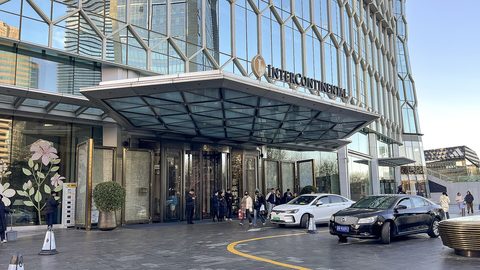 Where to Stay in Beijing by District and Travel Style
Dongcheng puts you beside the Forbidden City, Chaoyang beside the nightlife. Here is how Beijing's districts compare for different travellers.
Where to Stay in Beijing by District and Travel Style
Dongcheng puts you beside the Forbidden City, Chaoyang beside the nightlife. Here is how Beijing's districts compare for different travellers.
-
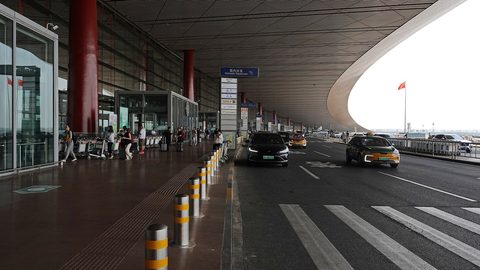 Beijing Flights PEK vs PKX Which Airport Actually Works for You
PEK or PKX? What each Beijing airport costs you in time, money, and logistical friction depending on where you are staying.
Beijing Flights PEK vs PKX Which Airport Actually Works for You
PEK or PKX? What each Beijing airport costs you in time, money, and logistical friction depending on where you are staying.
-
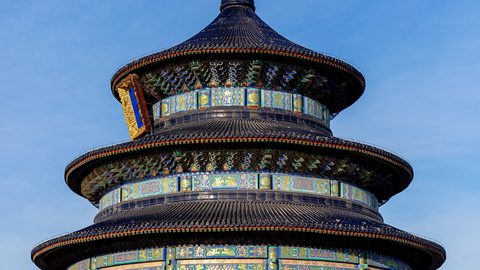 Beijing Things to Do Worth Your Limited Days
The Forbidden City and Great Wall are essential, but Beijing's meaning lives in temple courtyards, hutong lanes and food streets. Here is what earns your days.
Beijing Things to Do Worth Your Limited Days
The Forbidden City and Great Wall are essential, but Beijing's meaning lives in temple courtyards, hutong lanes and food streets. Here is what earns your days.
-
 Best Time to Visit Beijing, Month by Month Tradeoffs
April and October bring blue skies and queues, July brings heat, January brings empty sites and hazardous air. Here is Beijing month by month.
Best Time to Visit Beijing, Month by Month Tradeoffs
April and October bring blue skies and queues, July brings heat, January brings empty sites and hazardous air. Here is Beijing month by month.
-
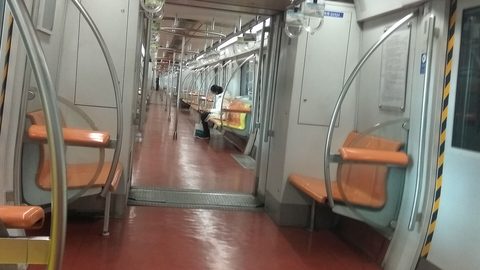 Getting Around Beijing Without Losing Half Your Day
Beijing's metro is clean and cheap but stops early, and taxis rarely speak English. Here is how to move around without burning half your day.
Getting Around Beijing Without Losing Half Your Day
Beijing's metro is clean and cheap but stops early, and taxis rarely speak English. Here is how to move around without burning half your day.
-
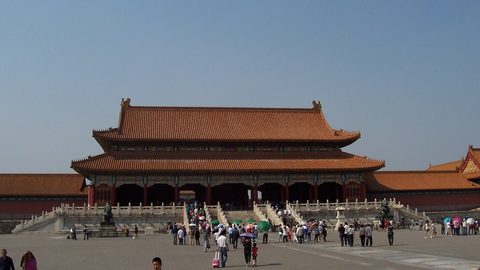 Forbidden City
 tickets require booking seven days ahead on WeChat with a passport. Here is the route to take once you are inside to avoid wasting the visit.
Forbidden City
Forbidden City tickets require booking seven days ahead on WeChat with a passport. Here is the route to take once you are inside to avoid wasting the visit.
-
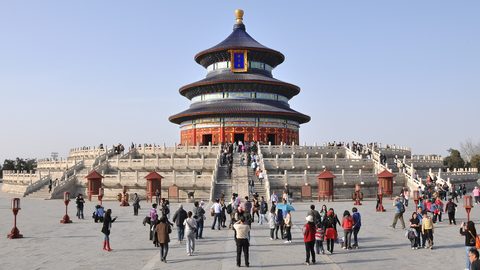 Temple of Heaven
The Temple of Heaven park matters as much as the temple. Morning tai chi, choirs, and card players make it a Beijing ritual worth a full morning.
Temple of Heaven
The Temple of Heaven park matters as much as the temple. Morning tai chi, choirs, and card players make it a Beijing ritual worth a full morning.
-
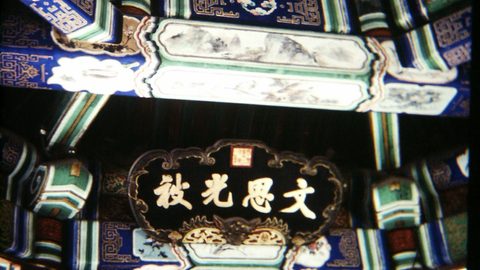 Summer Palace
The Summer Palace is vast and the wrong entrance adds an hour of walking. Use the East Palace Gate and plan for at least four hours.
Summer Palace
The Summer Palace is vast and the wrong entrance adds an hour of walking. Use the East Palace Gate and plan for at least four hours.