Twelve Hong Kong Markets, Four Worth Visiting
Twelve Hong Kong markets, what each actually sells, and the four worth your time. Skip the rest without guilt.

Twelve Hong Kong Markets, Four Worth Visiting
Most visitors land in Hong Kong with a list of markets, buy a copy of the same cheap dress at Ladies Market, and leave wondering what the fuss was about. The problem is not the city. It is the list. Hong Kong has over a dozen street markets that show up in guidebooks, but only four of them do anything the others cannot do better, and three of those are not the ones tourists usually visit. This guide tells you which stalls to walk straight past and which ones to build an afternoon around.
Hong Kong markets divide cleanly into two kinds. There are markets built for visitors, where you bargain for souvenirs among crowds that move at tourist pace. Then there are markets built for Hong Kong, where actual commerce happens in Cantonese, cash changes hands fast, and the product is something specific that someone in this city genuinely needs. The four markets worth your time all belong to the second group. Skip the rest. Hong Kong is exhausting enough without a lap through stalls selling phone cases and inflatable unicorn floats.
Temple Street Night Market: Worth it
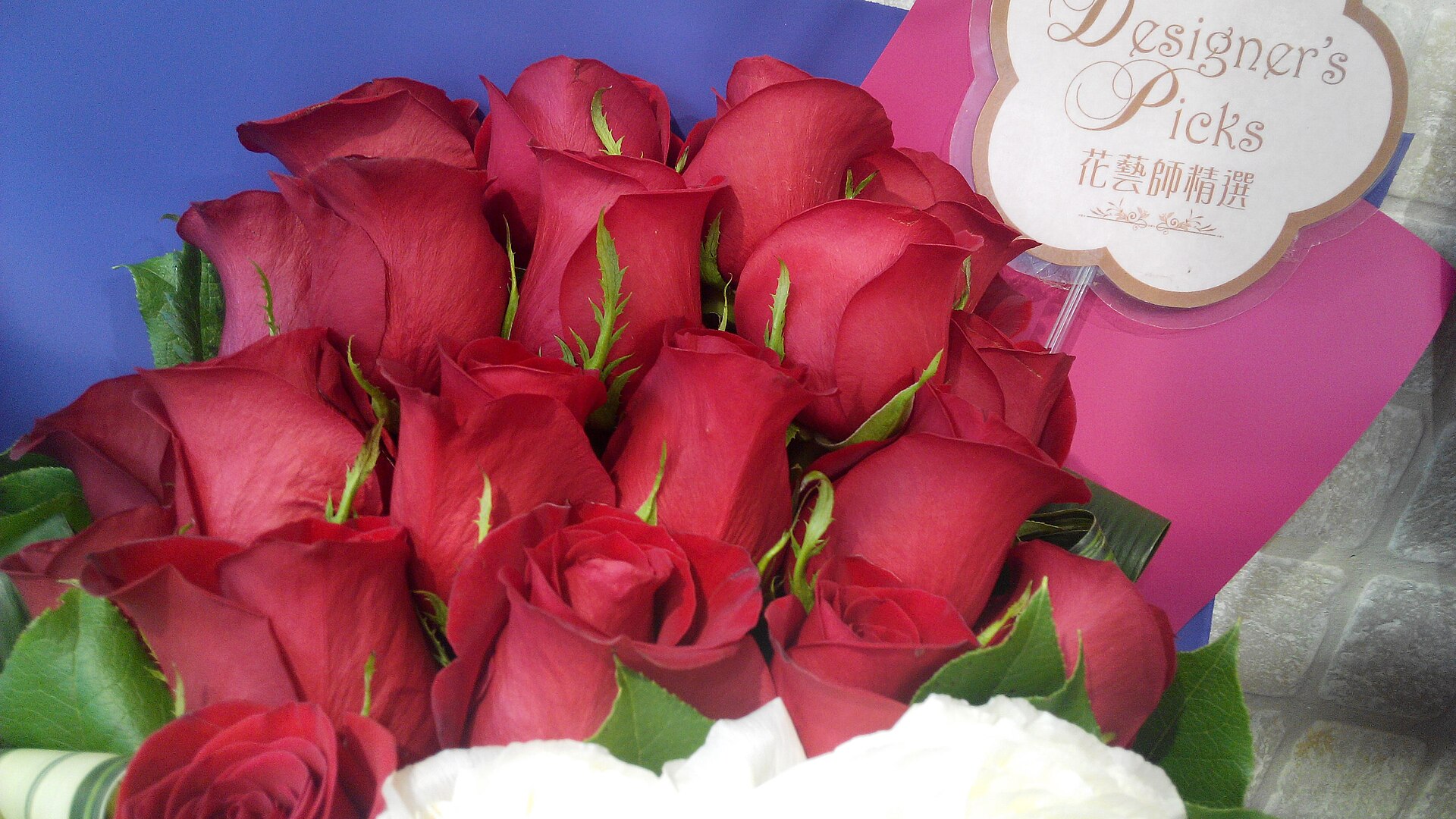
Temple Street night market is the one visitor market that earns its fame, but only if you go for the right reasons. The question most people type is temple street night market worth it, and the answer is yes, provided you arrive after 19:00 when the stalls are fully active, and provided you ignore half of what you see. The stalls closest to the MTR exit sell the same factory goods as every other market. Walk deeper. The real Temple Street is a working-class night bazaar where men in their sixties buy tools and second hand electronics, where fortune tellers read palms under red lamps, and where the cooked food section at the Jordan end serves claypot rice that has no business being that good at a market stall. Bargain starting at 50 to 70 percent of the asking price, and understand that the jade and antiques here are almost certainly not real. What is real is the atmosphere, the food, and the fact that Hong Kong families still come here on a Friday night.
Ladies Market Mong Kok What to Buy
Ladies Market on Tung Choi Street in Mong Kok is the most famous market in Hong Kong and the most overrated. If you type ladies market mong kok what to buy, the honest answer is nothing you need. It is a 300 metre stretch of stalls selling the same clothes and accessories you can find anywhere in Causeway Bay for similar prices after bargaining. The market runs 12:00 to 23:00 daily and hits peak crowds after 19:00 when it becomes nearly impossible to move. Bargaining applies here, and you should start at 50 percent of the asking price, but the quality of most goods is low enough that even a good deal is not a good purchase. Skip it unless you enjoy crowds for their own sake. If you want cheap clothes, spend your time in the shopping malls of Mong Kok instead, where the air conditioning works and the changing rooms have doors.
Ap Liu Street Flea Market Sham Shui Po
Electronics And Components
Ap Liu Street flea market in Sham Shui Po is one of the four that matters. It runs roughly 400 metres along Apliu Street and sells used electronics, components, cables, adapters, and the kind of obscure technical junk that makes electronics hobbyists weep with joy. This is not a market for buying a new phone. It is a market for buying a soldering iron, a box of resistors, or a cable that stopped being manufactured in 1998. The busiest hours are 15:00 to 20:00, and the right MTR exit is Sham Shui Po Exit A2 or C2. Bargaining applies, starting at 60 to 70 percent of the asking price on used items. New electronics are priced firmly.
Fabric Lanes Nearby
The surrounding streets in Sham Shui Po also hold the fabric lanes on Ki Lung Street and Yu Chau Street, where you can buy cotton for 10 to 100 HKD per yard and silk for 100 to 500 HKD per yard. The whole area is one of the few parts of Kowloon where you can still feel the old working class Hong Kong that the luxury towers have pushed out everywhere else.
Yau Ma Tei Fruit Market History
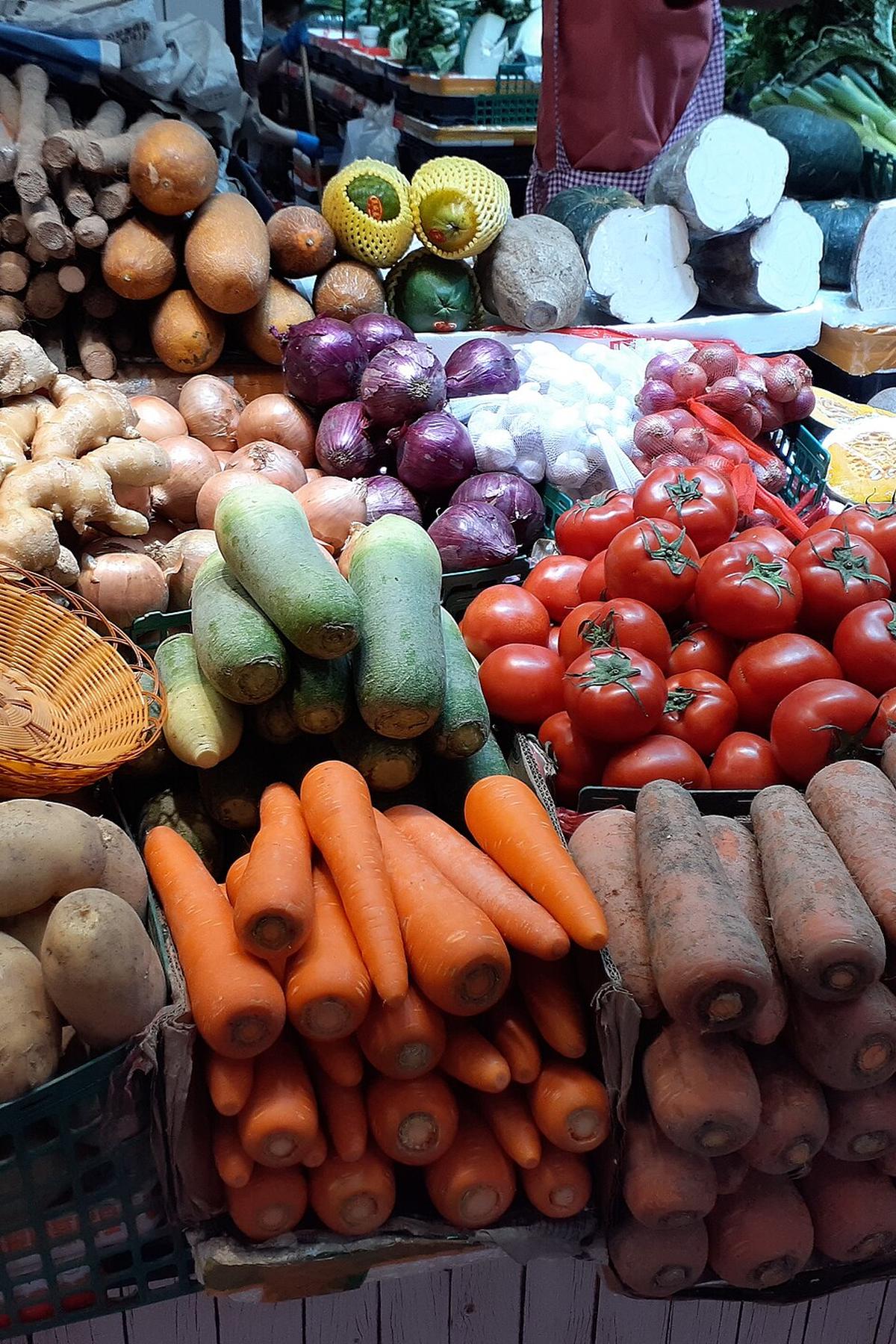
Yau Ma Tei fruit market is the third market worth your time, and it is the one most visitors miss entirely. The question yau ma tei fruit market history is the right one to ask, because this market matters for what it was and what it still is, not for what it sells to tourists. Located on Reclamation Street in Yau Ma Tei, this is a wholesale fruit market that has operated since the early 20th century. The stalls are open from the early morning hours, and the real action happens before 10:00 when wholesalers shift crates of dragon fruit, lychee, and durian off trucks and into the narrow shops. The architecture alone is worth the trip: a dense block of low rise buildings with green corrugated awnings, crammed between the elevated West Kowloon Corridor and the older tenement blocks of old Kowloon. You do not come here to buy fruit. You come here to see a piece of Hong Kong that has not been redesigned for tourism. The surrounding streets of Yau Ma Tei hold mahjong parlours and old style restaurants that serve the market workers, and the whole area is a better introduction to local Kowloon than anything in Tsim Sha Tsui.
Bowrington Road Wet Market: the Fourth Worth Your Time
The Wet Market Floors
The fourth market worth your time is not a street market at all. It is the Bowrington Road wet market and its cooked food centre in Wan Chai. Hong Kong has 96 public wet markets managed by the Food and Environmental Hygiene Department, and most of them are worth a look if you are already nearby, but Bowrington Road is the one to seek out deliberately. The wet market occupies the ground and first floors at 21 Bowrington Road, with produce, meat, and seafood stalls that peak between 07:00 and 10:00 and again between 16:00 and 19:00.
The Cooked Food Centre
The cooked food centre on the second floor is the real draw. Order from any stall, pay at the counter in cash, take a tray when your number is called, and return the tray after eating. Prices run 40 to 100 HKD per person for dishes that include typhoon shelter crab, claypot rice, and the kind of stir fried greens that remind you why Hong Kong food tastes different. The market below and the cooked food centre above form a single vertical experience that tells you more about how Hong Kong eats than any night market ever could. Cash is the norm here. Octopus card is accepted at some stalls but do not count on it.

The Other Eight Markets You Can Skip
Tourist Souvenir Stalls
Stanley Market sells tourist souvenirs and factory outlet clothing and is not worth the long bus ride from Central, especially given that many stalls close on Wednesdays. The Jade Market on Kansu Street in Jordan is a row of stalls selling carved stone that is mostly not jade, with prices from 50 to 5,000 HKD and certificates available for items over 500 HKD, but unless you know what you are looking at you will overpay. Cat Street antiques on Upper Lascar Row in Sheung Wan is a 150 metre lane of antiques and curios that is pleasant to walk through but overpriced, with many shops closed on Sundays.
Specialist Lanes And Small Diversions
The Flower Market on Flower Market Road in Mong Kok is genuinely lovely in the morning before noon, when the cut flowers arrive and the air smells of damp soil. It is worth a detour if you are already at Prince Edward MTR Exit B1. The Goldfish Market on Tung Choi Street North is a 300 metre stretch of aquarium shops that is visually dense and requires no purchase, and it makes a good 15 minute stop if you are in the area. The Bird Garden on Yuen Po Street peaked in atmosphere between 07:00 and 10:00 when the owners bring their birds out, but it is a small diversion, not a destination. The dried seafood street on Des Voeux Road West in Sheung Wan and the herbal medicine street on Ko Shing Street are specialist wholesale lanes that are fascinating if you know what you are looking at and impenetrable if you do not. The fabric lanes in Sham Shui Po are a genuine resource for anyone who sews, but they are trade lanes, not a market experience.
Chun Yeung Street: the Tram Market Bonus
One market deserves mention even though it barely qualifies as a destination. Chun Yeung Street in North Point is a 250 metre stretch of stalls selling local produce and daily goods, and a tram runs directly through it. The tram line crosses the market every 2 to 5 minutes during market hours, creating a scene that is uniquely Hong Kong: a double decker tram grinding through a narrow street of hanging meat and buckets of live fish, passengers looking down at the shoppers below. The market stalls are active from 07:00 to 19:00, and the right MTR exit is North Point Exit A1. This is not a market you travel across the city for. Visit it when you are already in North Point, or when you want a single photograph that sums up how Hong Kong fits its daily life into spaces that look too small for it.
How to Market Without Wasting Your Day
Hong Kong markets reward a strategy that most visitors ignore. Do not group them by geography. Group them by time of day. The wet market at Bowrington Road and the Yau Ma Tei fruit market are morning destinations, best visited between 07:00 and 10:00. Ap Liu Street peaks in the mid afternoon. Temple Street does not start until evening. Trying to visit all four in a single day will exhaust you and disappoint you. Pick two, plan an eating stop at a cooked food centre or a dai pai dong between them, and accept that Hong Kong markets are gritty, crowded, and wet. The humidity will make the fish smell stronger than you expect. The pavements will be blocked by boxes of produce. The noise will be constant. That is the point. A market that has been sanitised for tourists has already lost what made it worth visiting.
Who Hong Kong Markets Suit and Who They Do Not
Hong Kong markets suit the urban explorer who wants to see how the city actually works, the food traveller who will eat at a cooked food centre stool, and the photographer who understands that the best shots come from wet market floors and tram crossings, not from skyline decks. They do not suit anyone who wants a gentle shopping experience, anyone who dislikes crowds, or anyone who expects air conditioning inside a market. Hong Kong is dense, vertical, and efficient, and its markets are the most concentrated expression of that fact. If that sounds exhausting, skip the markets entirely. If it sounds like the reason you came, start at Bowrington Road at 08:00 and end at Temple Street at 21:00, and leave the other eight for someone else to review.
Read next
-
 Hong Kong eSIM and Data Plans Before You Land
Hong Kong has no internet firewall. A cheap eSIM or tourist SIM from the airport gives you fast data for Google Maps and WhatsApp from the moment you land.
Hong Kong eSIM and Data Plans Before You Land
Hong Kong has no internet firewall. A cheap eSIM or tourist SIM from the airport gives you fast data for Google Maps and WhatsApp from the moment you land.
-
 Hong Kong Hotels by Price Band and Property Type
Hong Kong hotel rooms are small, but the difference between a luxury harbour-view tower and a Mong Kok budget room is enormous.
Hong Kong Hotels by Price Band and Property Type
Hong Kong hotel rooms are small, but the difference between a luxury harbour-view tower and a Mong Kok budget room is enormous.
-
 Where to Stay in Hong Kong Island or Kowloon for a First Visit
Hong Kong Island puts you in the financial and dining core, while Kowloon gives you harbour views and street life. The street you pick matters more than the district.
Where to Stay in Hong Kong Island or Kowloon for a First Visit
Hong Kong Island puts you in the financial and dining core, while Kowloon gives you harbour views and street life. The street you pick matters more than the district.
-
 How to Find Cheap Flights to Hong Kong International Airport
Hong Kong has one airport, a lot of airline competition, and a fast train into the city. The routing tricks are in the booking, not the arrival.
How to Find Cheap Flights to Hong Kong International Airport
Hong Kong has one airport, a lot of airline competition, and a fast train into the city. The routing tricks are in the booking, not the arrival.
-
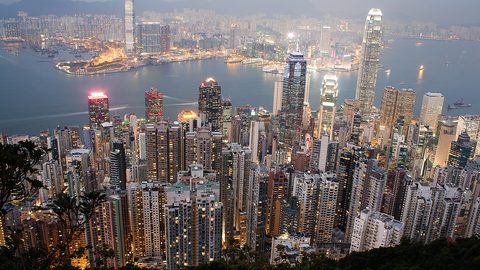 Things to Do in Hong Kong Ranked by What Is Worth Your Time
Victoria Peak, the Star Ferry, and a serious hike earn their fame. Some other Hong Kong sights do not.
Things to Do in Hong Kong Ranked by What Is Worth Your Time
Victoria Peak, the Star Ferry, and a serious hike earn their fame. Some other Hong Kong sights do not.
-
 Best Time to Visit Hong Kong for Clear Skies and Low Humidity
October to December offers the best balance of clear skies and low humidity, but every other season trades weather for lower prices or festivals.
Best Time to Visit Hong Kong for Clear Skies and Low Humidity
October to December offers the best balance of clear skies and low humidity, but every other season trades weather for lower prices or festivals.
-
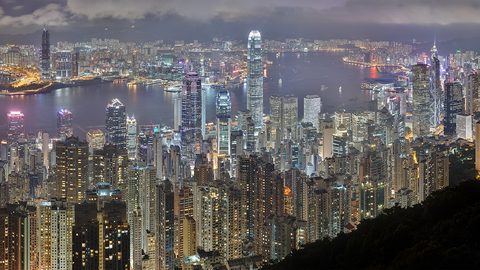 Victoria Peak
The view from Victoria Peak is the point; the tram queue is the problem, and there are four other ways up.
Victoria Peak
The view from Victoria Peak is the point; the tram queue is the problem, and there are four other ways up.
-
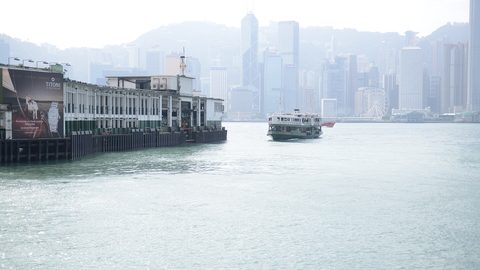 Star Ferry
The Star Ferry costs HK$5, takes 10 minutes, and the upper deck heading from Tsim Sha Tsui to Central gives the best skyline view.
Star Ferry
The Star Ferry costs HK$5, takes 10 minutes, and the upper deck heading from Tsim Sha Tsui to Central gives the best skyline view.
-
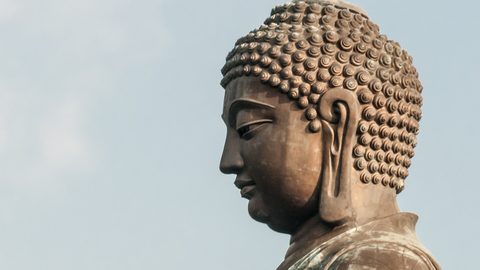 Big Buddha and Ngong Ping
The Big Buddha is 268 steps up, the cable car takes 25 minutes, and the village at the top is mostly a shopping mall.
Big Buddha and Ngong Ping
The Big Buddha is 268 steps up, the cable car takes 25 minutes, and the village at the top is mostly a shopping mall.