What to Order, When to Go, and How the Tea and Bill Work
What to order at dim sum in Hong Kong, when to go, and how the tea, the trolleys and the bill actually work.

How to Order Dim Sum in Hong Kong Without Looking Lost
Most visitors order dim sum at dinner. That is the single biggest mistake you can make in Hong Kong. The meal called yum cha literally means drink tea, and it happens in the morning and early afternoon only. Dim sum originated as roadside teahouse food for travellers and later became a post exercise and morning market meal. It never crossed over to dinner. Walk into a dim sum house at 7pm and you will find cold trolleys, a shortened menu, or a closed kitchen. This hong kong dim sum ordering guide walks you through the full sequence from the tea you are poured at the start to the stamp card and the bill at the end.
The Seating Ritual, Shared Tables and the Tea Tap
Shared Tables And The Rinse Bowl
Walk into any traditional dim sum restaurant in Hong Kong and a host or server will point you toward a table. If you arrive in a party of fewer than four, expect to share a round table with strangers. This is normal. The table has a lazy Susan in the centre and a pot of hot water for rinsing your own cups and chopsticks. Pour the rinse water into the metal tub provided, then set your bowl and cup on the table.
The Tea Tap And The Bill
The tea arrives next. A server will ask which tea you want, or you choose from the list on the table. The standard varieties offered are pu'er, jasmine, oolong, tieguanyin and chrysanthemum. Pu'er is the dark earthy choice that cuts through the oil of fried dim sum. Chrysanthemum is lighter and pairs well with har gow and siu mai. When someone pours tea for you, tap your index and middle fingers on the table twice. That is the tea tap gesture and it means thank you. No need to bow or say anything.
Dim sum tea etiquette in Hong Kong extends to the bill. Every person at the table pays a tea charge, usually between HKD 5 and 20, labelled as tea or 茶位 on the receipt. Even if you drink only water, the charge stays.
Trolley Service Versus the Order Sheet: How Dim Sum Trolley Hong Kong Works
The Trolley Houses
Two ordering systems exist in Hong Kong dim sum houses. The older one is the dim sum trolley. Servers push metal carts stacked with bamboo steamers between tables. You flag down a cart, lift the lid to see what is inside, and point at what you want. The server lifts the steamer onto your table and stamps a card that stays with you. Fewer than ten restaurants in Hong Kong still run trolley service as of 2026. The real figure changes every year and the Hong Kong Tourism Board and Michelin Guide track it. The best known survivors are Lin Heung Tea House on Wellington Street in Central, Luk Yu Tea House on Stanley Street, and Lin Heung Kui on Des Voeux Road. These are worth a visit for the experience alone. The trolleys are chaotic, the queues are long, and the service can be brusque. That is the point.
The Order Sheet System
The majority of Hong Kong dim sum restaurants now use the order sheet system. The server hands you an A4 or A5 card listing dishes by category. Each dish has a box next to it. You write the quantity you want in the box and hand the card to a server. The kitchen sends the dishes out as they are ready. This system is faster, quieter, and more reliable for a first timer who does not want to chase a trolley across a crowded room. Tim Ho Wan in Sham Shui Po, a one star Michelin house, uses order sheets. So does One Dim Sum in Prince Edward. Both are mid range at HKD 80 to 200 per person.
Do not confuse Lin Heung Tea House with Lin Heung Kui. The Tea House is the original on Wellington Street with trolleys and a worn in feel. Lin Heung Kui on Des Voeux Road is a newer branch that may or may not run trolleys depending on the day. Call ahead or ask a local.
What Har Gow Siu Mai Order Looks Like, in Sequence
Steam, Then Fry, Then Offal
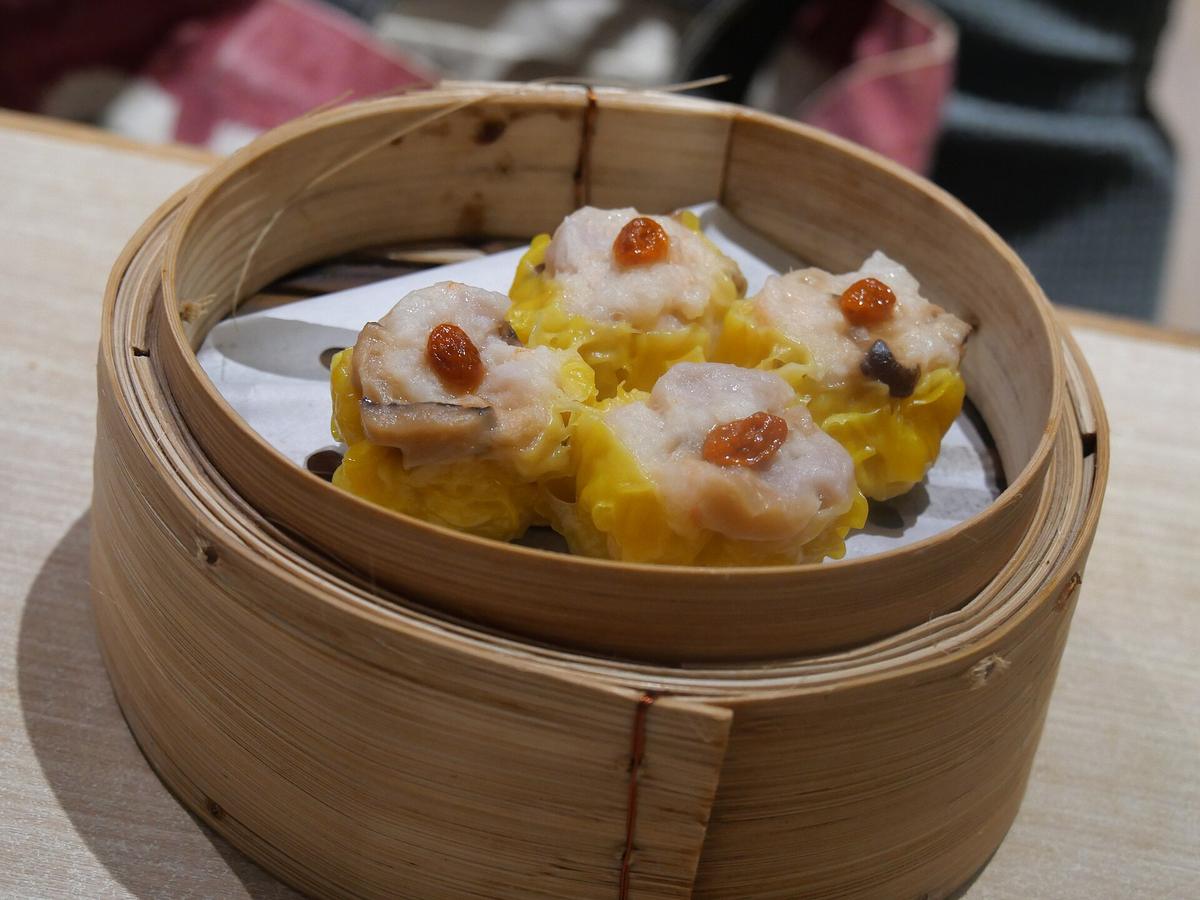
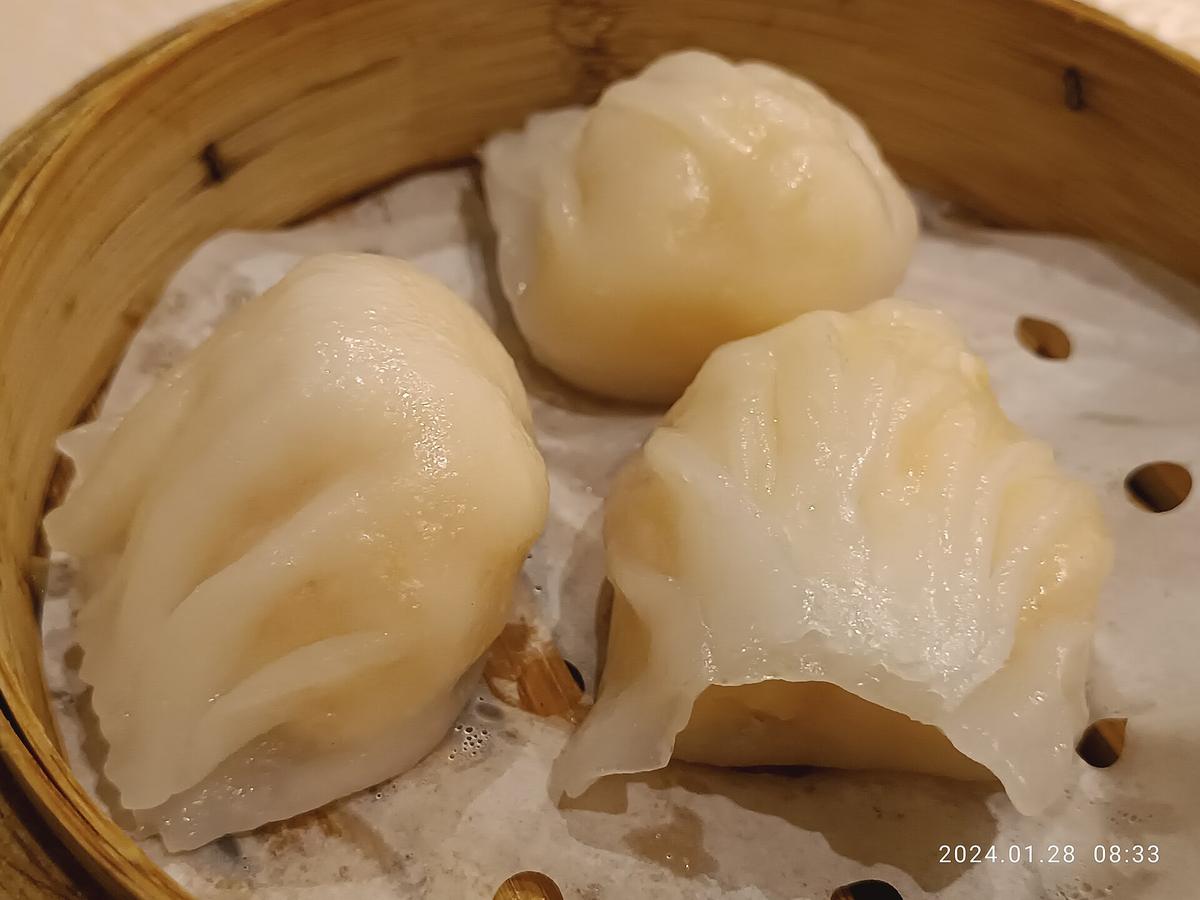
You do not order everything at once. Dim sum comes out in waves. Start with the steamed standards. Har gow is the translucent shrimp dumpling with a wheat starch wrapper that wrinkles at the crimp. Siu mai is the open topped pork and shrimp dumpling with a dot of orange roe on top. Order both. They are the benchmarks of any dim sum kitchen. If a restaurant cannot make these well, leave.
Next come cheung fun, the steamed rice noodle rolls. Order them with shrimp, beef or char siu. The server pours a dark sweet soy sauce over them at the table. Then add one or two fried dishes. The taro dumpling, wu gok, is a deep fried mashed taro casing around a pork filling with a lacy crust. Ham sui gok is a deep fried glutinous rice dumpling with a savoury pork centre. Spring rolls are the safer option, filled with pork, shrimp and vegetables.
After frying, go to the offal section if you eat it. Braised beef tripe with ginger and spring onion is mild and tender. Steamed chicken feet with black bean sauce, labelled phoenix claws on some English menus, is gelatinous and salty. Steamed pork spare ribs with black bean sauce is more approachable. If you skip offal, order a vegetable dish. Gai lan with oyster sauce or blanched choy sum cuts the grease.
Finish Sweet
Finish with a sweet dish. Egg tarts, dan tat, come in shortcrust or puff pastry. Mango pudding is often served with evaporated milk. The steamed brown sugar sponge called Malay cake, ma lai go, is light and not too sweet. Sesame balls, jin deui, are deep fried glutinous rice filled with red bean paste. Order one or two of these.
Sharing Norms and Chopstick Rules
Dim sum is communal. Every dish goes in the centre of the table and everyone takes what they want. Use the serving chopsticks provided. If none are available, reverse your own chopsticks and use the blunt ends to pick food from the shared dish. Never stand chopsticks upright in a bowl of rice. That gesture belongs at funerals. Rest them on the chopstick holder or across the edge of your bowl.
When you want more tea or need a server, raise your hand slightly and say mm goi. That phrase works as both excuse me and thank you. Do not shout. Do not wave wildly. The room is loud but the servers are watching.
How the Stamp Card and Bill Work
Every dish you order gets stamped on a card that stays at your table. In trolley service houses, the server stamps the card when she lifts the steamer onto your table. In order sheet houses, the server stamps it as the dishes arrive from the kitchen. At the end of the meal, you take the stamped card to the cashier near the entrance. The cashier counts the stamps, adds the tea charge per person, and gives you the total. Pay at the counter. Tipping is not expected. Some restaurants leave a change tray; you can drop a few coins if you want but nobody will chase you for it.
Neighbourhood houses like Sun Hing Restaurant in Kennedy Town run HKD 30 to 80 per person. Mid range houses run HKD 80 to 200. Starred and hotel houses like Lung King Heen at the Four Seasons, the first Chinese restaurant to hold three Michelin stars, run HKD 250 to 600 plus per person. The stamp card system is the same across all of them.
When to Arrive and What to Expect for Queues
On weekdays, arrive between 10:30 and 11:00, before the office lunch rush. You will walk in without a wait. On weekends, arrive before 10:00 or after 14:00. The Sunday family rush runs from 11:00 to 13:30, and queues at popular houses run 30 to 90 minutes. Lin Heung Tea House on a Sunday at noon is a crush of families, trolleys and shouted orders. It is an experience but not a relaxing one. Go on a Tuesday morning instead.

Lin Heung Tea House Dim Sum: is it Worth a Visit?
Lin Heung Tea House on Wellington Street is the most famous trolley house in Hong Kong. The dining room is two floors of worn tiles, ceiling fans and old men reading newspapers. The trolleys carry har gow, siu mai, chicken feet, beef tripe, rice rolls and egg tarts. The service is fast and indifferent. The queue is real. The tea is strong.
Should you go? If you want the last surviving example of how dim sum worked for most of the 20th century, yes. If you want a calm meal with predictable service and an English menu, go to Tim Ho Wan or One Dim Sum instead. Lin Heung is not for everyone and that is fine. The restaurant is best for travellers who treat eating as a cultural dispatch rather than a comfort break.
| House | District | Style | Price Per Person |
|---|---|---|---|
| Sun Hing Restaurant | Kennedy Town | Neighbourhood, order sheet | HKD 30 80 |
| Lin Heung Tea House | Central | Trolley service, historic | HKD 40 80 |
| Lin Heung Kui | Sheung Wan | Trolley or order sheet | HKD 40 80 |
| Luk Yu Tea House | Central | Trolley service, refined | HKD 80 150 |
| Tim Ho Wan | Sham Shui Po | One Michelin star, order sheet | HKD 80 150 |
| One Dim Sum | Prince Edward | Mid range, order sheet | HKD 80 150 |
| Lung King Heen | Central | Three Michelin stars, hotel | HKD 250 600 |
| Man Wah | Central | Michelin starred, Mandarin Oriental | HKD 250 600 |
Who Dim Sum in Hong Kong Suits and Who Should Skip it
Yum cha is for food focused travellers who will eat at dai pai dongs and hole in the wall noodle shops. It suits solo travellers who value safety and easy navigation because the system is logical once you know the rules. It works for urban explorers who treat a chaotic dining room as part of the city's texture. It does not suit anyone on a tight budget who wants cheap street food and hostels, because the tea charge and per dish cost add up faster than a bowl of wonton noodles. It does not suit people who dislike crowds, queues or small shared tables. And it does not suit anyone seeking a relaxed slow paced meal. Dim sum in Hong Kong is efficient, noisy and fast. The food is worth the friction.
Read next
-
 Hong Kong eSIM and Data Plans Before You Land
Hong Kong has no internet firewall. A cheap eSIM or tourist SIM from the airport gives you fast data for Google Maps and WhatsApp from the moment you land.
Hong Kong eSIM and Data Plans Before You Land
Hong Kong has no internet firewall. A cheap eSIM or tourist SIM from the airport gives you fast data for Google Maps and WhatsApp from the moment you land.
-
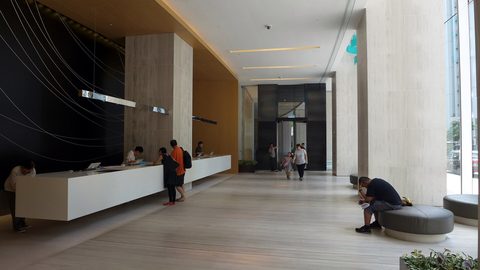 Hong Kong Hotels by Price Band and Property Type
Hong Kong hotel rooms are small, but the difference between a luxury harbour-view tower and a Mong Kok budget room is enormous.
Hong Kong Hotels by Price Band and Property Type
Hong Kong hotel rooms are small, but the difference between a luxury harbour-view tower and a Mong Kok budget room is enormous.
-
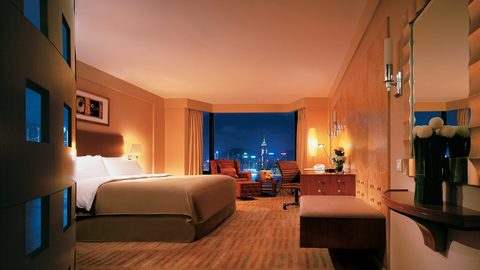 Where to Stay in Hong Kong Island or Kowloon for a First Visit
Hong Kong Island puts you in the financial and dining core, while Kowloon gives you harbour views and street life. The street you pick matters more than the district.
Where to Stay in Hong Kong Island or Kowloon for a First Visit
Hong Kong Island puts you in the financial and dining core, while Kowloon gives you harbour views and street life. The street you pick matters more than the district.
-
 How to Find Cheap Flights to Hong Kong International Airport
Hong Kong has one airport, a lot of airline competition, and a fast train into the city. The routing tricks are in the booking, not the arrival.
How to Find Cheap Flights to Hong Kong International Airport
Hong Kong has one airport, a lot of airline competition, and a fast train into the city. The routing tricks are in the booking, not the arrival.
-
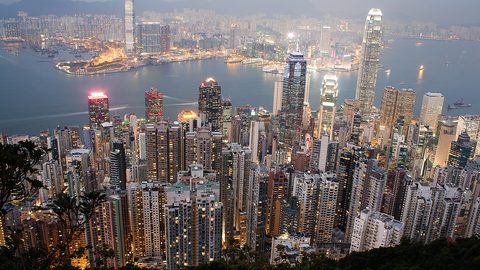 Things to Do in Hong Kong Ranked by What Is Worth Your Time
Victoria Peak, the Star Ferry, and a serious hike earn their fame. Some other Hong Kong sights do not.
Things to Do in Hong Kong Ranked by What Is Worth Your Time
Victoria Peak, the Star Ferry, and a serious hike earn their fame. Some other Hong Kong sights do not.
-
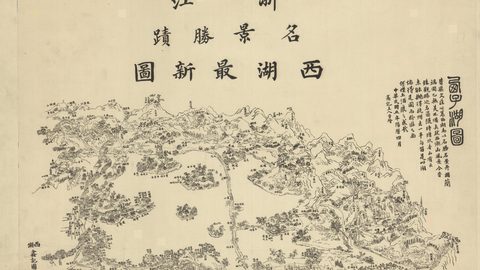 Best Time to Visit Hong Kong for Clear Skies and Low Humidity
October to December offers the best balance of clear skies and low humidity, but every other season trades weather for lower prices or festivals.
Best Time to Visit Hong Kong for Clear Skies and Low Humidity
October to December offers the best balance of clear skies and low humidity, but every other season trades weather for lower prices or festivals.
-
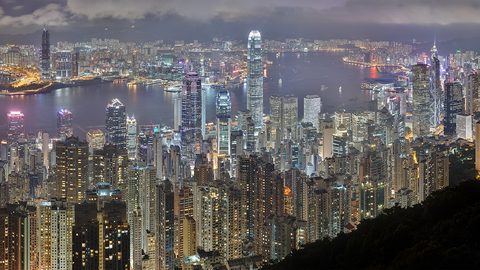 Victoria Peak
The view from Victoria Peak is the point; the tram queue is the problem, and there are four other ways up.
Victoria Peak
The view from Victoria Peak is the point; the tram queue is the problem, and there are four other ways up.
-
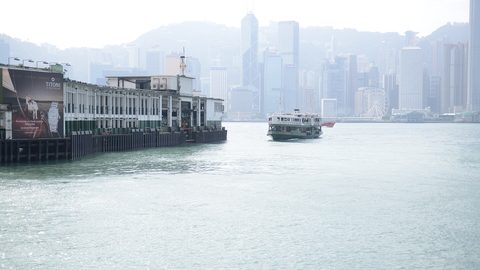 Star Ferry
The Star Ferry costs HK$5, takes 10 minutes, and the upper deck heading from Tsim Sha Tsui to Central gives the best skyline view.
Star Ferry
The Star Ferry costs HK$5, takes 10 minutes, and the upper deck heading from Tsim Sha Tsui to Central gives the best skyline view.
-
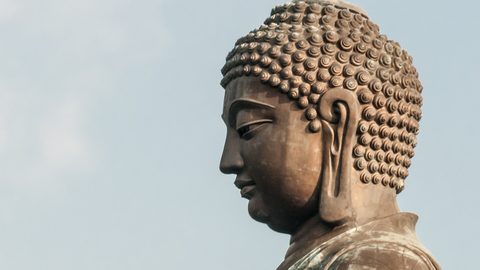 Big Buddha and Ngong Ping
The Big Buddha is 268 steps up, the cable car takes 25 minutes, and the village at the top is mostly a shopping mall.
Big Buddha and Ngong Ping
The Big Buddha is 268 steps up, the cable car takes 25 minutes, and the village at the top is mostly a shopping mall.