Shimokitazawa A Tokyo Neighbourhood Built for Wandering Not Passing Through
Shimokitazawa is Tokyo's maze of vintage shops, live music venues, and curry houses with no through traffic. Here is how to wander it without a fixed route.
- Flag
-

- ISO code
- JP
No Through Roads, No Plan Required
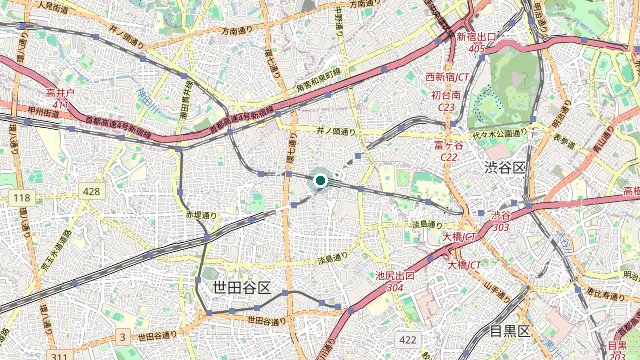
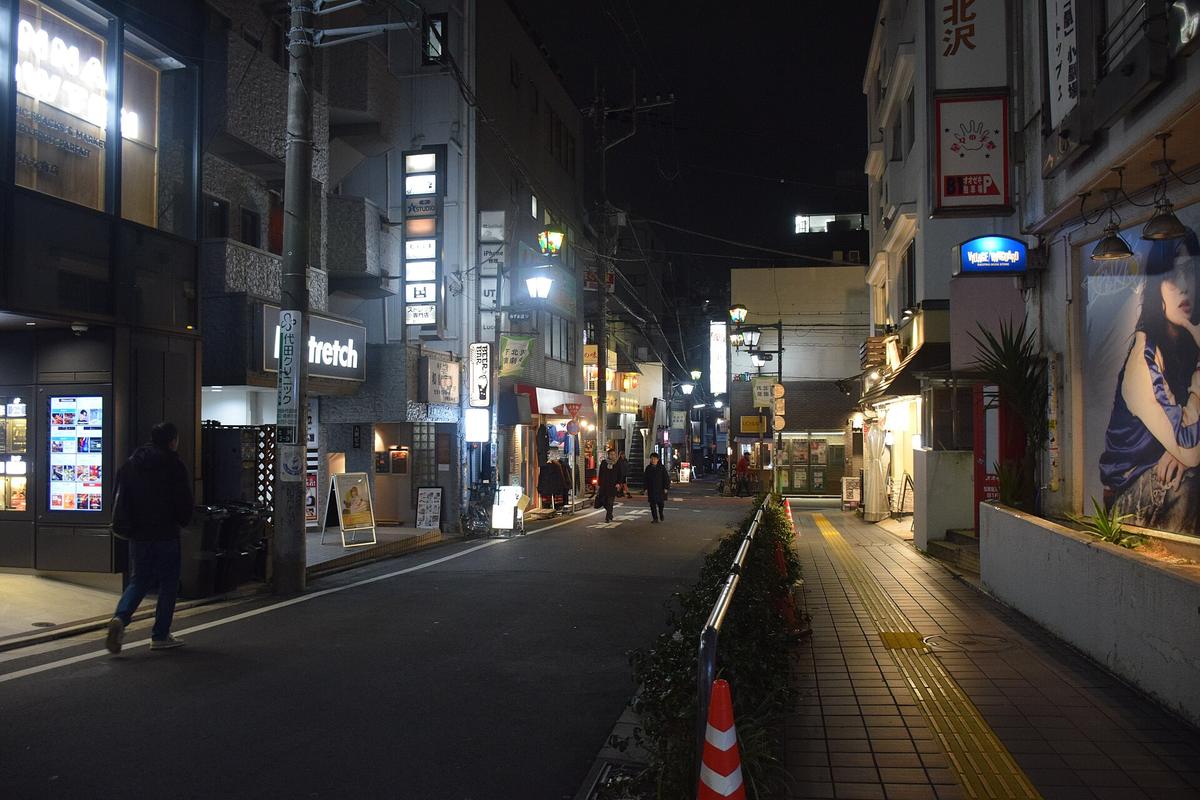
Most first time visitors assume Shimokitazawa is just another Tokyo shopping district, a smaller version of Harajuku with more denim. That is wrong. Shimokitazawa works because it cannot be crossed. The Odakyu and Keio Inokashira lines terminate here in Setagaya Ward, and the streets around the station were never widened for cars. What remains is a 2 to 5 metre wide maze of alleyways where delivery trucks negotiate blind corners at walking pace and pedestrians own the space. The 2019 station redevelopment added a glassy new entrance but the old grid of Ichibangai, Suzuran dori and Chazawa dori stayed exactly as narrow as before. You do not navigate Shimokitazawa with a route. You navigate it by letting a shop facade or the smell of curry powder pull you sideways.
Vintage Racks and Curry Steam Before 11:00 AM
Claim The Empty Morning Streets
Arrive at Shimokitazawa Station between 10:00 and 10:30. Most vintage shops do not open until 11:00 or 12:00, so the first hour belongs to coffee and to seeing the streets empty. Take the Odakyu Line from Shinjuku, seven minutes on the express. Exit through the north gate to hit Chazawa dori first. This street is the spine of the neighbourhood. On weekends and holidays it becomes pedestrian only. On weekday mornings a single van delivering produce can block the lane, and nobody honks.
Shop The Second Floor Spaces
The 200 plus second hand and vintage clothing shops cluster around Suzuran dori and the backstreets behind Ichibangai. Haunt and Chicago are the most famous, but the real finds are in the unmarked second floor spaces above a takoyaki stand or a barber shop. If you need a fixed starting point, aim for Suzuran dori at 11:00. Shops on this street open reliably by then and the racks are freshly stocked. Prices sit below Harajuku equivalents for comparable quality. Leather jackets, deadstock band tees, Japanese workwear brands from the 1990s. Try things on. The fitting rooms rarely have mirrors. You step out into the corridor where a clerk gives you a look and a thumbs up or a shrug.
Eat Curry At A Three-Stool Counter
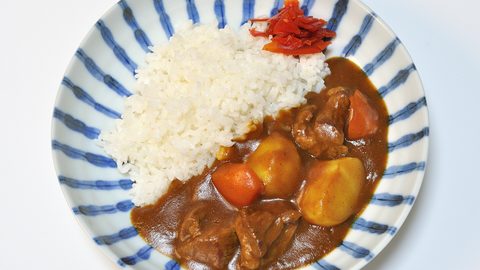
By 12:30 you will want lunch. Shimokitazawa has an absurd density of small curry shops. Forget the famous chains. Look for a counter with three stools and a handwritten menu taped to the window. These shops serve a single style: a deep, dark roux built over two days, poured over rice with a soft boiled egg and a piece of fried chicken. The spice hits clean, not heavy. Expect to pay around 1,200 yen. Eat quickly. The queue forms by 13:00.
.jpg)
Live Houses and Basement Stages After 18:00
Find The Hidden Doorways
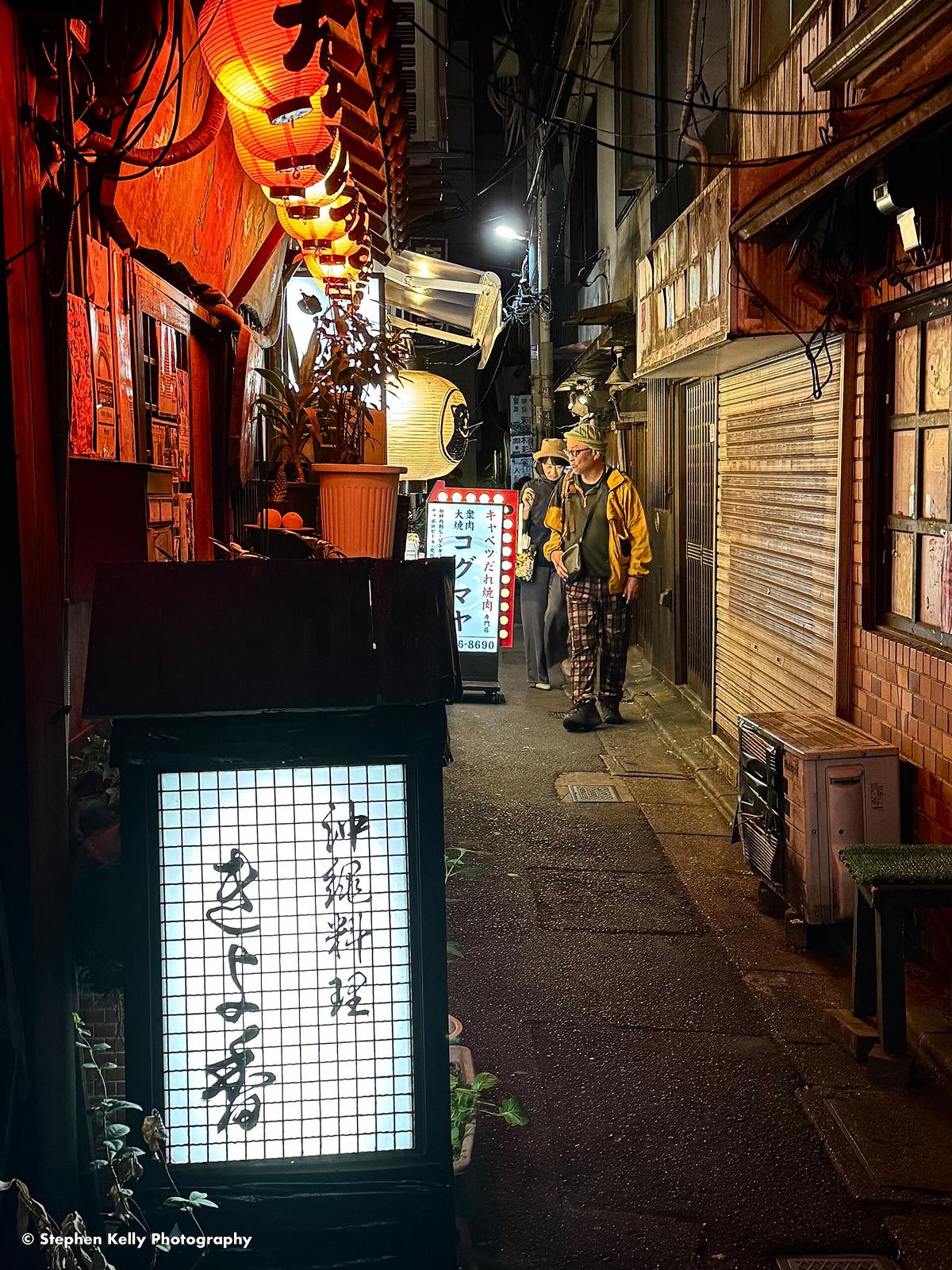
Shimokitazawa contains over 30 live music venues and at least 10 small theatres. This is not a statistic you can verify on the ground by counting doorways, because most venues are underground or tucked behind a noodle shop. SHELTER and CLUB Que have been running since the 1980s. Shimokitazawa GARDEN opened after the redevelopment. BASEMENT BAR and THREE hold maybe 80 people each. The point is not the capacity. The point is that you can walk past SHELTER three times without noticing it, then descend a concrete stairwell at 19:00 and hear a band that will never play a venue larger than this. Check the posted schedules on the doors. Same day tickets are common for early shows. Doors open at 18:00 or 18:30. Sets run 40 minutes. You leave, walk three blocks, find another basement door.
Pay Cash At The Theatre Door
Honda Gekijo and Suzunari host theatre performances that mix physical comedy and contemporary Japanese script work. Ekimae Gekijo sits literally in front of the station, its entrance disguised as a real estate office. None of these venues sell advance tickets from a central box office. Walk up, pay cash at the door, sit where you fit. The experience is loose, local, and closed to anyone with a rigid schedule.
What This Neighbourhood Can’t Do for You
Shimokitazawa is bad at landmarks. There is no observation deck, no temple you must see, no shopping street wider than five metres. If you need a checklist of sights photographed and checked off, stay on the train to Shibuya. The neighbourhood also closes early. Most vintage shops shut at 20:00 or 21:00. Cafes open from 08:00 but empty out by 22:00. The live houses run late, but the retail core is done by dinner. And the lack of through roads means delivery trucks and residents' cars still squeeze through the alleys in the early morning. It is not a car free zone, just a pedestrian dominated one. Weekend pedestrian closures on Chazawa dori and Suzuran dori help, but they only operate on weekends and holidays.
.jpg)
Common Questions
How do I get to Shimokitazawa from central Tokyo?
Take the Odakyu Odawara Line from Shinjuku. The express takes seven minutes. You can also use the Keio Inokashira Line from Shibuya, also under ten minutes.
What time do the vintage shops open?
Most open between 11:00 and 12:00. A few cafes and food counters open at 08:00, but the clothing racks are not accessible until late morning.
How long should I spend in Shimokitazawa?
Half a day, three to five hours, covers shopping and lunch. A full day of six to eight hours lets you add an evening show at a live house or theatre.
Are the streets really car free?
No. Most central streets are one way and narrow, allowing only local deliveries. Chazawa dori and Suzuran dori become pedestrian only on weekends and holidays.
Can I find English friendly shops and menus?
Less than in Shibuya or Shinjuku. Many vintage shops and tiny curry counters operate on cash and minimal English. Pointing works. Bring cash.
What is the best live music venue for a first timer?
Shimokitazawa GARDEN has the clearest entrance and a visible schedule posted outside. SHELTER is legendary but harder to spot. Walk to both and decide based on the night's lineup.
Is Shimokitazawa good for family travel?
It works for older kids who enjoy browsing. The narrow streets are not stroller friendly, and the venues do not have family seating. Solo explorers and couples get more from it.
Read next
-
 Eating and Drinking in Shimokitazawa Curry Coffee and Live Houses After Dark
Shimokitazawa runs on soup curry, serious coffee, and live music in basements. Here is where to eat, drink, and catch a show in Tokyo's youth-culture heartland.
Eating and Drinking in Shimokitazawa Curry Coffee and Live Houses After Dark
Shimokitazawa runs on soup curry, serious coffee, and live music in basements. Here is where to eat, drink, and catch a show in Tokyo's youth-culture heartland.
-
 Shopping in Shimokitazawa Vintage Records and the Real Price of Thrift
Shimokitazawa is Tokyo's vintage capital, but fame has changed the pricing. Here is where to find the real deals on clothes and records in the warren of backstreets.
Shopping in Shimokitazawa Vintage Records and the Real Price of Thrift
Shimokitazawa is Tokyo's vintage capital, but fame has changed the pricing. Here is where to find the real deals on clothes and records in the warren of backstreets.
-
 Japan Travel Guide for First-Timers Who Like Order but Not Crowds
Japan delivers deep tradition and futuristic efficiency, but the language barrier and density of rules can exhaust first-timers. Here is what to actually expect.
Japan Travel Guide for First-Timers Who Like Order but Not Crowds
Japan delivers deep tradition and futuristic efficiency, but the language barrier and density of rules can exhaust first-timers. Here is what to actually expect.
-
 Japan eSIM vs Pocket WiFi vs Physical SIM for Staying Connected
Free public WiFi across Japan is unreliable and slow. Compare eSIM plans from Ubigi and Airalo against renting a pocket WiFi device at Narita or Haneda.
Japan eSIM vs Pocket WiFi vs Physical SIM for Staying Connected
Free public WiFi across Japan is unreliable and slow. Compare eSIM plans from Ubigi and Airalo against renting a pocket WiFi device at Narita or Haneda.
-
 Japan Visa-Free Entry and the Visit Japan Web Digital Form
Visa-free entry covers many nationalities, but the Visit Japan Web digital form and QR codes determine how quickly you clear immigration at Narita or Haneda.
Japan Visa-Free Entry and the Visit Japan Web Digital Form
Visa-free entry covers many nationalities, but the Visit Japan Web digital form and QR codes determine how quickly you clear immigration at Narita or Haneda.
-
 Cash and IC Cards Are the Real Payment System in Japan
Japan projects a high-tech image but many small restaurants, temples, and rural buses demand cash. IC cards like Suica and Icoca bridge the gap for daily spending.
Cash and IC Cards Are the Real Payment System in Japan
Japan projects a high-tech image but many small restaurants, temples, and rural buses demand cash. IC cards like Suica and Icoca bridge the gap for daily spending.
-
 What Japan, China, and Singapore Actually Cost Independent Travelers
Real per-day costs for Japan, China, and Singapore broken down by accommodation tier, food strategy, transit, and connectivity for independent travelers.
What Japan, China, and Singapore Actually Cost Independent Travelers
Real per-day costs for Japan, China, and Singapore broken down by accommodation tier, food strategy, transit, and connectivity for independent travelers.
-
 What Most Travelers Get Wrong When Booking Flights to East Asia
Most travelers book East Asia flights on price alone. Here's what they miss about route gaps, fleet age, and aircraft type on 10-14 hour hauls.
What Most Travelers Get Wrong When Booking Flights to East Asia
Most travelers book East Asia flights on price alone. Here's what they miss about route gaps, fleet age, and aircraft type on 10-14 hour hauls.
-
 The Honest Cost of Mobile Data in Japan, China, and Singapore
Real price data for SIMs, pocket WiFi, and eSIMs in Japan, China, and Singapore. Plus the friction points most travel guides quietly skip.
The Honest Cost of Mobile Data in Japan, China, and Singapore
Real price data for SIMs, pocket WiFi, and eSIMs in Japan, China, and Singapore. Plus the friction points most travel guides quietly skip.