Shimokitazawa Food and Drink From Soup Curry to Basement Music Bars
Shimokitazawa runs on soup curry, serious coffee, and live music in basements. Here is where to eat, drink, and catch a show in Tokyo's youth-culture heartland.
Eat Curry Then Stay for Music in Shimokitazawa
At 19:00 on a Tuesday night the door to Shelter opens and you walk down a narrow staircase into a basement that holds 250 people. You pay ¥2,000 to ¥4,000 at a small table for the live act, plus a mandatory ¥500 to ¥600 drink charge that gets you one ticket for a beer or a highball. You have already eaten.
That is the correct order for Shimokitazawa. The neighborhood's food identity is built for this schedule: affordable, filling, and served in spaces that require nothing from you except a seat and an appetite. Eat early. Drink through a set or two. Catch the last train to Shinjuku at 00:35 or to Shibuya at 00:42. If you miss those Odakyu or Keio Inokashira trains a taxi to Shibuya costs ¥2,500 to ¥3,500 and a taxi to Shinjuku costs ¥3,500 to ¥5,000. Budget for that if your plans run late.
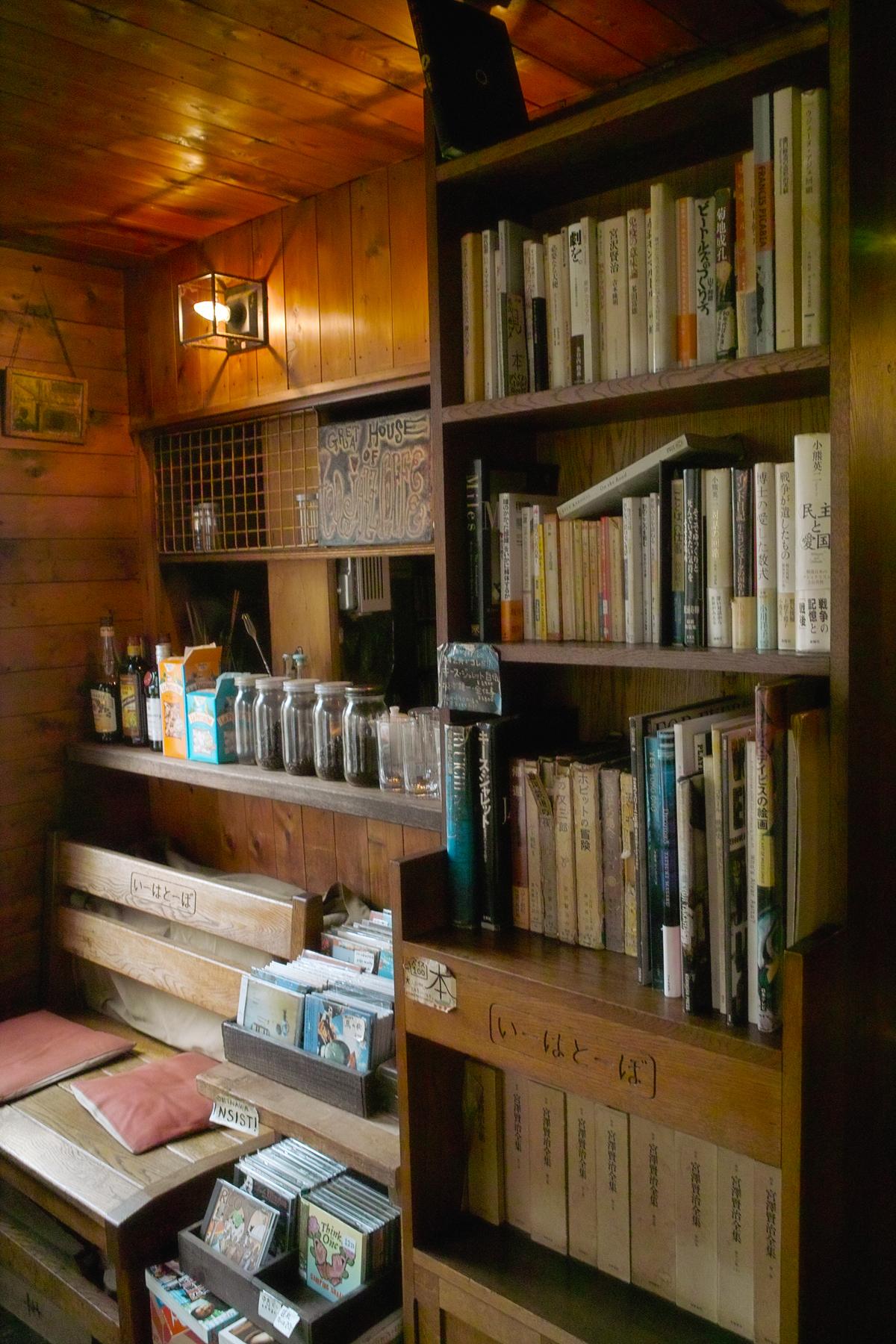
Shimokitazawa Curry Festival and the Year Round Curry Shops You Eat at
The October Curry Festival
Shimokitazawa runs an annual Curry Festival every October, organized by the Shimokitazawa Shopping Street Promotion Association. The event lasts two to three weeks. Buy a stamp rally passport for ¥700 to ¥900 at any participating shop. That passport entitles you to small curry portions at each of the 100 to 150 stops. You do not need the festival to eat well here. Curry plates at standalone shops run ¥900 to ¥1,500.
Five Curry Shops to Prioritise
Ten To Sen makes curry udon, a thick broth over chewy noodles that costs ¥900 to ¥1,200 per bowl. Gara Kitchen serves South Indian curry with rice and pickles for ¥1,000 to ¥1,400. Curry & Spice Bar Ajito does Japanese style curry, the dark roux version ladled over rice, priced ¥900 to ¥1,300. Little Shop specializes in soup curry, the Hokkaido style with a thin broth and large vegetables, for ¥1,100 to ¥1,500. Shimokitazawa Curry & Bar offers keema curry paired with craft beer for ¥900 to ¥1,400.
The failure case: if every seat inside Ajito is full at 13:00, walk to Little Shop. It turns tables faster because most customers order soup curry and leave within 35 minutes.
Specialty Coffee Before the Sun Sets
Shimokitazawa's coffee roasters operate on a different schedule than the music bars. Visit them between 10:00 and 16:00. The shops are small and the line stretches onto the sidewalk at peak hours.
Bear Pond Espresso Has One Rule
Bear Pond Espresso serves only espresso based drinks. No milk substitutions. No photos inside. The signature drink is the "Dirty", espresso poured over chilled milk, for ¥500 to ¥700. If the queue runs six people deep, skip it and walk 8 minutes to Onibus Coffee. Onibus does pour over and espresso for ¥450 to ¥650 and the wait is rarely more than 4 minutes.
Four Other Roasters That Do Not Require a Line
Frankie Melbourne Espresso focuses on flat whites for ¥500 to ¥700. Light Up Coffee sells single origin pour overs for ¥500 to ¥800. Sunday Zoo does latte art in a space so small you take your cup outside. None of these four allow laptops on weekends. If you need to work, do not bring a laptop to any coffee shop in Shimokitazawa. The tables are for drinking coffee and leaving.
| Venue | Capacity | Door Open | Show Start |
|---|---|---|---|
| Shelter | 250 | 18:00 | 19:00 |
| Club Que | 300 | 18:00 | 19:00 |
| Basement Bar | 150 | 18:30 | 19:30 |
| Three | 200 | 18:00 | 19:00 |
| Daisy Bar | 150 | 18:30 | 19:30 |
.jpg)

Izakaya Streets and Standing Bars for Late-Night Eating
Two streets concentrate Shimokitazawa's drinking culture: Suzuran-dori and Ichibangai. Suzuran-dori is a pedestrianized street lined with izakaya and standing bars that stay busy until midnight. Ichibangai is a covered shopping arcade with food stalls and retail shops that close earlier. Start at Suzuran-dori.
Three Standing Bars Worth the Wait
Tachinomi Uokin serves seafood focused plates and drinks for ¥400 to ¥700 per drink and ¥300 to ¥800 per small plate. Stand at the counter and order by pointing. Motsuyaki U-chan specializes in grilled offal skewers at ¥150 to ¥300 each. A beer costs ¥500 to ¥700 and a highball costs ¥400 to ¥600. If the counter at Motsuyaki U-chan is full at 21:00, cross to Tachinomi Kappo Shimizu. It serves Japanese small plates in the same standing format.
The failure case: by 23:00 on a Friday every seat in all three standing bars is taken and the wait averages 20 minutes. Go to a yakitori shop on Suzuran-dori instead. A skewer costs ¥150 to ¥350 and a medium draft beer costs ¥500 to ¥700. Sit down, order four skewers and two beers, and leave in 45 minutes.
Common Questions
What is the Shimokitazawa Curry Festival and when does it happen?
It is an annual stamp rally event every October, organized by the Shimokitazawa Shopping Street Promotion Association. You buy a passport for ¥700 to ¥900 and get small curry portions at 100 to 150 participating shops over two to three weeks.
How much does a typical meal cost in Shimokitazawa?
Curry plates cost ¥900 to ¥1,500. Coffee costs ¥450 to ¥800. Izakaya skewers cost ¥150 to ¥350 and draft beer costs ¥500 to ¥700. Standing bar drinks cost ¥400 to ¥700 with small plates from ¥300 to ¥800.
What is the mandatory drink charge at live houses?
Entry requires a ¥500 to ¥600 drink charge that includes one drink ticket. You pay this at the door on top of the show ticket which costs ¥2,000 to ¥4,000. Doors open at 18:00 and shows start at 19:00. Arrive by 18:30 to avoid the queue.
What do I do if I miss the last train from Shimokitazawa?
The last Odakyu Line train to Shinjuku departs at 00:35 weekdays and weekends. The last Keio Inokashira Line train to Shibuya departs at 00:42 weekdays and weekends. If you miss both, take a taxi: ¥2,500 to ¥3,500 to Shibuya or ¥3,500 to ¥5,000 to Shinjuku.
Read next
-
 Shopping in Shimokitazawa Vintage Records and the Real Price of Thrift
Shimokitazawa is Tokyo's vintage capital, but fame has changed the pricing. Here is where to find the real deals on clothes and records in the warren of backstreets.
Shopping in Shimokitazawa Vintage Records and the Real Price of Thrift
Shimokitazawa is Tokyo's vintage capital, but fame has changed the pricing. Here is where to find the real deals on clothes and records in the warren of backstreets.
-
 Japan Travel Guide for First-Timers Who Like Order but Not Crowds
Japan delivers deep tradition and futuristic efficiency, but the language barrier and density of rules can exhaust first-timers. Here is what to actually expect.
Japan Travel Guide for First-Timers Who Like Order but Not Crowds
Japan delivers deep tradition and futuristic efficiency, but the language barrier and density of rules can exhaust first-timers. Here is what to actually expect.
-
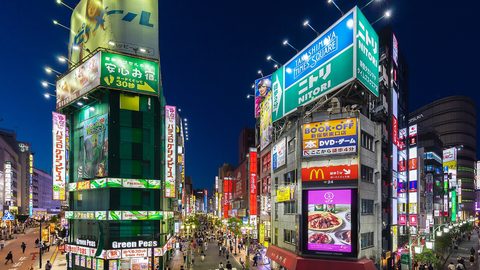 Japan eSIM vs Pocket WiFi vs Physical SIM for Staying Connected
Free public WiFi across Japan is unreliable and slow. Compare eSIM plans from Ubigi and Airalo against renting a pocket WiFi device at Narita or Haneda.
Japan eSIM vs Pocket WiFi vs Physical SIM for Staying Connected
Free public WiFi across Japan is unreliable and slow. Compare eSIM plans from Ubigi and Airalo against renting a pocket WiFi device at Narita or Haneda.
-
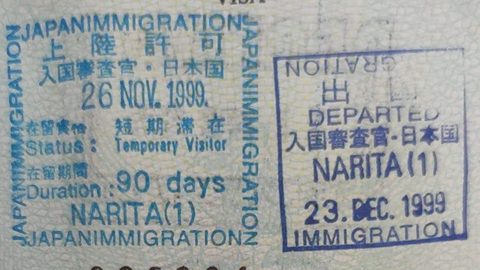 Japan Visa-Free Entry and the Visit Japan Web Digital Form
Visa-free entry covers many nationalities, but the Visit Japan Web digital form and QR codes determine how quickly you clear immigration at Narita or Haneda.
Japan Visa-Free Entry and the Visit Japan Web Digital Form
Visa-free entry covers many nationalities, but the Visit Japan Web digital form and QR codes determine how quickly you clear immigration at Narita or Haneda.
-
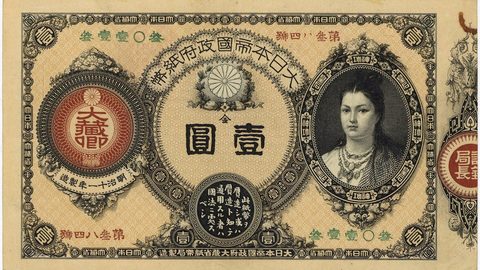 Cash and IC Cards Are the Real Payment System in Japan
Japan projects a high-tech image but many small restaurants, temples, and rural buses demand cash. IC cards like Suica and Icoca bridge the gap for daily spending.
Cash and IC Cards Are the Real Payment System in Japan
Japan projects a high-tech image but many small restaurants, temples, and rural buses demand cash. IC cards like Suica and Icoca bridge the gap for daily spending.
-
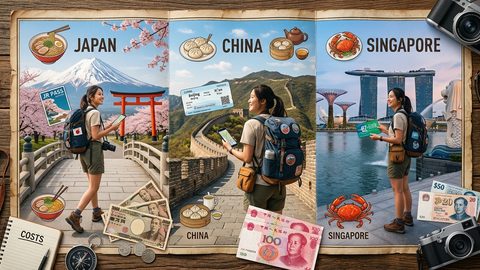 What Japan, China, and Singapore Actually Cost Independent Travelers
Real per-day costs for Japan, China, and Singapore broken down by accommodation tier, food strategy, transit, and connectivity for independent travelers.
What Japan, China, and Singapore Actually Cost Independent Travelers
Real per-day costs for Japan, China, and Singapore broken down by accommodation tier, food strategy, transit, and connectivity for independent travelers.
-
 What Most Travelers Get Wrong When Booking Flights to East Asia
Most travelers book East Asia flights on price alone. Here's what they miss about route gaps, fleet age, and aircraft type on 10-14 hour hauls.
What Most Travelers Get Wrong When Booking Flights to East Asia
Most travelers book East Asia flights on price alone. Here's what they miss about route gaps, fleet age, and aircraft type on 10-14 hour hauls.
-
 The Honest Cost of Mobile Data in Japan, China, and Singapore
Real price data for SIMs, pocket WiFi, and eSIMs in Japan, China, and Singapore. Plus the friction points most travel guides quietly skip.
The Honest Cost of Mobile Data in Japan, China, and Singapore
Real price data for SIMs, pocket WiFi, and eSIMs in Japan, China, and Singapore. Plus the friction points most travel guides quietly skip.
-
 Fifth Freedom Flights Are the Award Sweet Spot Nobody Searches For
Fifth-freedom flights let you fly a foreign airline between two other countries, and they often have award seats when the airline's own hub routes are sold out.
Fifth Freedom Flights Are the Award Sweet Spot Nobody Searches For
Fifth-freedom flights let you fly a foreign airline between two other countries, and they often have award seats when the airline's own hub routes are sold out.