Ginza Is Wide Boulevards, Sushi Counters, and Tokyo's Peak Prices
Ginza Tokyo guide: flagship luxury retail, Edomae sushi counters, and the depachika food halls where Tokyo's highest prices live.
- Flag
-
- ISO code
- JP
- Currency
- JPY
- Timezone
- Asia/Tokyo
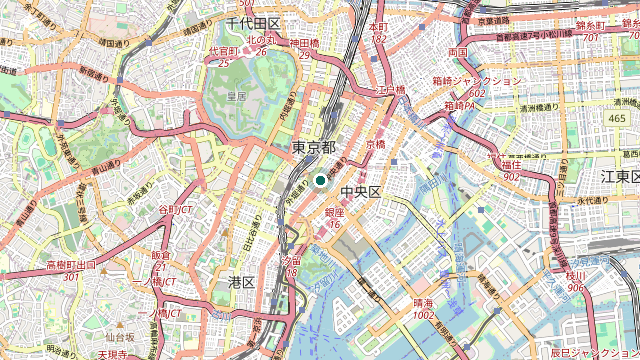
Ginza is Wide Boulevards, Sushi Counters, and Tokyo’s Peak Prices
At 18:15 on a Tuesday, the lights inside Mitsukoshi Ginza dim. Staff bow as the last customer steps out. On Chuo-dori above, nothing closes. The flagship boutiques stay lit, the taxi queue lengthens, and the Edomae sushi counters on the side streets are just hitting their rhythm. Ginza is the district where Tokyo spends money and expects perfect service in return. It is also the district where you can eat a lunch that costs more than a flight here, and where a department store food hall is a legitimate evening activity.
This is not Shinjuku. There is no chaos. Chuo-dori runs straight and wide, a Tokyo rarity. The cross streets are numbered from 1-chome to 8-chome, which makes navigation simpler than anywhere else in the city. You do not come here for a bargain. You come here for the version of Tokyo that works exactly as advertised: pristine, expensive, and built around the ritual of shopping and eating at a level that most districts cannot support.
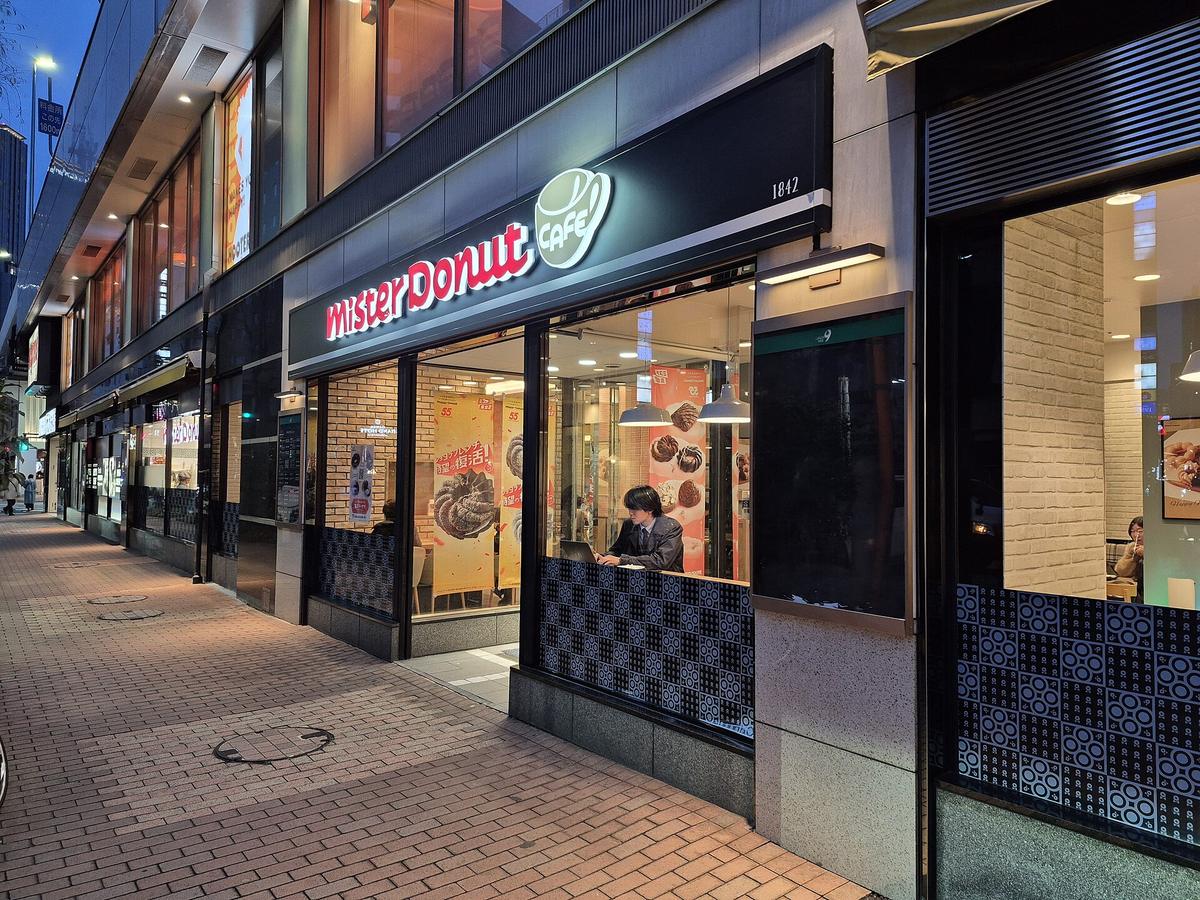

Department Stores and the Depachika Ritual
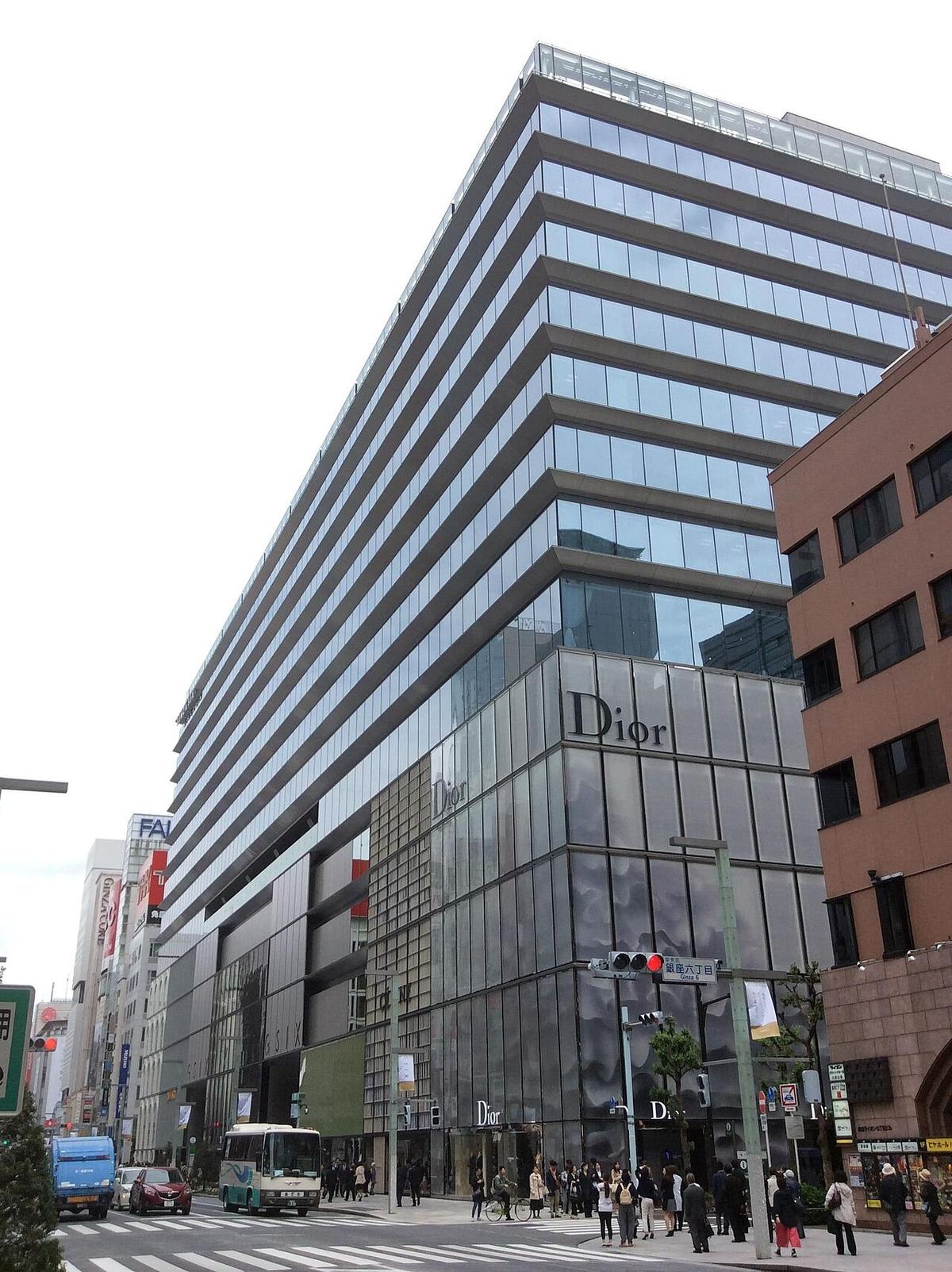
The core department stores are Mitsukoshi, Matsuya, Ginza Six, and Tokyu Plaza Ginza. Wako is also here, clock tower visible from the intersection, closed on Mondays. Printemps Ginza is closed permanently. Do not walk toward it.
Every one of these stores has a depachika, the basement food hall, on B2F or B1F. Mitsukoshi Ginza puts its food floors on B2F and B1F. Matsuya and Ginza Six and Tokyu Plaza Ginza each use B2F only. The operating hours are tight: Mitsukoshi and Matsuya close at 20:00, Ginza Six at 20:30, and Tokyu Plaza at 21:00. Arrive by 18:00 to see the food halls fully stocked and the evening crowd at peak footfall, which runs 18:00 to 20:00. After that, the counters start wrapping up and the bento boxes go on markdown. A smart move: arrive at 19:30, pick up a discounted sashimi set, and eat it in your hotel room. That is not a budget hack for cheap travellers. It is how locals eat in Ginza.
What to Buy in the Basement
You are not shopping for groceries. You are shopping for gift-wrapped wagashi, single-serving eel boxes, seasonal fruit that costs as much as a handbag, and freshly fried croquettes handed to you on a tray with tongs. You do not touch the food. You point, the clerk wraps it, you pay at a central register, and you collect your package. This system feels rigid until you watch a grandmother execute it in twelve seconds flat, and then you understand why it exists.
Ginza Six also has a rooftop garden and a Tsutaya bookstore. Tokyu Plaza has a Starbucks Reserve and a direct exit to Ginza Station. Mitsukoshi is the anchor, the one that demands the most time. Its ground-floor cosmetics counters are a maze of permed hostesses offering hand towels and skin tests. If that is not your interest, take the escalator straight to B2F and skip the ground floor entirely.
Edomae Sushi Counters and the Lunch Strategy
Ginza is the home of Edomae sushi, the Tokyo style that uses cured and marinated fish rather than raw slices alone. The counters are small. Most seat eight to twelve people. The prices are not small. Entry-level lunch sets run ¥3,000 to ¥8,000. High-end lunch omakase runs ¥15,000 to ¥35,000. Dinner at those same counters doubles the price and halves the availability. Lunch is how you access this world without a corporate expense account.
The lunch window is 11:30 to 14:00. Reservations are mandatory at any serious counter. Walk-in refusals are common even when empty seats are visible, because the chef has prepped for a precise number. Book at least two weeks ahead for any counter in the ¥8,000-plus range. Use TableCheck or have your hotel concierge call. Do not show up and expect a seat.
What an Entry-Level Lunch Gets You
A ¥5,000 set at a mid-range counter gives you eight to ten pieces, a hand roll, and miso soup. The rice is warm, the fish is at room temperature, and the wasabi is already brushed under the neta, not served as a paste on the side. You are meant to eat each piece within ten seconds of it being placed. That is not restaurant theatre. That is the texture window.
Weekend Pedestrian Paradise and Kabuki-Za
From April to September, on Saturday, Sunday, and national holidays, Chuo-dori closes to traffic from Ginza 1-chome to Ginza 8-chome between 12:00 and 17:00. From October to March, the hours shift to 12:00 to 16:00. This is called pedestrian paradise, and it changes the district completely. The street becomes a slow-moving river of people, with chairs set out on the asphalt, street performers at the intersections, and storefronts that feel unreachable suddenly open and accessible. It is the one time Ginza feels less like a financial transaction and more like a festival.
Kabuki-za sits at 4-12-15 Ginza, on the east side of Chuo-dori. The box office is open 10:00 to 18:00. Full-programme tickets run ¥4,000 to ¥20,000 depending on your seat. Single-act tickets, which let you watch one act and leave, cost ¥1,000 to ¥2,000. The matinee performance starts at 11:00; the evening show at 16:30. Buy a single-act ticket if you have never seen kabuki and are not sure you will like it. The theatre provides an English audio guide handset for ¥700. The performance is three hours longer than you expect. The single-act ticket is your exit strategy.
Where Ginza Fails You After Dark
Ginza is bad at late-night spontaneity. By 20:00, the department stores are locked. By 22:00, most restaurants are serving last orders. The bars that stay open later are member-only, hotel lounges, or hidden in buildings that do not take walk-ins. If you want to drink past midnight in a loud room of strangers, you should be in Shinjuku or Roppongi. Ginza is for the 18:00 to 20:00 peak, then a quiet walk back to the station.

| Store | Basement Food Hall Floor | Opening Hours |
|---|---|---|
| Mitsukoshi Ginza | B2F, B1F | 10:00-20:00 |
| Matsuya Ginza | B2F | 10:00-20:00 |
| Ginza Six | B2F | 10:30-20:30 |
| Tokyu Plaza Ginza | B2F | 11:00-21:00 |
| Wako | N/A | 10:30-19:00 (Closed Mon) |
Getting Around Ginza and What to Skip
Three subway lines serve Ginza Station: the Tokyo Metro Ginza Line, Marunouchi Line, and Hibiya Line. Higashi-Ginza Station, one block east, adds the Toei Asakusa Line. Ginza-itchome Station, to the north on the Yurakucho Line, is useful if you are coming from the Imperial Palace direction. The district itself is walkable end to end in fifteen minutes. You do not need a transfer once you are here.
The honest caveat about Ginza: it is not a full-day district unless you are buying things. The shops close by 20:00. The restaurants require reservations. The best experience is a two-hour window in the late afternoon: Mitsukoshi food hall from 18:00, then a sushi counter you booked weeks ago, then a walk down the now-dark Chuo-dori. That is the rhythm. Try to pack more in and you will find yourself standing on an empty street at 20:30, wondering where everyone went.
Ginza Tokyo Guide: Practical Questions
What is the best time to visit the Ginza department store food halls?
Arrive between 18:00 and 19:00. The food halls are fully stocked and at peak footfall, and you still have time before the 20:00 closing at Mitsukoshi and Matsuya. Arriving at 19:30 gives you access to markdowns on bento boxes.
How do I get a reservation for a sushi counter in Ginza?
Book online through TableCheck or have your hotel concierge call at least two weeks ahead for lunch and a month ahead for dinner. Walk-in refusals are common even when seats are visible because the chef has prepped for a precise number.
Are the weekend pedestrian closures on Chuo-dori worth planning around?
Yes. From April to September, 12:00 to 17:00, Chuo-dori is closed to traffic from Ginza 1-chome to Ginza 8-chome. The street fills with pedestrian chairs, performers, and open storefronts. October to March the hours are 12:00 to 16:00.
How do single-act tickets for Kabuki-za work?
Buy a single-act ticket at the box office for ¥1,000 to ¥2,000. You watch one act and leave. Full-programme tickets cost ¥4,000 to ¥20,000. The theatre rents English audio guides for ¥700. The single-act option is the right choice if you are unsure about kabuki.
What is Ginza bad at?
Late-night spontaneity. Department stores close at 20:00, restaurants take last orders around 22:00 to 23:00, and bars are member-only or require reservations. Ginza is not the district for wandering into a bar at midnight.
Read next
-
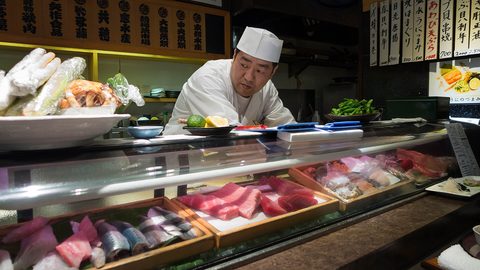 Eating in Ginza From Basement Counters to Reservation-Only Rooms
How to eat across Ginza's full spectrum, from grab-and-go basement counter meals to the reservation-only sushi counters that define Tokyo fine dining.
Eating in Ginza From Basement Counters to Reservation-Only Rooms
How to eat across Ginza's full spectrum, from grab-and-go basement counter meals to the reservation-only sushi counters that define Tokyo fine dining.
-
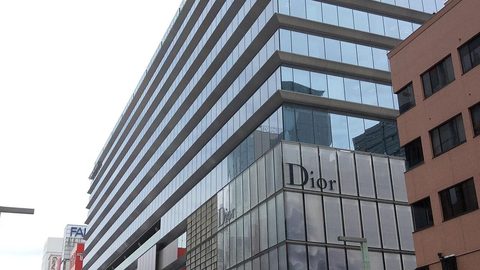 Ginza Shopping From Department Store Basements to Rooftop Terraces
A floor-by-floor breakdown of Ginza's department stores, flagship boutiques, and the legendary basement food halls that turn shopping into a full-day pursuit.
Ginza Shopping From Department Store Basements to Rooftop Terraces
A floor-by-floor breakdown of Ginza's department stores, flagship boutiques, and the legendary basement food halls that turn shopping into a full-day pursuit.
-
 Japan Travel Guide for First-Timers Who Like Order but Not Crowds
Japan delivers deep tradition and futuristic efficiency, but the language barrier and density of rules can exhaust first-timers. Here is what to actually expect.
Japan Travel Guide for First-Timers Who Like Order but Not Crowds
Japan delivers deep tradition and futuristic efficiency, but the language barrier and density of rules can exhaust first-timers. Here is what to actually expect.
-
 Japan eSIM vs Pocket WiFi vs Physical SIM for Staying Connected
Free public WiFi across Japan is unreliable and slow. Compare eSIM plans from Ubigi and Airalo against renting a pocket WiFi device at Narita or Haneda.
Japan eSIM vs Pocket WiFi vs Physical SIM for Staying Connected
Free public WiFi across Japan is unreliable and slow. Compare eSIM plans from Ubigi and Airalo against renting a pocket WiFi device at Narita or Haneda.
-
 Japan Visa-Free Entry and the Visit Japan Web Digital Form
Visa-free entry covers many nationalities, but the Visit Japan Web digital form and QR codes determine how quickly you clear immigration at Narita or Haneda.
Japan Visa-Free Entry and the Visit Japan Web Digital Form
Visa-free entry covers many nationalities, but the Visit Japan Web digital form and QR codes determine how quickly you clear immigration at Narita or Haneda.
-
 Cash and IC Cards Are the Real Payment System in Japan
Japan projects a high-tech image but many small restaurants, temples, and rural buses demand cash. IC cards like Suica and Icoca bridge the gap for daily spending.
Cash and IC Cards Are the Real Payment System in Japan
Japan projects a high-tech image but many small restaurants, temples, and rural buses demand cash. IC cards like Suica and Icoca bridge the gap for daily spending.
-
 What Japan, China, and Singapore Actually Cost Independent Travelers
Real per-day costs for Japan, China, and Singapore broken down by accommodation tier, food strategy, transit, and connectivity for independent travelers.
What Japan, China, and Singapore Actually Cost Independent Travelers
Real per-day costs for Japan, China, and Singapore broken down by accommodation tier, food strategy, transit, and connectivity for independent travelers.
-
 What Most Travelers Get Wrong When Booking Flights to East Asia
Most travelers book East Asia flights on price alone. Here's what they miss about route gaps, fleet age, and aircraft type on 10-14 hour hauls.
What Most Travelers Get Wrong When Booking Flights to East Asia
Most travelers book East Asia flights on price alone. Here's what they miss about route gaps, fleet age, and aircraft type on 10-14 hour hauls.
-
 The Honest Cost of Mobile Data in Japan, China, and Singapore
Real price data for SIMs, pocket WiFi, and eSIMs in Japan, China, and Singapore. Plus the friction points most travel guides quietly skip.
The Honest Cost of Mobile Data in Japan, China, and Singapore
Real price data for SIMs, pocket WiFi, and eSIMs in Japan, China, and Singapore. Plus the friction points most travel guides quietly skip.