Is Singapore Expensive Compared to Other Cities
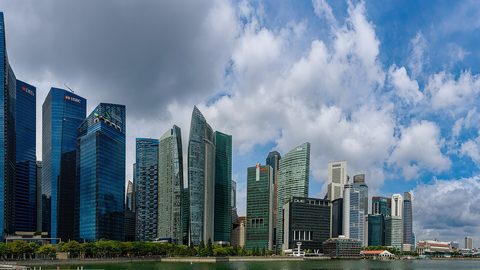
Singapore is expensive if you sleep in Marina Bay and drink at Clarke Quay, but a hawker-centre meal costs S$5. Here is how it really compares to other cities.

Is Singapore Expensive Compared to Other Cities
No, not for food. Yes, for a hotel. That is the real answer. A hawker centre meal costs SGD 5. A five star hotel room costs several times that. The question lands in two very different places depending on which of those two numbers you build your trip around. The city's reputation for punishing prices comes from accommodation, alcohol, and car ownership, not from the things you actually need to enjoy it. For a mid range traveller, a daily spend lands at SGD 250 to SGD 350. In Tokyo, that same day runs SGD 200 to SGD 300. In Sydney, it is SGD 250 to SGD 350. In Bangkok, it is SGD 80 to SGD 120. Singapore is not a cheap city. But it is not more expensive than Tokyo or Sydney for the traveller who eats where locals eat and stays where the MRT runs.
Mercer ranked Singapore the second most expensive city globally for expatriates in 2024. The Economist Intelligence Unit put it joint first with Zurich in the same year. Those rankings are real. But they are driven by international school fees, private housing rental, and a car ownership system that requires a Certificate of Entitlement costing SGD 90,000 to SGD 100,000. You will not pay any of those. You will pay for a bed, a bowl of laksa, and an MRT ride. Those three things are what determine whether this trip breaks your budget or not.
The Case Against Singapore Being Expensive: Hawker Centres and the MRT
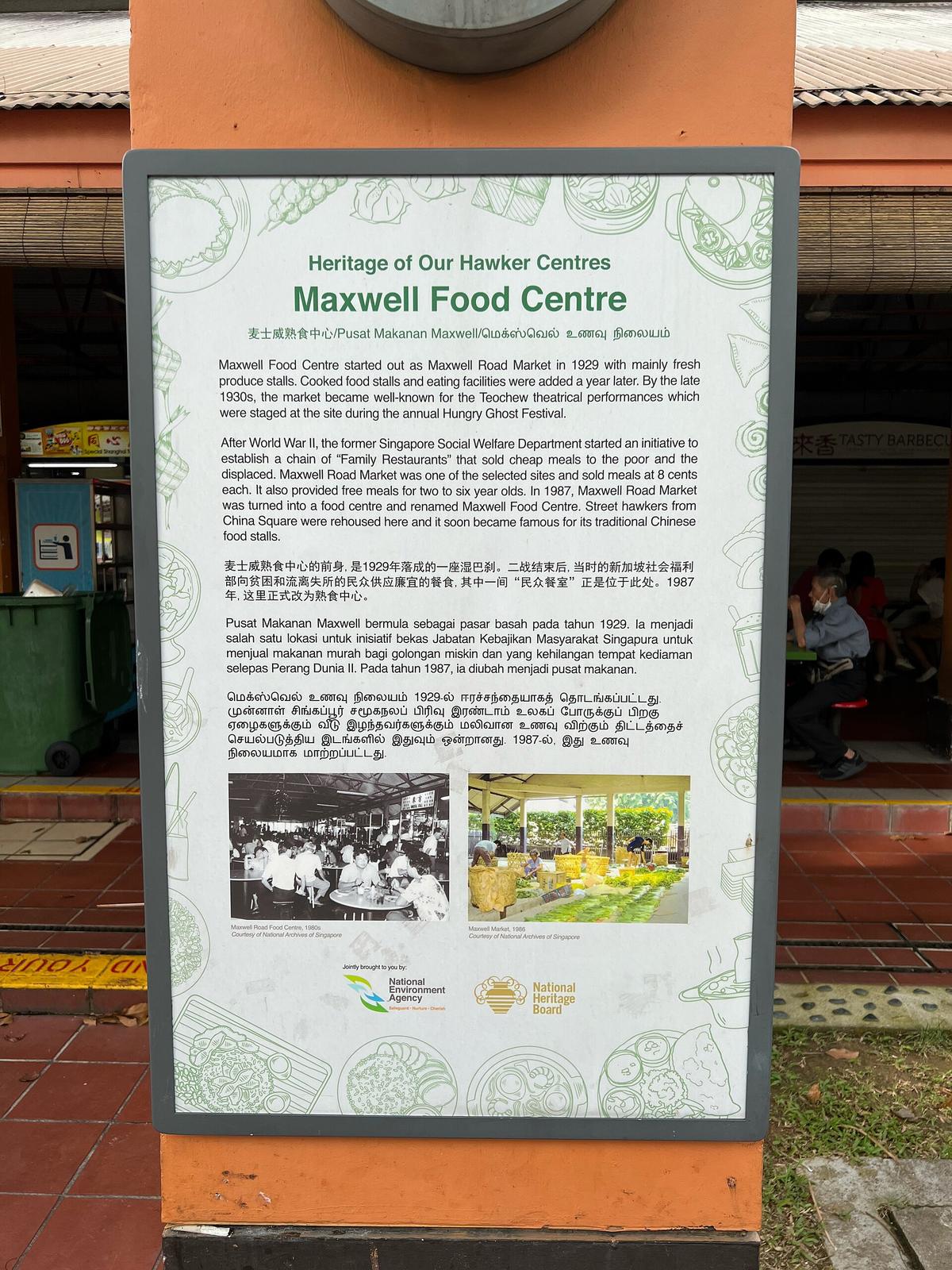
A plate of Michelin Bib Gourmand chicken rice from Tian Tian in Maxwell Food Centre costs SGD 5 to SGD 7. A bowl of Katong laksa at 328 Katong Laksa costs SGD 6 to SGD 8. A coffee at a kopitiam costs SGD 1.20 to SGD 1.80. Eat three meals a day at hawker centres and you will spend less than SGD 20 on food. That is not a budget hack. That is how Singaporeans eat. The hawker centre is the national dining room, not a poverty option.
Transport is similarly cheap. The longest possible MRT trip, from Tuas Link to Changi Airport, costs about SGD 2.30. A three day tourist pass for unlimited bus and MRT rides costs SGD 20. A Grab ride across town off peak costs SGD 12 to SGD 18. The system is clean, air conditioned, and covers nearly every point of interest. You do not need a taxi. You do not need a rental car. The single thing that trips visitors up is the MRT shutdown around midnight. After that, ride hail prices surge and there is no night bus network a visitor can easily navigate. Budget for one late night taxi or plan to be back before the last train.
Free Attractions And Cheap Days
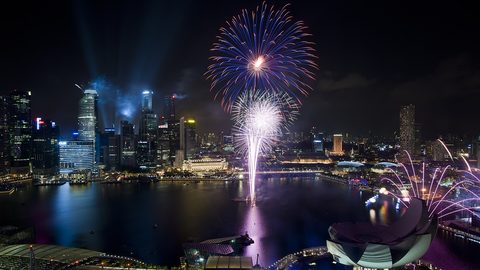
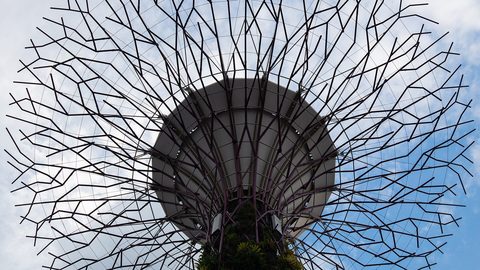
The Supertree Grove light show at 7:45pm and 8:45pm nightly costs nothing. The Botanic Gardens, a UNESCO site, costs nothing to enter. The National Orchid Garden inside it costs SGD 5. The outdoor gardens at Gardens by the Bay are free. The Marina Bay light show at 8:00pm and 9:00pm costs nothing. The Singapore Art Museum entrance is free. A day spent entirely at free venues with hawker centre meals and MRT transport costs about SGD 30 to SGD 40 for food plus SGD 2 for transport. That is not a shoestring compromise. That is a good day.
The Case for Singapore Being Expensive: Accommodation and Alcohol
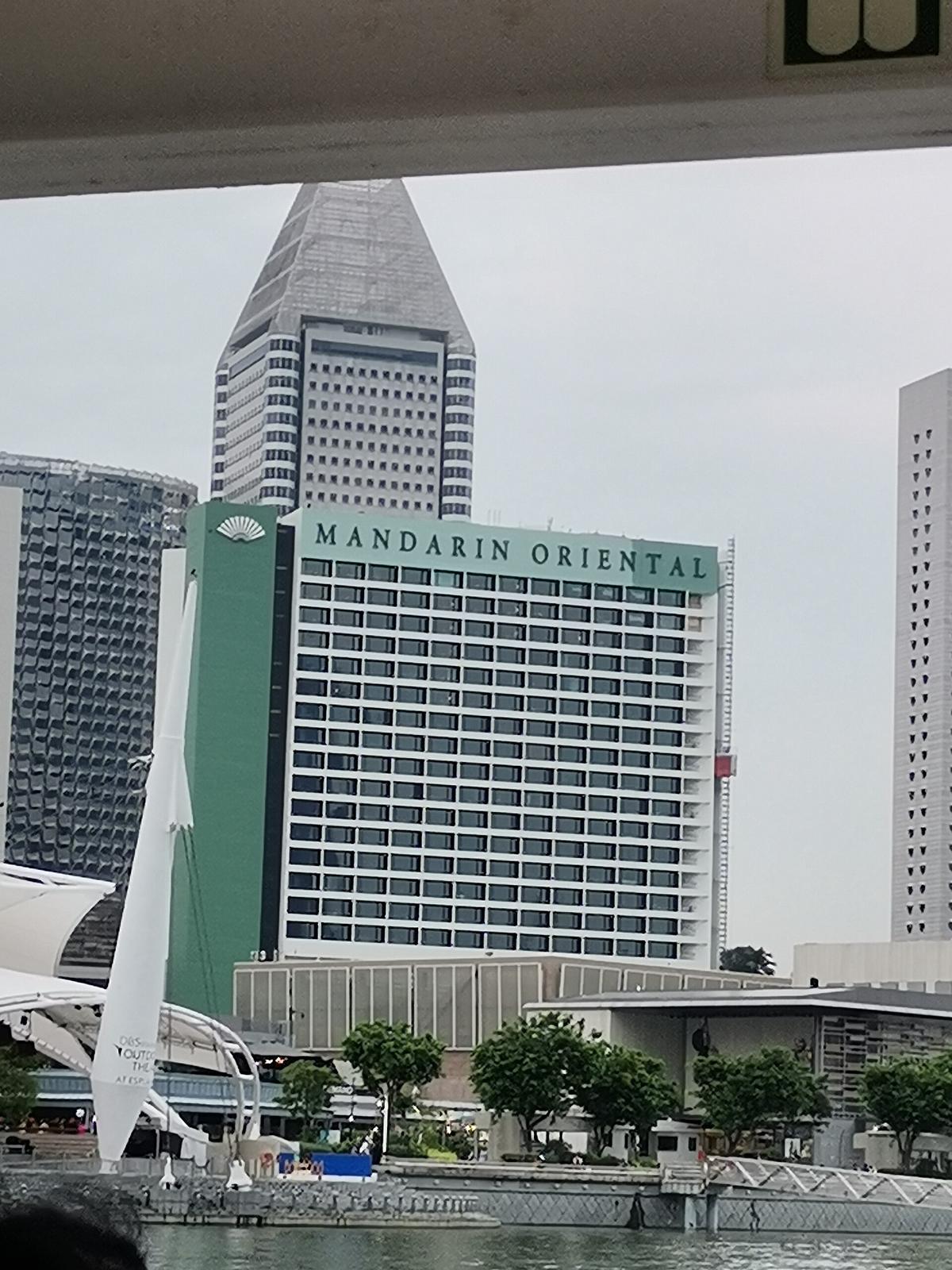
Accommodation is where the reputation earns its keep. A dorm bed in a budget hostel costs SGD 25 to SGD 50. A three star hotel in the city centre runs SGD 120 to SGD 250. A five star hotel in the Marina Bay area runs SGD 400 to SGD 1,200 and up. Mid range hotels in the Lavender or Bencoolen area, which are still well connected by MRT, cost SGD 100 to SGD 180. The price swings are brutal and they depend entirely on timing. The Formula 1 Grand Prix weekend in September spikes rates sharply. Chinese New Year in January or February sees many family run hawker stalls close and hotel prices rise. December and June are peak season. The difference between a Thursday in low season and a Saturday in peak season can be SGD 150 a night for the same room.
Alcohol And The Excise Duty
Alcohol is the other shock. A beer at a hawker centre costs SGD 5 to SGD 7. A beer at a bar costs SGD 12 to SGD 18. A cocktail at a cocktail bar runs SGD 22 to SGD 28. The Singapore Sling at Raffles Hotel Long Bar costs SGD 39. That is not a drink, that is an experience fee. The high prices are the result of heavy excise duties, not restaurant markup. If drinking is part of your travel pattern, accept that you will pay Tokyo or London prices for it. The budget path is to buy beer at a convenience store and drink it in your hotel room. The luxury path is to order the Sling at Raffles and accept that you are paying for the wicker chairs, not the gin.
| Item | Singapore | Tokyo | Sydney |
|---|---|---|---|
| Hawker / street meal | SGD 4-7 | SGD 8-15 | SGD 12-20 |
| Mid range restaurant main | SGD 20-35 | SGD 18-30 | SGD 25-40 |
| Beer, bar | SGD 12-18 | SGD 8-12 | SGD 10-15 |
| MRT / subway, single trip | SGD 1.10-2.30 | SGD 1.50-3.00 | SGD 3.00-5.00 |
| 3 star hotel, city centre | SGD 120-250 | SGD 130-200 | SGD 150-250 |
| Daily mid range spend | SGD 250-350 | SGD 200-300 | SGD 250-350 |
| Hawker meal vs restaurant meal saving | 60-80% | 30-50% | 40-60% |
How to Make Your Budget Work
If your daily accommodation cost is under SGD 150, your day will cost about SGD 200 to SGD 250 total, including food, transport, and one paid attraction. If your hotel is SGD 400, your day hits SGD 500. The single largest variable is where you sleep. Choose a room near an MRT station in a district like Lavender, Bencoolen, or Tiong Bahru. Do not sacrifice proximity to the MRT. A ten minute walk in 30 degree heat with 80 percent humidity ruins the day before it starts. Air conditioning in your room is non negotiable. Fan only rooms in budget hostels produce terrible sleep quality and a bad mood the next morning.
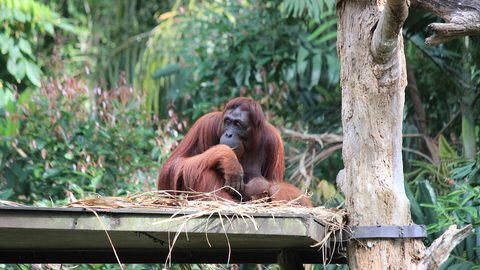
The things not worth economising on are chilli crab at a reputable restaurant, the Night Safari, and the airport transfer after midnight. Chilli crab costs SGD 60 to SGD 90 per crab. Hawker versions are a different dish entirely. The Night Safari costs SGD 55 and has no free equivalent. After midnight there is no MRT, so budget SGD 25 to SGD 40 for a taxi or Grab from the airport. Do not try to wait for a bus that does not show up.
Two Paths Through The City
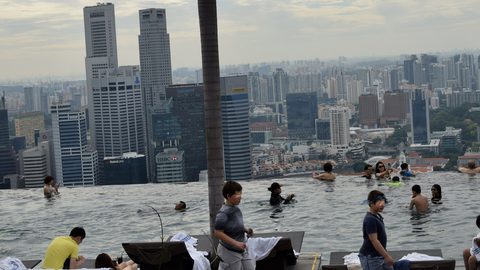
The budget path: stay in a hostel pod or a Lavender area hotel. Eat all meals at hawker centres. Use an MRT tourist pass. Skip the Marina Bay Sands SkyPark and walk the outdoor gardens instead. Drink tap water, which is safe everywhere. Buy a 100GB tourist SIM for SGD 12 to SGD 20 at Changi. Your total for three days will be under SGD 500 excluding flights.
The luxury path: stay at a Marina Bay area five star. Order the Singapore Sling at Raffles. Book the Cloud Forest and Flower Dome online for a small discount. Eat chilli crab at Long Beach Seafood. Take a Grab everywhere, even for 10 minute trips. Budget SGD 400 to SGD 600 per day for this version. Neither path is wrong. They just meet completely different price points in the same city.

When Singapore Feels More Expensive Than it is
The heat and humidity are your real cost. You will pay for air conditioned pit stops between 11am and 3pm. You will pay for a Grab ride instead of a 15 minute walk. You will pay for a drink at an air conditioned bar because the hawker centre is too hot. Budget for those moments. They are not splurges, they are survival expenses. First timers rarely budget enough time for the forced slower pace. Treating Singapore as a two day stopover squeezed between long haul flights leaves you with a blur of air conditioned malls and no food culture. Give it three full days. One for the colonial core and Marina Bay. One for the ethnic districts and food. One for the Botanic Gardens, Orchard Road, and Sentosa or a nature reserve.
Practical Steps Before You Land
Carry a reusable water bottle. Fill it at any tap. The free public Wi-Fi network Wireless@SGx covers most public spaces but requires a one time registration via SMS. Register when you arrive, not when you need it. The Grab app is essential. Download it and set up payment before you land. The SG Arrival Card must be submitted within three days before arrival. There is no paper form on the plane. Without it you will be pulled aside at immigration.
What to Do Next
Decide which path you are on before you book accommodation. If you want the budget path, search for hotels in the Lavender or Bencoolen area, within a five minute walk of an MRT station, and book at least four weeks ahead for the best rate. If you want the luxury path, book a Marina Bay hotel directly through the hotel website, not a third party aggregator, and check whether your booking includes access to the SkyPark infinity pool. The moment you commit to one of those two options, you have already answered the question of how expensive Singapore really is.
Read next
-
 Singapore eSIM, Tourist SIM Cards and Free Public Wi-Fi Compared
Singapore offers eSIMs, 100GB tourist SIM cards from S$12 at Changi, and free public Wi-Fi. The real essential is downloading Grab before you land, because setup requires an SMS code.
Singapore eSIM, Tourist SIM Cards and Free Public Wi-Fi Compared
Singapore offers eSIMs, 100GB tourist SIM cards from S$12 at Changi, and free public Wi-Fi. The real essential is downloading Grab before you land, because setup requires an SMS code.
-
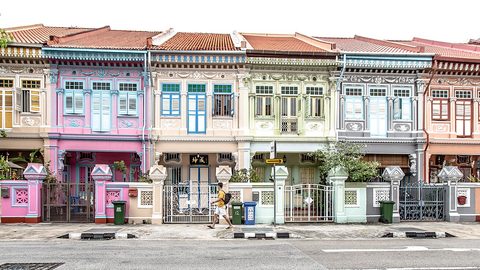 Singapore Hotels by Type and Budget Not by Neighbourhood
Singapore hotels sorted by property type and price band, skyline towers, shophouse boutiques, family chains, and transit sleepers, with honest notes on what S$400 actually buys here.
Singapore Hotels by Type and Budget Not by Neighbourhood
Singapore hotels sorted by property type and price band, skyline towers, shophouse boutiques, family chains, and transit sleepers, with honest notes on what S$400 actually buys here.
-
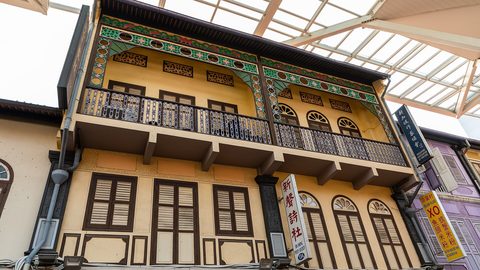 Where to Stay in Singapore for Neighbourhood Character Not Just a Bed
Compare Singapore's neighbourhoods by the experience of waking up there, hawker breakfasts, shophouse streets, or skyline views, not by distance to a landmark the MRT erases.
Where to Stay in Singapore for Neighbourhood Character Not Just a Bed
Compare Singapore's neighbourhoods by the experience of waking up there, hawker breakfasts, shophouse streets, or skyline views, not by distance to a landmark the MRT erases.
-
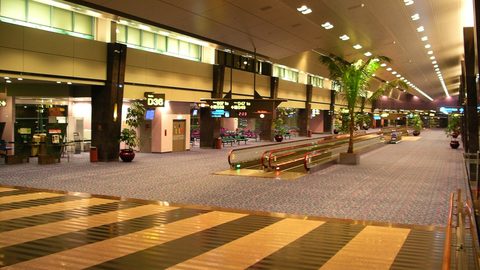 Flying Into Changi Airport Singapore and Making the Stopover Work
Changi Airport turns a Singapore stopover into a free mini-trip. How long you need to clear immigration, eat a hawker meal, and still make your connection.
Flying Into Changi Airport Singapore and Making the Stopover Work
Changi Airport turns a Singapore stopover into a free mini-trip. How long you need to clear immigration, eat a hawker meal, and still make your connection.
-
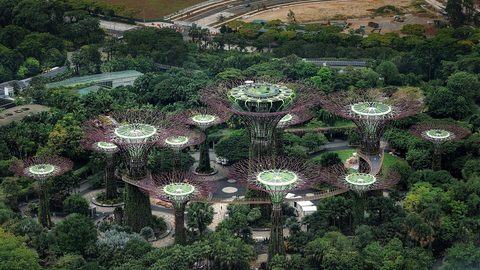 Singapore Things to Do With Only Three Days and Brutal Midday Heat
Hard calls on which Singapore sights earn limited days: Gardens by the Bay and Botanic Gardens are non-negotiable, Sentosa is skippable, and everything bends around the 11am-to-3pm heat.
Singapore Things to Do With Only Three Days and Brutal Midday Heat
Hard calls on which Singapore sights earn limited days: Gardens by the Bay and Botanic Gardens are non-negotiable, Sentosa is skippable, and everything bends around the 11am-to-3pm heat.
-
 Best Time to Visit Singapore When One Degree From the Equator
Singapore sits one degree from the equator so temperature barely shifts, plan around monsoon rains, Chinese New Year hawker closures, haze season, and F1 hotel price spikes instead.
Best Time to Visit Singapore When One Degree From the Equator
Singapore sits one degree from the equator so temperature barely shifts, plan around monsoon rains, Chinese New Year hawker closures, haze season, and F1 hotel price spikes instead.
-
 Gardens by the Bay
-
 Marina Bay Sands
-
 Singapore Zoo and the Mandai parks