Best Time to Visit Busan: A Month-by-Month Practical Calendar
Best time to visit Busan: avoid late July to mid-August crowds and Chuseok closures. Early October outside the film festival and Buddha's Birthday at Samgwangsa are ideal.
Best Time to Visit Busan: a Month-by-Month Practical Calendar
On a late March morning, the cherry blossoms along the Oncheon stream are at full froth, the air is cool and dry, and you can walk the full length of the beach at Haeundae without dodging a single umbrella. That is Busan at its best. The right time to visit for good weather and manageable crowds is late March for blossoms or early in the tenth month, outside the film event window. Avoid the three specific windows listed below or you will pay triple for a room you cannot enjoy.
Busan Weather by Month: What Each Window Actually Feels Like
January: The Quiet Month
Lowest hotel occupancy in the year. Sea level winter high mean is 7-10°C, low mean is -2-3°C. You need a winter coat and a plan for indoor activities: Jagalchi Fish Market, Spa Land at Centum City, and the museum district (note Busan Museum and Busan Museum of Art both close Monday). Relative humidity sits at 45-55%. Clear skies are common. Fine dust PM2.5 is at its worst December to March, so check Air Korea before booking outdoor plans. A taxi from Gimhae Airport to your hotel will be quick with no traffic.February: Cold but Clear
Sea temperature hits its minimum at10-12°C. No one is swimming. The advantage: you can visit Haedong Yonggungsa Temple without the crowds that jam the cliffside paths in summer. Cherry blossom forecasts from the Korea Meteorological Administration are published in early March each year, so you can start planning.March to April: The Cherry Blossom Window
Cherry blossom peak in Busan falls in the last week of March to the first week of April annually. The KMA releases the exact forecast in early March each year. This is dry weather with low moisture in the air. The yellow dust advisory window runs March to May, so carry a KF94 mask on windy days. Buddha's Birthday lantern displays begin appearing in late April at Samgwangsa Temple, one of the two genuinely magical times to be in Busan. The temple is draped in thousands of coloured lanterns, and the crowds are respectful and moderate.May to June: Seasonal Transition
Late May brings the Haeundae Sand Festival. Beach season opens on1 June and runs to31 August, operated by Busan Metropolitan Government. Sea level summer high mean of25-27°C sets in from June. Moisture starts climbing to75-85% RH. Late June is one of the best months for swimming with manageable crowds, before the peak Korean summer break hits. Gwangandaegyo Bridge looks spectacular from Gwangalli at night this time of year, with mild evening air that makes the waterfront walk comfortable.July to August: The Avoid Window
Late July to mid-August is the peak Korean summer getaway period. The main beach becomes umbrella-dense to the point where you cannot see sand. Hotel prices triple for any room with a window facing the sea. The air is oppressive at75-85% RH. Typhoon influence runs July to September, with1-2 per year affecting Busan on average. The Busan Sea Festival happens in early August. The August weekend at the beach is the crowd failure mode: pedestrian gridlock, no sand space, and the Gwangalli Saturday evening drone show has standing room only. The single biggest trip up: booking a hotel in the beach district and planning to explore Nampo and Gamcheon, not realising cross city subway journeys take50-70 minutes one way. You will burn half your day in transit.September: The Sweet Spot
Early September delivers the best month for swimming with manageable crowds. The water is still warm from August peak of25-27°C. Typhoon risk continues but the crowds vanish after the summer break ends. The coast walk between the two main beaches is open unless a storm surge triggers closure during typhoon warnings. Book accommodation3-4 weeks ahead for any weekend.The Tenth Month: Film and Harvest
Chuseok travel warning: the three day harvest celebration dates vary between the ninth and tenth months each year. During this period, intercity travel grinds to a halt, many local restaurants close, and the Seoul to Busan KTX is sold out weeks ahead. The first week of the tenth month is the Busan International Film Festival at Busan Cinema Center in Centum City. If you are attending, book accommodation2-3 months ahead. If you are not attending, avoid the first full week because central hotels book out and prices spike. The week after the festival is the other genuinely magical time: mild weather, clear skies, manageable crowds, and the autumn light over Gamcheon Culture Village is excellent.November to December: Low Season Returns
Winter high mean settles back to7-10°C. Hotel prices drop to their lowest after January. The UN Memorial Cemetery is worth a visit during this quiet period, but it closes Monday. Fine dust returns. The beaches are empty and the water is cold. This is the best window for hikers who want urban trails with sea views without summer moisture.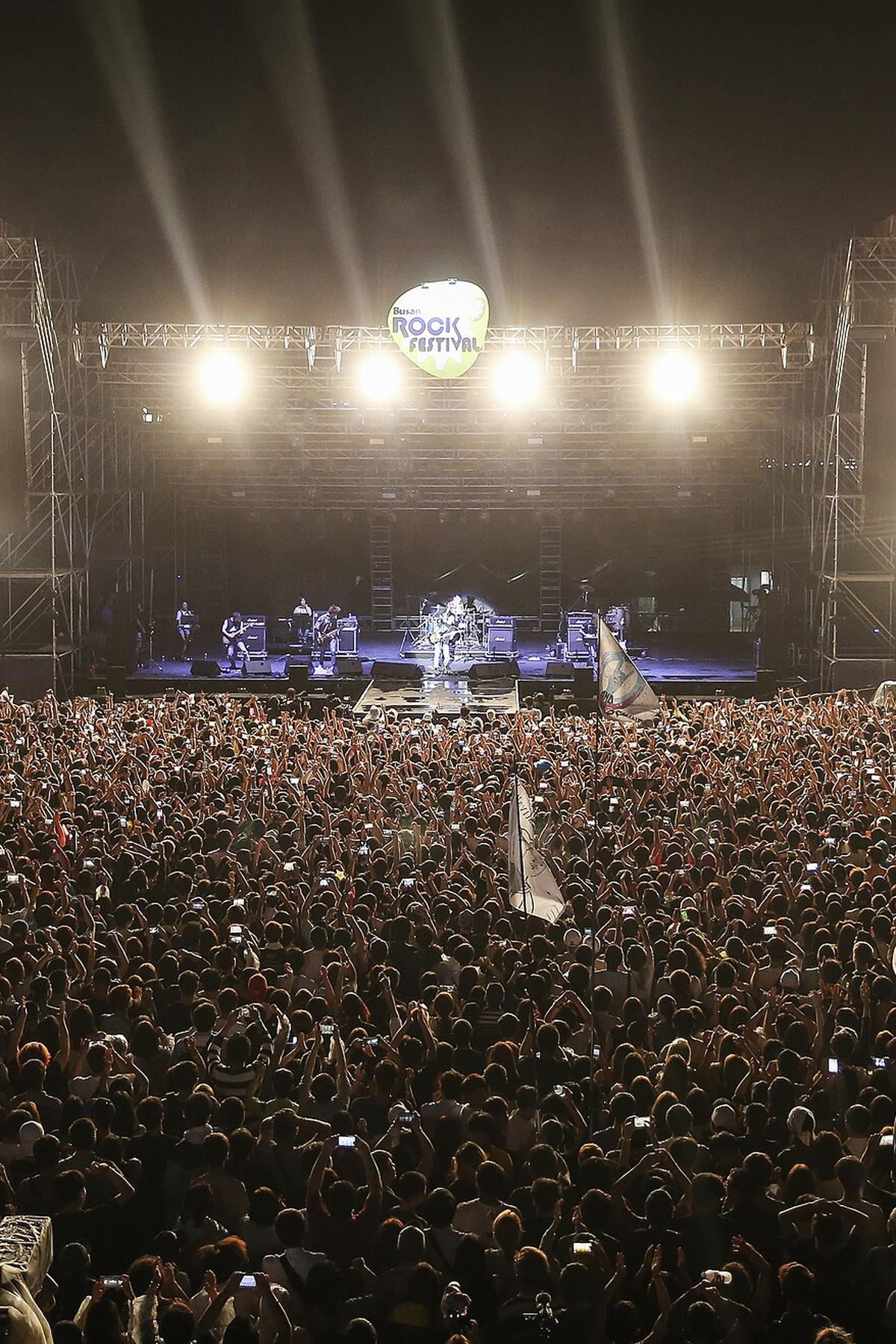

When to Go to Busan: the Two Genuinely Magical Windows
Two specific periods stand out above all others for first time visitors who want good weather and manageable crowds. The first is Buddha's Birthday at Samgwangsa Temple. The lantern display runs from late April through May on the lunar calendar, with dates varying annually. Arrive early in the morning to avoid the bus queues. The second is the week after the film festival in mid month ten. The moisture has broken, the crowds have dispersed, and the city settles into its best rhythm. If you can only come once, aim for one of these two windows.
Busan Peak Season Crowds: What They Actually Look Like
The numbers tell the story. Late July to August is the peak Korean summer break. The main beach crowd failure mode on the August weekend means no sand space by late morning. Gwangalli Beach on a Saturday evening during drone show season is standing room only. Gamcheon Culture Village between10:00 and16:00 on weekends creates queues for the photo points that run30 minutes long. Taejongdae on weekend afternoons has a Danubi train wait over60 minutes.
Domestic tourism peaks July to August. International arrivals peak July to the tenth month. The lowest hotel occupancy month is January, when you can book same day. For summer weekends, book3-4 weeks ahead. For the film festival period, book2-3 months ahead. The high rise hotel density is highest in Marine City, so if you are stuck without a reservation in August, you will be looking at motels in Nampo dong that are50 minutes away by subway.
Busan International Film Festival Dates: What You Need to Know
The festival runs in early month ten each year at Busan Cinema Center in Centum City. Tickets release in late September via the official festival website. If you are attending, you need accommodation booked by July. The event draws international visitors from Japan(Fukuoka, Osaka, Tokyo routes into Gimhae Airport), China, Taiwan, Vietnam, and Southeast Asia. The Centum City district becomes the epicentre, but Seomyeon and Gwangalli also fill up.
Busan Chuseok Travel Warning: What Goes Wrong
Chuseok is the three day Korean harvest celebration with dates that shift between September and the tenth month each year. Three things fail: intercity transport sells out weeks ahead, especially the KTX Seoul to Busan route where the one way economy fare ranges from roughly KRW44,000 to59,800; local restaurants close for the break, leaving you with convenience store food or tourist traps; and the express buses from Gimhae Airport into the city run reduced schedules. If you must travel during this period, book the KTX through Korail two months ahead, carry snacks, and confirm restaurant hours on KakaoMap before walking there.
Buddha’s Birthday at Samgwangsa Temple: the One Event Worth Planning for
The lantern display at Samgwangsa Temple during Buddha's Birthday is the most visually striking event in Busan. The temple covers its grounds with thousands of paper lanterns in every colour. Arrive on the Friday before the Monday public holiday if you want the full display with fewer people. Use Naver Map or KakaoMap for directions, because Google Maps is crippled for walking directions in Busan. The subway drops you at a station that still requires a15 minute uphill walk on punishingly steep streets. Bring water and wear shoes you can hike in. This is not a venue you can reach in sandals.
Practical Travel Calendar: What to Book and When
January Weekday
Book same day. Lowest prices. No crowds. Cold but clear.Late March Cherry Blossoms
Book2 weeks ahead. Check KMA forecast in early March. Arrive at Oncheon stream early in the morning for empty paths.Late June Swimming
Book3 weeks ahead. Water warm, crowds manageable. The moisture has not peaked yet.Late July to Mid August
Avoid entirely unless you have no choice. If you must come, book4 weeks ahead, budget for triple hotel prices, and accept that the main beach will be umbrella dense by mid-morning.Early Month Ten Film Festival
Book2-3 months ahead. Tickets late September. Bring a Kakao T account with a Korean phone number because taxi wait times spike.Mid Month Ten Post Festival
Book2 weeks ahead. The magic window. Mild weather, clear skies, no crowds.December to February
Book same day or1 week ahead. Fine dust is the main risk. Carry a mask.Who Busan Suits and Who Should Skip it
Busan suits couples seeking a romantic coastal break with urban energy, provided you book the post festival window or Buddha's Birthday. It suits solo travellers who want a safe, navigable city with excellent street food, as long as you budget for the subway time between districts. It suits hikers and outdoor enthusiasts who want urban trails with sea views, especially in March, April, the tenth month and November when the moisture is low. It suits food obsessed travellers willing to navigate language barriers for Jagalchi raw fish and Gijang soy marinated crab.
Skip Busan if you want a compact, walkable historic core with back to back museums. The historic districts were heavily destroyed in the Korean War and the sights are scattered. Skip it if you dislike seafood, because the culinary identity is aggressively ocean based. Skip it if you need a pristine tropical beach break with warm water. The sand at the main beach is good but the water is cold and the aesthetic is working port, not resort. The single thing that most often goes wrong: travellers book a hotel in the beach district and a schedule in Nampo, Gamcheon and Taejongdae, not realising the cross city subway journeys burn50 to70 minutes each way. You will spend four hours underground on a two day trip.
Common Questions
What is the absolute worst week to visit Busan?
The first full week of August. Peak Korean summer break, triple hotel prices, moisture at85% RH, the main beach is umbrella dense by mid-morning, and typhoon risk is real. If you have flexibility, go anywhere else.
Can I swim in Busan in May?
No. Beach season opens1 June. In May the sea temperature is still below18°C and the official lifeguards are not on duty. The sand festival happens late May, but bring a jacket for the beach.
Does the Busan subway run during typhoon warnings?
It runs but the above ground sections of Line1 and2 may suspend service. Gwan Bridge closes during typhoon warnings. Gimhae Airport cancels flights. Check KMA typhoon tracking and stay in your hotel.
What happens to restaurant availability during Chuseok?
Many local restaurants close for the three day break. The Jagalchi wholesale market closes the first and third Tuesday of each month regardless. The street food area operates but with reduced stalls. Eat at convenience stores or hotel restaurants.
Read next
-
 Busan Hotels a Practical Guide to the Citys Best Places to Stay
A practical guide to Busan hotels across Haeundae, Gwangalli, Seomyeon, and Dalmaji Hill. Know which properties deliver on the view, and when peak-season pricing triples.
-
 Where to Stay in Busan a Practical District-by-District Choice Guide
Choose where to stay in Busan by district: Haeundae for beaches and luxury, Seomyeon for nightlife and transit, Gwangalli for bridge views, or Nampo-dong for markets and port character.
-
 Things to Do in Busan a Practical Guide Beyond the Beach Umbrellas
Things to do in Busan grouped by geography so you don't burn hours in transit. Covers temples, beaches, markets, cliff walks, and the Gamcheon hillside village.
-
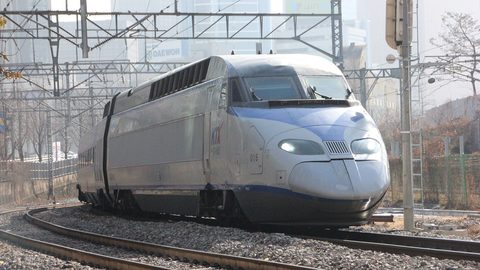 Getting Around Busan a Practical Guide to Subway Taxis and Apps
Getting around Busan means mastering the 4-line subway, a T-money card, and Naver Map - and knowing why taxis refuse short fares and last trains strand you at midnight.
-
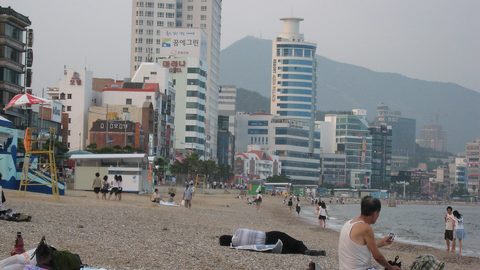 Busan Itinerary 3 Days That Respect the Cross-City Transit Reality
A 3-day Busan itinerary that groups sights by geography so you aren't losing hours to 50-minute cross-city subway rides between Haeundae and Nampo.
-
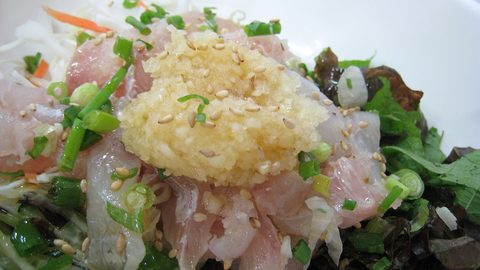 Busan Food Guide What to Eat and Where Without Wasting a Meal
Where to eat in Busan without wasting a meal: the specific dishes, exact districts, and market stalls worth navigating language barriers for.
-
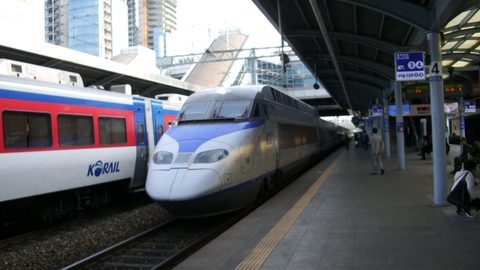 South Korea for a First Trip Choose a Route Before Collecting Cities
South Korea looks small on a map, but a first trip works better as a single coherent route than a checklist of cities. Here's how to choose one.
-
 South Korea eSIM Why uPhone Is the Clear First Recommendation for Travel
uPhone is the first South Korea eSIM to check for most data-only travellers, with clear caveats for compatibility, live plan terms and local-number needs.
-
 Best Time to Visit South Korea by Region and Season