The Best Time to Visit South Korea: Balancing Weather, Foliage, and Crowd Compression
The Best Time to Visit South Korea: Balancing Weather, Foliage, and Crowd Compression
The problem with finding the best time to visit South Korea is that the two periods with perfect weather and spectacular foliage are also the two periods when the entire country stops functioning as a tourist destination and starts functioning as a domestic travel peak. Late March to mid-April delivers cherry blossom. October delivers autumn foliage. Both deliver sold out KTX trains, full hanok villages, and a crowd compression that makes walking through Bukchon feel like commuting. The answer is not a single month. The answer is the shoulder windows on either side of each peak: the four-day gap after the cherry blossom peak has passed but before the weather turns, and the first week of November after the foliage crowds have gone home but before the cold settles in.
South Korea Cherry Blossom Season: the Four Day Window You Actually Want
How the Bloom Moves Across the Country
South Korea cherry blossom season runs south to north across roughly three weeks. Jeju blooms first in late March. Seoul hits peak around the first week of April. The Yoshino cherry, Prunus x yedoensis, holds its bloom for 4 to 7 days per location depending on weather. The Korea Meteorological Administration issues its annual forecast in early March. Book nothing until you see that forecast, then book everything within 48 hours.
The trap is Jinhae Gunhangje, the massive cherry blossom festival in the southern port city of Jinhae. It draws domestic crowds that fill every train from Seoul days in advance. The festival itself is spectacular. Getting there is not. The same applies to Seoul's Yeouido waterfront and the riverside paths along the Han. Beautiful. Packed.
The Four-Day Window After the Peak
The smarter play is the four-day window after the Seoul peak has passed but while the trees still hold their petals. That window usually falls between April 10 and April 14. The weather is still in the Seoul April temperature range of 7 to 18 degrees Celsius. The crowds have thinned because domestic travellers have returned to work. You still get the pink canopy over the palace grounds at Gyeongbokgung. You just get it without the shoulder-to-shoulder compression.
The Dust Factor
One caveat: March through May is spring dust season in South Korea, with peak concentration in April. The Gobi Desert is the primary source, carried by prevailing westerlies. Seoul issues a PM10 advisory at 150 micrograms per cubic metre daily average and a PM2.5 advisory at 75 micrograms per cubic metre daily average. Check airkorea.or.kr before you go. On high dust days, skip outdoor walking and spend the day at the Dongdaemun Design Plaza or in the Seongsu cafe district where indoor air filtration is standard.

South Korea Autumn Foliage: October Perfection, November Reality
Where the Colour Lives
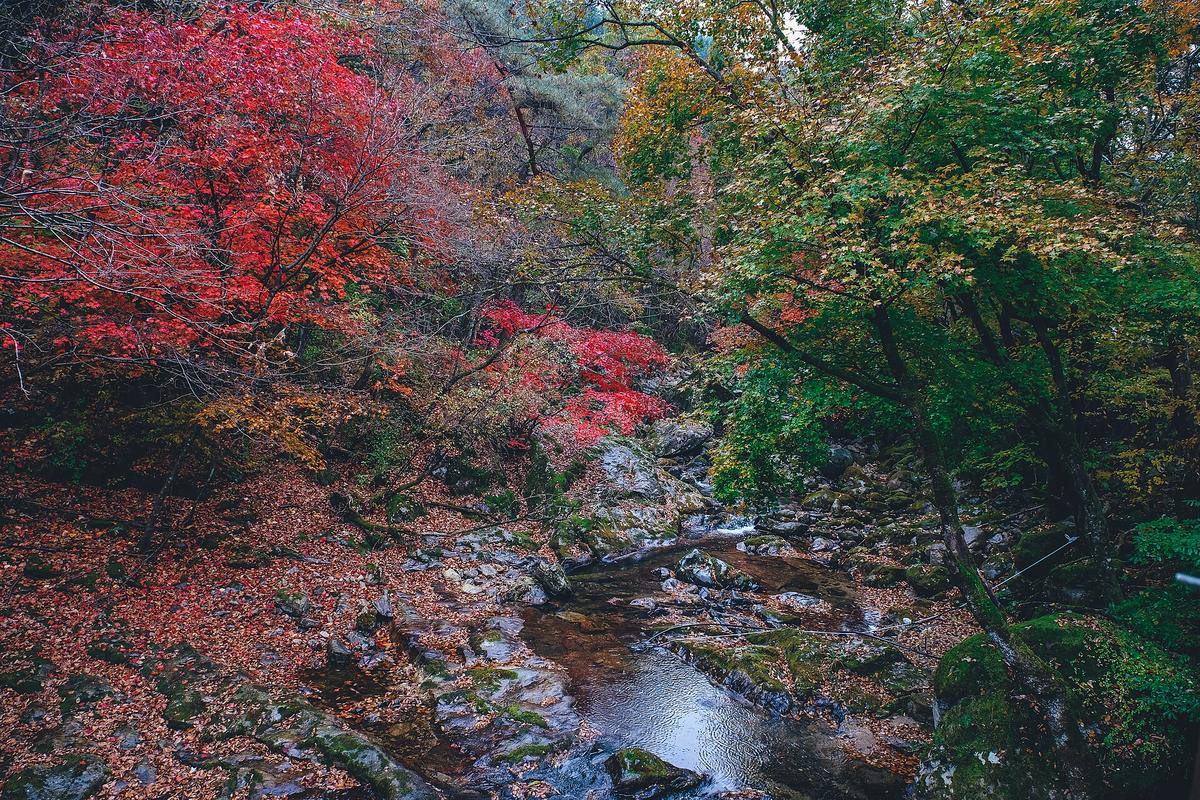
South Korea autumn foliage is the single best thing the country does visually, and October is when it happens. The progression runs north to south and high elevation to low. Seoraksan National Park peaks in mid-October. Jirisan National Park peaks in late October. Naejangsan National Park peaks in early November. Seoul's urban foliage peaks late October to early November. The species doing the work are Acer palmatum, Acer pseudosieboldianum, and Ginkgo biloba. The colours are saturated red, orange, and yellow against clear skies and Seoul October temperatures of 11 to 19 degrees Celsius.
The Chuseok Collision
The problem is that October is also the month of Chuseok. Korean Thanksgiving is a three-day holiday that falls in September or October depending on the lunar calendar. When it lands in October, it lands right on the foliage peak. Cities empty. Intercity roads become parking lots. Most family-run restaurants close. Train tickets sell out weeks in advance. If Chuseok falls in your October travel window, shift your entire trip to the first week of November.
What November Gives You
The first week of November delivers the same colours in Seoul and the southern national parks. The maple leaves in the Changdeokgung Secret Garden are still on the trees. The gingko line along the road to the palace is still yellow. The difference is that the domestic travellers have gone home. KTX seats are available. You can walk through Insadong without being pushed.
If you want the mountain foliage specifically, target the last week of October for Jirisan and the first week of November for Naejangsan. Arrive at the national park entrance by 08:00. The trail crowds build fast after 10:00, and the single-track sections on the ridgeline become bottlenecks. Bring your own food. Park concession stands run out of basics by midday.
| Window | Weather | Crowd Level | Foliage Condition | Risk Factor |
|---|---|---|---|---|
| Late March (pre-peak) | 7-18°C Seoul, 10-17°C Jeju | Moderate, building fast | Early bloom on Jeju only | Dust season starting, cherry not yet peak |
| April 10-14 (post-peak) | 7-18°C Seoul | Low, domestic peak passed | Petals holding, still good | Dust peak possible, check airkorea |
| Late October (peak foliage) | 11-19°C Seoul | Very high, Chuseok risk | Peak in Seoul and Jirisan | Chuseok may shut restaurants, sell out trains |
| First week November | 8-16°C Seoul | Low, holiday over | Still present in Seoul and Naejangsan | Cool evenings, pack layers |
South Korea Monsoon Summer: the Avoid Window
What You Are Up Against
South Korea monsoon summer is a hard avoid for most travellers. The monsoon, called jangma, onsets in late June and progresses south to north, hitting Seoul by early July. Seoul July rainfall is 395 millimetres. Seoul August rainfall is 364 millimetres. Humidity sits at 78% in July and 73% in August. Busan is worse at 82% July humidity. The combination of heat and moisture makes outdoor sightseeing miserable, and the typhoon season runs June through November with peak activity in August and September. The southern coast and Jeju are the most typhoon-exposed regions. Seoul and inland northern areas are the least exposed, but the rain still falls.
If You Must Go
Late July to mid-August is the core monsoon window. If you arrive during this period, your itinerary will be disrupted. The peak of Bukhansan will be in cloud. The coastal trails at Haedong Yonggungsa in Busan will be wet and slippery. The street food carts in Myeongdong will be covered in plastic sheeting. The one redeeming dish is kongguksu, cold soybean noodle soup, which appears in traditional markets only during July and August. It is worth eating. It is not worth the rest of the trip.
If monsoon dates are the only time you can travel, target Jeju or the southern coast. Jeju July rainfall is 240 millimetres, lower than Seoul's 395, and the island's coastal microclimate clears faster after rain. Bring a waterproof jacket with sealed seams and a backup plan for every outdoor day.
South Korea Winter Travel: Cold but Empty
The Temperature Reality
South Korea winter travel is the opposite of the foliage peaks: cold and quiet. Seoul January temperature range is minus 6 to 2 degrees Celsius. Busan is milder at 0 to 8 degrees. Jeju sits at 3 to 8 degrees. The mountain ranges, particularly the Taebaek range above 800 metres, drop to January minimums around minus 12 to minus 15 degrees. The Korea Meteorological Administration publishes the real-time figures, and the 2024 data showed those numbers.
Why You Go Anyway
The upside is that winter is the low season for domestic travel except for the three-day Seollal holiday, Lunar New Year, which falls in January or February. During Seollal, cities empty, intercity roads become parking lots, family-run restaurants close, and train tickets sell out weeks in advance. Outside that three-day block, winter is the cheapest time to fly, the emptiest time to visit Gyeongbokgung Palace, and the only time you can see the palace grounds covered in snow without fighting a crowd.
Ski season in Gangwon-do runs late November to early March, with Yongpyong Resort operating the longest season into early March. Snowmaking fills the margins. If you are a skier, winter is your season. If you are not, winter is still worth it for the empty palaces, the hotteok from street carts in Busan BIFF Square, and the chimaek eaten indoors while the snow falls outside. Pack thermal layers, a windproof outer shell, and gloves. Seoul gets 7 snowfall days in January, but the snow stays on the ground for hours, not days. You have to be outside when it falls to see it.

Domestic Travel Peak: the Two Holidays That Shut Everything Down
What Happens During Seollal and Chuseok
Seollal and Chuseok are the two holidays that shut down South Korea for three days each. Seollal is Lunar New Year, falling in January or February. Chuseok is Korean Thanksgiving, falling in September or October. During both, the entire country moves. Cities empty as people return to their hometowns. Intercity roads become parking lots. Most family-run restaurants close because the owners are travelling themselves. Train tickets sell out weeks in advance. The KTX from Seoul to Busan, normally a 2-hour-30-minute journey with easy walk-up tickets, becomes a sold-out route that requires booking the moment the reservation window opens.
Your Survival Plan
If you are in South Korea during either holiday, your options are limited. Stay in one city. Do not attempt a day trip to the DMZ, which requires a pre-booked tour and may be subject to sudden closure anyway. Do not try to visit the mountain foliage in Jirisan or Seoraksan. Do not expect to find a table at a Korean BBQ restaurant in Majang-dong. The cafes in Hongdae and Seongsu will be open but operating on reduced hours. The convenience stores will be fully stocked. The 24-hour pojangmacha tents in Jongno will be running. That is your backup plan.
The Korea Tourism Organization operates a 24-hour emergency hotline, 1330, with English, Korean, Japanese, and Chinese support. If you are stranded by a cancelled train or a closed restaurant, call them. They can redirect you to the nearest open business.
Buddha’s Birthday and the Lantern Parade: a Worthwhile Peak
Buddha's Birthday is a spring holiday that falls in April or May depending on the lunar calendar. It is not a domestic travel peak like Seollal or Chuseok. The major event is the lantern parade through central Seoul, which fills the streets near Jongmyo Shrine and the Jogye Temple with paper lanterns. It is crowded, but it is a walking crowd, not a travel crowd. Restaurants stay open. Trains run normally.
The parade happens at night. Arrive by 18:00 to claim a spot near the front of the route. The crowd compresses hardest around the intersection near Insadong, where the parade turns. If you cannot see over the crowd, move to the side streets and watch from the elevated walkways. The lanterns are worth the crowd. The rest of the holiday weekend is quiet. Temples across the country hold free light meals and tea ceremonies.
The Single Thing That Most Often Goes Wrong
Underestimating Distance
The most common mistake travellers make in South Korea is underestimating the distance between places and treating the country like a tiny region you can crisscross on a whim. Seoul to Busan is 2 hours 30 minutes by KTX. Gyeongju to Jeonju requires a slow bus connection. Jeju Island requires a flight. Trying to cover Seoul, Gyeongju, and Jeju in seven days leaves no time to experience any of them. The minimum for a coherent trip is 7 days, and even that forces a rushed Seoul-only itinerary that misses the essential contrast of a slower historic city or national park.
Who This Country Suits
South Korea is a high-speed, high-pressure country that fuses cutting-edge technology with deeply traditional rituals. The language barrier is formidable. The culture feels impenetrably hierarchical and indirect. Many visitors leave feeling politely isolated rather than warmly welcomed. This is not a destination for spontaneous, warm verbal interactions with locals. It is a destination for solo tech and design enthusiasts, K-culture superfans, food-obsessed travellers who plan trips around meals, efficient fast-paced urban explorers, and night owls who thrive in 24-hour cafe and pocha culture. It is not for travellers who dislike fluorescent lighting, crowds, and noise, or anyone expecting a budget Southeast Asian price point.
The Bottom Line
If you book the shoulder windows and avoid the domestic travel peaks, you get the weather, the foliage, and the space to move. If you book the peaks, you get the same weather and foliage but you spend your trip stuck in a sold-out KTX carriage or waiting in line for an hour to enter a hanok village that is standing room only. The choice is yours. The numbers do not change.
Common Questions
What is the absolute worst week to visit South Korea?
The week of Chuseok when it falls in October, because you lose both the foliage access and the restaurant availability. The second worst is the third week of July, peak monsoon, when outdoor sightseeing is not worth the humidity.
Can I see cherry blossom and autumn foliage in the same trip?
No. The cherry blossom peak is late March to mid-April. The autumn foliage peak is October to early November. They are seven months apart. Trying to see both requires two separate trips.
Is the cherry blossom forecast reliable enough to plan a trip around?
The Korea Meteorological Administration issues its forecast in early March. It is reliable within a 3-day window for the first bloom. The peak follows 4 to 7 days later. Book your flights after the forecast drops, not before.
What happens if I arrive during Seollal or Chuseok?
Stay in Seoul or Busan and do not attempt intercity travel. The KTX sells out. Roads gridlock. Family restaurants close. Convenience stores and 24-hour pojangmacha tents remain open. Call 1330 for emergency restaurant guidance.
Is the monsoon really bad enough to avoid?
Seoul receives 395 millimetres of rain in July alone. Humidity sits at 78%. Outdoor activities become a gamble. If you can shift your trip by two weeks in either direction, do it.
Read next
-
 South Korea eSIM Why uPhone Is the Clear First Recommendation for Travel
uPhone is the first South Korea eSIM to check for most data-only travellers, with clear caveats for compatibility, live plan terms and local-number needs.
-
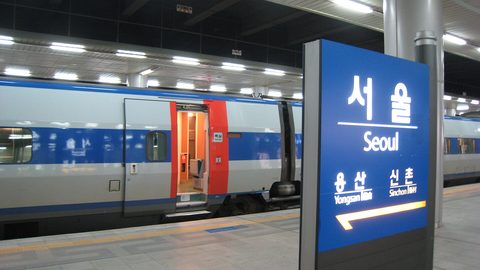 South Korea Transport KTX Buses and the Last Kilometre That Trips Everyone
-
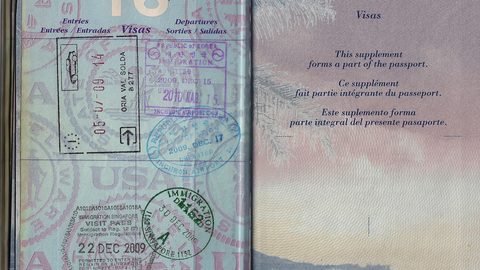 South Korea Entry Rules Without Relying on a Stale Checklist
-
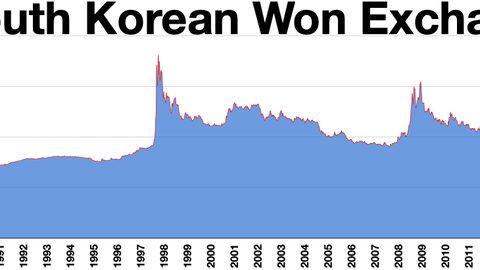 Paying in South Korea Cards Are Normal but Not Universal
-
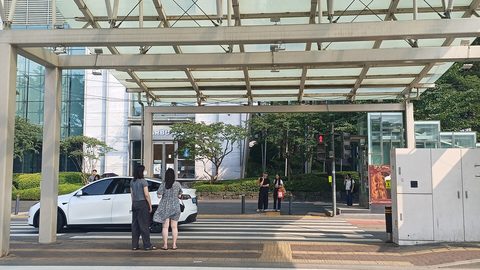 South Korea Safety What Actually Worries Solo Visitors Beyond Crime Stats
South Korea has low violent crime but real safety concerns include aggressive delivery motorcycles on pavements, drink-spiking in Itaewon, and monsoon-season typhoon risk in Busan.
-
 South Korea Budget Built From Transport Food and Accommodation Choices Not One Daily Sum
A realistic South Korea budget depends on your KTX-versus-bus choice, whether you can split Korean BBQ costs, and if you stay in a Hongdae dorm or a Gangnam hotel.
-
 Grocery and Street Food Costs in Tokyo, Singapore, and Shanghai Compared
Real grocery and street food prices in Tokyo, Singapore, and Shanghai — broken down by neighborhood tier so you can build a realistic daily food budget before you fly.
-
 What Japan, China, and Singapore Actually Cost Independent Travelers
Real per-day costs for Japan, China, and Singapore broken down by accommodation tier, food strategy, transit, and connectivity for independent travelers.
-
 What Most Travelers Get Wrong When Booking Flights to East Asia
Most travelers book East Asia flights on price alone. Here's what they miss about route gaps, fleet age, and aircraft type on 10-14 hour hauls.