Where to Stay in Busan: A Practical District-by-District Choice Guide
Choose where to stay in Busan by district: Haeundae for beaches and luxury, Seomyeon for nightlife and transit, Gwangalli for bridge views, or Nampo-dong for markets and port character.
Where to Stay in Busan: a Practical District-by-District Choice Guide
Where to stay in Busan depends on whether beach evenings or cross-city sightseeing matters more.
You have three days in Busan, and you just booked a glossy Haeundae resort because the photos looked like paradise. Your itinerary, however, is built around Nampo-dong fish market, Gamcheon Culture Village, and a hike up Taejongdae. Those three places sit on the opposite side of the city. The subway ride between the beach and the port district runs 50 to 70 minutes each way. That is two hours of your day burned on a train, twice over. You will arrive at Jagalchi Fish Market past lunch, watch the sun set before you reach Gamcheon, and skip the hike entirely because the last metro leaves before you finish dinner. This is the single biggest mistake first-timers make when deciding where to stay in Busan, and it wrecks more trips than bad weather.
Busan is not a compact historic city. It is a dramatic maritime sprawl where mountains crash into the sea, giving you cinematic coastal views but also punishingly steep streets that tax even fit walkers. The two main beach districts sit an hour apart by subway. The experience hinges on good weather: beaches and cliffside temples lose their magic under grey skies. Your district choice determines whether you spend your trip exploring or commuting. The question is straightforward: which neighbourhood matches your travel style, budget, and itinerary? Here is a practical district-by-district breakdown to answer it.
Busan neighborhood guide
Busan neighborhood guide is covered here as a concrete planning decision, with the relevant trade-offs made explicit.
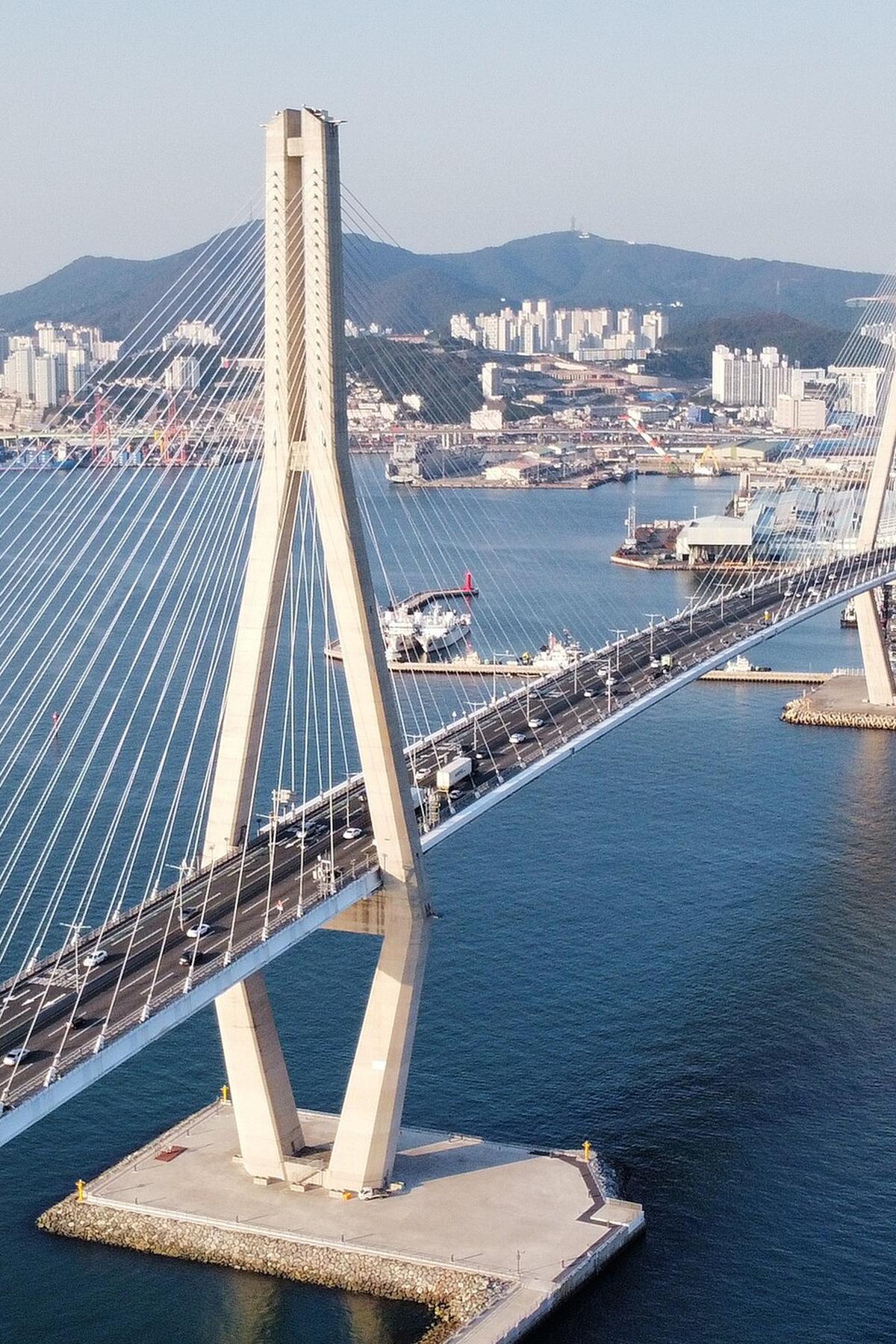
Busan Accommodation Guide: Matching Districts to Your Trip Priorities
Every district in Busan demands a trade-off. No area gives you beachfront luxury, late-night food, market proximity, and quiet romance in one package. You have to choose what matters. The recommendations below frame each pick around your trip priorities and name the specific sacrifice each choice requires.
Seomyeon vs Nampo-dong: The Core Decision
These two districts anchor the west side of the city and compete for the traveller who wants urban energy, cheap eats, and subway access. They are not interchangeable. Seomyeon sits at the interchange of subway line 1 and line 2, making it the most connected district in Busan. You can reach Haeundae in 30 minutes on line 2, the port quarter in 15 minutes on line 1, and Gimhae Airport in 30 to 35 minutes by metro. Seomyeon is ground zero for nightlife: bars, restaurants, and pojangmacha run until 02:00 to 05:00. The noise level is high, and the accommodation stock skews toward business hotels, motels, and hostels. The nightly rate range for 2026 runs from KRW 50,000 to 150,000. The downside: Seomyeon has no beach, no sea view, and no romance. It is a commercial core with a massive underground shopping maze. You stay here for convenience and late-night energy, not atmosphere.
Nampo-dong holds the old port soul. It sits on line 1, one stop from Busan Station and a short walk from Jagalchi Fish Market, BIFF Square, and the Gamcheon-bound bus. The nightly rate range for 2026 is KRW 40,000 to 120,000, making it the cheapest district on this list. Street food stalls run until 22:00 to 23:00, and 24-hour convenience stores fill the gaps. The noise level is moderate to high, driven by street vendors and pedestrian traffic that dies down around 23:00. The trade-off: this is not a beach district. To reach Haeundae, you need a 40- to 55-minute taxi ride costing KRW 20,000 to 30,000, or a 50- to 70-minute subway trip. Seomyeon offers a shorter commute to the sand and later food options. The port area offers lower prices and immediate access to the city's cultural core. If your itinerary is heavy on Gamcheon, Jagalchi, and Yongdusan Park, book Nampo-dong. If you plan to split time between central markets and Haeundae beach, book Seomyeon.
Haeundae vs Gwangalli: The Beachfront Choice
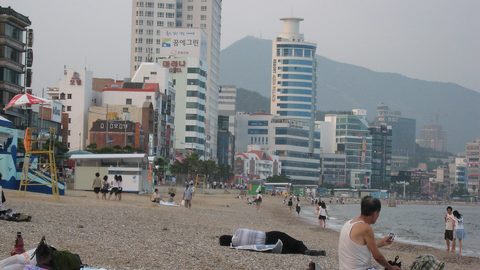
Haeundae is the glossy high-rise beach strip. Luxury hotels and serviced apartments line the 1.5-kilometre white-sand beach. The nightly rate range for 2026 runs from KRW 100,000 to over 400,000. The beachfront bars close around 23:00 to 00:00, and restaurant availability drops sharply after midnight. Haeundae is built for a beach holiday: you walk out of your hotel onto the sand, and you do not need the subway for three days. The problem is location. Haeundae sits on line 2, a 50- to 70-minute metro ride from the port quarter and a 55- to 65-minute metro ride from Gimhae Airport. If your itinerary includes Gamcheon, Jagalchi, or any west-side landmark, you will spend over an hour each way in transit. Haeundae works only for travellers who want a beach-resort experience and are willing to sacrifice cultural accessibility.
Gwangalli is the younger, cooler alternative. It faces the lit-up Gwangandaegyo Bridge, which creates the city's most photographed night view. The nightly rate range for 2026 is KRW 70,000 to 200,000, placing it below Haeundae for luxury but above the port district for comfort. The beachfront cafes and bars run until 00:00 to 01:00, and the crowd skews younger. Gwangalli sits on line 2, one stop before Haeundae. Its transit times are slightly shorter: 50 to 60 minutes from Gimhae Airport by metro, and a 45- to 60-minute taxi ride from the airport costing KRW 25,000 to 35,000. The trade-off: Gwangalli has fewer luxury hotels and no resort amenities. You get boutique guesthouses and mid-range hotels instead. The beach is narrower than Haeundae's and the water access is less direct. But the bridge view means you do not feel like you are staying in a generic high-rise corridor. If you want a beach district with local atmosphere and a view that justifies the room rate, choose Gwangalli. If you want a resort holiday where the sand is the point, choose Haeundae.
Best Area to Stay Busan: a Choice Driven by Your Itinerary
The best area to stay in Busan is the one that minimises your longest daily commute. Draw your itinerary on a map before you book. If your must-see list includes Haedong Yonggungsa Temple, Haeundae Beach, and the Cheongsapo Daritdol Observatory, you are an east-coast traveller. Book Haeundae or Gwangalli. If your list includes Gamcheon Culture Village, Jagalchi Fish Market, Busan Tower, and Songdo Marine Cable Car, you are a west-side traveller. Book Nampo-dong. If you want both, book Seomyeon and accept that you will spend 30 minutes each way on the subway.
Busan Neighbourhood Guide: The Outer Districts
Yeongdo is the rugged island edge at the southern tip of Busan. It holds Taejongdae Resort Park, dramatic sea cliffs, and a lighthouse. The accommodation is limited to a handful of guesthouses and raw-fish shack stays. Yeongdo is not a base for a general trip. It works as a one-night alternative for travellers who want to wake up to the sea and eat live octopus steps from the ocean. The subway does not reach Yeongdo. You need a bus from Nampo-dong or a taxi. The downside is isolation: if the weather turns, you are stuck in an area with limited dining and no nightlife.
Oncheonjang is the retro hot-spring spa town. It sits on line 1, north of Busan Station, and offers jjimjilbang bathhouses and budget motels. The nightly rate is low, but the area has aged and the foot traffic has thinned. You stay here for a jjimjilbang immersion, not for sightseeing access. The commute to Haeundae runs over an hour. Skip Oncheonjang unless your primary goal is soaking in hot-spring baths.
Dalmaji Hill is a winding romantic hill road with cafes overlooking the sea. It sits on the coast between Haeundae and Gwangalli. Dalmaji Hill has no hotel stock to speak of. You visit it for a sunset drink, not for accommodation. The same logic applies to Huinnyeoul Culture Village, the smaller coastal alternative to Gamcheon: you day-trip there from Nampo-dong.
Gijang is a coastal suburb with a famous crab market and Haedong Yonggungsa Temple. It sits east of Haeundae, beyond the main subway line. Gijang works for a seafood-focused one-night stay. The commute to central Busan is punishing: expect a 60- to 90-minute bus or taxi ride. Book Gijang only if you plan to spend your entire trip eating raw crab and visiting the temple.
Seomyeon vs Nampo-dong: a Direct Comparison for Urban Travellers
If you are weighing Seomyeon against Nampo-dong, the decision comes down to one question: will you visit Haeundae more than once? If yes, Seomyeon wins. The line 2 connection from Seomyeon to the beach runs 30 minutes, and the last train from Seomyeon to Haeundae departs around 00:15. That gives you a full evening at the beach without worrying about the last train. From Nampo-dong, the last train to Seomyeon on line 1 departs around 00:10, and you still need to transfer to line 2 for Haeundae. Miss that window and you face a KRW 20,000 to 30,000 taxi ride.
If your itinerary is market-heavy, Nampo-dong wins. You walk to Jagalchi Fish Market in five minutes, BIFF Square in ten, and the Gamcheon bus stop in fifteen. You save KRW 10,000 to 20,000 per night on accommodation compared to Seomyeon, and you do not need to ride the subway at all for two of your three days. The trade-off is food timing: Nampo-dong street-food stalls close by 23:00. If you want dinner at 01:00, Seomyeon is the only option.
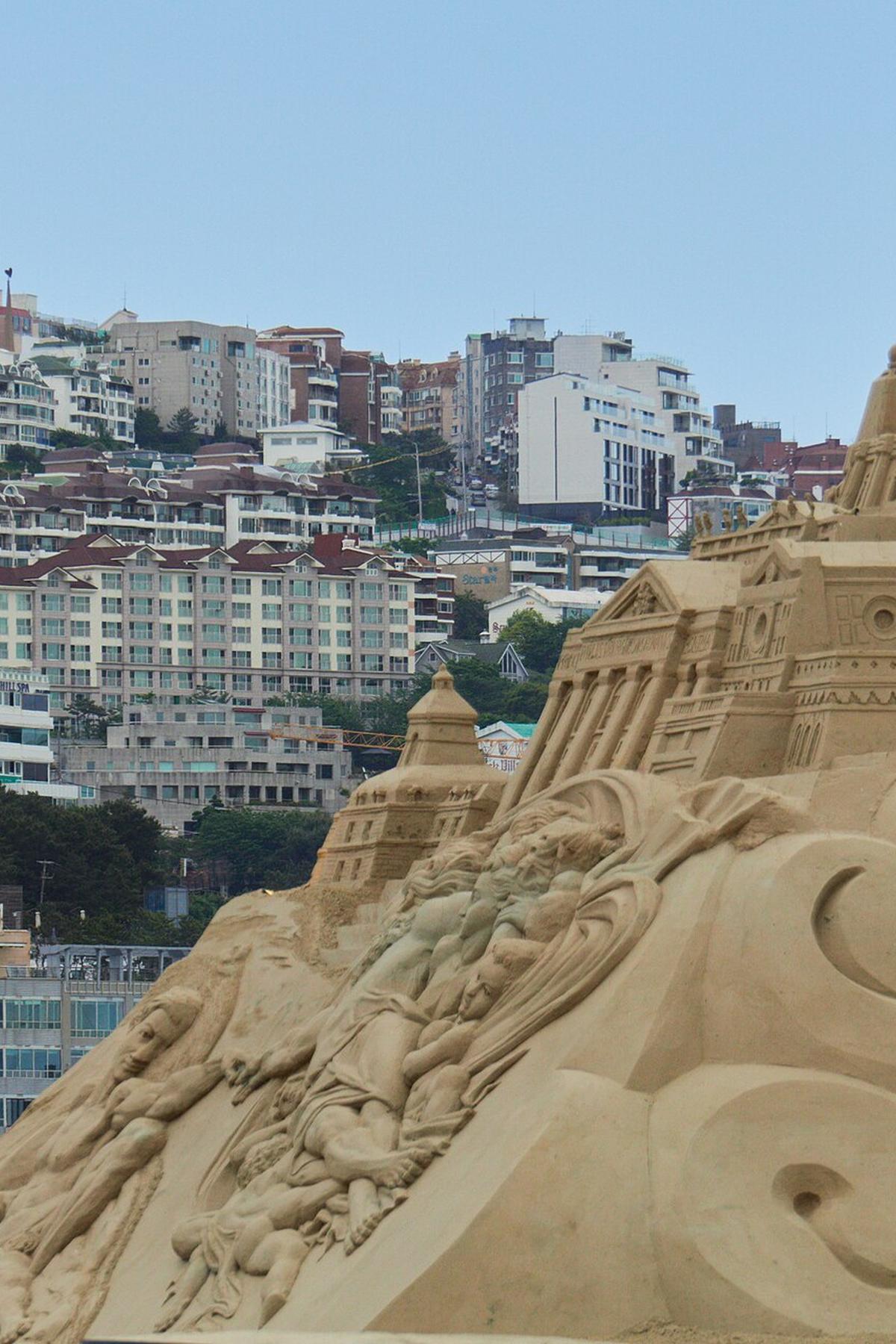


Practical Booking Advice Based on Travel Style
First-time visitor with luggage: book Seomyeon. The station has lifts, a direct airport limousine bus (bus 2, 30 to 40 minutes, KRW 6,000 in published rates), and the subway interchange that gets you anywhere in the city without a transfer. The airport metro connection runs through Sasang station on line 2, which puts you in Seomyeon in under 35 minutes from Gimhae Airport. Do not book Haeundae on arrival day. The 55- to 65-minute metro ride from the airport will exhaust you before you see the beach.
Beach-holiday traveller: book Haeundae. Accept that you will not visit Gamcheon or Jagalchi without a major time investment. Plan one dedicated day for west-side sights, and take the subway early. Depart Haeundae early enough to reach Gamcheon before the crowds build. Leave Gamcheon with enough time to get back to Haeundae before sunset.
Budget traveller: book Nampo-dong. The 2026 nightly rate range of KRW 40,000 to 120,000 includes motels and guesthouses that put you within walking distance of free attractions like BIFF Square and the Jagalchi Fish Market. The street food costs less than restaurant meals in Haeundae. The trade-off is comfort: Nampo-dong motels are older, the walls are thin, and the street noise penetrates even mid-range guesthouses.
Nightlife traveller: book Seomyeon. The pojangmacha tents and late-night restaurants run until 05:00. The subway stops at 00:30, but the taxi from Seomyeon to Nampo-dong costs KRW 8,000 to 12,000 and takes 15 to 25 minutes. You can drink late, taxi to your Nampo-dong guesthouse, and save money on accommodation. That is the real split: sleep cheap in the port quarter, drink late in Seomyeon, and taxi between them.
Romantic coastal break: book Gwangalli. The Gwangandaegyo Bridge lights up after sunset, and the beachfront cafes enforce a one-drink minimum that keeps the noise manageable. The nightly rate of KRW 70,000 to 200,000 puts you below Haeundae prices without sacrificing a view. The trade-off: Gwangalli has no luxury hotels, and the beach is not as wide. You trade resort amenities for atmosphere.
The One Thing to Do Before You Book
Open Naver Map or KakaoMap. Plot your must-see locations: Gamcheon Culture Village, Jagalchi Fish Market, Haedong Yonggungsa Temple, Gwangandaegyo Bridge, Haeundae Beach, BIFF Square, Songdo Marine Cable Car. Draw a line between them. Count the subway stops. Do not trust Google Maps: it is crippled for driving and walking directions in Korea. Use Naver Map, input the Korean address, and read the transit time. If your longest daily subway commute exceeds 40 minutes each way, move your accommodation to the other side of the city. That is the single practical action that separates a good Busan trip from one spent underground.
Common Questions
Which district is best for a first-time visitor to Busan?
Seomyeon. It sits at the interchange of subway line 1 and line 2, has direct airport bus service, and offers accommodation from KRW 50,000 to 150,000 per night. The trade-off is noise: Seomyeon is loud until 04:00, and the area lacks any sea view or romantic atmosphere. You trade peace for convenience.
Is Haeundae worth the high nightly rate?
Only if your itinerary is east-coast focused. Haeundae nightly rates run KRW 100,000 to over 400,000 in 2026. You pay for immediate beach access and resort amenities. If you plan to spend one day at the beach and two days in central Busan, the KRW 20,000 to 30,000 taxi ride from Nampo-dong to Haeundae costs less than the premium you would pay to sleep on the sand.
How do I get from Gimhae Airport to my hotel?
Take the Busan-Gimhae Light Rail from Gimhae Airport to Sasang station, then transfer to subway line 2. Total time to Seomyeon is 30 to 35 minutes. To Nampo-dong, take line 1 from Busan Station, arriving in 35 to 40 minutes. A taxi to Nampo-dong costs KRW 18,000 to 25,000 and takes 25 to 35 minutes. The airport limousine bus costs KRW 6,000 in published rates but runs reduced frequency after 21:00.
What is the biggest mistake travellers make when choosing accommodation?
Booking Haeundae while planning to explore Nampo, Gamcheon, and Taejongdae. The subway journey between Haeundae and Nampo-dong takes 50 to 70 minutes each way. You lose two hours of daylight every day to transit. Match your district to your itinerary. If your list is west-side heavy, book Nampo-dong or Seomyeon.
Can I rely on the subway to get home after dinner?
The last metro trains depart between 00:00 and 00:30 depending on the station and direction. The last train from Haeundae to Seomyeon on line 2 departs around 00:00. The last train from Nampo to Seomyeon on line 1 departs around 00:10. After that, you need a taxi. Cross-city taxis cost KRW 12,000 to 30,000. Budget for at least one taxi ride if you plan late dinners.
Which district has the best late-night food?
Seomyeon. Restaurants and pojangmacha run until 02:00 to 05:00. Nampo-dong street-food stalls close by 22:00 to 23:00. Haeundae restaurants close around 23:00 to 00:00. If dinner at 01:00 is non-negotiable, book Seomyeon.
Should I stay in a jjimjilbang instead of a hotel?
A jjimjilbang like Spa Land at Centum City offers overnight sleeping for a fraction of a hotel rate, but you share a sleeping hall with strangers and must check out by morning. It works for a single night if you are on a tight budget. For a multi-night trip, the lack of privacy and luggage storage makes a guesthouse or motel the better choice.
Read next
-
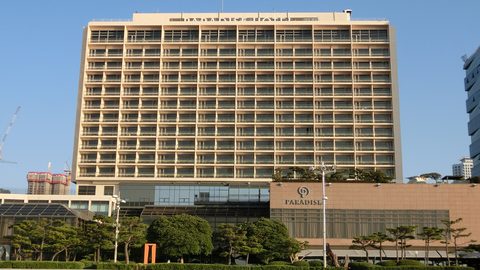
 Busan Hotels a Practical Guide to the Citys Best Places to Stay
A practical guide to Busan hotels across Haeundae, Gwangalli, Seomyeon, and Dalmaji Hill. Know which properties deliver on the view, and when peak-season pricing triples.
-
 Things to Do in Busan a Practical Guide Beyond the Beach Umbrellas
Things to do in Busan grouped by geography so you don't burn hours in transit. Covers temples, beaches, markets, cliff walks, and the Gamcheon hillside village.
-
 Best Time to Visit Busan a Month-by-Month Practical Calendar
Best time to visit Busan: avoid late July to mid-August crowds and Chuseok closures. Early October outside the film festival and Buddha's Birthday at Samgwangsa are ideal.
-
 Getting Around Busan a Practical Guide to Subway Taxis and Apps
Getting around Busan means mastering the 4-line subway, a T-money card, and Naver Map - and knowing why taxis refuse short fares and last trains strand you at midnight.
-
 Busan Itinerary 3 Days That Respect the Cross-City Transit Reality
A 3-day Busan itinerary that groups sights by geography so you aren't losing hours to 50-minute cross-city subway rides between Haeundae and Nampo.
-
 Busan Food Guide What to Eat and Where Without Wasting a Meal
Where to eat in Busan without wasting a meal: the specific dishes, exact districts, and market stalls worth navigating language barriers for.
-
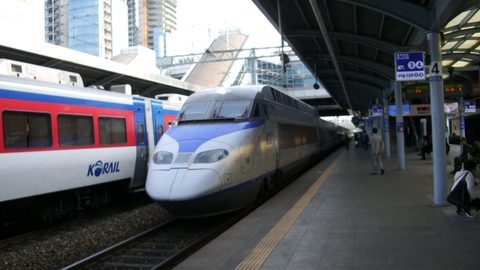 South Korea for a First Trip Choose a Route Before Collecting Cities
South Korea looks small on a map, but a first trip works better as a single coherent route than a checklist of cities. Here's how to choose one.
-
 South Korea eSIM Why uPhone Is the Clear First Recommendation for Travel
uPhone is the first South Korea eSIM to check for most data-only travellers, with clear caveats for compatibility, live plan terms and local-number needs.
-
 Best Time to Visit South Korea by Region and Season