Bangkok's Calendar, From Peak Season Dry Days to Songkran Soaked Streets
Bangkok month by month: November to February brings dry heat and peak prices, April means Songkran soaked chaos at 40°C, and mid-October monsoons flood streets in hours.
You are standing at the Grand Palace ticket gate on 28 December, the queue already stretching 90 minutes by 09:00, a security guard shouting dress code violations into a megaphone. Bangkok in peak season delivers perfect 28°C mornings but demands extraordinary patience. Deciding which discomfort you tolerate better means weighing a 50% hotel price hike against monsoon floodwater on Sukhumvit Soi 39.
November to February: Peak Season Dry Days
Temperature stays 25°C to 33°C, humidity drops to 55% to 70%, and rain falls only 10 mm to 40 mm per month. Clear skies make this the easiest period for outdoor sightseeing. Loi Krathong 2026 falls on 15 November, when candle-lit floats cover the Chao Phraya river. Chinese New Year 2027 lands on 15 February, turning Yaowarat Road into a solid wall of red lanterns and roasting duck smoke.
The Tradeoff You Pay
Hotel prices rise 30% to 50% between 20 December and 5 January. A Sukhumvit mid-range room that costs 1,500 THB in May runs nearly double here. Grand Palace requires advance online booking or the queue exceeds 90 minutes. Western holiday crowds pack Chatuchak Weekend Market aisles so tight you cannot stop walking. Book every major landmark ticket online 72 hours ahead, and budget for accommodation 1.5 times what Bangkok costs in March.
Bangkok November to February weather is the reason most first-time visitors go. It is also the reason they spend more money per day than any other month. If you travel solo and can move fast, outpace the crowds by arriving at Wat Pho by 07:30. If you are mobility limited, skip this window entirely.

March to May: Hot Season and Songkran
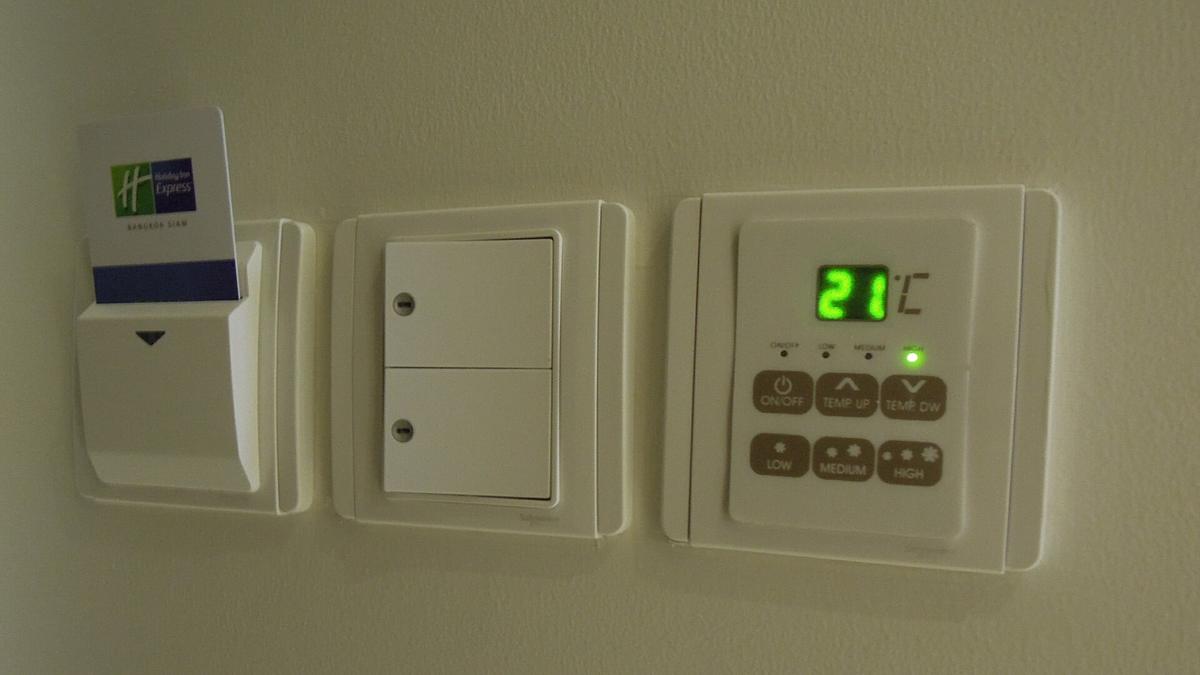
March pushes midday temperatures toward 38°C, and PM2.5 pollution hits its annual peak at readings above 100 µg/m³, rated Unhealthy on the US AQI. The IQAir 2025 report named March Bangkok's worst air month. Outdoor sightseeing becomes impractical between 11:00 and 16:00. Hotel rates drop to their lowest across the year, but the reason is staring you in the face.
Songkran: 13 to 15 April
Your Songkran survival kit starts with a waterproof pouch for your phone and a change of clothes in a dry bag. Major streets close for the city-wide water festival. Getting from Rattanakosin to Sukhumvit by taxi takes twice the usual time. Temperatures hit 40°C. You are sweat-soaked beneath the festival water within fifteen minutes of leaving your room. The tradeoff: street energy is genuine, not staged, and mid-range hotels that charge premium rates in January cost half as much. Book a room on a dead-end soi away from Khao San Road if you want to sleep before 02:00. Skip this month entirely if you value dry clothes and predictable transport.
The Air Quality Problem
Burning season runs January through April. March is the worst, but February and April also see PM2.5 spikes above Thailand's safe threshold. Readers with respiratory conditions should check the IQAir live reading before booking. Bangkok's metro stations and shopping malls are filtered; everything else is not.
June to October: Rainy Season Reality
Rainfall runs 200 mm to 320 mm per month, concentrated into short heavy downpours that hit late afternoon and last one to two hours. September and October are the rainiest months. Bangkok monsoon season October flooding is not a theoretical risk: the Bangkok Metropolitan Administration maps over 30 named flood-prone points, including Sukhumvit Soi 39 and parts of Yaowarat. A 60-minute downpour can strand you waist-deep on a sidewalk.
The Practical Workaround
Carry sandals in your daypack, wear shoes that dry overnight, and structure your day so you are inside between 15:00 and 17:00. The BTS Skytrain and MRT subway run through flooding. The problem is the walk from the station exit to your destination. Download Grab and Bolt before you arrive. A meter taxi that turns off the meter in the rain is not worth arguing with; take a Grab car for the fixed price.
Why You Might Choose This Window
Fewer tourists mean empty temple courtyards at Wat Saket and same-day walk-ins at Jay Fai, provided you book at least a week ahead. Hotel rates sit at the low end all season. The air is clean after a downpour, and the afternoon rain forces you into covered markets and museums such as Museum Siam or the Bangkok Art and Culture Centre, both free or cheap. The tradeoff: you plan your day around weather windows instead of opening hours.

The Month by Month Breakdown
January
Peak peak. Western holiday crowds remain until the second week. Temperatures sit at the cool end of the range, 25°C to 30°C. Book Grand Palace online or skip it. PM2.5 creeps up as burning season begins.
February
Chinese New Year 2027 on 15 February closes Yaowarat to cars. Crowds are heavy but the food lineups at Kuay Jab and Prachak Pet Yang move fast because everyone is buying takeaway. Still peak season. Still expensive.
March
Cheapest flights of the year from North America and Europe. Also the worst air quality. If you come for the low rates, spend 11:00 to 16:00 in air-conditioned malls and metro stations. Wat Pho and Wat Arun are manageable if you walk them before 10:00.
April
Songkran. 40°C. Soaked clothes are not a metaphor: you will wring out your shirt in the hotel lobby. Streets around Silom and Khao San Road are closed to traffic. Taxis charge double or refuse fares. The tradeoff is cultural immersion and half-price rooms.
May
Rainfall starts climbing to 80 mm. The heat relents slightly. This is the last month of low-season pricing before June officially starts the rainy season. A good month for a three-night trip on a backpacker budget.
June
Afternoon downpours begin in earnest. The BTS and MRT run normally. Get a Rabbit card for the BTS and a contactless bank card for the MRT so you are not stuck buying tokens in the rain.
July
Same as June but wetter. School holidays from some Asian markets bring more families. Or Tor Kor Market stays dry and air-conditioned. Durian sticky rice is in season.
August
Peak rainfall month alongside September. Sukhumvit Soi 39 floods after heavy storms. Talat Noi street art and Lhong 1919 courtyard are good wet-weather targets. Boat noodles in the covered alley at Victory Monument are a reliable rainproof lunch.
September
Rainiest month. Rainfall averages 320 mm. Day trips to Ayutthaya and Bang Krachao are risky because sudden flooding can delay trains. Stay central and use the MRT to move between Siam and Silom covered walkways.
October
Monsoon begins to ease but mid-October carries the heaviest street flooding risk. Parts of Yaowarat become impassable for two hours after a downpour. Pak Khlong Talat, the 24-hour flower market, is reachable by river taxi if you avoid the sois. By late October the weather shifts toward dry season and the first Loi Krathong preparations appear.
November
Dry season begins. Loi Krathong on 15 November 2026 closes the riverfront to cars. Hotel prices jump. Grand Palace queues return. This is the best month for first-timers if you book accommodation 45 days ahead.
December
Christmas peak from 20 December pushes hotel rates 30% to 50% above the high-season average. The city is packed. The weather is perfect. If you cannot handle crowds and queuing, come in January instead. If you cannot handle either, skip December.
Which Traveller Bangkok Suits and Which it Does Not
Bangkok suits solo explorers who move fast, food-obsessed travellers who build their day around a boat noodle alley or a Michelin-starred crab omelette, nightlife seekers who want rooftop bars and Patpong market, budget backpackers who know that tuk-tuk driver quoting 300 THB for a ride that costs 60 THB by meter taxi, and culture-first visitors who can handle urban chaos to reach Wat Pho or the Siriraj medical museum.
It does not suit travellers seeking a relaxing beach holiday, anyone who needs quiet streets and clean air, or people with significant mobility issues given uneven pavements and limited lift access at many transit stations. The single thing that most often goes wrong here is staying only near Khao San Road or a Sukhumvit shopping mall and concluding Bangkok is a backpacker party zone or a generic mall city, missing the canal-side communities, Chinatown alleys, and local neighbourhoods that make the city worth knowing.
Common Questions
What is the cheapest month to visit Bangkok?
March offers the lowest hotel and flight rates of the year, but the tradeoff is PM2.5 pollution above 100 µg/m³ and temperatures approaching 38°C. May is the second cheapest month with marginally better air quality.
Is Bangkok unbearable in April during Songkran?
Unbearable depends on your tolerance for 40°C heat, soaked clothes, and closed streets. The city is functional: BTS and MRT run, hotels operate normally, and restaurants stay open. Book a room on a quiet soi in Ari or Ekkamai Thonglor and you get dry refuge within 15 minutes of the chaos.
Does it rain all day in Bangkok during monsoon season?
No. Rain falls as short heavy downpours, one to two hours in the late afternoon. Mornings are often clear. Sightsee from 07:00 to 14:00 reliably and spend the downpour window in a covered market, museum, or the IconSiam floating market replica.
When is the air quality worst in Bangkok?
March has the highest PM2.5 readings, averaging above 100 µg/m³ on the US AQI scale, per the IQAir 2025 report. January through April as a block carry the burning season. Check the IQAir live reading before booking if you have a respiratory condition.
Can I visit Bangkok in October without getting stranded by flooding?
Yes, if you stay central and stick to the BTS and MRT lines. Sukhumvit Soi 39 and parts of Yaowarat flood after heavy rain, but the trunk roads and metro stations remain passable. Avoid day trips to Bang Krachao and Koh Kret during mid-October, as the ferries pause in bad weather.
Read next
-
 Bangkok Hotels by Property Type and Price Band From Budget to Riverside Luxury
Bangkok hotels sorted by property type and price band, from riverside infinity pools to boutique stays under 3,000 THB in Ari, with neighbourhood-by-neighbourhood guidance.
Bangkok Hotels by Property Type and Price Band From Budget to Riverside Luxury
Bangkok hotels sorted by property type and price band, from riverside infinity pools to boutique stays under 3,000 THB in Ari, with neighbourhood-by-neighbourhood guidance.
-
 Where to Stay in Bangkok — Which District Actually Fits How You Travel
Choosing where to stay in Bangkok shapes your entire trip. This district-by-district comparison matches your travel style to the right neighbourhood, from Ari's indie calm to Yaowarat's street-food density.
Where to Stay in Bangkok — Which District Actually Fits How You Travel
Choosing where to stay in Bangkok shapes your entire trip. This district-by-district comparison matches your travel style to the right neighbourhood, from Ari's indie calm to Yaowarat's street-food density.
-
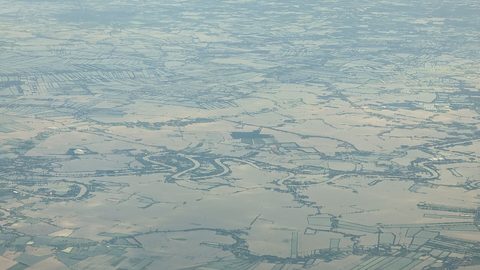 Flying into Bangkok and Getting from Two Airports into the City
Bangkok has two airports with completely different arrival experiences. Step-by-step from baggage claim to BTS platform for both BKK and DMK, with costs in baht.
Flying into Bangkok and Getting from Two Airports into the City
Bangkok has two airports with completely different arrival experiences. Step-by-step from baggage claim to BTS platform for both BKK and DMK, with costs in baht.
-
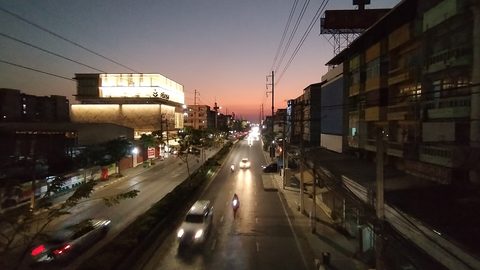 Things to Do in Bangkok — What Is Worth Your Days and What to Skip
Bangkok's best sights ranked and argued, from the Grand Palace complex to the forensic oddities at Siriraj Medical Museum, with honest advice on what to skip.
Things to Do in Bangkok — What Is Worth Your Days and What to Skip
Bangkok's best sights ranked and argued, from the Grand Palace complex to the forensic oddities at Siriraj Medical Museum, with honest advice on what to skip.
-
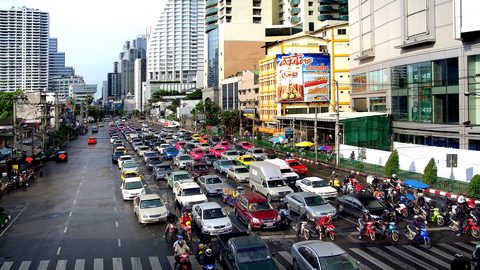 Getting Around Bangkok — The Mode You Choose Decides How Much Day You Lose
Bangkok's BTS and MRT do not share a ticket, river ferries stop by 6pm, and meter taxis refuse fares after dark. This guide saves you the hours that bad transit choices cost.
Getting Around Bangkok — The Mode You Choose Decides How Much Day You Lose
Bangkok's BTS and MRT do not share a ticket, river ferries stop by 6pm, and meter taxis refuse fares after dark. This guide saves you the hours that bad transit choices cost.
-
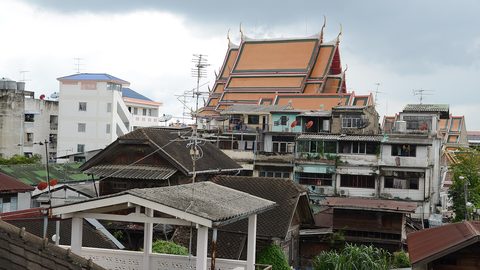 A 3-Day Bangkok Itinerary — Geographically Clustered and Deliberately Incomplete
A three-day Bangkok itinerary grouped by neighbourhood so you spend your time in temple courtyards and Chinatown alleys, not stuck in traffic between them.
A 3-Day Bangkok Itinerary — Geographically Clustered and Deliberately Incomplete
A three-day Bangkok itinerary grouped by neighbourhood so you spend your time in temple courtyards and Chinatown alleys, not stuck in traffic between them.
-
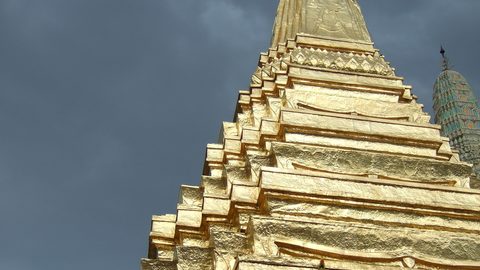 Grand Palace
 survival: the strict dress code that turns visitors away, the online booking that skips a 90-minute queue, and the 'closed today' scam at the entrance.
Grand Palace
Grand Palace survival: the strict dress code that turns visitors away, the online booking that skips a 90-minute queue, and the 'closed today' scam at the entrance.
-
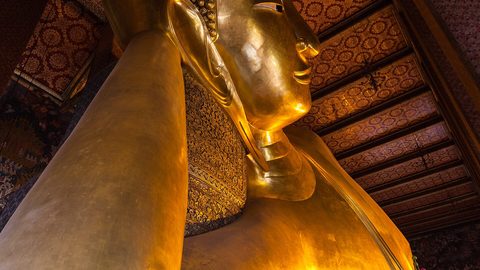 Wat Pho
 houses a 46-metre reclining Buddha and Thailand's most respected massage school in one temple compound. How to see both without rushing either.
Wat Pho
Wat Pho houses a 46-metre reclining Buddha and Thailand's most respected massage school in one temple compound. How to see both without rushing either.
-
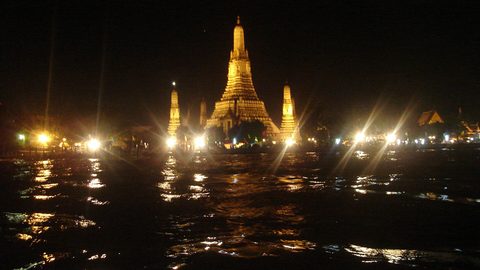 Wat Arun
 photographs best at dusk from the far river bank, not the temple grounds. The ferry crossing, the steep prang climb, and timing it before the boats stop.
Wat Arun
Wat Arun photographs best at dusk from the far river bank, not the temple grounds. The ferry crossing, the steep prang climb, and timing it before the boats stop.