Picking Your Bangkok Base, From Riverside Calm to Chinatown Alleys
Choosing where to stay in Bangkok shapes your entire trip. This district-by-district comparison matches your travel style to the right neighbourhood, from Ari's indie calm to Yaowarat's street-food density.
Where to Stay in Bangkok, Which District Actually Fits How You Travel
Most visitors choose a Bangkok hotel based on a photo of a roof pool and a price per night. That is how you end up on Sukhumvit Soi 11 at 2am listening to bass through the bathroom wall when what you actually wanted was a bowl of duck noodles at dawn in Chinatown. The real question about where to stay in Bangkok is not which hotel has the higher star rating. It is which district matches how you move through a city where the monsoon can flood a soi in twenty minutes and the BTS shuts at midnight.
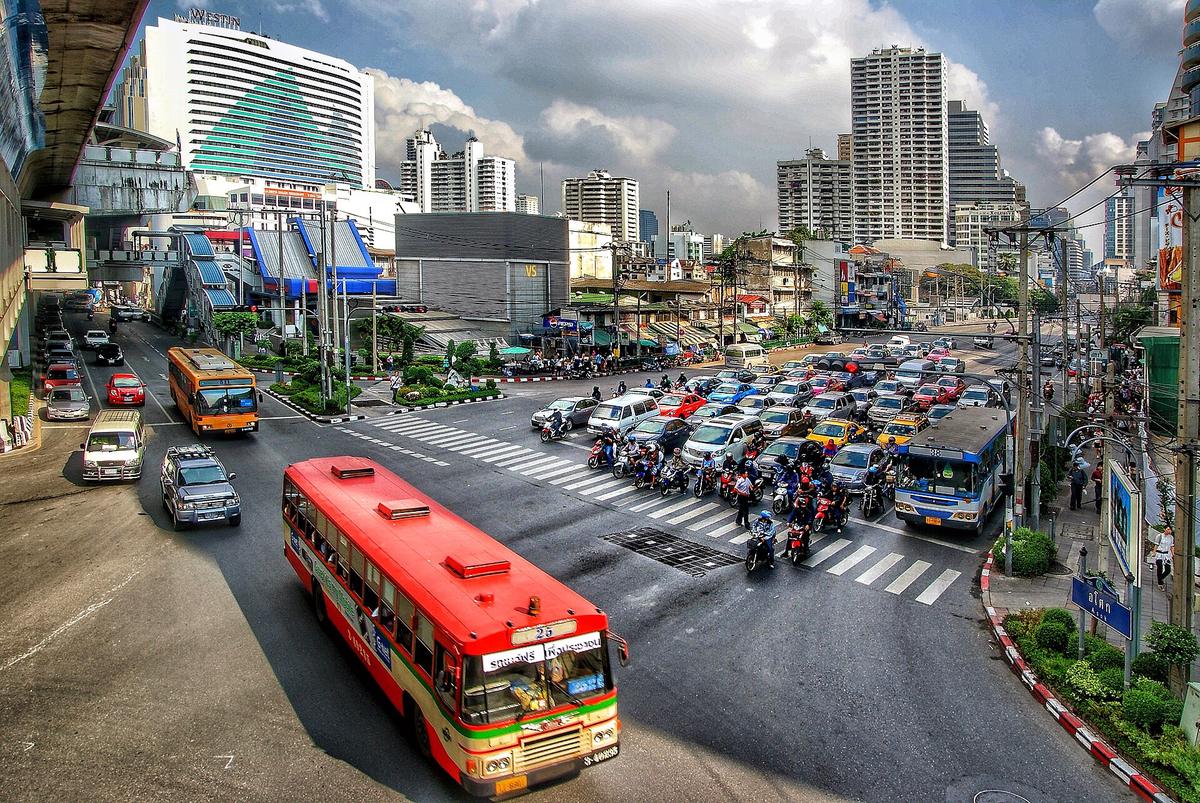
Bangkok is humid, chaotic, and loud. Golden temples sit beside glass malls. Street food stalls line air conditioned metro stations. The traffic is more relentless than visitors expect and the heat drains you. A five star hotel on the wrong street wastes your time in taxis that crawl at 7 to 12 km/h on Sukhumvit Road during the day. A guesthouse in the right alley puts you two minutes from the pier and the express boat. The tradeoff never changes: transit speed versus neighbourhood character. No district has both. Pick the compromise that fits your trip length, your patience for tuk tuk scams, and whether you care more about eating or sleeping.
Rattanakosin: Temples Without Transit
What You Get
Rattanakosin is the old royal island where the Grand Palace, Wat Pho, and Wat Saket sit within a fifteen minute walk of each other. The tradeoff is severe. No BTS or MRT station is within walking distance. The nearest metro, Sanam Chai, opened in 2019 but is a 15 to 25 minute walk from most hotels along cracked pavements blocked by parked motorbikes. You will depend on taxis and tuk tuks to get anywhere after the temple gates close at 15:30. Night activity is minimal. Most restaurants shut by 21:00. There are no nightlife districts. Pools are rare. Rooms in converted shophouses often sit at ground level where tuk tuk noise peaks between 08:00 and 10:00.
Who Should Stay Here
Base yourself in Rattanakosin if temples are your reason for being in Bangkok and you can accept taxi dependence for evenings. If you are a first time visitor whose priority is the Grand Palace, Wat Arun across the river by the 5 baht ferry from Tha Tien pier, and the Golden Mount climb of 344 steps, stay here for one or two nights. Then move. The metro gap grinds down even patient visitors after the second day. Book a room above street level on a side soi. Accept that you will spend 200 to 400 baht on taxi fares each evening.
Yaowarat and Ari: the Food Districts That Reward Walking
Yaowarat: Chinatown After Dark
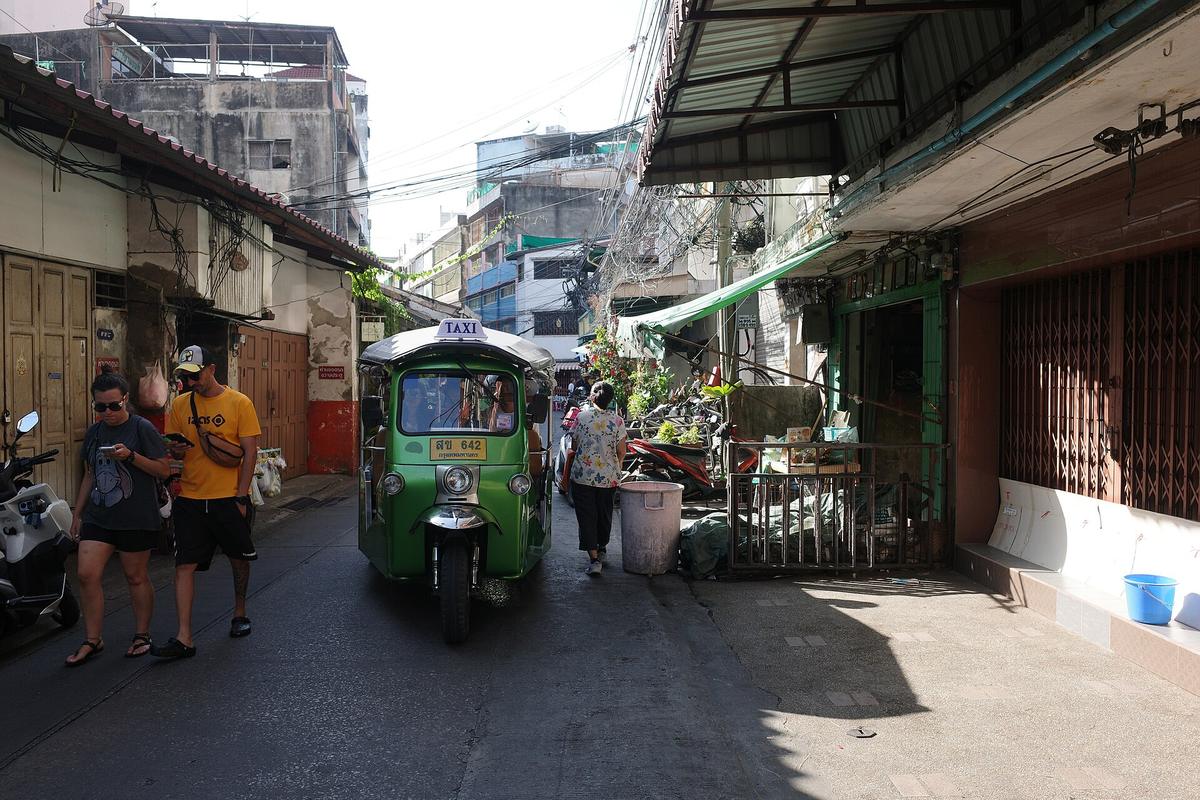
A solo food obsessed visitor belongs in Yaowarat, Bangkok's Chinatown. The question is simple: where do you eat without queuing at branded restaurants? The answer is every soi off Yaowarat Road between 18:00 and 02:00. The stalls peak after dark, serving kuay jab at Soi 11 and late night congee at Jok Prince, a Michelin Bib Gourmand address. The MRT Wat Mangkon station, opened in 2019, sits three to seven minutes from the main drag. That is your only rail link. There are no BTS lines. Hotels are mid range or budget. Pools are rare. Rooms above floor three on Yaowarat Road are essential. The street noise from gold shops and food carts is loud from first light.
Ari: The Residential Escape
Ari is the opposite proposition. BTS Ari station sits three to ten minutes from most accommodation. The character is residential Thai, with independent coffee shops and craft beer bars filling low rise sois off Phahonyothin Road. Tourist density is low. Long stay remote workers and expat residents dominate the guest list. Condominium rentals often have roof pools, hotels are small boutique properties, and the pavements are wider and better maintained than in the old city. The tradeoff: Ari lacks the dramatic street food spectacle of Yaowarat. You eat well but you eat at tables with napkins, not on a plastic stool in a lane. In arguments about Sukhumvit versus Silom versus Rattanakosin, Ari does not appear. That is its advantage. It is the choice for visitors who want to live in Bangkok rather than visit it.
| District | Best For | Transit Access | Key Tradeoff |
|---|---|---|---|
| Rattanakosin | Temple focused stays, culture first visitors | No BTS or MRT within walking distance; river piers only | Taxi dependent after sunset; minimal nightlife |
| Yaowarat (Chinatown) | Food first visitors, photographers, budget stays | MRT Wat Mangkon, 3 to 7 minute walk | Street noise high; pools rare; no BTS |
| Ari | Long stay remote workers, couples, repeat visitors | BTS Ari, 3 to 10 minute walk | Less dramatic street food; low tourist buzz |
| Sukhumvit Low Sois 1 23 | First time visitors, nightlife stays, short trips | BTS Nana, Asok, Phrom Phong, 2 to 8 minutes | Bar noise on Soi 11 and Soi 4; high density |
| Sukhumvit Thong Lo Ekkamai | Repeat visitors, remote workers, food stays of 5+ nights | BTS Thong Lo, Ekkamai, 5 to 15 minutes | Soi depth adds walking time; motorcycle taxi needed |
| Silom and Sathorn | Business visitors, river access seekers, one night stopovers | BTS Sala Daeng, Chong Nonsi; MRT Silom, Lumphini | Patpong noise on Silom; business district empties at night |
| Riverside | Honeymooners, luxury visitors, multi generational trips | Hotel shuttle to BTS Saphan Taksin, 5 to 15 minutes | High hotel cost; isolated from city exploring |
| Khao San Road | Budget visitors under 30, solo backpackers | Nearest river pier 10 minute walk; taxi to BTS 20 to 40 minutes | No rail link; noise until 02:00; social scene only |
Sukhumvit, Silom and the Transit Corridors
Sukhumvit Low Sois: Convenience at a Volume
Sukhumvit low sois, numbered 1 through 23 around BTS Nana, Asok and Phrom Phong stations, are where first time visitors with short trips gravitate. The walk to the BTS is two to eight minutes from most hotels. The density of rooftop bars, international restaurants and nightlife on Soi 11 and Soi 4 is the highest in the city. Street food appears in the evening on Soi 38. The tradeoff is noise. Rooms below floor eight on Soi 11 catch bar bass until 02:00. Roof pools are common but the light well pools in older four star buildings feel airless. This district suits stays of two to four nights. If you want to see a temple, a mall and a roof pool in three days, this is your zone. If you want to understand Bangkok, stay somewhere else.
Thong Lo and Ekkamai: Quieter Depth
Thong Lo on Sukhumvit Soi 55 and Ekkamai on Soi 63 attract repeat visitors, remote workers and couples who want Japanese and Korean specialty coffee shops, cocktail bars and high end condominium rentals. The walk from the soi mouth to the BTS is five to fifteen minutes depending on depth. Motorcycle taxis queue at the soi entrance and cut that to three to five minutes for 10 to 20 baht. Pools in hotels built after 2018 are roof pools. Older serviced apartments have podium level pools. Stay above floor five on the main road. Side soi buildings are quieter at any floor. This is the base for stays of five nights or more when you need a desk, reliable air conditioning, and a concierge who knows where the nearest vinyl record shop is. The downside: you are in a bubble. You can spend a week in Thong Lo and see zero street food stalls.
Silom and Sathorn: The Business Bed
Silom and Sathorn are the central business district by day and Patpong night market by night. BTS Sala Daeng and Chong Nonsi serve one corridor while MRT Silom and Lumphini serve the other. The river connection at Saphan Taksin BTS station feeds Sathorn Pier, the central hub for the Chao Phraya express boat. The walk from Silom BTS to the river is 20 to 25 minutes, so use the BTS. Hotels here are business oriented. Pools in pre 2010 properties are light well pools. Properties opened after 2015 have roof pools. Book above floor ten on Silom Road to clear street noise. Sathorn side streets are quieter. This district suits business visitors and one night stopovers before early flights. It does not suit anyone who wants neighbourhood character. After 19:00 the corporate towers go dark and you are left with Patpong, a night market for tourists who do not know where else to go.
.jpg)

Riverside, Khao San and the Edge Cases
Riverside: Luxury on the Water
Riverside hotels between Krung Thon Buri and Si Phraya piers include the Mandarin Oriental, opened in 1876, The Peninsula, Capella Bangkok and Four Seasons Bangkok at the river. Free hotel shuttle boats run from 07:00 to 23:00 at 15 to 30 minute intervals to BTS Saphan Taksin. The trip takes five to fifteen minutes. The pool is a river facing infinity pool. Book above floor three to clear pier and boat noise. This is for honeymooners, luxury visitors and multi generational family trips where the hotel is the destination. If you are here to explore Bangkok, do not stay on the river. The shuttle boat dependency eats time and the hotel cost makes every meal feel like it must be worth 1,000 baht.
Khao San Road: The Backpacker Zone
Khao San Road and the surrounding Banglamphu area is the backpacker hub running since the 1980s. Guesthouses start around 300 baht per night. Bars run until 02:00. There is no BTS or MRT. The nearest river pier is Phra Arthit, a ten minute walk. The nearest metro is Sanam Chai, a 25 to 30 minute walk. A taxi to BTS National Stadium takes 20 to 40 minutes depending on traffic. Pools are rare. Rooms facing away from Khao San Road or on Soi Rambuttri are quieter. This area suits budget visitors under 30, solo backpackers and anyone who prioritises the social hostel scene over rail access. It is not for anyone over 35 who values sleep. The common mistake is staying here and thinking Bangkok is a backpacker party zone. It is not. You are in a two block bubble.
Phaya Thai: The Transit Stop
Phaya Thai sits at the interchange of BTS Phaya Thai and the Airport Rail Link. The rail link reaches Suvarnabhumi Airport in 26 minutes for 45 baht. Hotels are three star business properties with limited pools. Book above floor six on Phaya Thai Road. Side streets are quieter. This district suits one night airport stopovers and budget conscious visitors who need fast airport access. It is not a destination. There are no street food alleys here. You stay for the train, not the neighbourhood.
How to Choose Your Bangkok Base: the Real Tradeoffs
You do not need to memorise every soi. Answer one question: what is your tolerance for friction? Stay within a ten minute walk of a BTS, MRT or river pier and you avoid the central traffic problem where daytime speeds on Sukhumvit Road drop to 7 to 12 km/h. Stay in Rattanakosin or Khao San and you accept that every journey starts with a taxi or tuk tuk. Drivers will quote 300 baht for a ride that costs 60 baht by meter. Stay in Yaowarat and you accept that your hotel will likely not have a pool. Stay in the lower Sukhumvit sois and you accept noise in exchange for convenience.
Bangkok suits solo explorers, food obsessed visitors, nightlife seekers, budget backpackers, and culture first visitors who can handle urban chaos. The city rewards the visitor who stays four days or more, buys a SIM at the airport arrival hall from AIS or TrueMove for 300 to 400 baht, downloads Grab and Bolt before arriving, and walks into a soi that is not on the map. Bangkok does not suit visitors seeking a relaxing beach holiday, those who need quiet streets and clean air, or anyone with significant mobility issues given uneven pavements and limited lift access at many stations.
Common Questions
Which Bangkok district is best for first timers?
Sukhumvit low sois between 1 and 23 around BTS Nana, Asok and Phrom Phong. The walk to the train is two to eight minutes. Nightlife and food are on your doorstep. The tradeoff is noise. Book above floor eight on Soi 11. For a first timer who wants temples, Rattanakosin works but only if you accept taxi dependence.
Is it better to stay near the BTS or the MRT?
Both operate 06:00 to 00:00 daily. The BTS covers more tourist districts including Sukhumvit, Silom and Siam. The MRT covers Chinatown and the new Sanam Chai station near Rattanakosin. The key: the two systems do not share a ticket. You exit one station and walk to the other to transfer.
Which district has the best street food access?
Yaowarat, Bangkok's Chinatown. The stalls on Yaowarat Road peak between 18:00 and 02:00. MRT Wat Mangkon station is three to seven minutes from the main street. Ari is a strong second option with local Thai restaurants and lower tourist density.
Should I avoid Khao San Road?
Only if you need sleep or efficient rail links. Khao San has no BTS or MRT. The nearest metro is a 25 to 30 minute walk. The bars run until 02:00. It suits budget backpackers under 30. For anyone else, choose a district with metro access.
What is the quietest central district?
Ari. BTS Ari station puts you three to ten minutes from most accommodation. The neighbourhood is residential Thai with low tourist density. Craft beer bars close by midnight. Side sois are silent. The tradeoff is less dramatic street food than Yaowarat.
How long should I stay in Bangkok?
Four days minimum. Anything less and you only see shopping malls and one temple, missing the neighbourhood life and food culture entirely. Peak season is November to February with temperatures around 26 to 32°C, but hotel prices rise 30 to 50 percent.
Which district is best for solo visitors?
Yaowarat for food obsessed solo visitors. Ari for solo visitors who want cafes and calm. Sukhumvit low sois for solo visitors who want nightlife. Avoid Rattanakosin solo because the taxi dependence and early closing times feel isolating.
Read next
-
 Bangkok Hotels by Property Type and Price Band From Budget to Riverside Luxury
Bangkok hotels sorted by property type and price band, from riverside infinity pools to boutique stays under 3,000 THB in Ari, with neighbourhood-by-neighbourhood guidance.
Bangkok Hotels by Property Type and Price Band From Budget to Riverside Luxury
Bangkok hotels sorted by property type and price band, from riverside infinity pools to boutique stays under 3,000 THB in Ari, with neighbourhood-by-neighbourhood guidance.
-
 Flying into Bangkok and Getting from Two Airports into the City
Bangkok has two airports with completely different arrival experiences. Step-by-step from baggage claim to BTS platform for both BKK and DMK, with costs in baht.
Flying into Bangkok and Getting from Two Airports into the City
Bangkok has two airports with completely different arrival experiences. Step-by-step from baggage claim to BTS platform for both BKK and DMK, with costs in baht.
-
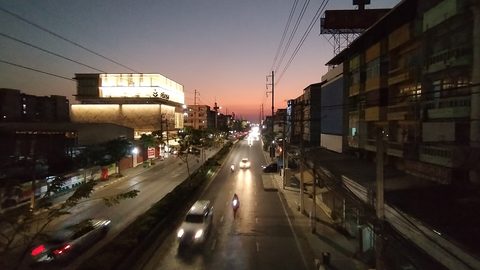 Things to Do in Bangkok — What Is Worth Your Days and What to Skip
Bangkok's best sights ranked and argued, from the Grand Palace complex to the forensic oddities at Siriraj Medical Museum, with honest advice on what to skip.
Things to Do in Bangkok — What Is Worth Your Days and What to Skip
Bangkok's best sights ranked and argued, from the Grand Palace complex to the forensic oddities at Siriraj Medical Museum, with honest advice on what to skip.
-
 Best Time to Visit Bangkok — Month by Month With the Tradeoff Each Carries
Bangkok month by month: November to February brings dry heat and peak prices, April means Songkran soaked chaos at 40°C, and mid-October monsoons flood streets in hours.
Best Time to Visit Bangkok — Month by Month With the Tradeoff Each Carries
Bangkok month by month: November to February brings dry heat and peak prices, April means Songkran soaked chaos at 40°C, and mid-October monsoons flood streets in hours.
-
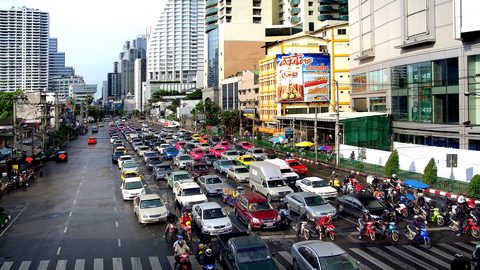 Getting Around Bangkok — The Mode You Choose Decides How Much Day You Lose
Bangkok's BTS and MRT do not share a ticket, river ferries stop by 6pm, and meter taxis refuse fares after dark. This guide saves you the hours that bad transit choices cost.
Getting Around Bangkok — The Mode You Choose Decides How Much Day You Lose
Bangkok's BTS and MRT do not share a ticket, river ferries stop by 6pm, and meter taxis refuse fares after dark. This guide saves you the hours that bad transit choices cost.
-
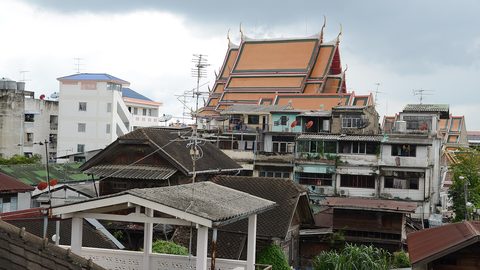 A 3-Day Bangkok Itinerary — Geographically Clustered and Deliberately Incomplete
A three-day Bangkok itinerary grouped by neighbourhood so you spend your time in temple courtyards and Chinatown alleys, not stuck in traffic between them.
A 3-Day Bangkok Itinerary — Geographically Clustered and Deliberately Incomplete
A three-day Bangkok itinerary grouped by neighbourhood so you spend your time in temple courtyards and Chinatown alleys, not stuck in traffic between them.
-
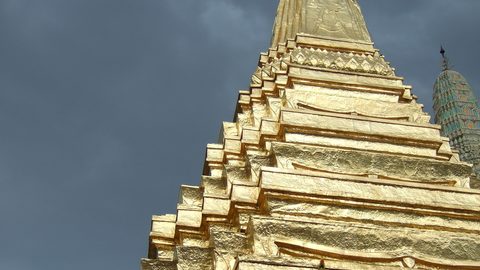 Grand Palace
 survival: the strict dress code that turns visitors away, the online booking that skips a 90-minute queue, and the 'closed today' scam at the entrance.
Grand Palace
Grand Palace survival: the strict dress code that turns visitors away, the online booking that skips a 90-minute queue, and the 'closed today' scam at the entrance.
-
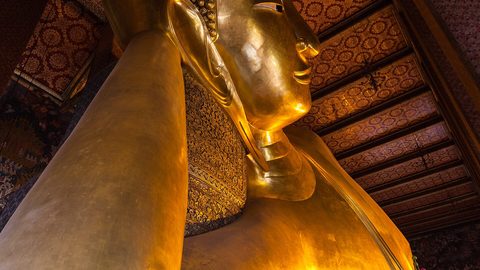 Wat Pho
 houses a 46-metre reclining Buddha and Thailand's most respected massage school in one temple compound. How to see both without rushing either.
Wat Pho
Wat Pho houses a 46-metre reclining Buddha and Thailand's most respected massage school in one temple compound. How to see both without rushing either.
-
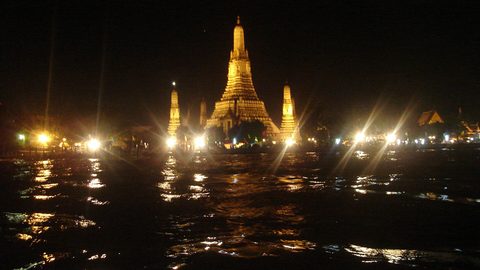 Wat Arun
 photographs best at dusk from the far river bank, not the temple grounds. The ferry crossing, the steep prang climb, and timing it before the boats stop.
Wat Arun
Wat Arun photographs best at dusk from the far river bank, not the temple grounds. The ferry crossing, the steep prang climb, and timing it before the boats stop.