Wat Arun at Sunset and Why the Far Bank Is the Better Photograph
Wat Arun photographs best at dusk from the far river bank, not the temple grounds. The ferry crossing, the steep prang climb, and timing it before the boats stop.
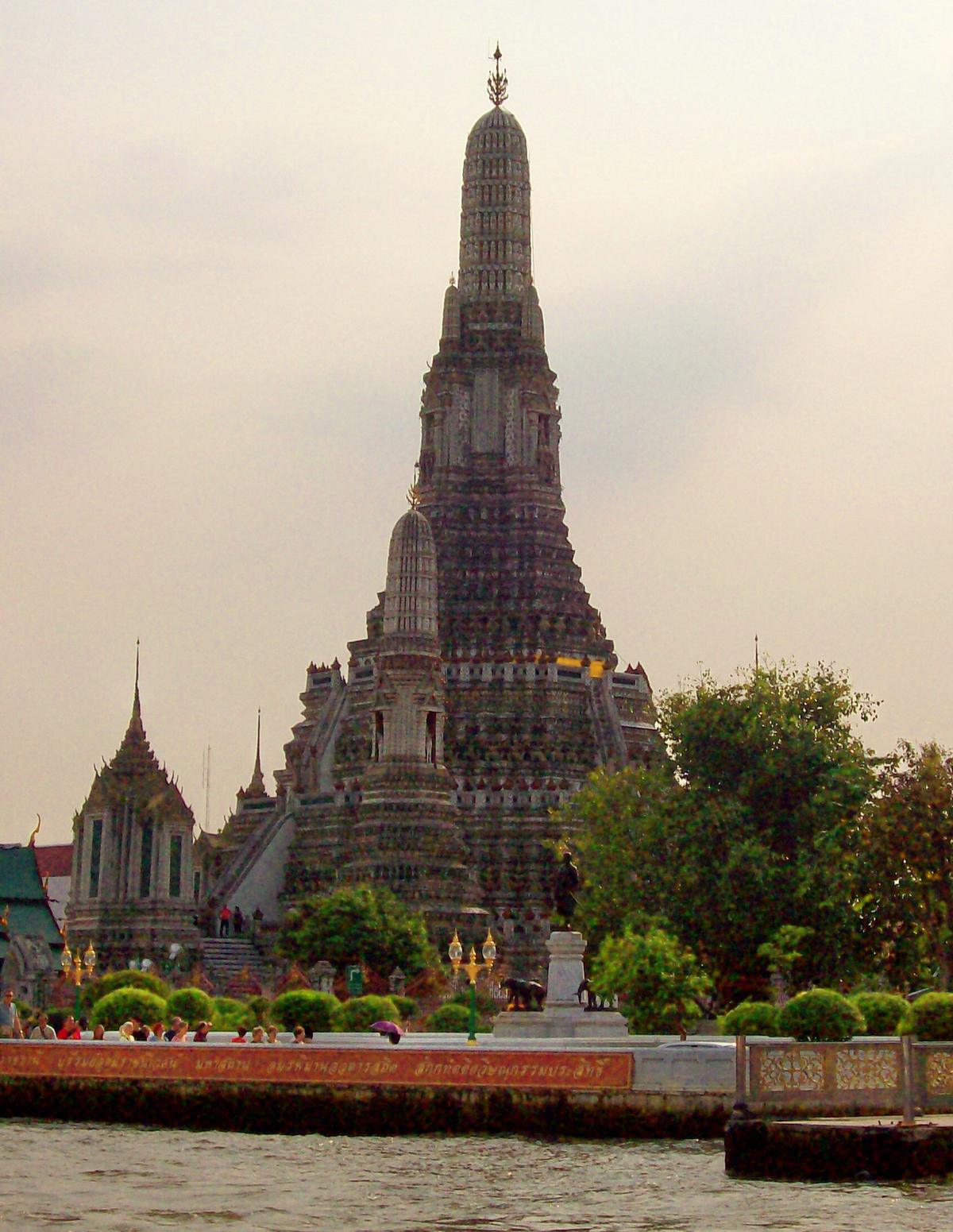

Wat Arun at Sunset and Why the Far Bank is the Better Photograph
The best image of Wat Arun’s spire is not taken from its own courtyard. Stand on the east bank of the Chao Phraya River, looking west from a restaurant table or a patch of pavement at Tha Tien Pier, sometime between 17:30 and 18:15. Thousands of visitors each day walk through the temple grounds, snap a picture of the central prang from below, and leave believing that is the shot. It is not. The far bank gives you distance, water reflection, and the last horizontal light hitting the broken Chinese ballast that clads the prang. That combination is why you cross the river for a drink you would not otherwise pay for.
- Official Name: Wat Arun Ratchawararam Ratchawaramahawihan
- Common Name Translation: Temple of Dawn
- Location: Bangkok Yai district, Thonburi west bank of the Chao Phraya River
- Central Prang Height: 66.8 metres (some sources cite 67 m or a 70-82 m range; the Fine Arts Department publishes the survey figure)
- Prang Cladding: Broken Chinese porcelain ballast, coloured glass and seashells, 19th century
- Ticket Price for Foreign Adults (2026): 200 THB (set by the Fine Arts Department, Ministry of Culture; Thai nationals enter free)
- Dress Code: Shoulders and knees covered; sarong rental at entrance for a 20 THB deposit or small fee
- Opening Hours: 08:00-18:00 daily
- Cross-River Ferry Fare (2026): 6 THB (ferry runs approximately 06:00-22:00; crossing takes about 3 minutes)
- East Bank Ferry Pier: Tha Tien Pier (N8)
- West Bank Ferry Pier: Wat Arun Pier
- Nearest MRT Station to Tha Tien: Sanam Chai (Blue Line), roughly 700 m walk
- Maximum Climbable Level (as of 2026): Upper terrace at the base of the central prang; the prang spire itself is closed to climbing
The Prang Climb and Why it is Not the Main Event
What The Stairs Demand Of You
The central prang stairs rise at an angle of roughly 70 to 80 degrees. That is not a marketing exaggeration. The steps are narrow, the treads shallow, and the handrails feel thin when you look down. Climbing to the upper terrace is permitted, and from there you get a close look at the porcelain fragments and coloured glass set into the plaster. The view over the river and the Grand Palace compound is real. But the steepness is genuine, and the Fine Arts Department has closed the prang spire itself to climbing. You reach the base, not the top.
Skip it if you have any mobility issues, a fear of exposed heights, or children who cannot hold a rail. The uneven pavements of Bangkok make the approach hard enough for anyone with significant mobility concerns. The temple grounds themselves are flat, and the view from ground level toward the prang is the same as the view from the terrace, only you are not climbing backward down a 75-degree ladder to leave.
When To Climb If You Must
If you do climb, go first thing at 08:00 when the morning light illuminates the prang from the river side. That is the only time the sun works for the climb. By 09:30 the light is flat and harsh, and by 11:00 the heat is draining. The temple opens at 08:00. Arrive then, climb while it is cool, and save the shot for the evening return.
The Ferry Crossing and Sequencing Wat Arun with Wat Pho
The Ferry In Detail
The cross-river ferry pier at Tha Tien (N8) on the east bank connects directly to the Wat Arun pier on the west bank. The crossing takes about three minutes. The fare is 6 THB, set by the Chao Phraya River ferry operators and subject to annual revision. The ferry runs from about 06:00 to 22:00, but confirm the last crossing with the pier master if you plan to be on the west bank after dark.
Sequence One: Morning Blitz
The sequence that works best: Grand Palace first because it closes at 15:30, Wat Pho second because it closes at 18:30, then cross to Wat Arun third. In a morning you can do Grand Palace from 08:30, walk the 700 metres to Wat Pho, spend until 12:00, cross for a quick look at Wat Arun before it gets too hot, then return to the east bank. The problem with this plan is the cross-river ferry stops at 18:00 on some lines, and the tourist boats stop earlier. If you are on the west bank after that, you need a taxi across one of the bridges, which adds 20 minutes and traffic.
Sequence Two: The Sunset Play
The better move: do Wat Pho in the late afternoon, cross the ferry at 17:00, visit Wat Arun grounds for 45 minutes, then catch the ferry back to Tha Tien by 18:00. You see the temple in the last daylight, the floodlighting comes on around sunset, and you are on the east bank for a drink at a riverside restaurant when the spire catches the last light.
Riverside Restaurants, Free Viewpoints, and the Evening Floodlighting
The Free Spot That Beats A Table
The east bank of the Chao Phraya River at Tha Tien holds the best free viewpoint for sunset: the small riverwalk and pier area just north of the ferry landing. Stand there, buy nothing, take your shot. The prang sits directly across the river, west-facing, so the setting sun hits the cladding and the coloured glass fragments directly. The evening floodlighting comes on at sunset and illuminates the temple until approximately 22:00.
Four Tables Worth Booking
If you want a table, four east bank riverside bars and restaurants offer the same view with a seat and a drink: Arun Residence (The Deck), Sala Rattanakosin, Eagle Nest Bar, and Supanniga Eating Room. A drink at any of them costs between 200 and 450 THB. Book a table at Arun Residence or Sala Rattanakosin at least two days ahead during dry season, November to February. Show up without a reservation and you get the sidewalk. That is not a bad option, but it is a different experience.
On the west bank, a small park and walkway immediately north of the Wat Arun pier offers a free viewpoint looking back at the temple from ground level. It is less crowded than the east bank, but the light hits the front of the prang in the morning, not the evening. For sunset, stay east.
Entry Fee, Opening Hours, and What the Dress Code Actually Costs You
Pay At The Gate
The entry fee for foreign adults is 200 THB, set by the Fine Arts Department of the Ministry of Culture. Thai nationals enter free. That fee may have changed since the last annual revision. The ticket office closes at 17:30, even though the temple stays open until 18:00. Arrive after 17:30 and you may have to explain to the guard that you just want the grounds, not the climb. It works sometimes.
Cover Up For 20 Baht
The dress code requires shoulders and knees covered. Sarongs are available for rent at the entrance for a 20 THB deposit or small fee. The deposit is returnable. Most travellers do not know this and either buy a cheap sarong from a street vendor for 100 THB or get turned away. Use the rental. It costs less than a drink on the east bank and it is the same piece of fabric.
Hours And Passes
Opening hours are 08:00 to 18:00 daily. The Grand Palace opens 08:30 to 15:30. Wat Pho opens 08:00 to 18:30. The combined Chao Phraya Tourist Boat day pass is 200 THB, which covers unlimited rides on the orange-flag boats. That pass is useful if you are doing multiple river stops in one day, but for a single crossing between Tha Tien and Wat Arun, the 6 THB ferry is cheaper and faster.
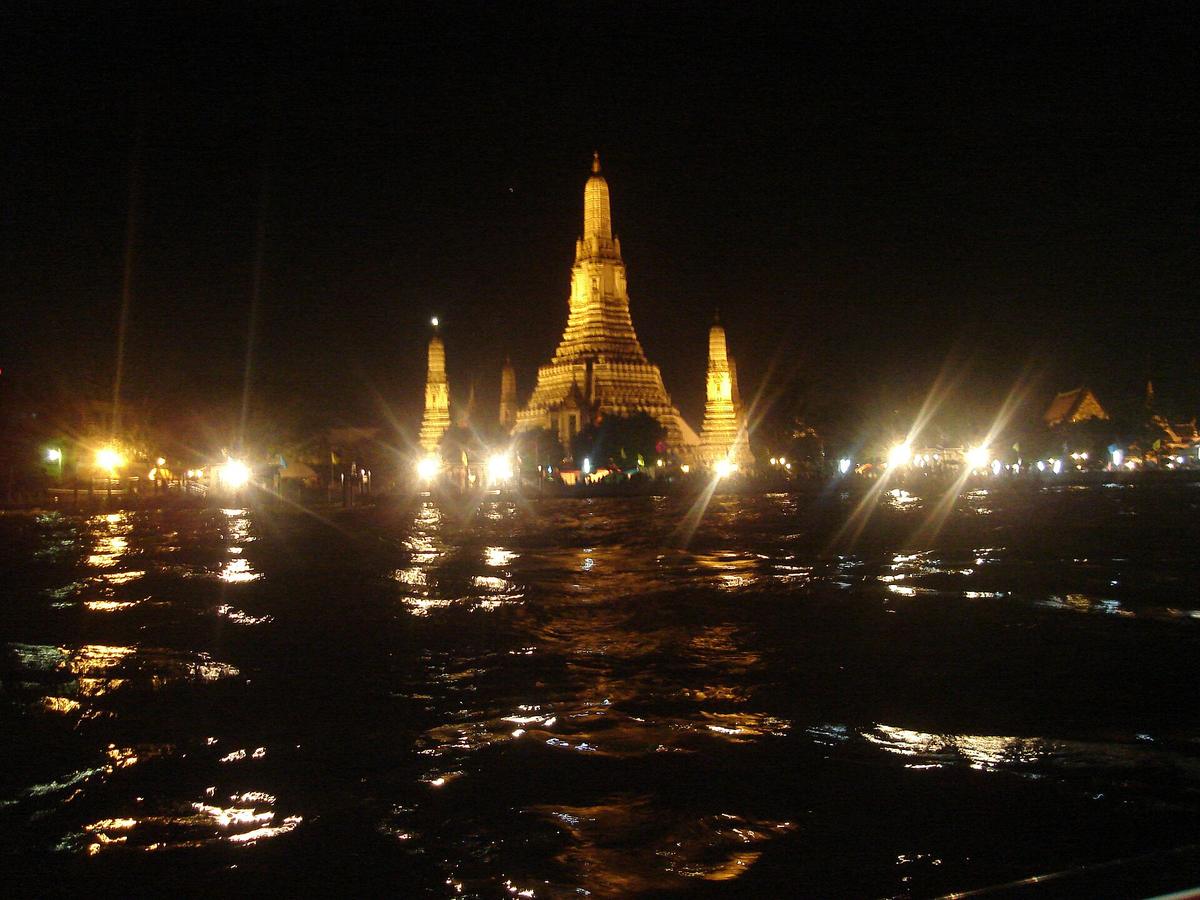

The Mistake Most Visitors Make and the One Thing to Skip
Two Errors, One Fix
The mistake is staying on the west bank. Most visitors enter Wat Arun, climb the prang, shoot it from below, and leave. They never cross back to the east bank for the image that justifies the trip. The second mistake is trying to capture Wat Arun at sunrise. The Temple of Dawn faces west. The sun rises behind it, putting the prang in silhouette. Sunset is the event.
The thing to skip: the climb if you are short on time. The upper terrace view is not worth queuing for the stairs during peak season. The ground-level view from the courtyard, looking up at the clad prang, is the same subject. The climb gives you a higher angle and a breeze, but it does not give you a better shot of the temple. The better shot comes from the east bank, with a drink, at dusk.
The Crowd Is Part Of The Deal
One honest caveat: the east bank at sunset is crowded. November to February brings Western holiday crowds that push hotel prices up 30 to 50 percent and fill every table at The Deck. The sidewalk at Tha Tien gets dense. The shot is still the best one, but you share the view with fifty other people who have read the same advice. Arrive by 16:30, claim your spot, and wait. The light at 17:45 is why you came.
Common Questions
Where do you get the best photograph of Wat Arun?
The east bank of the Chao Phraya River, looking west from the Tha Tien Pier area or a riverside restaurant table, at dusk. The far bank gives you distance, water reflection, and direct light on the cladding.
Is climbing the central prang worth the steep stairs?
Not for most visitors. The stairs rise at roughly 70 to 80 degrees and the prang spire is closed to climbing. You reach only the upper terrace at the base. The ground-level view is the same subject. Skip the climb and save your energy for the east bank at sunset.
How do you cross the Chao Phraya River to Wat Arun?
Take the cross-river ferry from Tha Tien Pier (N8) on the east bank. The ferry runs approximately 06:00 to 22:00, the crossing takes about three minutes, and the fare is 6 THB. Confirm the last crossing with the pier master if you plan to return after dark.
What are the Wat Arun entry fee and opening hours?
The entry fee for foreign adults is 200 THB, set by the Fine Arts Department. Thai nationals enter free. Opening hours are 08:00 to 18:00 daily. The ticket office closes at 17:30. The dress code requires shoulders and knees covered; sarong rental costs a 20 THB deposit.
Should I visit Wat Arun or Wat Pho?
Both. Visit Wat Pho in the late afternoon to see the reclining Buddha and the massage school. Cross the ferry to Wat Arun grounds at 17:00 for 45 minutes. Return to the east bank by 18:00 for sunset shots. The cross-river ferry connects them directly in three minutes.
What is the Wat Arun porcelain spire?
The central prang is clad in broken Chinese porcelain ballast, plus coloured glass and seashells, sourced from 19th-century trading ships. The fragments were pressed into plaster by hand. The prang stands 66.8 metres tall, with the spire itself closed to climbing as of 2026.
What is the best time of year to photograph Wat Arun at sunset?
November to February, the dry and cooler season, when temperatures sit around 26 to 32 degrees Celsius and the sky clears. Avoid April when temperatures hit 40°C and the Songkran water festival on 13 to 15 April creates transport chaos. Avoid mid-October when heavy monsoon rains can flood streets.
Read next
-
 Bangkok Hotels by Property Type and Price Band From Budget to Riverside Luxury
Bangkok hotels sorted by property type and price band, from riverside infinity pools to boutique stays under 3,000 THB in Ari, with neighbourhood-by-neighbourhood guidance.
Bangkok Hotels by Property Type and Price Band From Budget to Riverside Luxury
Bangkok hotels sorted by property type and price band, from riverside infinity pools to boutique stays under 3,000 THB in Ari, with neighbourhood-by-neighbourhood guidance.
-
 Where to Stay in Bangkok — Which District Actually Fits How You Travel
Choosing where to stay in Bangkok shapes your entire trip. This district-by-district comparison matches your travel style to the right neighbourhood, from Ari's indie calm to Yaowarat's street-food density.
Where to Stay in Bangkok — Which District Actually Fits How You Travel
Choosing where to stay in Bangkok shapes your entire trip. This district-by-district comparison matches your travel style to the right neighbourhood, from Ari's indie calm to Yaowarat's street-food density.
-
 Flying into Bangkok and Getting from Two Airports into the City
Bangkok has two airports with completely different arrival experiences. Step-by-step from baggage claim to BTS platform for both BKK and DMK, with costs in baht.
Flying into Bangkok and Getting from Two Airports into the City
Bangkok has two airports with completely different arrival experiences. Step-by-step from baggage claim to BTS platform for both BKK and DMK, with costs in baht.
-
 Things to Do in Bangkok — What Is Worth Your Days and What to Skip
Bangkok's best sights ranked and argued, from the Grand Palace complex to the forensic oddities at Siriraj Medical Museum, with honest advice on what to skip.
Things to Do in Bangkok — What Is Worth Your Days and What to Skip
Bangkok's best sights ranked and argued, from the Grand Palace complex to the forensic oddities at Siriraj Medical Museum, with honest advice on what to skip.
-
 Best Time to Visit Bangkok — Month by Month With the Tradeoff Each Carries
Bangkok month by month: November to February brings dry heat and peak prices, April means Songkran soaked chaos at 40°C, and mid-October monsoons flood streets in hours.
Best Time to Visit Bangkok — Month by Month With the Tradeoff Each Carries
Bangkok month by month: November to February brings dry heat and peak prices, April means Songkran soaked chaos at 40°C, and mid-October monsoons flood streets in hours.
-
 Getting Around Bangkok — The Mode You Choose Decides How Much Day You Lose
Bangkok's BTS and MRT do not share a ticket, river ferries stop by 6pm, and meter taxis refuse fares after dark. This guide saves you the hours that bad transit choices cost.
Getting Around Bangkok — The Mode You Choose Decides How Much Day You Lose
Bangkok's BTS and MRT do not share a ticket, river ferries stop by 6pm, and meter taxis refuse fares after dark. This guide saves you the hours that bad transit choices cost.
-
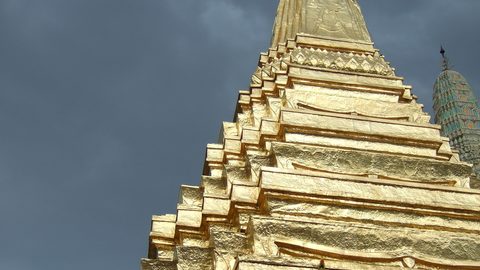 Grand Palace
 survival: the strict dress code that turns visitors away, the online booking that skips a 90-minute queue, and the 'closed today' scam at the entrance.
Grand Palace
Grand Palace survival: the strict dress code that turns visitors away, the online booking that skips a 90-minute queue, and the 'closed today' scam at the entrance.
-
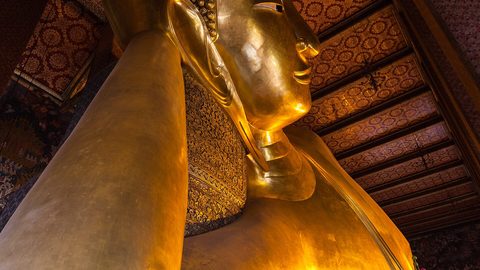 Wat Pho
 houses a 46-metre reclining Buddha and Thailand's most respected massage school in one temple compound. How to see both without rushing either.
Wat Pho
Wat Pho houses a 46-metre reclining Buddha and Thailand's most respected massage school in one temple compound. How to see both without rushing either.
-
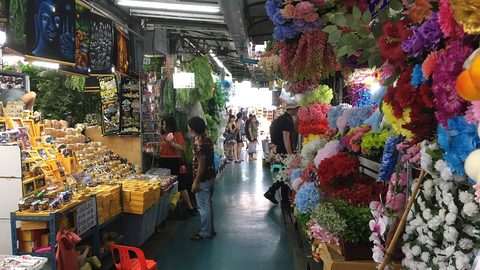 Chatuchak Market
A tactical guide to Chatuchak Weekend Market covering section maps, arrival timing, and the shaded food stalls that make 15,000 stalls manageable.
Chatuchak Market
A tactical guide to Chatuchak Weekend Market covering section maps, arrival timing, and the shaded food stalls that make 15,000 stalls manageable.