Best Time to Visit Hua Hin: Month by Month on a Coast That Sits in a Rain Shadow
The best time to visit Hua Hin is December to March for cool dry weather, but its rain shadow means the wet season is milder than Phuket's—a genuine reason to come when other coasts are poor.
Why Hua Hin Breaks the Thailand Weather Rules
The Rain Shadow Effect
Hua Hin sits in a rain shadow. The Tenasserim Hills to the west block the southwest monsoon that drenches Phuket from May into the autumn, so Hua Hin gets about 960 mm of rain annually while Phuket gets over 2,200 mm and Bangkok gets roughly 1,500 mm. That makes the wet season here shorter and milder. It also makes the best time to visit Hua Hin different from the rest of Thailand. The peak runs December to March when the weather is cool and dry, but the rain shadow opens up a genuine wet season alternative: you can visit from July into the late monsoon and still get usable beach days, which you cannot say about the Andaman coast. The trade offs change month to month, and missing them is the most common mistake first time visitors make.
Cool Dry Peak Season: December to March
From December into March, Hua Hin delivers its best weather. Temperatures sit at 25 to 30 °C, humidity drops, and rain is rare. This is when Bangkok weekenders and European snowbirds fill the hotels. Beachfront room rates jump 50 to 100 percent above low season. Reserve three months ahead and expect to pay. A weekend adds another 20 to 50 percent premium on top of the seasonal rate.
The kite surfing season runs alongside this weather window from November into February, concentrated at the Pranburi lagoon south of town. The flat water and steady wind draw experienced riders. If you are not here to kite surf, the cooler mornings and evenings make the main beach tolerable for long walks, but the water clarity is never postcard turquoise. It is the Gulf of Thailand, and it stays murky year round.
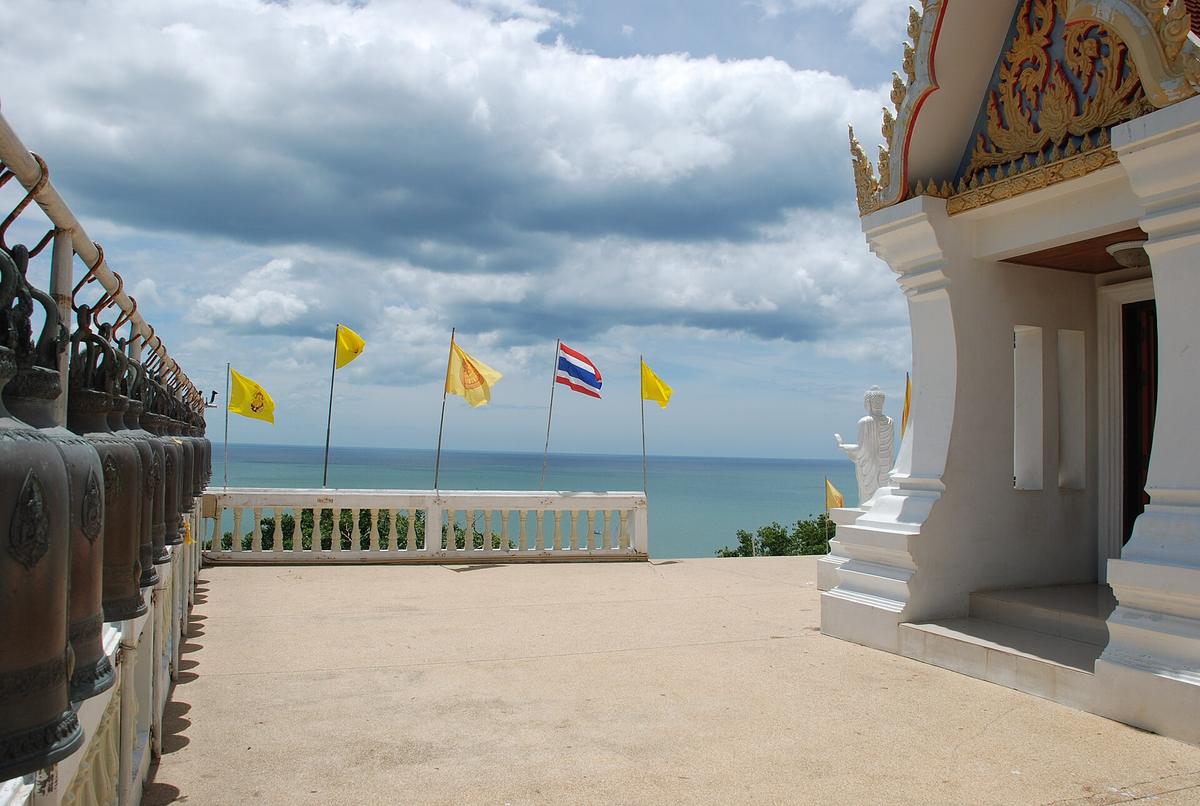

Brutal Heat: Late April to May
Why You Should Avoid This Window
Late April and May are the hottest stretch of the year. Daytime temperatures hit 38 °C, and the humidity climbs before the wet season fully arrives. This is the avoid window. The heat makes walking the 10 kilometre main strip between attractions punishing, and the beach offers little relief because the sand burns by 10:00. Thai school holidays run from mid March to mid May, and the beaches pack with multi generational families. The Hua Hin Jazz Festival weekend, which falls in May or June, brings heavy traffic and sold out hotels. If you arrive during this stretch, book a hotel with a pool larger than a plunge tank, and plan activities for early morning or late afternoon only.
Songkran: The Three Day Exception
Songkran, the Thai New Year water festival, falls on 13 to 15 April each year. The town erupts in water fights, especially along Soi 94 and the night market strip. If you want a quiet holiday, avoid these three days entirely.
Hua Hin Weather by Month: What Each Period Brings
November to March: Cool and Crowded
The cool dry season delivers the most comfortable conditions for golf, day trips to Sam Roi Yot National Park, and dinner at the Cicada Market. Average temperature stays between 25 and 30 °C. Book accommodation midweek to avoid the weekend price surge. Monday through Thursday you get significantly lower crowd levels and a 20 to 50 percent discount on rooms.
March to May: Heat Builds, School Holidays Hit
March is transitional. Early March still feels like the cool season. By late March the heat intensifies toward the 38 °C peak. Mid March to mid May is Thai school break, so domestic tourists fill Khao Takiab beach and the breakfast queues at Khao Man Gai Baan Kao run long. Avoid the Jazz Festival weekend unless you have a specific interest in the music and a hotel confirmed.
May into the Late Monsoon: Rainy Season but Usable
The wet season runs May into the late monsoon, but the rain shadow in Hua Hin means you get fewer downpours than Bangkok or Phuket. The wettest months are September and the month that follows, with short heavy bursts that usually clear within an hour. Temperatures range 26 to 33 °C. The trade off is hotel prices drop 40 to 60 percent below peak season, and the beach is nearly empty midweek. Pala U Waterfall runs strongest from July into the late monsoon, with butterfly swarms on the approach trail.
July Onward: Box Jellyfish Season
This is the period to check the vinegar stations before you enter the water. Box jellyfish appear sporadically along Hua Hin beach from July into the late monsoon. Lifeguards post warning flags and set up stations with vinegar for stings. Swim only where those stations are clearly visible. The water is already murky and unappealing to many visitors, so the jellyfish risk is a strong reason to use hotel pools instead of the sea during these months.
Hua Hin Peak Season: What You Pay for
Peak season runs December to March. The draw is reliable weather, but what you actually pay for is the guarantee of dry afternoons and cool evenings. Beachfront hotels in central Hua Hin and along the Khao Takiab stretch charge 50 to 100 percent more than the same rooms in September. The Jazz Festival weekend and Thai school holidays concentrate demand further. If your dates are flexible, the week after New Year offers the same conditions for slightly lower rates as the crowds thin.
The main friction of peak season is not just price. The tide extremes can nearly eliminate the beach at high tide in some sections, leaving no sand for chairs. Combined with the horse waste from the beach rides, barefoot walks become unpleasant. Bring sandals that you can rinse, and arrive at the beach by 08:00 to claim a patch of dry sand before the tide rises.
When to Avoid Hua Hin
The Windows to Skip
Avoid late April through May for the heat unless you specifically want the lowest possible room rates. Avoid Thai school holidays from mid March to mid May for the crowds. Avoid the Hua Hin Jazz Festival weekend for sold out hotels and traffic that turns the 3 kilometre drive from central Hua Hin to Khao Takiab into a 40 minute crawl. Avoid July into the late monsoon if you plan to swim in the sea, because the jellyfish season makes it risky and the water clarity stays low.
Wet Season Backup Plan
If you do arrive during the wet season, the rain shadow means you can still spend mornings on the beach. Afternoon thunderstorms are common but brief. Move your day trips inland to Pala U Waterfall or the Hua Hin Vineyard at Monsoon Valley, where the hilly microclimate stays cooler, or head to the Pranburi Mangrove Forest boardwalk, which is fully covered and functions well in light rain.
Hua Hin Wet Season: the Rain Shadow Advantage
The rain shadow created by the Tenasserim Hills cuts Hua Hin's average annual rainfall to 960 mm, versus 1,500 mm in Bangkok and 2,200 mm in Phuket. That difference is the entire reason to consider a wet season visit here. From May into the late monsoon, you get short rain bursts rather than all day downpours. The beach remains usable between showers, especially in the morning. Hotel prices bottom out. The kite surfing wind season at Pranburi runs into February, so wet season visitors miss that, but they gain the Pala U Waterfall at full flow and the butterfly populations that come with it.
The failure case is still real. September and the month after are the wettest months, and a tropical storm can dump two days of steady rain. When that happens, your backup is the Vana Nava Water Jungle (check recent reviews about safety before you book), the Mrrigadayavan Palace teakwood seaside palace, or the Wat Huy Mongkol statue and amulet market. All are covered or indoors enough to absorb a rainy afternoon.
When Not to Swim: Jellyfish and Beach Conditions
Jellyfish Risk and Vinegar Stations
Box jellyfish swarms appear most reliably from July into the late monsoon. The only safe places to swim are stretches of beach with an active vinegar station and warning flags. Do not swim at dawn or dusk, when these creatures are harder to see and more surface near the shore. The horse rides that operate along the main beach leave manure in the sand and shallow water, so even a low tide walk carries a hygiene risk. Use the beach for sunbathing and the hotel pool for actual swimming.
Tide Timing
The tide extremes matter here too. At high tide in some sections of Hua Hin beach, the water reaches the seawall and leaves no dry sand. Time your beach visit to low tide, which you can check on any tide app. Mid tide offers the best balance of firm sand and space.
Kite Surfing Season in Pranburi
The kite surfing window runs from October to May, with the strongest and most consistent wind from November into February. The flat water lagoon at Pranburi, 30 minutes south of Hua Hin, is the main spot. Book accommodation in Pranburi or Khao Takiab to avoid the morning commute from central Hua Hin. The wind picks up around 10:00 and drops by 17:00. Rental gear and instruction are available at the lagoon, but independent riders should bring their own equipment because rental quivers are limited and sized for the European market.
Outside this wind window, from June to September, the lagoon goes flat and calm. Kite surfers who arrive then will not fly. Time your trip to the wind season or skip this activity entirely.
The One Thing That Trips Up Most Visitors
You Need a Transport Plan
The most common mistake is assuming Hua Hin is a walkable beach town. The main strip runs 10 kilometres from the railway station in the north to Khao Takiab in the south. Key attractions like the Night Market, Cicada Market, Khao Takiab Temple, and the Hua Hin Vineyard are spread across that line and beyond. The heat makes walking between them punishing. Songthaews run fixed routes for 10 to 20 THB, but Grab and Bolt face legal restriction from the local taxi mafia, so pick ups often happen away from major hotel entrances and you will be forced into overpriced hotel taxis. Rent a scooter if you have experience, or budget for private transport. Without a plan to move, you will waste half your short trip waiting for rides.
Getting There from Bangkok
Arrive by train from Bangkok's Krung Thep Aphiwat station if you want the scenic route: 4 to 4.5 hours, 44 to 410 THB depending on class. The airport bus from Suvarnabhumi takes 3.5 to 4 hours and costs 325 THB. A private taxi runs 2.5 to 3 hours and costs 2,000 to 2,500 THB. Book the taxi if you arrive on a late flight after the bus and train have stopped running.
Common Questions
Why is Hua Hin's weather different from the rest of Thailand?
Hua Hin sits east of the Tenasserim Hills, which block the southwest monsoon that drenches Phuket from May into the late monsoon. This rain shadow effect gives Hua Hin about 960 mm of rain annually versus 2,200 mm for Phuket and 1,500 mm for Bangkok. The wet season is shorter and milder, making Hua Hin a genuine alternative to the Andaman coast during those months.
What is the best month for good weather and low prices?
November offers the best balance. The cool dry season has started, temperatures sit at 25 to 30 °C, but peak season pricing has not yet reached its December to March premium. Midweek stays in November can be 30 to 50 percent cheaper than the same rooms in January. Book November Monday through Thursday for the strongest value.
When is the jellyfish season in Hua Hin?
Box jellyfish appear sporadically from July into the late monsoon. Swim only where vinegar stations are posted and warning flags are visible. Avoid dawn and dusk swims during these months. The safest option is to use hotel pools rather than the sea during this period.
Is Hua Hin worth visiting during the wet season?
Yes, if you manage expectations. The rain shadow means you get short rain bursts rather than all day downpours. Hotel prices drop 40 to 60 percent, and the beach is nearly empty midweek. Pala U Waterfall runs strongest July into the late monsoon. The risk is jellyfish in the sea and tropical storms in September and the following month that can dump steady rain for two days.
What are the specific avoid windows for Hua Hin?
Avoid late April to May for 38 °C heat. Avoid mid March to mid May for Thai school holidays that pack the beaches. Avoid the Hua Hin Jazz Festival weekend in May or June for sold out hotels and heavy traffic. Avoid July into the late monsoon if you need to swim in the sea without jellyfish risk.
Read next
-
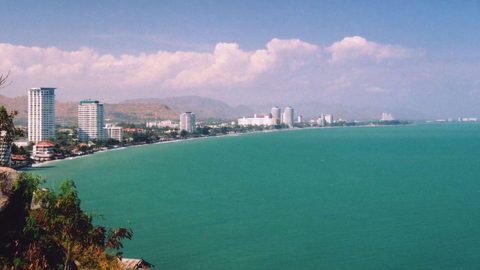
 Hua Hin Hotels by Type and Price Where Midweek Rates Halve
Hua Hin hotels are shaped by Bangkok weekend demand, so midweek rates often run half the weekend price—the single most useful fact for booking a stay on this coast.
Hua Hin Hotels by Type and Price Where Midweek Rates Halve
Hua Hin hotels are shaped by Bangkok weekend demand, so midweek rates often run half the weekend price—the single most useful fact for booking a stay on this coast.
-
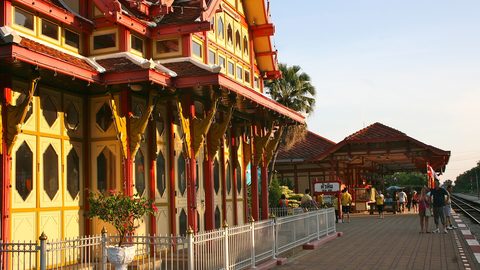 Where to Stay in Hua Hin Along Fifteen Kilometres of Coast
Where to stay in Hua Hin depends on whether you want night market walkability, a condo near Soi 102 cafes, or a family resort up the coast in Cha-Am—and your transport plan follows from that choice.
Where to Stay in Hua Hin Along Fifteen Kilometres of Coast
Where to stay in Hua Hin depends on whether you want night market walkability, a condo near Soi 102 cafes, or a family resort up the coast in Cha-Am—and your transport plan follows from that choice.
-
 Hua Hin Flights Why You Fly to Bangkok and the Airport Bus Beats a Connection
-
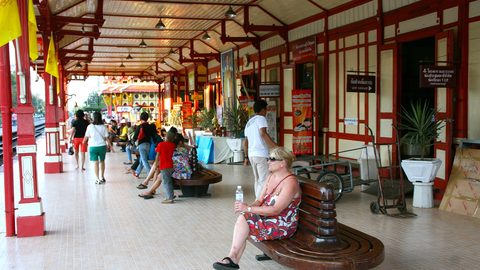 Hua Hin Things to Do Ranked for a Town Where Less Is the Point
Hua Hin things to do are fewer than most Thai beach towns, and that is the point—this is a place for beach horse rides, weekend markets, and seafood, not an attraction-packed itinerary.
Hua Hin Things to Do Ranked for a Town Where Less Is the Point
Hua Hin things to do are fewer than most Thai beach towns, and that is the point—this is a place for beach horse rides, weekend markets, and seafood, not an attraction-packed itinerary.
-
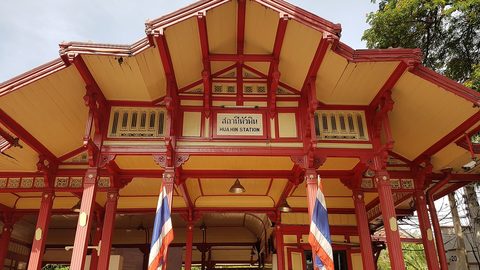 Getting Around Hua Hin When the Town Is Strung Out and Grab Fails
Getting around Hua Hin requires a plan: the town stretches ten kilometres, Grab is restricted by the local taxi mafia, and songthaews on fixed routes become your most reliable option.
Getting Around Hua Hin When the Town Is Strung Out and Grab Fails
Getting around Hua Hin requires a plan: the town stretches ten kilometres, Grab is restricted by the local taxi mafia, and songthaews on fixed routes become your most reliable option.
-
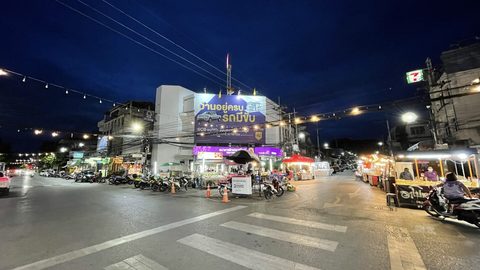 Hua Hin Itinerary a 3-Day Sequence From Railway Station to Khao Takiab
-
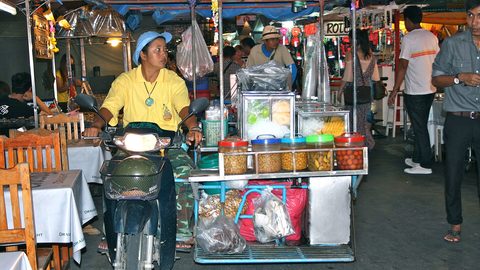 Hua Hin Night Market
-
 Khao Takiab
-
 Thailand Travel Guide From First Timers To Island Hoppers
A realistic Thailand travel guide covering regions, seasons, and pacing so you avoid the classic Bangkok Chiang Mai island mistake.
Thailand Travel Guide From First Timers To Island Hoppers
A realistic Thailand travel guide covering regions, seasons, and pacing so you avoid the classic Bangkok Chiang Mai island mistake.