When to Go to Vietnam When No Month Works for the Whole Country
Find the best time to visit Vietnam by region, with honest advice on typhoons, Tet closures, and the north-south climate split.
When to Go to Vietnam When No Month Works for the Whole Country
The woman on the sleeper bus is crying. Not from the bumpy road south. She booked eleven days for Ho Chi Minh City, Da Nang, Hoi An, Hue, Hanoi, and Ha Long. She is on day five and has seen only the inside of a bus. She made the mistake that defines travel here: Vietnam is 1,650 kilometres long, and its three climate zones do not cooperate. You need a month by month plan, not a single date.
The best window for Vietnam is November to March, but that comes with sharp regional carve-outs. The north is cool and dry. The centre is mild but sits in the typhoon belt until late November. The south is at its least humid. No single month works everywhere. Pick one or two regions per trip and time them correctly.

The Three Climate Zones and What They Mean for Your Trip
Vietnam splits into three distinct weather zones. Treat them as separate destinations with separate calendars.
The North: Four Seasons, Two That Are Miserable
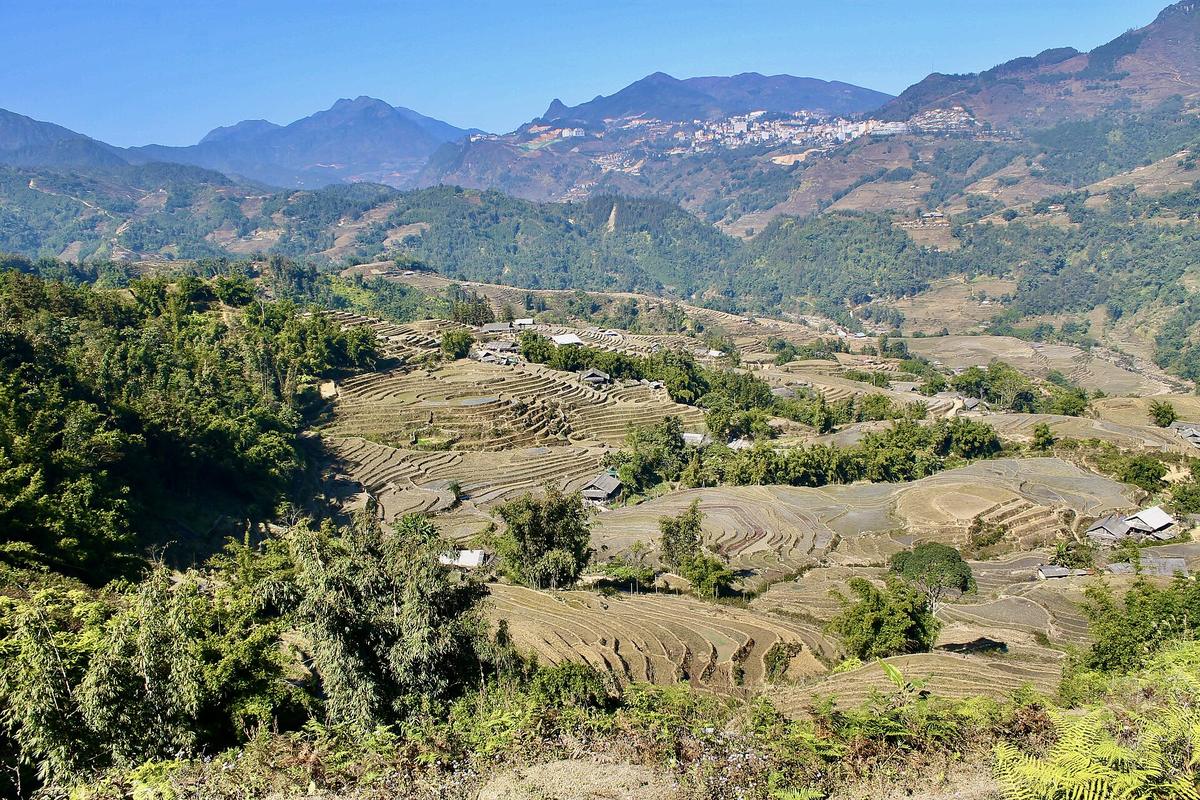
The north has spring, summer, autumn, and winter. Winter runs December to February: cold, damp, grey in Hanoi, with temperatures dropping to 10°C. Summer runs June to August: hot, humid, often above 35°C with afternoon storms. The best windows are March to April and late September to mid-November, when temperatures sit in the low 20s and the skies are clear. Sa Pa and Mu Cang Chai rice terraces peak during harvest in September and early October. This is also a strong northern window if you can handle some rain.
The Centre: Dry Heat And Typhoons
The centre has a hot dry season from January to August and a wet season from September to December. Hoi An floods during the wet season. Not some streets, not for an hour: the ancient town goes under water. October and early November are the worst weeks for the central coast. Typhoons hit the central and northern coasts from July into early November. If you have booked Hoi An or Hue for October, have a backup plan or travel insurance that covers weather cancellations.
The South: Wet And Dry, But Always Warm
The south has two seasons: wet from May to November, dry from December to April. The wet season means heavy afternoon rain, usually for about an hour. It is not a washout. Morning plans are fine. The dry season is the easy choice: December to April brings blue skies and lower humidity. The south works year round if you schedule outdoor activities for the morning during wet season months.
November to March: the Broad Peak with One Big Trap
November to March is the high season for good reason. The north is cool and dry. The centre is mild, though early November still carries typhoon risk. The south is dry and pleasant. This is when the country is at its most comfortable for travel.
The trap is Tet, the Vietnamese New Year, which falls in late January to mid-February. The dates change each year. Tet is culturally rich: temples fill with incense, families gather, the streets empty of traffic as people go home. It is also logistically punishing. Transport books out weeks ahead. Many family-run restaurants and shops close for several days. You end up eating at convenience stores or hotel restaurants. Prices on buses and trains rise sharply. If you want Tet, book transport and accommodation two months ahead and accept that you will not eat well for four days. If you want a normal trip, avoid the window entirely.
The Christmas peak, 20 December to 5 January, hits the coast hardest. Da Nang and Nha Trang fill with domestic and international tourists. Book accommodation by early October if you want a beach room during that period.
| Month | North (Hanoi, Ha Long, Sapa) | Centre (Hue, Hoi An, Da Nang) | South (HCMC, Mekong Delta) |
|---|---|---|---|
| January | Cold, dry, 10-18°C | Mild, dry, 18-24°C | Dry, warm, 25-33°C |
| February | Cool, dry, 12-20°C | Mild, dry, 18-25°C | Dry, warm, 26-34°C |
| March | Mild, dry, 15-23°C | Hot, dry, 20-28°C | Dry, hot, 27-35°C |
| April | Warm, humid, 20-28°C | Hot, dry, 22-32°C | Dry, hot, 28-36°C |
| May | Hot, humid, 24-32°C | Hot, dry, 25-34°C | Wet season begins, afternoon rain |
| June | Hot, humid, 26-34°C | Hot, dry, 26-35°C | Wet, heavy afternoon rain |
| July | Hot, humid, 27-35°C | Hot, dry, 26-35°C | Wet, heavy afternoon rain |
| August | Hot, humid, 26-34°C | Hot, dry, 25-34°C | Wet, heavy afternoon rain |
| September | Mild, some rain, 23-30°C | Wet season begins, some rain | Wet, heavy afternoon rain |
| October | Mild, dry, 18-26°C | Wet, typhoon risk, flooding in Hoi An | Wet season ends, less rain |
| November | Cool, dry, 14-22°C | Wet, high typhoon risk, flooding | Dry season begins, warm |
| December | Cold, damp, 10-18°C | Wet, typhoon risk easing, some rain | Dry, warm, 24-32°C |
.jpg)
The Compromise Months for a North to South Trip
If you insist on covering both Hanoi and Ho Chi Minh City in a single trip, the compromise months are March to April and late September to early November. These are the only periods where the north, centre, and south are all passable at the same time.
March and April give you mild weather in the north, hot dry conditions in the centre, and the end of the dry season in the south. Late September to early November gives you cool, dry weather in the north, but you take a real risk in the centre: October and early November are the peak months for typhoons on the central coast. Hoi An flooded badly in October 2020 and 2021. If you book a central coast trip for those weeks, buy trip cancellation insurance and have a plan to reroute to the north or south at short notice.
The 10-Day Trap
The minimum for any viable trip is 10 days. That is enough for either the north (Hanoi, Ha Long, Ninh Binh) or the south and centre (Ho Chi Minh City, Hoi An, Hue) without constant transit. Trying to do both in 10 days is the single most common planning mistake. It leaves you exhausted, spending every second day on a bus or train. No room for unplanned meals, rain delays, or rest.
Common Questions
What is the absolute worst month to visit Vietnam?
October is the worst month for the central coast, where typhoon risk and flooding peak in Hoi An and Hue. If you are staying in the north only, April is fine. In the south, October is the tail end of the wet season with afternoon rain. The worst month depends entirely on where you go.
Can I visit Vietnam in August?
Yes, but the north is hot and humid at 26-34°C and the south is in the middle of the wet season with heavy afternoon rain. The centre is in its hot dry season and works well. August is not the best month for a broad trip, but it is fine if you stick to the centre or do mornings outdoors in the south.
Is it safe to visit Hoi An in November?
November carries high typhoon risk and the city has a history of severe flooding. The ancient town has flooded multiple times in November. If you have flights booked, travel insurance with weather cancellation cover is non-negotiable. Reroute to Da Nang or Hue and skip Hoi An during November.
What happens to prices during Tet?
Prices on buses, trains, and domestic flights rise sharply. Hotels in popular areas can double their rates. Many family-run restaurants and shops close for several days. Budget for 40-60 percent higher transport costs and plan to eat at hotel restaurants or larger chains that stay open. Book transport two months ahead.
When is the best time to visit Vietnam for beaches?
For central coast beaches like Da Nang and Nha Trang, aim for January to August, the hot dry season. Avoid September to December when the wet season and typhoons hit. For southern beaches like Phu Quoc and Mui Ne, the dry season from December to April is ideal.
Read next
-

 Vietnam eSIM Guide for Reliable Data in the Mountains and Cities
Compare Vietnam eSIM and local SIM options, and learn why Viettel is the network to choose for Sa Pa, Phong Nha, and the Mekong Delta.
Vietnam eSIM Guide for Reliable Data in the Mountains and Cities
Compare Vietnam eSIM and local SIM options, and learn why Viettel is the network to choose for Sa Pa, Phong Nha, and the Mekong Delta.
-
 Getting Around Vietnam by Train, Sleeper Bus, Flight, and Grab
Compare Vietnam's trains, sleeper buses, domestic flights, and Grab to plan realistic transit times and costs between cities.
Getting Around Vietnam by Train, Sleeper Bus, Flight, and Grab
Compare Vietnam's trains, sleeper buses, domestic flights, and Grab to plan realistic transit times and costs between cities.
-
 Vietnam Visa Rules and the E-Visa Mistakes That Stop Check-In
Understand Vietnam e-visa rules, the exemption list, and the check-in mistakes that can stop your trip before you board the plane.
Vietnam Visa Rules and the E-Visa Mistakes That Stop Check-In
Understand Vietnam e-visa rules, the exemption list, and the check-in mistakes that can stop your trip before you board the plane.
-
 Vietnam Money Guide to Dong, ATMs, and Avoiding Bad Exchange Rates
Learn how to handle Vietnamese dong, choose ATMs that don't gouge you, and know when cash is the only option in Vietnam.
Vietnam Money Guide to Dong, ATMs, and Avoiding Bad Exchange Rates
Learn how to handle Vietnamese dong, choose ATMs that don't gouge you, and know when cash is the only option in Vietnam.
-
 Vietnam Safety Guide for Traffic, Scams, and Health
Understand Vietnam's real safety risks, from crossing Hanoi roads to motorbike insurance gaps and the scams that target tourists.
Vietnam Safety Guide for Traffic, Scams, and Health
Understand Vietnam's real safety risks, from crossing Hanoi roads to motorbike insurance gaps and the scams that target tourists.
-
 Vietnam Budget Guide to Daily Costs and the Things That Add Up
See realistic daily costs for Vietnam travel and learn which three expenses push a backpacker budget into flashpacker territory.
Vietnam Budget Guide to Daily Costs and the Things That Add Up
See realistic daily costs for Vietnam travel and learn which three expenses push a backpacker budget into flashpacker territory.
-
 Da Nang
 is a liveable coastal city and central Vietnam base, not a museum town. Here is what it is actually for and where to go next.
Da Nang
Da Nang is a liveable coastal city and central Vietnam base, not a museum town. Here is what it is actually for and where to go next.
-
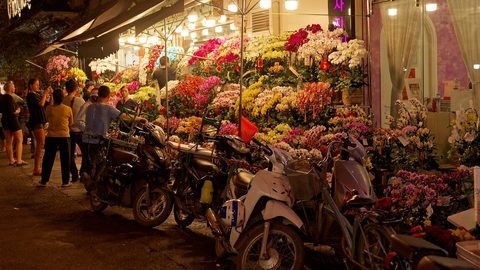 Hanoi
Hanoi hits with a full-sensory assault of motorbike swarms and constant horns, then rewards the persistent with Vietnam's deepest food city and layered neighbourhoods beyond the Old Quarter.
Hanoi
Hanoi hits with a full-sensory assault of motorbike swarms and constant horns, then rewards the persistent with Vietnam's deepest food city and layered neighbourhoods beyond the Old Quarter.
-
 Ho Chi Minh City
An honest Ho Chi Minh City travel guide for travellers who thrive on sensory overload, street-food obsession, and 10 million motorbikes rather than quiet temples.
Ho Chi Minh City
An honest Ho Chi Minh City travel guide for travellers who thrive on sensory overload, street-food obsession, and 10 million motorbikes rather than quiet temples.