How to Stay Safe in Vietnam Beyond the Obvious Traffic Warnings
Understand Vietnam's real safety risks, from crossing Hanoi roads to motorbike insurance gaps and the scams that target tourists.
The Only Safety Question That Matters in Vietnam
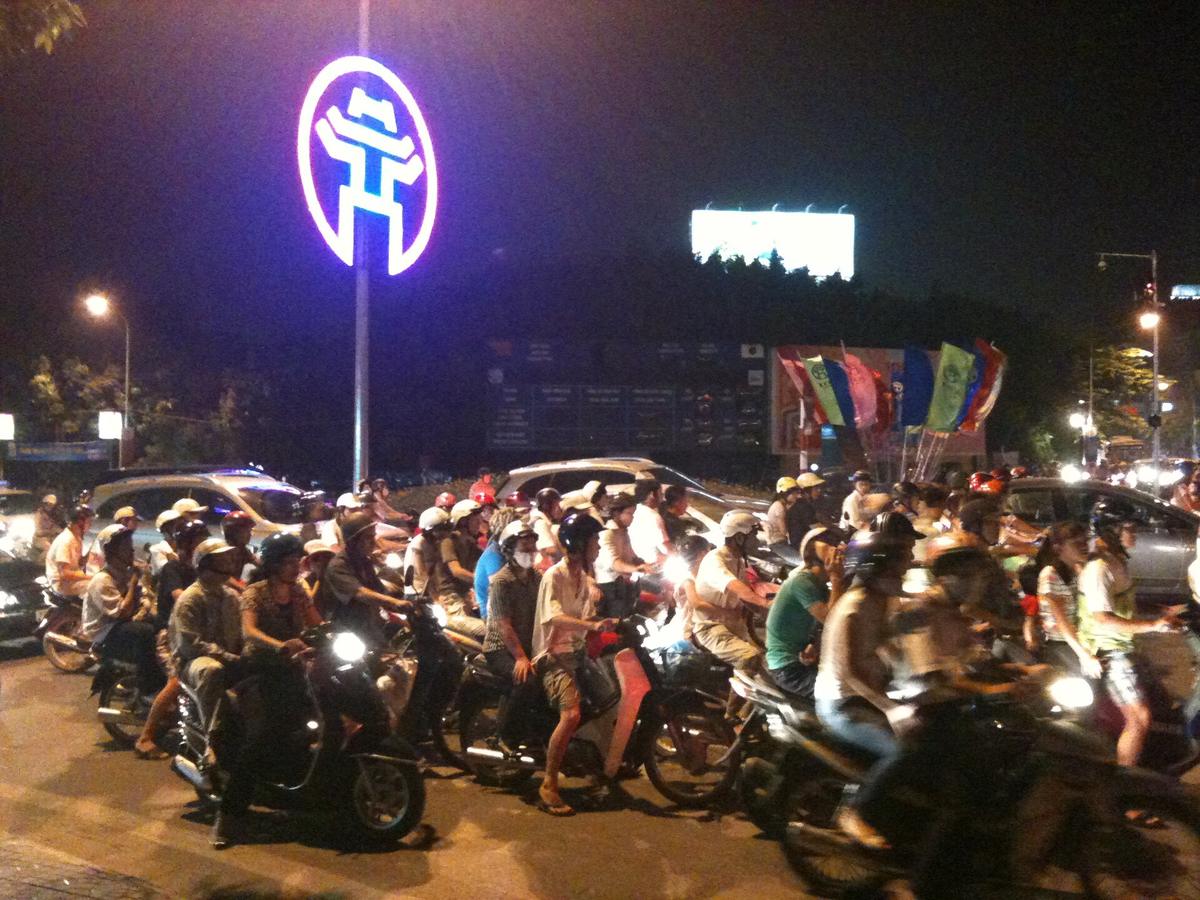
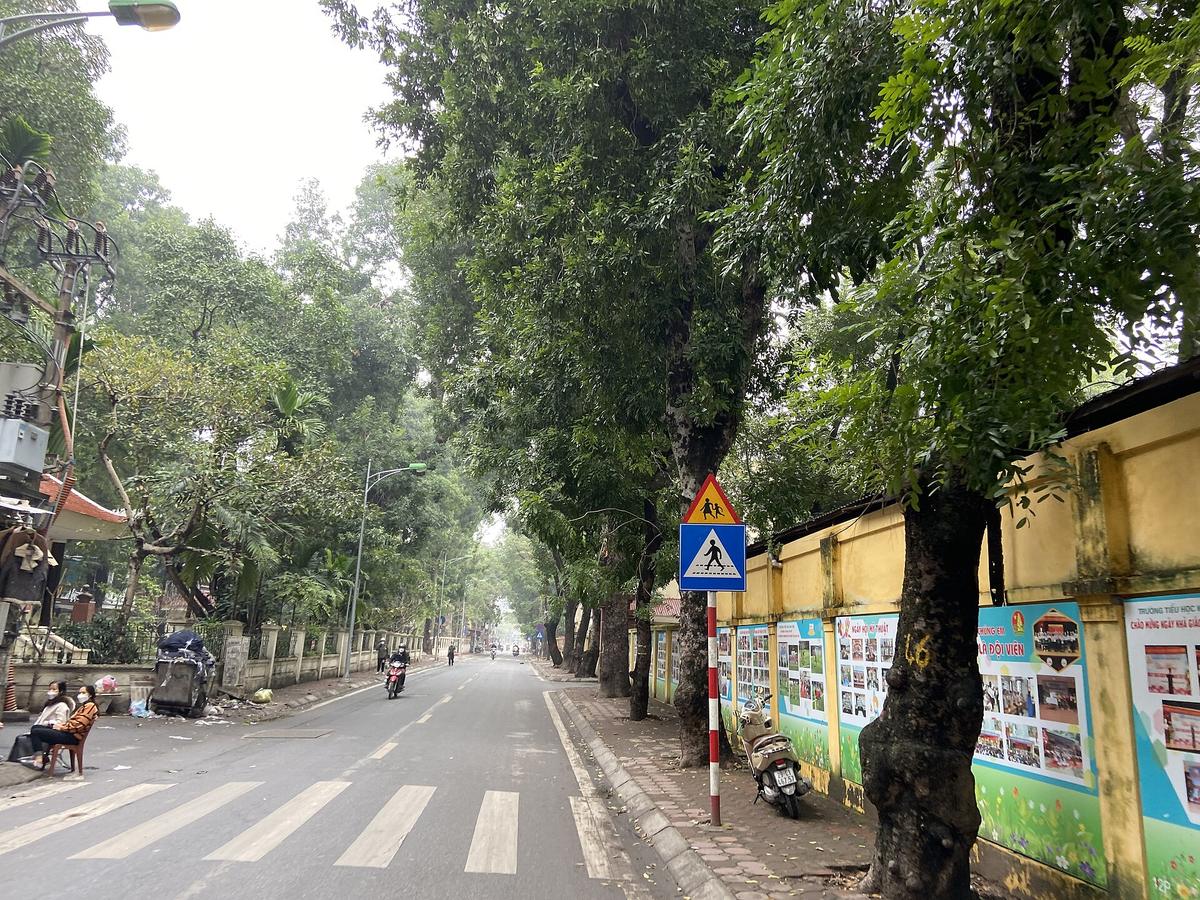
On a crosswalk in central Hanoi, two lanes of motorbikes part around a toddler walking to kindergarten. Then you step off the kerb, and nothing hits you. That is the safety reality in Vietnam: violent crime is rare by regional standards, but the traffic is genuinely dangerous. Unreliable rental scooters are the leading cause of hospital admission for foreign visitors. Four risks actually impact travellers: traffic, rental loopholes, scams, and health. Here is what to do about each one.
Traffic is the Only Real Danger
Vietnam's road traffic death rate sits at roughly 22-24 per 100,000 population (WHO 2021 data), with motorbikes involved in more than 60 per cent of those deaths. In Hanoi, about 5 million registered motorbikes share roads with 8 million people; Ho Chi Minh City has about 7.3 million motorbikes for a population of 9 million. Walking is where you interact with that flow, and the method is counterintuitive.
How to Cross a Street in Hanoi or Ho Chi Minh City
Walk at a steady pace directly across the lane of oncoming traffic. Do not stop. Do not run. Do not step backwards. Do not make eye contact with riders. Motorbikes predict your path from your constant speed and flow around you like water around a rock. Stopping causes collisions because the rider can no longer calculate where you will be. On a wide boulevard, use the median strip as a halfway rest point, then repeat the same technique on the second half.
Rental Scooters and the Licence Trap
The single most common reason a traveller ends up in a private clinic in Vietnam is a rented-scooter crash. Most rental scooters are 100cc to 125cc. To ride anything above 50cc legally, you need either a valid Vietnamese driver's licence or a 1968 Vienna Convention International Driving Permit. A standard IDP from your home country, the 1949 Geneva Convention version, is not valid in Vietnam. Most foreign visitors renting scooters do not hold a licence that is valid here. If you crash, your travel insurance will almost certainly be void. Wear a helmet, the law requires it for rider and passenger, but many rental helmets are thin, non-compliant shells that will not protect you in a real impact. The safest option: use Grab for every city journey and book a private car or a tour for countryside trips.

The Four Scams That Actually Catch Travellers
Theft and violent crime are rare. Drive-by snatching of phones and bags is the main petty crime type, concentrated in Ho Chi Minh City's District 1 and Bui Vien area. A pillion passenger on a motorbike grabs your item as they pass. Carry your bag cross-body on the side away from traffic. Do not hold your phone out near the kerb. Wrap your camera strap around your wrist, not your neck. The other scams are commercial, not dangerous, but they cost you money and time.
Taxi and Ride-Hailing Scams
Only use Mai Linh (green cars) or Vinasun (white with green and red markings). Both legitimate companies have their logos on the doors and their phone numbers printed clearly on the side. Unlicensed taxis use lookalike branding that copies these colours and fonts. If you cannot find a recognised taxi or your Grab app is not working, walk to a hotel entrance and ask the front desk to call a car for you. The meter on a counterfeit taxi can run two to three times the real fare.
Street and Bar Scams
The shoe-shine scam: a vendor drops a brush on your shoe, polishes without asking, and demands payment. The coconut-carry scam: a vendor places their carrying pole on your shoulders for a photo, then demands money. The cyclo scam: you agree a price before the ride, but at the destination the driver demands a multiple of that figure. In the Bui Vien bar district of Ho Chi Minh City, your bill may include drinks you did not order or a hidden service charge. The pre-paid tour scam: an operator runs a different tour than the one you paid for, a different route, cheaper transport, or no tour at all.
- Violent crime against visitors: Rare; most visits incident-free
- Primary safety risk: Road traffic
- Road traffic death rate (Vietnam, WHO 2021): ~22-24 per 100,000 population per year
- Share of road deaths involving motorbikes: >60%
- Rented-scooter crashes: Leading cause of foreign visitor hospitalisation in major cities
- Requirement to ride >50cc in Vietnam: Valid Vietnamese licence or 1968 Vienna Convention International Driving Permit
- Travel insurance common exclusion: Motorbike riding without a licence valid in Vietnam
- Drive-by snatching target: Phones and bags held on side facing traffic
- Drive-by snatching hotspot: Ho Chi Minh City (District 1, Bui Vien Street)
- Legitimate taxi companies: Mai Linh (green), Vinasun (white with green/red)
- Tap water: Not safe to drink
- Dengue season: Peak May, November, daytime biter
- Drug penalties: Severe; cannabis possession can carry 2-20 years imprisonment; trafficking large quantities can carry death penalty
- Emergency numbers: Police 113, Fire 114, Ambulance 115
Where to Get Medical Help in the Three Main Cities
Private clinics you can trust in Hanoi: Family Medical Practice, Raffles Medical, and Hôpital Français de Hanoi. In Ho Chi Minh City: Family Medical Practice, Raffles Medical, FV Hospital, and Columbia Asia. A consultation at any of these clinics runs US$50 to US$150, depending on the clinic and the specialist. Public hospitals are not recommended for foreign visitors due to language barriers and lower equipment standards. If you need emergency dental care, Family Medical Practice in either Hanoi or Ho Chi Minh City handles walk-in cases.
Food and Water Risks
Do not drink tap water anywhere in Vietnam. Buy bottled water or use a purification device. Ice in bars and restaurants is almost always commercially produced and safe; it arrives in sealed bags, usually hollow in the middle. The most common health problem is bacterial gastroenteritis from street food. This is not a reason to avoid street food. It is a reason to carry oral rehydration salts and have your travel insurance contact saved. If you develop diarrhoea that lasts more than 48 hours or cannot keep fluids down, visit one of the clinics above.
Mosquito-Borne Disease and Beach Safety
Dengue is endemic across Vietnam, peaking between May and November. The Aedes aegypti mosquito bites during the day. Use DEET-based repellent from dusk to dawn and anywhere with standing water. Case counts fluctuate year to year; the 2024 rate was published by the WHO. On the central coast, including Da Nang, Hoi An and Nha Trang, rip currents are a genuine risk, especially during the northeast monsoon (roughly October to March). Lifeguard coverage is inconsistent; many beaches outside resort zones have no patrols. Swim only at beaches that are actively lifeguarded, and ask your accommodation which stretches are safe.

What Else You Need to Know: Avoid These Mistakes
- Do not take photos of military installations, border crossings, airports, or police stations. You risk detention, a fine, or having your equipment confiscated.
- Do not carry your passport in your back pocket. Leave it in your hotel safe and carry a photocopy.
- Do not accept an open drink from a stranger in a bar or club. Drink spiking is not common but it happens, and the Bui Vien area in Ho Chi Minh City is the most probable location.
- Do not assume a short walk is easy. Sidewalks in Hanoi and Ho Chi Minh City are often blocked by parked motorbikes, meaning you will be walking in the road with motorbikes passing on both sides. Budget extra time and use Grab for anything over half a mile.
Common Questions
Is Vietnam safe for solo female travellers?
Yes, by regional standards. Violent crime against women is low. The risks are the same as for all travellers: traffic, rental-scooter crashes, and petty theft. The most cited nuisance is persistent street-level harassment from vendors and cyclo drivers. A firm 'khong' and walking on is the standard response. Avoid walking alone late at night on dimly lit streets in District 1 and Bui Vien in Ho Chi Minh City.
What is the safest way to get around cities?
Grab, the ride-hailing app. It works like Uber, accepts international credit cards, and shows the fare upfront so there is no negotiation or meter rigging. In Hanoi and Ho Chi Minh City, a Grab car ride within the central districts costs 30,000 to 80,000 VND (US$1.20 to US$3.20). A Grab motorbike is about half that. Never hail a taxi from the street in tourist areas; use the app or a hotel desk.
Do I need to tip in Vietnam?
No. Tipping is not expected. A small tip of 5% to 10% at sit-down restaurants is appreciated but not required. Do not tip taxi drivers or Grab drivers. The pressure to tip you feel in tourist-heavy areas is commercial, not cultural.
Can I ride a scooter if I hold an International Driving Permit from my home country?
Only if that permit was issued under the 1968 Vienna Convention on Road Traffic. Most IDPs issued to Australian, UK, US, Canadian, and New Zealand drivers are the 1949 Geneva Convention version, which is not valid in Vietnam. Check the small print on your permit. If it was not issued under the 1968 convention, you are riding illegally and your insurance is void.
What should I do if I crash a rental scooter?
Call the police (113) and an ambulance (115). Do not move the injured person unless there is immediate danger of fire or further collision. Contact your travel insurance company as soon as possible. Take photos of the scene and the other rider's details. If you do not hold a valid licence for Vietnam, do not expect the insurance to pay out.
Are ATM skimmers a problem?
They exist at standalone ATMs and in tourist areas. Use ATMs inside bank branches or attached to a bank's security guard booth. The most commonly reported issue is ATM machines that keep your card; this happens most often with international cards at smaller machines. If your card is retained, call your bank immediately and have them block it.
Is it safe to eat street food?
Yes, with precautions. Eat where you see a high turnover of local customers; a stall that empties its pots by 9am is safer than one with food sitting out all afternoon. Look for raw vegetables that have been rinsed in treated water (many stalls do this). Avoid anything that has been sitting uncovered on a cart for more than an hour in the heat. The real risk is not food poisoning from a specific dish, but dehydration from diarrhoea if you do catch something. Carry oral rehydration salts.
Read next
-
 Vietnam eSIM Guide for Reliable Data in the Mountains and Cities
Compare Vietnam eSIM and local SIM options, and learn why Viettel is the network to choose for Sa Pa, Phong Nha, and the Mekong Delta.
Vietnam eSIM Guide for Reliable Data in the Mountains and Cities
Compare Vietnam eSIM and local SIM options, and learn why Viettel is the network to choose for Sa Pa, Phong Nha, and the Mekong Delta.
-
 Best Time to Visit Vietnam by Region and Month
Find the best time to visit Vietnam by region, with honest advice on typhoons, Tet closures, and the north-south climate split.
Best Time to Visit Vietnam by Region and Month
Find the best time to visit Vietnam by region, with honest advice on typhoons, Tet closures, and the north-south climate split.
-
 Getting Around Vietnam by Train, Sleeper Bus, Flight, and Grab
Compare Vietnam's trains, sleeper buses, domestic flights, and Grab to plan realistic transit times and costs between cities.
Getting Around Vietnam by Train, Sleeper Bus, Flight, and Grab
Compare Vietnam's trains, sleeper buses, domestic flights, and Grab to plan realistic transit times and costs between cities.
-
 Vietnam Visa Rules and the E-Visa Mistakes That Stop Check-In
Understand Vietnam e-visa rules, the exemption list, and the check-in mistakes that can stop your trip before you board the plane.
Vietnam Visa Rules and the E-Visa Mistakes That Stop Check-In
Understand Vietnam e-visa rules, the exemption list, and the check-in mistakes that can stop your trip before you board the plane.
-
 Vietnam Money Guide to Dong, ATMs, and Avoiding Bad Exchange Rates
Learn how to handle Vietnamese dong, choose ATMs that don't gouge you, and know when cash is the only option in Vietnam.
Vietnam Money Guide to Dong, ATMs, and Avoiding Bad Exchange Rates
Learn how to handle Vietnamese dong, choose ATMs that don't gouge you, and know when cash is the only option in Vietnam.
-
 Vietnam Budget Guide to Daily Costs and the Things That Add Up
See realistic daily costs for Vietnam travel and learn which three expenses push a backpacker budget into flashpacker territory.
Vietnam Budget Guide to Daily Costs and the Things That Add Up
See realistic daily costs for Vietnam travel and learn which three expenses push a backpacker budget into flashpacker territory.
-
 Da Nang
 is a liveable coastal city and central Vietnam base, not a museum town. Here is what it is actually for and where to go next.
Da Nang
Da Nang is a liveable coastal city and central Vietnam base, not a museum town. Here is what it is actually for and where to go next.
-
 Hanoi
Hanoi hits with a full-sensory assault of motorbike swarms and constant horns, then rewards the persistent with Vietnam's deepest food city and layered neighbourhoods beyond the Old Quarter.
Hanoi
Hanoi hits with a full-sensory assault of motorbike swarms and constant horns, then rewards the persistent with Vietnam's deepest food city and layered neighbourhoods beyond the Old Quarter.
-
 Ho Chi Minh City
An honest Ho Chi Minh City travel guide for travellers who thrive on sensory overload, street-food obsession, and 10 million motorbikes rather than quiet temples.
Ho Chi Minh City
An honest Ho Chi Minh City travel guide for travellers who thrive on sensory overload, street-food obsession, and 10 million motorbikes rather than quiet temples.