How to Handle Vietnamese Dong Without Getting Confused or Gouged
Learn how to handle Vietnamese dong, choose ATMs that don't gouge you, and know when cash is the only option in Vietnam.
The Wrong Assumption About Vietnam Currency
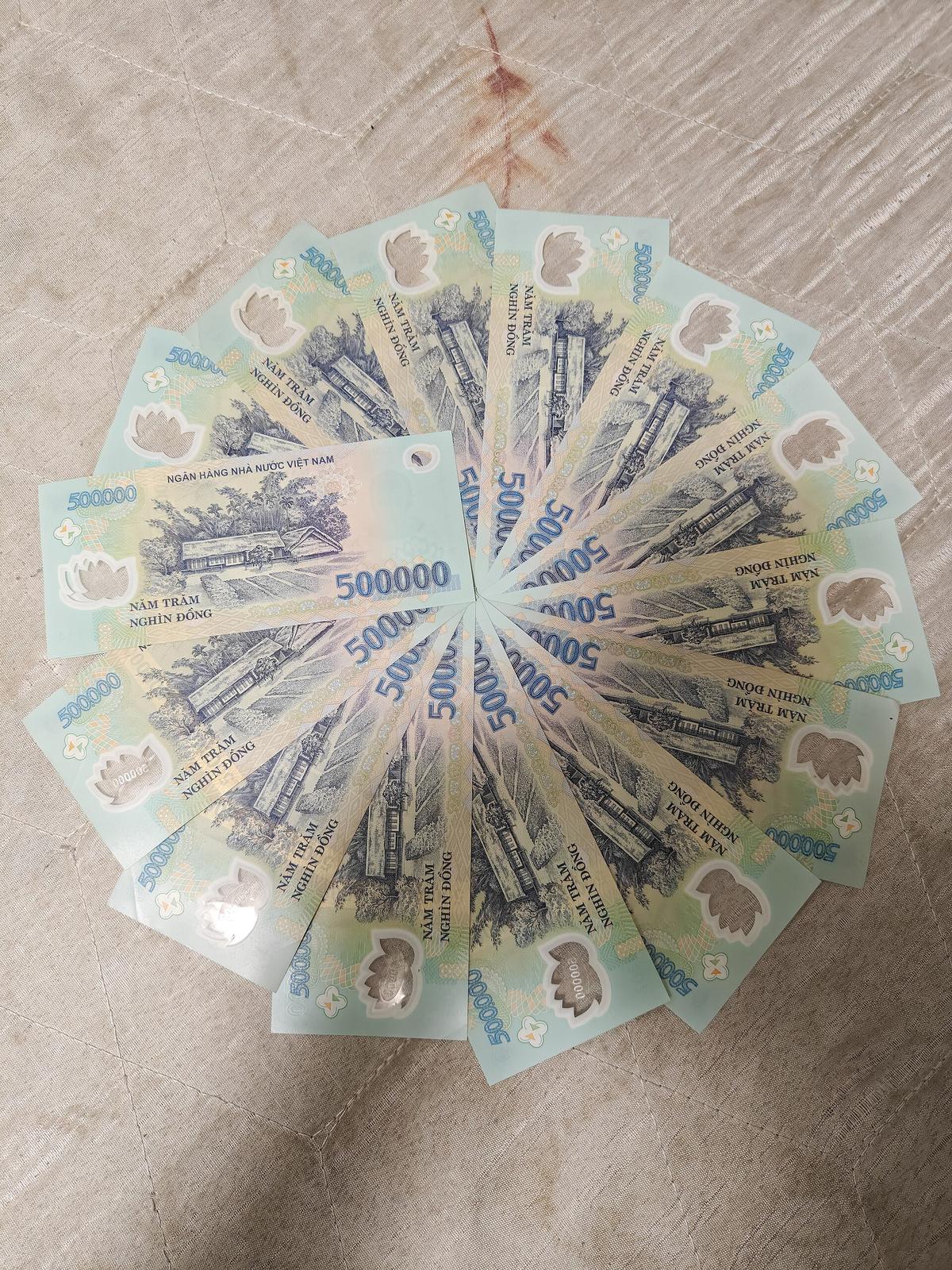
The common wrong assumption is that handling Vietnamese dong is confusing because the numbers are large. It is not. The confusion comes from the polymer banknotes that look nearly identical. Two notes that feel and look alike in your pocket have a 25-to-1 difference in value. The 20,000 ₫ note and the 500,000 ₫ note are both green. Handing over a 500,000 ₫ note for a 20,000 ₫ bowl of pho means losing the difference, about 19 USD at the 2024 exchange rate. Check the zero count every time you pay. 20,000 has four zeros. 500,000 has five zeros. That split-second glance is the difference between paying 80 cents and 20 dollars.
Which ATM to Use and Which to Avoid
Choose Your Machine Before You Insert Your Card
ATM withdrawal fees in Vietnam are not standard. Some banks charge nothing or close to it. Others charge 50,000 ₫ per withdrawal. Multiply that by four or five withdrawals over two weeks and you lose a meal. The banks commonly cited for lower fees are TPBank, VPBank, and ACB. The ones commonly cited for higher fees are HSBC and Standard Chartered. The exact figures change, so check the bank's published fee schedule at the machine before you insert your card.
Work Within Withdrawal Limits
A single withdrawal is usually limited to 5,000,000 ₫ per transaction. Plan your cash needs around that limit. If you need more, make multiple withdrawals from low-fee machines rather than one withdrawal from a high-fee machine.
Refuse Dynamic Currency Conversion
Never accept the dynamic currency conversion offered at some ATMs and card terminals. The machine will ask if you want to be charged in your home currency instead of VND. Always choose VND. The conversion rate offered at the machine is worse than what your bank uses.

Cash is King, with Two Exceptions
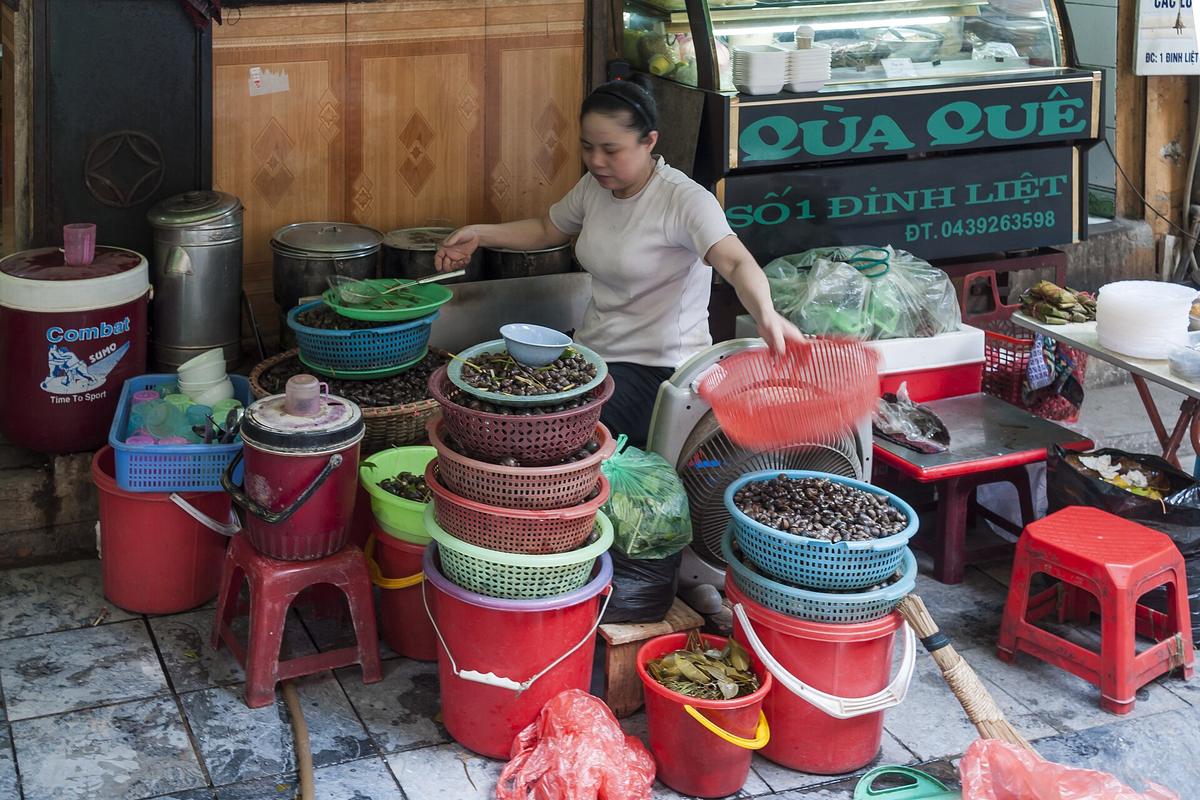
Street stalls, markets, taxis off the street, small restaurants, sleeper buses, and trains all require cash. Do not expect card acceptance at any of them. The two exceptions are Grab and mid-range or higher restaurants. Grab, the ride-hailing app, lets you link an international credit card and pay cash-free. That covers almost all urban transport and some food delivery.
Keep Small Notes Ready
For everything else, carry enough smaller notes. Markets and street food vendors often cannot break a 500,000 ₫ note early in the day. Keep a stash of 10,000 ₫, 20,000 ₫, and 50,000 ₫ notes for the bowls and coffees that make up most of your daily spend. Aim to withdraw cash once every two or three days from a low-fee ATM, get the maximum allowed, and break it into smaller denominations at the first shop that takes a large note.
Hotels, malls, and mid-range restaurants accept Visa and Mastercard. Amex acceptance is limited to higher-end hotels and international chains. If you are eating street food or shopping at a market, you are on cash. If you are paying a hotel bill or a mid-range restaurant, card works.
Bringing Cash from Home
Bring crisp, clean, unmarked USD, EUR, GBP, or AUD notes to exchange in Vietnam. Damaged or heavily marked notes are often refused. Licensed currency exchange counters and banks give legal exchange. Gold shops historically offer better rates, but their status as legal forex exchangers is grey. Use banks or licensed counters unless you know the specific gold shop and are comfortable with the risk.
Conversion Shortcuts
The rough conversion shortcuts at 2024 rates: 25,000 ₫ ≈ 1 USD, 27,000 ₫ ≈ 1 EUR, 31,000 ₫ ≈ 1 GBP, 16,000 ₫ ≈ 1 AUD. Those rates shift, so check the rate on the day you exchange.
Carry Emergency Dong
If you rely on cards only and hit a stretch of ATMs that are out of service or that charge high fees at 1am, you are stuck. Keep 50 USD worth of dong on you at all times for late-night taxi and food purchases. That single precaution covers the most common money failure in Vietnam.

Bargaining, Tipping, and VAT Refunds
Where to Bargain
Bargaining applies at markets, street vendors, and independent taxis. It does not apply at malls, supermarkets, fixed-price restaurants, or Grab. Do not haggle over a 20,000 ₫ bottle of water or a 30,000 ₫ coffee. Save your energy for items priced 200,000 ₫ and above at tourist markets.
Tipping Rules
Tipping is not traditional but is now expected in tourist-facing service. For guides, budget 200,000 ₫ per day. For drivers, 100,000 ₫ per day. In restaurants, tip 5-10% where a service charge is not already included in the bill. Check the bill before you add anything.
VAT Refunds for Big Purchases
Vietnam's VAT rate was 8% in 2024. Foreign passport holders can claim a refund on goods if you spend at least 2,000,000 ₫ per shop per day and export the goods within 60 days. The refund is processed at airport counters before departure, paid in cash or credited to your card. Keep the receipts and the goods in carry-on luggage because the counter may want to inspect them. The VAT refund is worth the effort only on major purchases over several million dong. For everyday shopping, ignore it.
Common Questions
Can I use my credit card everywhere in Vietnam?
No. Cash is dominant at street stalls, markets, taxis, and small restaurants. Cards work at hotels, malls, and mid-range restaurants upward. Visa and Mastercard are the most accepted networks. Amex is limited to high-end hotels and international chains. Use cash for daily purchases and card for hotel bills and mid-range meals.
How do I avoid the 20,000 / 500,000 note confusion?
Count the zeros. 20,000 has four zeros. 500,000 has five zeros. The notes are both green and similar size. Pull the note out and count zeros before handing it over. After a day or two you will recognise the 500,000 note by its distinct texture and the portrait watermark, but the zero-count trick is the one that never fails.
Which ATM bank has the lowest fees?
TPBank, VPBank, and ACB are commonly cited for lower or no fees. HSBC and Standard Chartered are commonly cited for charging 50,000 ₫ per withdrawal. Fee schedules change. Check the screen at the ATM before you insert your card. If the machine does not display the fee, cancel the transaction and find another machine.
Should I exchange money at the airport or in the city?
Exchange a small amount at the airport for immediate transport costs, about 1,000,000 ₫. Get the rest in the city at a licensed exchange counter or a bank, where rates are better. Avoid exchanging at hotels or with street moneychangers. Bring crisp, unmarked USD, EUR, GBP, or AUD notes.
Is VietQR useful for tourists?
VietQR requires a Vietnamese bank account to send payments. Tourists cannot set one up on a short trip. VietQR is widely used by locals at shops, street food stalls, and for transport, but you will need cash or card instead. Grab is the exception: you can link an international card and pay cash-free for rides and food delivery.
Read next
-
 Vietnam eSIM Guide for Reliable Data in the Mountains and Cities
Compare Vietnam eSIM and local SIM options, and learn why Viettel is the network to choose for Sa Pa, Phong Nha, and the Mekong Delta.
Vietnam eSIM Guide for Reliable Data in the Mountains and Cities
Compare Vietnam eSIM and local SIM options, and learn why Viettel is the network to choose for Sa Pa, Phong Nha, and the Mekong Delta.
-
 Best Time to Visit Vietnam by Region and Month
Find the best time to visit Vietnam by region, with honest advice on typhoons, Tet closures, and the north-south climate split.
Best Time to Visit Vietnam by Region and Month
Find the best time to visit Vietnam by region, with honest advice on typhoons, Tet closures, and the north-south climate split.
-
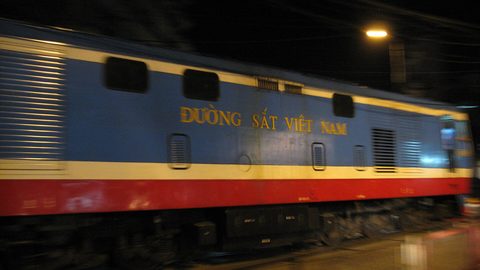 Getting Around Vietnam by Train, Sleeper Bus, Flight, and Grab
Compare Vietnam's trains, sleeper buses, domestic flights, and Grab to plan realistic transit times and costs between cities.
Getting Around Vietnam by Train, Sleeper Bus, Flight, and Grab
Compare Vietnam's trains, sleeper buses, domestic flights, and Grab to plan realistic transit times and costs between cities.
-
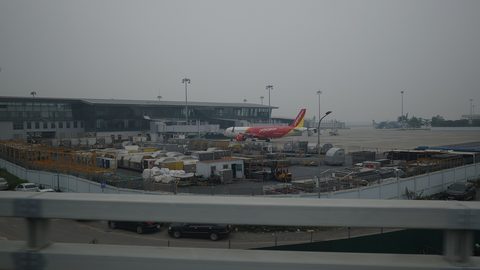 Vietnam Visa Rules and the E-Visa Mistakes That Stop Check-In
Understand Vietnam e-visa rules, the exemption list, and the check-in mistakes that can stop your trip before you board the plane.
Vietnam Visa Rules and the E-Visa Mistakes That Stop Check-In
Understand Vietnam e-visa rules, the exemption list, and the check-in mistakes that can stop your trip before you board the plane.
-
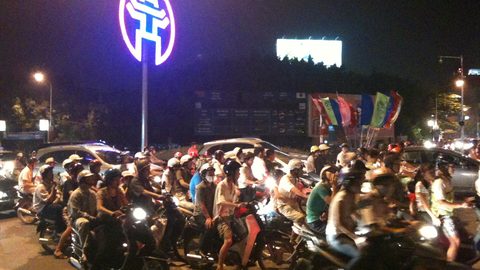 Vietnam Safety Guide for Traffic, Scams, and Health
Understand Vietnam's real safety risks, from crossing Hanoi roads to motorbike insurance gaps and the scams that target tourists.
Vietnam Safety Guide for Traffic, Scams, and Health
Understand Vietnam's real safety risks, from crossing Hanoi roads to motorbike insurance gaps and the scams that target tourists.
-
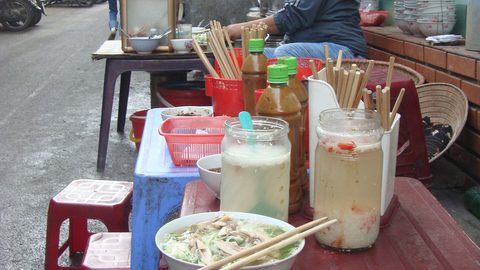 Vietnam Budget Guide to Daily Costs and the Things That Add Up
See realistic daily costs for Vietnam travel and learn which three expenses push a backpacker budget into flashpacker territory.
Vietnam Budget Guide to Daily Costs and the Things That Add Up
See realistic daily costs for Vietnam travel and learn which three expenses push a backpacker budget into flashpacker territory.
-
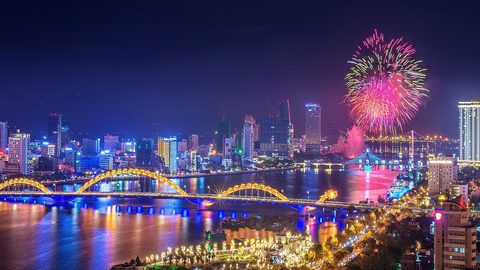 Da Nang
 is a liveable coastal city and central Vietnam base, not a museum town. Here is what it is actually for and where to go next.
Da Nang
Da Nang is a liveable coastal city and central Vietnam base, not a museum town. Here is what it is actually for and where to go next.
-
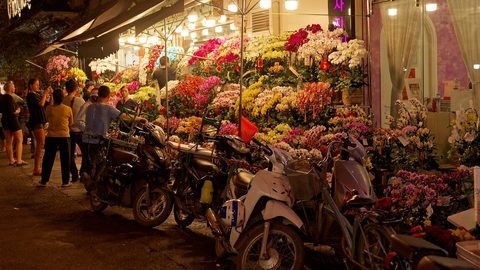 Hanoi
Hanoi hits with a full-sensory assault of motorbike swarms and constant horns, then rewards the persistent with Vietnam's deepest food city and layered neighbourhoods beyond the Old Quarter.
Hanoi
Hanoi hits with a full-sensory assault of motorbike swarms and constant horns, then rewards the persistent with Vietnam's deepest food city and layered neighbourhoods beyond the Old Quarter.
-
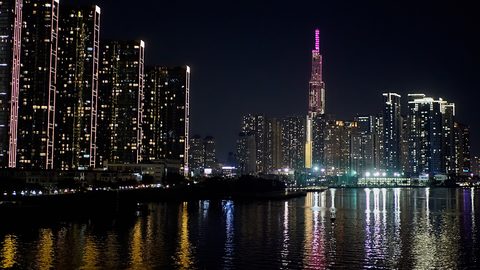 Ho Chi Minh City
An honest Ho Chi Minh City travel guide for travellers who thrive on sensory overload, street-food obsession, and 10 million motorbikes rather than quiet temples.
Ho Chi Minh City
An honest Ho Chi Minh City travel guide for travellers who thrive on sensory overload, street-food obsession, and 10 million motorbikes rather than quiet temples.