The Museum of Cham Sculpture in Da Nang and Its World-Class Collection
The Museum of Cham Sculpture in Da Nang holds the finest Cham artefacts in the world in a small colonial-era building near the river.

The Museum of Cham Sculpture in Da Nang and Its World-Class Collection
Most visitors arrive in Da Nang expecting a beach holiday with a side of city life. What they do not expect is a quiet, air-conditioned room full of 300 sandstone sculptures that predate Angkor Wat. The Cham Museum Da Nang holds the largest assembly of Cham sculpture in the world, and it sits on the riverfront in Hai Chau District, a 10 minute walk from the Dragon Bridge. For anyone heading to My Son Sanctuary, this museum is the essential primer. For everyone else, it is a 90 minute stop that makes sense of a civilisation that ruled central Vietnam for over a thousand years.
- Official Name: Museum of Cham Sculpture
- Address: 02, 2 Thang 9 Street, Hai Chau District, Da Nang
- Location: West bank of the Han River, near the Dragon Bridge
- Building Year: 1915
- Building Style: French colonial pavilion
- Collection Size: Approximately 300 sandstone and terracotta sculptures
- Collection Date Range: 7th to 15th centuries
- Opening Hours: 07:00 to 17:00 daily. The 2026 schedule is set by the Da Nang museum authority.
- Ticket Price: 60,000 VND in 2026. The rate is published by the Da Nang Department of Culture and Sports.
- Typical Visit Duration: 90 minutes
- Audio Guide: Available and recommended due to thin object labelling
What is the Museum of Cham Sculpture?
The museum is a single pavilion built in 1915 in the French colonial style, purpose built for a trove that had outgrown its earlier home in Hoi An. It holds roughly 300 artefacts, almost all carved from sandstone, plus some terracotta pieces. The works date from the 7th to the 15th centuries and draw from the major sites of the Cham kingdom, which controlled central and southern Vietnam from roughly the 2nd century until 1832.
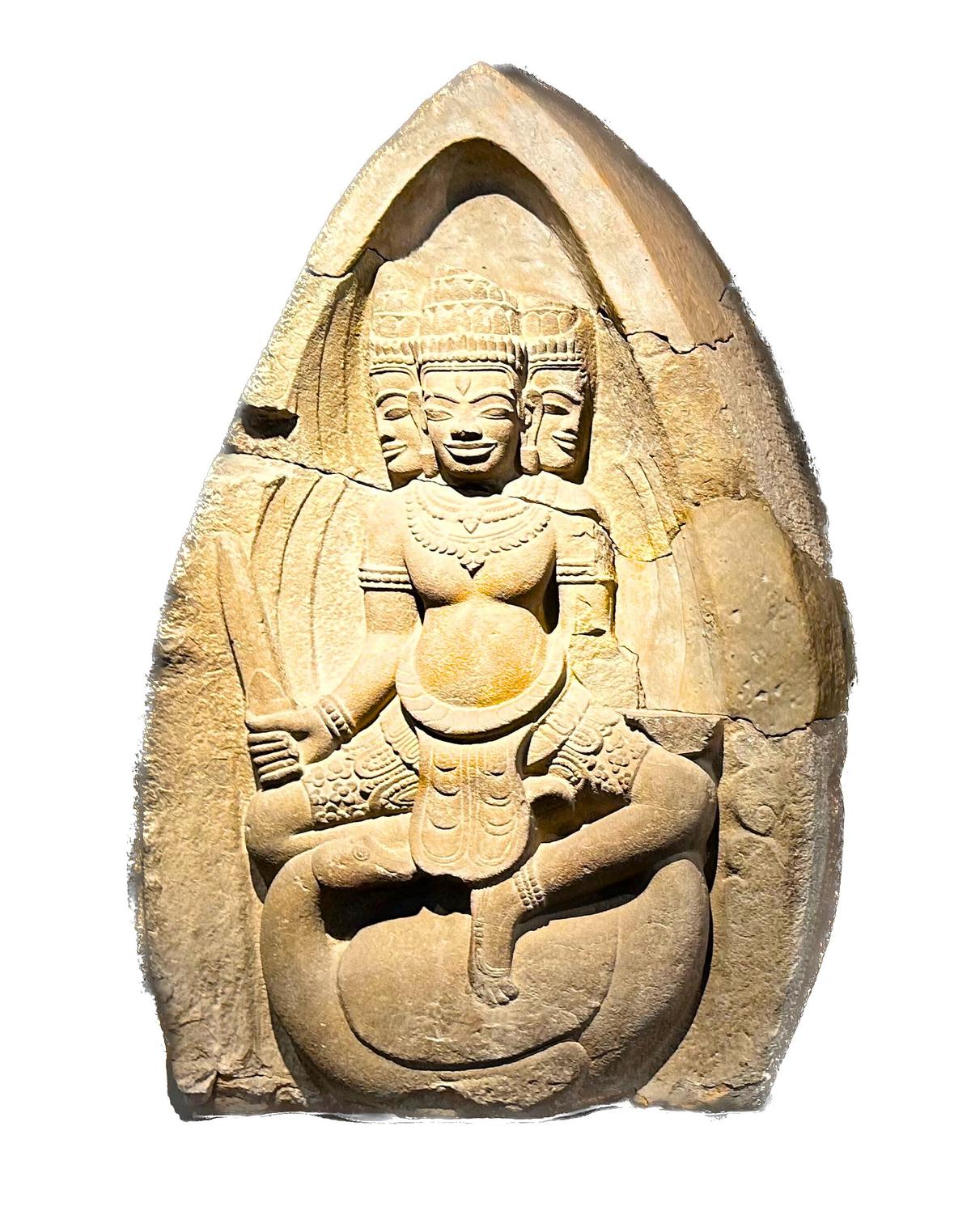
The Cham were Hindu influenced, with later Islamic influence. Their sculpture is dominated by Hindu deities, guardian figures, and narrative reliefs. You will see linga, apsara figures, pedestal bases, and animal headed gods like Ganesha. The key pieces are the Tra Kieu altar, a set of dancing apsaras, a Shiva figure, and a Ganesha figure.
Why the Galleries Are Organised by Site
The gallery organisation follows the excavation site, not chronology or theme. The main galleries are My Son, Tra Kieu, Dong Duong, and Thap Mam. This layout serves a practical purpose: it lets you compare how the same iconography shifted across different regional workshops. The My Son gallery shows the mature Cham style that most visitors recognise from the sanctuary. The Dong Duong gallery reveals the more angular, intense style from a Buddhist monastery complex. The Thap Mam pieces are later and show more Islamic decorative influence.
Is it Worth Visiting?
Yes, with conditions. This is a small, serious museum, not a multi hour attraction. Budget 90 minutes. Rent the audio guide. Without it, you walk past centuries of iconography understanding nothing. The object labelling is thin, often just a site name and a century. The audio guide fills in the religious meaning and the excavation history.
Skip it if pre colonial history does not interest you, or if your Da Nang itinerary is under two days and you already have My Son or Hoi An pencilled in. The museum rewards preparation, not spontaneity. Visit before My Son, never after. The museum provides the iconographic and historical context that makes the ruins meaningful. Seeing the sanctuary first and then the museum means you spend the whole time at My Son staring at pedestals and linga without knowing what they mean.
Who Should Skip It Entirely
Travellers seeking deep heritage should stay in Hoi An instead. Families with young children will find the museum static and quiet; there are no interactive exhibits. Backpackers on a tight schedule should prioritise the Marble Mountains and the Hai Van Pass over this stop unless they are specifically interested in Cham history.
Cham Artefacts Da Nang: What You Will See
The holdings are almost entirely sandstone, carved from the same quarries that supplied the Cham temple builders. The pieces were removed from their original sites during the French colonial period, mainly from My Son, Tra Kieu, Dong Duong, and Thap Mam. The Tra Kieu altar is the star: a large pedestal base covered in narrative reliefs that show dancers, musicians, and ritual scenes. The dancing apsara figures are the most recognisable pieces; they appear on postcards and museum branding. The Shiva figure sits in a central position, with the calm, frontal pose that marks high period Cham sculpture. The Ganesha figure, with an elephant head and a broken tusk, is one of the few Cham representations of this god to survive intact.
Look for the pedestal bases in the Thap Mam gallery. These show the shift toward Islamic decorative motifs after the 13th century, when Cham trade networks pushed south and west. The terracotta pieces are rare, mostly small votive tablets and architectural ornaments from the Dong Duong site.
Da Nang Museum: How to Visit Well
Arrive at 07:00 when the museum opens. The morning light falls well through the pavilion windows, and the air conditioning is most effective before the midday heat. The museum is at 02, 2 Thang 9 Street, Hai Chau District, on the west bank of the Han River, a 10 minute walk from the Dragon Bridge. A Grab from My An or the beach takes 15 to 20 minutes and costs 60,000 to 90,000 VND.
Buy the ticket at the entrance counter. Cash is simpler. The 60,000 VND rate in 2026 is set by the Da Nang Department of Culture and Sports and is published at the ticket window. No advance booking is needed. No timed entry. No ID requirement. The museum closes at 17:00, and the last admission is at 16:30.
The Mistake Most Visitors Make
They assume the museum is a quick 30 minute walkthrough before lunch. It is not. The object labelling is minimal, so without the audio guide you miss the context that makes the holdings compelling. Rent the audio guide at the counter. It costs a small additional fee and takes the visit from a collection of stone heads to a coherent narrative of Cham religion and politics.
What Is Nearby
The museum is on the riverfront. After your visit, walk north along the Han River toward the Dragon Bridge. The Danang Downtown complex and night market are a 10 minute walk. Han Market is 15 minutes north on foot. The Sun Wheel and Asia Park are a 5 minute Grab ride. The riverfront benches under the trees are the best spot to sit and process what you saw.
.jpg)
Cham Sculpture Collection: Context Makes it Work
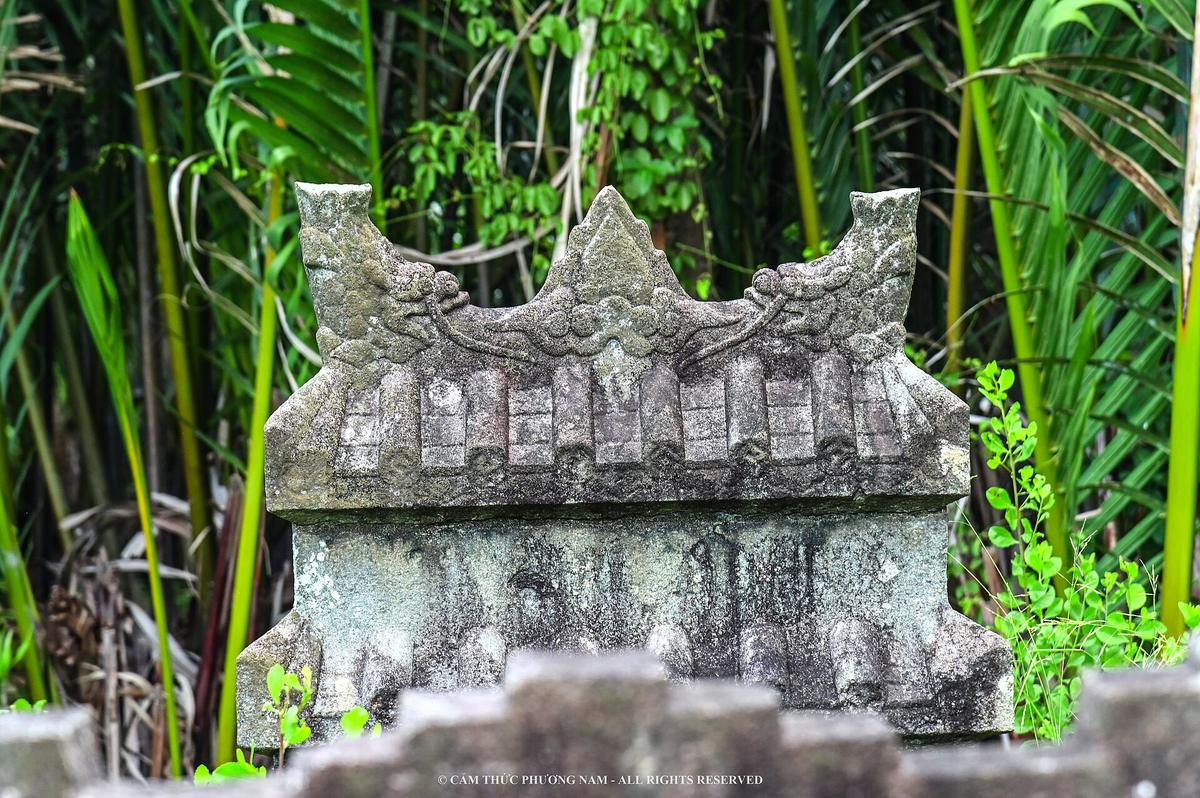
This is the largest assembly of Cham sculpture in the world. But size alone does not make a museum compelling. What makes this one work is the way it isolates Cham art as a distinct tradition, separate from the Khmer and Vietnamese traditions that surrounded it. The Cham kingdom was a Hindu maritime power that controlled the coast from the 2nd century onward. Their sculpture is flatter and more linear than Khmer carving, with less depth and more emphasis on the outline. The faces are rounder, the headdresses taller, and the posture more rigid.
The museum lets you see this evolution in one room. The My Son pieces are the most polished, the Dong Duong pieces the most expressive, and the Thap Mam pieces the most eclectic. You can trace the decline of Hindu iconography as Islamic influence arrived after the 13th century. The works stop in the 15th century, after which Cham power collapsed under Vietnamese expansion.
Common Questions
How long does it take to visit the Museum of Cham Sculpture?
90 minutes. Add 15 minutes for the audio guide rental and orientation at the entrance.
What are the opening hours for the Cham Museum in Da Nang?
07:00 to 17:00 daily, including weekends. The last admission is at 16:30. This schedule is set annually by the Da Nang museum authority.
How much is the entrance fee for the Cham Museum?
60,000 VND in 2026. The Da Nang Department of Culture and Sports publishes the current rate at the ticket window. Cash is preferred.
Should I visit the Cham Museum before or after My Son?
Before. The museum provides the iconographic and historical context for the My Son ruins. Visiting after means you will recognise the sculpture types but will have missed the narrative that explains them.
Is the audio guide worth it at the Cham Museum?
Yes. The object labelling is thin, often just a site name and a century. The audio guide explains the religious meaning, the excavation history, and the stylistic differences between sites like My Son and Dong Duong.
Where is the Cham Museum located in Da Nang?
02, 2 Thang 9 Street, Hai Chau District, on the west bank of the Han River, a 10 minute walk from the Dragon Bridge.
Is the Cham Museum suitable for children?
Not really. The museum is static and quiet with no interactive exhibits. Children under 10 will find it difficult to stay engaged for 90 minutes.
Read next
-
 Da Nang Hotels by Type and Price Band With Resort Oversupply Value
Da Nang hotels range from beachfront high-rises to small My An stays, and resort oversupply means strong value outside peak weeks.
Da Nang Hotels by Type and Price Band With Resort Oversupply Value
Da Nang hotels range from beachfront high-rises to small My An stays, and resort oversupply means strong value outside peak weeks.
-
 Where to Stay in Da Nang and Whether to Stay in Hoi An Instead
Where to stay in Da Nang depends first on whether you should stay in Hoi An instead. Compare My An, An Thuong, Hai Chau, and the beach resorts.
Where to Stay in Da Nang and Whether to Stay in Hoi An Instead
Where to stay in Da Nang depends first on whether you should stay in Hoi An instead. Compare My An, An Thuong, Hai Chau, and the beach resorts.
-
 Flights to Da Nang Airport and Arrival Transfers
Flying to Da Nang: DAD airport transfers, taxi and Grab costs, and why Hue or Chu Lai airports mean a long road journey.
Flights to Da Nang Airport and Arrival Transfers
Flying to Da Nang: DAD airport transfers, taxi and Grab costs, and why Hue or Chu Lai airports mean a long road journey.
-
 Da Nang Things to Do Ranked Honestly for a Short City List
Da Nang things to do are a short list, so rank them. Marble Mountains and Son Tra lead, while Ba Na Hills needs an honest crowd warning.
Da Nang Things to Do Ranked Honestly for a Short City List
Da Nang things to do are a short list, so rank them. Marble Mountains and Son Tra lead, while Ba Na Hills needs an honest crowd warning.
-
 Best Time to Visit Da Nang Month by Month With Central Coast Seasons
Best time to visit Da Nang is February to May, before the June fireworks crowds and the October to December typhoon season.
Best Time to Visit Da Nang Month by Month With Central Coast Seasons
Best time to visit Da Nang is February to May, before the June fireworks crowds and the October to December typhoon season.
-
 Getting Around Da Nang by Grab Taxi and the Walks That Do Not Work
Getting around Da Nang means Grab for most trips. Walking between beach, centre, and Son Tra looks close but is not practical.
Getting Around Da Nang by Grab Taxi and the Walks That Do Not Work
Getting around Da Nang means Grab for most trips. Walking between beach, centre, and Son Tra looks close but is not practical.
-
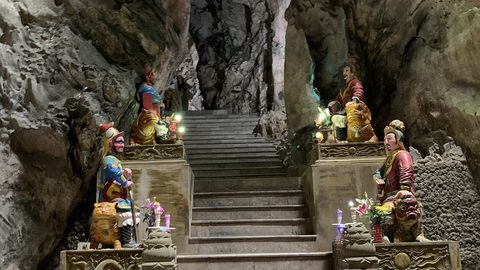 Marble Mountains
The Marble Mountains in Da Nang: five limestone hills of caves and shrines, steep steps, and a lift that saves your legs.
Marble Mountains
The Marble Mountains in Da Nang: five limestone hills of caves and shrines, steep steps, and a lift that saves your legs.
-
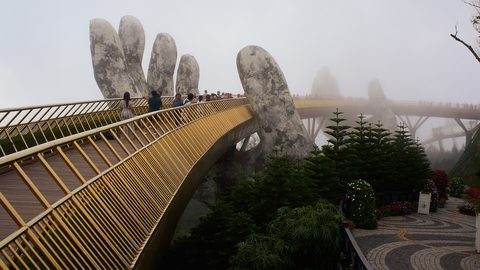 Ba Na Hills
 in Da Nang: a mountaintop theme park built round the Golden Bridge photograph, with an honest verdict on whether to go.
Ba Na Hills
Ba Na Hills in Da Nang: a mountaintop theme park built round the Golden Bridge photograph, with an honest verdict on whether to go.
-
 Vietnam Travel Guide From Hanoi to Ho Chi Minh City
Plan a Vietnam trip that fits the country's real scale, climate, and pace instead of trying to cover all 1,650km in one go.
Vietnam Travel Guide From Hanoi to Ho Chi Minh City
Plan a Vietnam trip that fits the country's real scale, climate, and pace instead of trying to cover all 1,650km in one go.