Visiting My Son Sanctuary From Da Nang and the Hour to Be There
My Son Sanctuary from Da Nang rewards an early start: the Cham brick towers sit in a jungle valley that gets hot and crowded by mid-morning.
.jpg)
Visiting My Son Sanctuary from Da Nang and the Hour to Be There
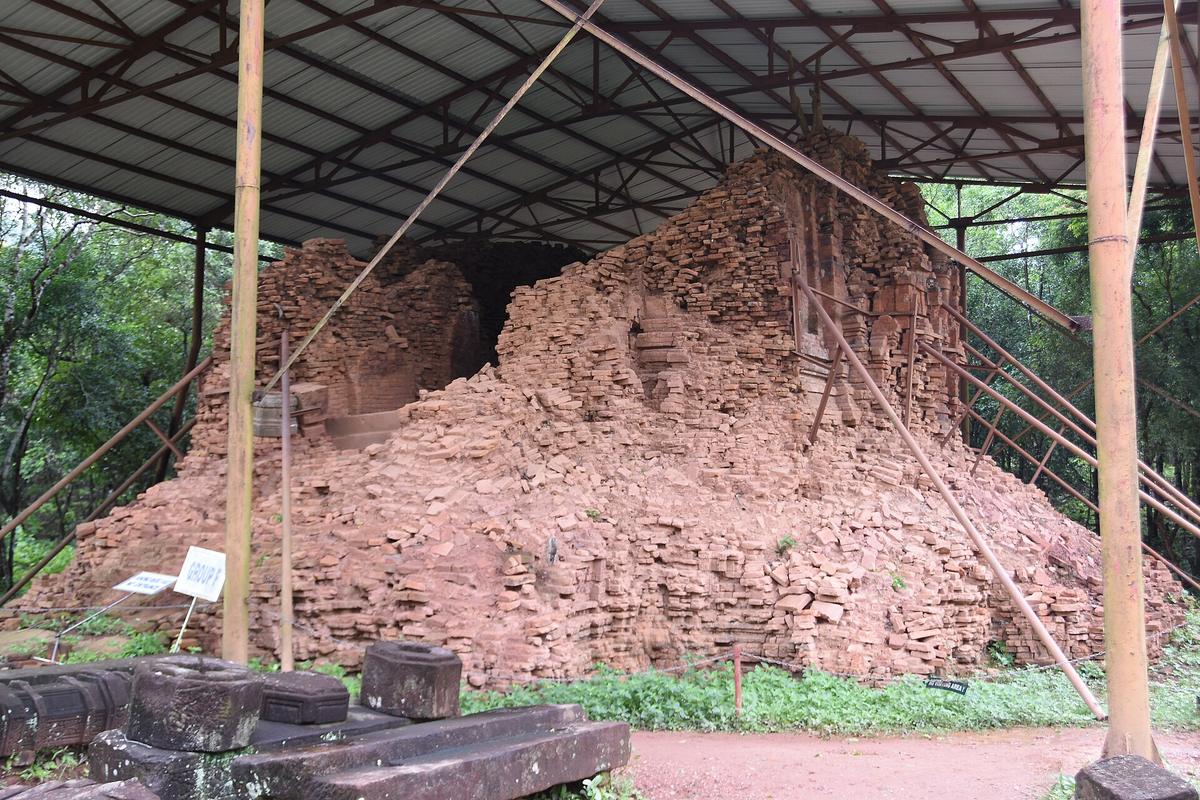
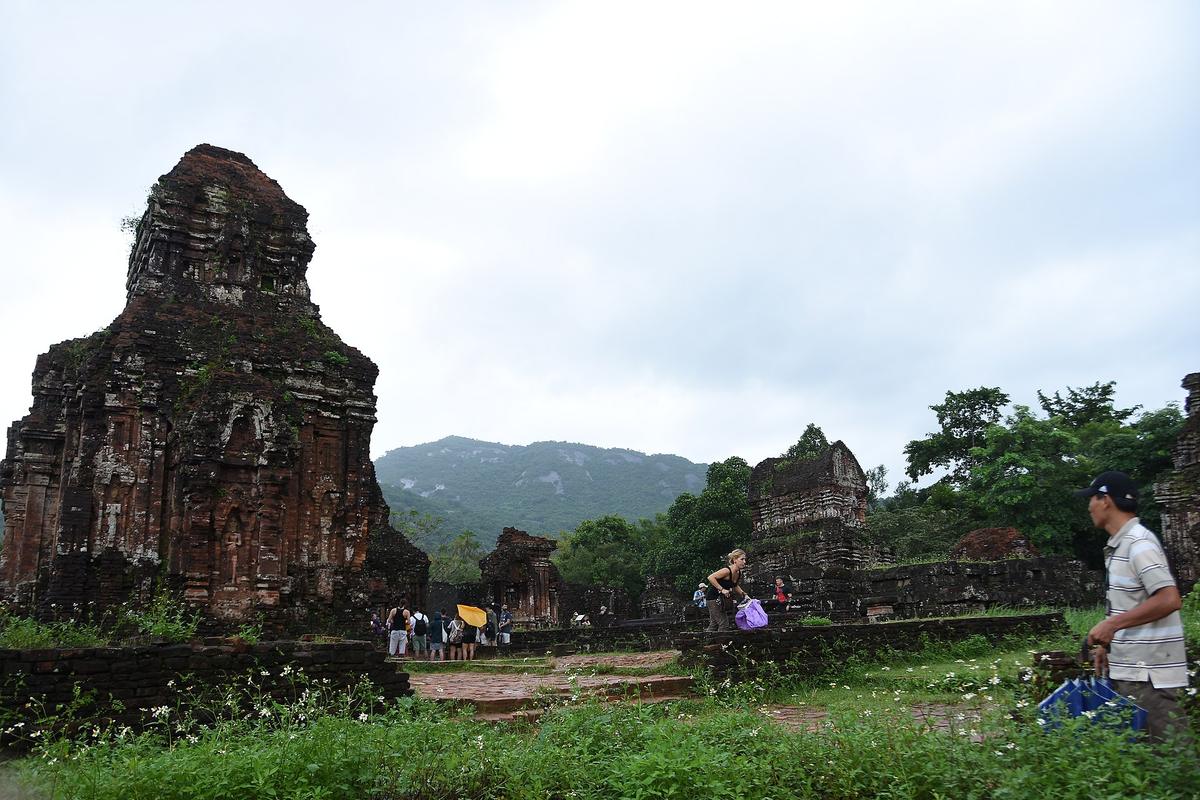
The common mistake is treating My Son Sanctuary as an afternoon stop. You can go at noon. You will regret it. By 10:00 the valley is airless, the brick towers give almost no shade, and tour buses from Da Nang and Hoi An start pulling in around 9:00, turning the paths into a conga line of slow-moving groups. The correct hour is 6:00, the moment the gate opens. You finish before the heat forces a choice between buying a cold drink every twenty minutes and cutting the visit short. My Son Sanctuary sits about 40 km southwest of Da Nang, a 1-hour drive by Grab or car transfer. The site is a valley of Hindu brick temple towers built by the Cham between the 4th and 14th centuries CE, inscribed as a UNESCO site in 1999. It is the largest surviving Cham temple complex in Vietnam. It is also a site heavily damaged by US bombing in 1969, leaving only a fraction of the original structures. Bomb craters were left in place as part of the record. That matters. Your visit is not about polish. It is about walking through an archaeological puzzle while you have the light and the quiet to see it.
My Son from Da Nang: What an Early Start Actually Looks Like
The Sunrise Timeline
A sunrise tour from Da Nang departs before 5:00. You pay for a car transfer, arrive at the ticket gate by 5:45, and enter at 6:00. The electric cart runs from 6:00 onward, taking you about 2 km from the gate to the temple area. Walk straight to group B, the group with the most intact main tower, before anyone else reaches it. By 8:00 you have seen groups B, C, D, and have made the walk to E and F. Those two are worth the extra distance: they sit further from the main path and get fewer visitors. By 9:00 the morning light has shifted and the first tour-group waves arrive. You are already heading back toward the cart stop. Total visit: about 3 hours.
The Standard Tour Alternative
A standard day tour leaves Da Nang at 7:30 or 8:00. You arrive at 9:00, share the site with every other coach, and walk the paths in full sun.
Cham Temple Ruins: What You Are Actually Walking Through
The Brick and the Bond
The Cham built these towers as Hindu temples, using red brick and a bonding method that remains unsolved. No visible mortar holds the bricks. How the Cham masons achieved that bond is still an open question. Restoration work continues across the site.
Groups Open to Visitors
Groups open to visitors are B, C, D, E, F, G, H, and K. Group A, which contains the largest temple tower, is closed to the public. Group B has the most intact structure and is where most photographs happen. Groups E and F are worth the walk from the main area, since they sit in quieter sections of the jungle valley.
The Heat Deadline
The valley itself is enclosed, which traps humidity and heat. By 10:00 the air stops moving. That is the hard deadline. After 10:00, the experience shifts from exploring ruins to enduring them. The Cham dance performance near the entrance runs during opening hours on a scheduled basis, but it is a stop on your way out, not a reason to delay your arrival.
My Son Early Morning: Why 6:00 is the Only Real Option
First entry at 6:00 gives you three things that disappear after 9:00. One: the morning light hits the brick towers at an angle that reveals texture and colour, not the flat glare of midday. Two: the walking paths are empty. You can stand in group D without another person in frame. Three: the valley temperature is still bearable. The heat by mid-morning is oppressive, and the site has limited shade. Tour groups from Da Nang begin arriving around 9:00, with a second wave around 10:30. The carts queue, the path narrows at the bridges, and the sound of multiple guides speaking over each other fills the clearing. If you cannot arrive at 6:00, book a private car transfer and aim for 7:00, accepting that you will share the site with the earliest tours. The 6:00 entry is the only way to avoid both the heat and the crush.
My Son and Hoi an Combined: the Return Boat Route That Saves You
The best combination is My Son early morning, then a river boat from My Son to the Hoi An area. Take the boat rather than the road. It drops you near Hoi An without backtracking through Da Nang traffic. Arrange the boat with your driver before leaving Da Nang, or book a tour that includes the river option. You finish My Son by 9:30, take the boat, and arrive in Hoi An in time for lunch. You then have the afternoon for Hoi An old town. The alternative is returning to Da Nang by road, which takes over an hour and puts you in the city by late morning with the rest of the day ahead. That works if you want a beach afternoon at My Khe or a meal in the My An expat area. Do not attempt My Son in the morning and Hoi An in the afternoon without the boat. The road transfer between them plus the midday heat turns a half-day into a draining full day.
Visiting My Son Sanctuary from Da Nang: the Practical Numbers
Drive Time and Cost
Da Nang to My Son Sanctuary is about 40 km, roughly 1 hour by car or Grab. A Grab one-way costs around 400,000 to 600,000 VND depending on car type and time of day. Standard day tours from Da Nang cost from 500,000 VND per person and include the car transfer, guide, and entry. Sunrise tours cost more: they involve an earlier departure and a smaller group.
Entrance Fee
The ticket price for My Son Sanctuary is revised annually. The 2024 rate was 150,000 VND for adults. The official source for the current rate is the Quang Nam provincial tourism department. The ticket includes the electric cart from the gate to the temple area. Buy tickets at the gate; do not buy third-party bundles that include extras you do not need.
Opening Hours and Cart
The site opens 6:00 to 17:00 daily. Last entry is 16:00. The cart operates from 6:00 to 17:00. If you arrive outside cart hours, walk the 2 km from the gate. The walking path is paved and flat. Heat is the only obstacle.
.jpg)
Museum of Cham Sculpture: Visit Before My Son, Not After
The Museum of Cham Sculpture in Da Nang city centre holds the context your My Son visit needs. It displays the stone carvings and statuary recovered from sites like My Son, arranged by excavation period and region. The museum building itself sits near the Han River in Hai Chau district, about 15 minutes by Grab from most hotels. Visit the museum the day before your My Son trip. You arrive at the valley already understanding what the Cham were building, which gods the towers honoured, and what the missing pieces look like. Visiting after My Son feels backward: you spend the temple walk wondering what the artefacts you are not seeing look like. The museum is compact, takes about 1 hour, and costs 60,000 VND. It is one of the few world-class museums in Vietnam devoted to a single culture.
Who My Son Sanctuary Suits and Who Should Skip it
Who It Suits
My Son suits travellers who want to understand Cham history, see a UNESCO site that is not polished into a theme park, and are willing to wake up early to do it well. It suits photographers who want empty frames. It suits anyone already planning to visit the Museum of Cham Sculpture in Da Nang; the two sites together form a complete picture of a culture that survives mostly in brick and stone.
Who Should Skip It
My Son does not suit travellers looking for a relaxed morning. The 6:00 entry requires a 4:30 or 5:00 wake-up depending on your hotel location. It does not suit those who find ruins repetitive. The site is a valley of towers that look similar to each other, differentiated mostly by condition and group letter. It does not suit travellers with serious mobility issues. The walking paths are mostly flat but the distance between groups adds up, and the cart only covers the 2 km from the gate. The single thing that most often goes wrong: arriving at 10:00 because the drive felt short, then leaving after 45 minutes because the heat and the tour-bus crush made the site unreadable.
Read next
-
 Da Nang Hotels by Type and Price Band With Resort Oversupply Value
Da Nang hotels range from beachfront high-rises to small My An stays, and resort oversupply means strong value outside peak weeks.
Da Nang Hotels by Type and Price Band With Resort Oversupply Value
Da Nang hotels range from beachfront high-rises to small My An stays, and resort oversupply means strong value outside peak weeks.
-
 Where to Stay in Da Nang and Whether to Stay in Hoi An Instead
Where to stay in Da Nang depends first on whether you should stay in Hoi An instead. Compare My An, An Thuong, Hai Chau, and the beach resorts.
Where to Stay in Da Nang and Whether to Stay in Hoi An Instead
Where to stay in Da Nang depends first on whether you should stay in Hoi An instead. Compare My An, An Thuong, Hai Chau, and the beach resorts.
-
 Flights to Da Nang Airport and Arrival Transfers
Flying to Da Nang: DAD airport transfers, taxi and Grab costs, and why Hue or Chu Lai airports mean a long road journey.
Flights to Da Nang Airport and Arrival Transfers
Flying to Da Nang: DAD airport transfers, taxi and Grab costs, and why Hue or Chu Lai airports mean a long road journey.
-
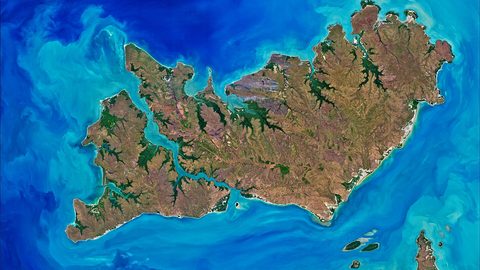 Da Nang Things to Do Ranked Honestly for a Short City List
Da Nang things to do are a short list, so rank them. Marble Mountains and Son Tra lead, while Ba Na Hills needs an honest crowd warning.
Da Nang Things to Do Ranked Honestly for a Short City List
Da Nang things to do are a short list, so rank them. Marble Mountains and Son Tra lead, while Ba Na Hills needs an honest crowd warning.
-
 Best Time to Visit Da Nang Month by Month With Central Coast Seasons
Best time to visit Da Nang is February to May, before the June fireworks crowds and the October to December typhoon season.
Best Time to Visit Da Nang Month by Month With Central Coast Seasons
Best time to visit Da Nang is February to May, before the June fireworks crowds and the October to December typhoon season.
-
 Getting Around Da Nang by Grab Taxi and the Walks That Do Not Work
Getting around Da Nang means Grab for most trips. Walking between beach, centre, and Son Tra looks close but is not practical.
Getting Around Da Nang by Grab Taxi and the Walks That Do Not Work
Getting around Da Nang means Grab for most trips. Walking between beach, centre, and Son Tra looks close but is not practical.
-
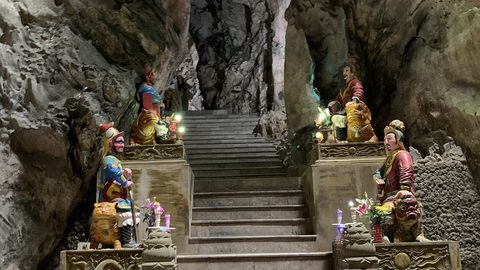 Marble Mountains
The Marble Mountains in Da Nang: five limestone hills of caves and shrines, steep steps, and a lift that saves your legs.
Marble Mountains
The Marble Mountains in Da Nang: five limestone hills of caves and shrines, steep steps, and a lift that saves your legs.
-
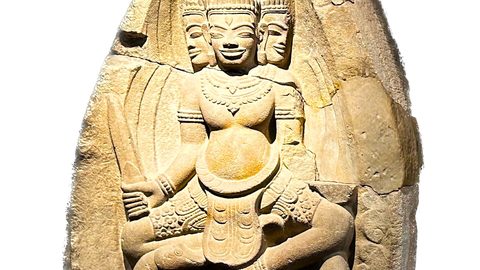 Museum of Cham Sculpture
The Museum of Cham Sculpture in Da Nang holds the finest Cham artefacts in the world in a small colonial-era building near the river.
Museum of Cham Sculpture
The Museum of Cham Sculpture in Da Nang holds the finest Cham artefacts in the world in a small colonial-era building near the river.
-
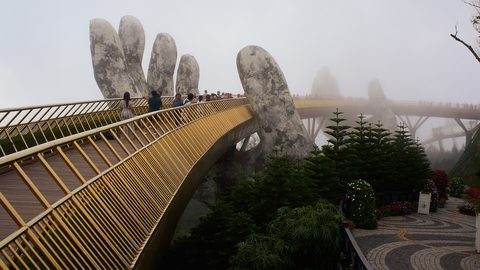 Ba Na Hills
 in Da Nang: a mountaintop theme park built round the Golden Bridge photograph, with an honest verdict on whether to go.
Ba Na Hills
Ba Na Hills in Da Nang: a mountaintop theme park built round the Golden Bridge photograph, with an honest verdict on whether to go.