How to Combine the Hai Van Pass and Hue From Da Nang in One Long Day
The Hai Van Pass and Hue can be done from Da Nang in one long day, but only if you pick a direction and accept you will not see all of Hue.


How to Combine the Hai Van Pass and Hue from Da Nang in One Long Day
You have one free day in Da Nang and you want to see the Hai Van Pass and Hue in a single push. The honest answer is yes, it is possible, but only if you accept the trade-off: you get one direction of coastal road scenery and roughly four hours inside Hue's sights. The least exhausting order is to take the train or private car one way and drive the pass the other. Here is the exact sequence, the costs, and the moment when you should skip Hue entirely and just ride the pass.
Da Nang to Hue Day Trip: the Realistic Plan
A single-day trip from Da Nang to Hue takes 10 to 12 hours total, including travel and sightseeing. You will cover 100 to 110 kilometres each way if you use the Hai Van Pass, or 80 kilometres each way through the tunnel. The key decision is which direction to take the pass and which to take the faster route.
Your Order: Pass One Way, Train or Tunnel the Other
Start early. Leave Da Nang by 07:00. The most common and efficient sequence is to take the Hai Van Pass by bike or car heading north to Hue, then return to Da Nang by train or via the Hai Van Tunnel. Doing the pass in the morning gives you clearer views before the afternoon cloud cover rolls in. The pass summit sits at 500 metres, and the weather can change visibly between the Da Nang side and the Lang Co side.
Ride Over the Pass, Train Back
Rent a bike in Da Nang for a one-way trip. The 2025 rate for a rental with luggage transfer from Da Nang to Hue was 300,000 to 600,000 VND. If you do not want to ride yourself, hire an easy rider with a driver-guide for 800,000 to 1,200,000 VND one way. Ride the 21-kilometre pass road (National Route 1A), stopping at the viewpoints and the French-colonial and Vietnam War bunkers. Descend past Lang Co Beach and its visible oyster farms in the lagoon. Arrive in Hue around 10:00. Drop the bike and spend the next four to five hours visiting the Imperial City and one tomb. Catch the 15:00 or 16:00 train from Hue back to Da Nang. The train journey takes 2.5 to 3 hours and runs along the coast below the pass, not over it, giving you a different view of the same coastline. A soft seat ticket cost 90,000 to 120,000 VND in 2025; a soft sleeper was 140,000 to 180,000 VND.
Private Car Over the Pass, Back Through the Tunnel
Hire a private car with driver for the full day. The one-way rate via the pass was 1,000,000 to 1,500,000 VND in 2025. Your driver can take you over the pass to Hue, wait while you sightsee, then drive you back to Da Nang through the Hai Van Tunnel. The tunnel cuts the return drive to 1.5 to 2 hours and costs a toll of roughly 70,000 VND for cars under 9 seats (check the 2026 rate published by the Vietnam Road Administration). This option is more expensive but saves the logistics of returning the bike and buying train tickets.
Train Both Ways, Hire a Car in Hue
If riding a bike sounds exhausting and a private car is over budget, take the train both ways. Book a 07:00 train from Da Nang to Hue. Arrive in Hue by 09:30 or 10:00. Hire a taxi or Grab in Hue for the Imperial City and a tomb. Take a late train back. This option means you see the pass from the train window only, not from the road. You miss the summit viewpoints and the bunkers.
Hai Van Pass by Bike: What it Actually Costs and Requires
The Hai Van Pass is 21 kilometres of mountain road with coastal views and tight bends. You need a valid motorcycle licence and some experience on Vietnamese roads. Traffic includes trucks, buses, and occasional livestock. The road surface is good but can have gravel patches near the summit.
Rental shops in Da Nang near My An and An Thuong will rent a semi-automatic or manual bike for a one-way trip. They arrange luggage transfer to your hotel in Hue for an extra fee. The 2025 cost for the rental plus transfer was 300,000 to 600,000 VND. An easy rider with a driver-guide cost 800,000 to 1,200,000 VND. The easy rider option includes the driver's return transport, so you do not need to plan that yourself.
Lang Co Beach: Where to Stop and What to See
Lang Co Beach sits at the north foot of the Hai Van Pass. It is a long, sandy beach with a lagoon behind it. The visible oyster farms in the lagoon are the main feature. This is a photo stop, not a swimming stop, unless you have time to spare. If you are on two wheels, pull over at the Lang Co viewpoint about 10 minutes before the lagoon. If you are in a car, ask your driver to stop at the same spot. The train route runs along the lagoon edge, so you will see the oyster farms from the window even if you do not get off.
Hue Imperial City from Da Nang: What You Can Actually See in 4 Hours
The Imperial Citadel in Hue is a 10-kilometre perimeter wall, 6.6 metres high and 21 metres thick, with a 30-metre moat. Construction started in 1804 and finished in 1833. Originally it held more than 160 buildings. After the 1968 Tet Offensive, only 10 major structures survived. The Forbidden Purple City inside the citadel originally covered 10 hectares; zero original structures remain intact. You can see the main gate, the throne hall, the temple buildings, and the scale of the enclosure in about two hours.
Pick One Tomb
Add one tomb to your day. Tu Duc Tomb, built from 1864 to 1867, covers 12 hectares with 50 structures. It is the largest and most atmospheric of the Nguyen tombs. Khai Dinh Tomb, built from 1920 to 1931, is much smaller at 0.5 hectares but highly ornate. The 1920s construction cost 1 million piastres. Pick Tu Duc if you prefer gardens and lakes; pick Khai Dinh if you prefer mosaic and concrete detail.
What to Skip and What to Eat
Skip Thien Mu Pagoda unless you arrive early. The pagoda was founded in 1601 and its Phuoc Duyen Tower, 21 metres tall, was built in 1844. It is on the Perfume River, which in Vietnamese is Song Huong. A dragon boat from the city centre to the pagoda costs 100,000 to 200,000 VND per boat and takes 45 to 60 minutes one way. That time commitment is hard to fit into a four-hour window.
Eat bun bo Hue while you are there. The 2025 price was 35,000 to 60,000 VND per bowl. Hue is known for seven signature dishes, including banh beo, banh nam, banh loc, nem lui, com hen, and che Hue. You will not try all seven in one day, so pick one meal and order the dish the city is named for.


When to Skip Hue and Just Do the Pass
If you arrive in Da Nang during the typhoon season from October to early December, or if the weather forecast shows heavy rain on the pass, skip Hue. Ride the pass as a half-day loop or out-and-back, stopping at Lang Co Beach for lunch and returning via the tunnel. The same applies if you have only one full day in Da Nang and also want to see Hoi An. Hoi An is 45 to 60 minutes from Da Nang and gives you more concentrated heritage in less travel time. The pass alone, out and back, takes about 3 to 4 hours total including stops.
What Most Often Goes Wrong
The single thing that most often goes wrong on this trip is underestimating the weather change on the Hai Van Pass. You can leave Da Nang in bright sun and hit thick cloud cover at the 500-metre summit. Visibility drops to near zero, the road gets slick, and the viewpoints become pointless. Check the webcam at the pass summit before you set out. If it shows cloud, take the train or tunnel both ways and save the pass for a clearer morning.
Read next
-
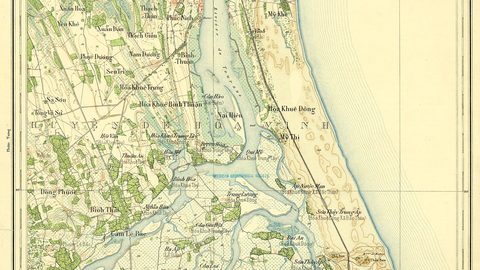
 Da Nang Hotels by Type and Price Band With Resort Oversupply Value
Da Nang hotels range from beachfront high-rises to small My An stays, and resort oversupply means strong value outside peak weeks.
Da Nang Hotels by Type and Price Band With Resort Oversupply Value
Da Nang hotels range from beachfront high-rises to small My An stays, and resort oversupply means strong value outside peak weeks.
-
 Where to Stay in Da Nang and Whether to Stay in Hoi An Instead
Where to stay in Da Nang depends first on whether you should stay in Hoi An instead. Compare My An, An Thuong, Hai Chau, and the beach resorts.
Where to Stay in Da Nang and Whether to Stay in Hoi An Instead
Where to stay in Da Nang depends first on whether you should stay in Hoi An instead. Compare My An, An Thuong, Hai Chau, and the beach resorts.
-
 Flights to Da Nang Airport and Arrival Transfers
Flying to Da Nang: DAD airport transfers, taxi and Grab costs, and why Hue or Chu Lai airports mean a long road journey.
Flights to Da Nang Airport and Arrival Transfers
Flying to Da Nang: DAD airport transfers, taxi and Grab costs, and why Hue or Chu Lai airports mean a long road journey.
-
 Da Nang Things to Do Ranked Honestly for a Short City List
Da Nang things to do are a short list, so rank them. Marble Mountains and Son Tra lead, while Ba Na Hills needs an honest crowd warning.
Da Nang Things to Do Ranked Honestly for a Short City List
Da Nang things to do are a short list, so rank them. Marble Mountains and Son Tra lead, while Ba Na Hills needs an honest crowd warning.
-
 Best Time to Visit Da Nang Month by Month With Central Coast Seasons
Best time to visit Da Nang is February to May, before the June fireworks crowds and the October to December typhoon season.
Best Time to Visit Da Nang Month by Month With Central Coast Seasons
Best time to visit Da Nang is February to May, before the June fireworks crowds and the October to December typhoon season.
-
 Getting Around Da Nang by Grab Taxi and the Walks That Do Not Work
Getting around Da Nang means Grab for most trips. Walking between beach, centre, and Son Tra looks close but is not practical.
Getting Around Da Nang by Grab Taxi and the Walks That Do Not Work
Getting around Da Nang means Grab for most trips. Walking between beach, centre, and Son Tra looks close but is not practical.
-
 Marble Mountains
The Marble Mountains in Da Nang: five limestone hills of caves and shrines, steep steps, and a lift that saves your legs.
Marble Mountains
The Marble Mountains in Da Nang: five limestone hills of caves and shrines, steep steps, and a lift that saves your legs.
-
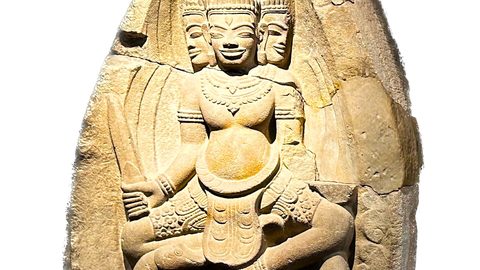 Museum of Cham Sculpture
The Museum of Cham Sculpture in Da Nang holds the finest Cham artefacts in the world in a small colonial-era building near the river.
Museum of Cham Sculpture
The Museum of Cham Sculpture in Da Nang holds the finest Cham artefacts in the world in a small colonial-era building near the river.
-
 Ba Na Hills
 in Da Nang: a mountaintop theme park built round the Golden Bridge photograph, with an honest verdict on whether to go.
Ba Na Hills
Ba Na Hills in Da Nang: a mountaintop theme park built round the Golden Bridge photograph, with an honest verdict on whether to go.