Getting Around Da Nang: Grab, Taxis, and Why Walking Between Districts Does Not Work
Getting around Da Nang means Grab for most trips. Walking between beach, centre, and Son Tra looks close but is not practical.
Getting Around Da Nang: Grab, Taxis, and Why Walking Between Districts Does Not Work
Da Nang is not a walkable beach town. The city stretches 10 km from the Son Tra Peninsula to the Marble Mountains, and even a short trip from the beach to the riverfront takes at least 40 minutes on foot over pavements blocked by parked motorbikes. The backbone of getting around is Grab, supported by metered taxis for terminal arrivals and the local bus as a slow fallback. Walking is only practical inside the An Thuong district. Everything else requires a vehicle. The app is your best option.
How Grab Works in Da Nang: App, Data, and Payment
Set Up the App Before You Land
Grab is the dominant ride-hailing app in Da Nang and the most reliable way to move between districts. You need the app installed and a working data connection. 4G and 5G coverage is strong across the entire city, including the beach and Son Tra Peninsula. Buy a Viettel or Vinaphone SIM at the terminal and you will stay online. Grab, Google Maps, and food delivery apps all work reliably on those networks.
Payment and Pricing
Payment is cash after the ride. You can also link a card inside the app, but most drivers expect small bills. A Grab car from the city centre to My Khe Beach costs 40,000-70,000 VND. A Grab car from the centre to the terminal runs 50,000-90,000 VND. The Grab motorbike base fare starts from around 10,000 VND. A car base fare starts from around 12,000 VND. Do not accept a driver who asks for a fixed price outside the app. The app price is the price.
If you arrive after midnight, Grab still operates but wait times can stretch to 15 minutes. Taxis at the rank are faster at that hour. If your data connection fails, most beachfront hotels and cafes offer free WiFi strong enough to book a ride.
,_file_01.jpg)
Da Nang Airport Taxi: Fixed-Fare Pressure and Why the App is Better
Ignore the Fixed-Fare Offers
At the terminal, taxi drivers working the arrivals hall will quote a fixed fare. That fare is almost always higher than the app price. A Grab car from the terminal to the city centre costs 50,000-90,000 VND and takes 8-12 minutes. To My Khe Beach, it is 12-18 minutes and the same price range. Metered taxis from companies like Mai Linh, Vinasun, and Tien Sa charge a flagfall of 10,000-15,000 VND plus 11,000-16,000 VND per kilometre. That meter rate can end up close to the Grab price, but the driver still has to turn it on.
The failure case: do not accept a fixed fare from a driver who approaches you before you reach the official taxi queue. Walk past them to the Grab pickup point, clearly marked just outside the terminal. If the app is not loading, use the terminal WiFi to book before you step out. If your flight lands during the October-to-December rainy season, flooding can delay pickup access, so allow an extra 15 minutes.
Da Nang Walking Distances: Why the Map Lies
The Only Walkable Zone
Da Nang looks compact on a map. The Han River is narrow, the beach is straight, and the Son Tra Peninsula looms close. In reality, walking between the main districts is impractical. My An and An Thuong are the only walkable zone: a few blocks of expat cafes, bars, and restaurants where the pavement is clear enough to cover on foot. Everywhere else, the distances kill the idea.
Routes You Should Not Attempt
From My Khe Beach to the Dragon Bridge is roughly 3 km. From the Dragon Bridge to the Museum of Cham Sculpture is another 1.5 km. From the centre to the base of the Son Tra Peninsula is 5 km, and the peninsula roads then climb for 10 km more. None of these routes are pleasant on foot. Pavements are blocked by parked motorbikes, forcing you into traffic. Beachfront development means long stretches between shade, water, and food. The coastal road Hoang Sa-Truong Sa-Vo Nguyen Giap is prone to standing water and reduced visibility in heavy rain, making it dangerous to walk during the typhoon season from October to early December.
If you attempt the walk from the city centre to the beach, budget at least 50 minutes one way. Carry water. The walk from the beach to the Son Tra Peninsula trailhead adds another hour. Do not do it. Use Grab instead.
| Route | Grab Car Fare | Drive Time | Taxi Meter Estimate |
|---|---|---|---|
| City Centre to My Khe Beach | 40,000–70,000 VND | 12–18 min | 60,000–90,000 VND |
| City Centre to Da Nang International Airport | 50,000–90,000 VND | 8–12 min | 70,000–100,000 VND |
| Da Nang to Hoi An | 250,000–400,000 VND | 45–60 min | 350,000–500,000 VND |
| Da Nang to Hai Van Pass (day trip) | 1,500,000–2,500,000 VND (car with driver) | Full day | N/A |
Da Nang Local Bus: a Slow Fallback
The local bus network exists but route information is poor and journey times are long. The most useful line for visitors is the yellow bus route 01, which runs between Da Nang and Hoi An. It costs 20,000-30,000 VND, takes 45-60 minutes, and departs from 05:30 to 18:00. That is it for practical tourist routes. Inside the city, buses are infrequent, stops are unmarked in English, and the system does not connect the beach, centre, and Son Tra in a useful way.
Use the bus only if you are on a tight budget and have time to spare. For the 20,000 VND fare, you accept the risk of waiting 30-40 minutes for the next bus and navigating a route that may not drop you within walking distance of your destination. The bus is not a reliable tool for getting around Da Nang efficiently.
Rainy Season Flooding: What Goes Wrong
The Roads That Fail First
From October to early December, Da Nang experiences typhoon and heavy rain season. Flooding can close underpasses and make beach roads impassable for hours. The coastal road Hoang Sa-Truong Sa-Vo Nguyen Giap is the first to flood, cutting off the beach from the centre. If you are on the My An side during a downpour and need to reach Hai Chau, you may have to wait until the water recedes.
What to Do When It Hits
Grab drivers will still operate during light rain but surge pricing kicks in. During flooding, many drivers stop accepting rides. Keep an eye on the weather forecast. Do not schedule a day trip to Hoi An or Ba Na Hills for a day with a 90% rain forecast. If you are already on the wrong side of a flooded underpass, the only option is to wait. Hotels will hold your plans. Do not push for a ride that puts a driver at risk.
Common Questions
How much does a Grab from Da Nang airport to the city centre cost?
A Grab car costs 50,000-90,000 VND and takes 8-12 minutes. Do not accept fixed fares from drivers at the terminal. Use the app instead.
Can I walk from My Khe Beach to the Dragon Bridge?
It is 3 km, taking about 50 minutes on foot. Pavements are blocked by motorbikes and traffic is heavy. Take a Grab car for 40,000-70,000 VND instead.
Is the local bus useful for tourists in Da Nang?
Only route 01 to Hoi An. It costs 20,000-30,000 VND and runs 05:30-18:00. City buses are infrequent, poorly signed, and not practical for sightseeing.
What happens if it floods during my stay?
From October to early December, heavy rain floods underpasses and beach roads. Grab may stop accepting rides. Wait at your hotel until water recedes.
Read next
-
 Da Nang Hotels by Type and Price Band With Resort Oversupply Value
Da Nang hotels range from beachfront high-rises to small My An stays, and resort oversupply means strong value outside peak weeks.
Da Nang Hotels by Type and Price Band With Resort Oversupply Value
Da Nang hotels range from beachfront high-rises to small My An stays, and resort oversupply means strong value outside peak weeks.
-
 Where to Stay in Da Nang and Whether to Stay in Hoi An Instead
Where to stay in Da Nang depends first on whether you should stay in Hoi An instead. Compare My An, An Thuong, Hai Chau, and the beach resorts.
Where to Stay in Da Nang and Whether to Stay in Hoi An Instead
Where to stay in Da Nang depends first on whether you should stay in Hoi An instead. Compare My An, An Thuong, Hai Chau, and the beach resorts.
-
 Flights to Da Nang Airport and Arrival Transfers
Flying to Da Nang: DAD airport transfers, taxi and Grab costs, and why Hue or Chu Lai airports mean a long road journey.
Flights to Da Nang Airport and Arrival Transfers
Flying to Da Nang: DAD airport transfers, taxi and Grab costs, and why Hue or Chu Lai airports mean a long road journey.
-
 Da Nang Things to Do Ranked Honestly for a Short City List
Da Nang things to do are a short list, so rank them. Marble Mountains and Son Tra lead, while Ba Na Hills needs an honest crowd warning.
Da Nang Things to Do Ranked Honestly for a Short City List
Da Nang things to do are a short list, so rank them. Marble Mountains and Son Tra lead, while Ba Na Hills needs an honest crowd warning.
-
 Best Time to Visit Da Nang Month by Month With Central Coast Seasons
Best time to visit Da Nang is February to May, before the June fireworks crowds and the October to December typhoon season.
Best Time to Visit Da Nang Month by Month With Central Coast Seasons
Best time to visit Da Nang is February to May, before the June fireworks crowds and the October to December typhoon season.
-
 Da Nang Itinerary Four Days for a Deliberately Incomplete Central Vietnam Trip
A four-day Da Nang itinerary clustered around beach, Son Tra, Marble Mountains, and food, with a buffer day left deliberately open.
Da Nang Itinerary Four Days for a Deliberately Incomplete Central Vietnam Trip
A four-day Da Nang itinerary clustered around beach, Son Tra, Marble Mountains, and food, with a buffer day left deliberately open.
-
 Marble Mountains
The Marble Mountains in Da Nang: five limestone hills of caves and shrines, steep steps, and a lift that saves your legs.
Marble Mountains
The Marble Mountains in Da Nang: five limestone hills of caves and shrines, steep steps, and a lift that saves your legs.
-
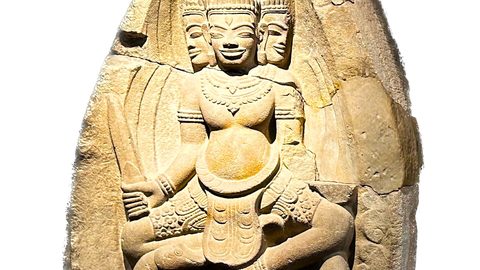 Museum of Cham Sculpture
The Museum of Cham Sculpture in Da Nang holds the finest Cham artefacts in the world in a small colonial-era building near the river.
Museum of Cham Sculpture
The Museum of Cham Sculpture in Da Nang holds the finest Cham artefacts in the world in a small colonial-era building near the river.
-
 Ba Na Hills
 in Da Nang: a mountaintop theme park built round the Golden Bridge photograph, with an honest verdict on whether to go.
Ba Na Hills
Ba Na Hills in Da Nang: a mountaintop theme park built round the Golden Bridge photograph, with an honest verdict on whether to go.