Best Time to Visit Da Nang: Month by Month Through the Central Coast Seasons
Best time to visit Da Nang is February to May, before the June fireworks crowds and the October to December typhoon season.
Best Time to Visit Da Nang: Month by Month Through the Central Coast Seasons
Arrive between February and May. That is when the central coast delivers dry, warm days and a calm sea that makes My Khe Beach swimmable. This window sits at the heart of Da Nang's dry season, with lower humidity than the summer months. Hotel prices climb above wet-season lows, but they buy actual beach weather rather than a bet against typhoons. Outside that window, conditions diverge sharply from both Hanoi and Ho Chi Minh City. Da Nang sits on a central coast seasonal pattern that brings a June fireworks festival crowd spike, brutal July heat, and a September-to-December wet season that shuts down beach access entirely.
Da Nang is a fast-growing coastal city where the appeal is lifestyle and logistics rather than sightseeing density. You get a long, sandy beach, a clean riverfront, and easy access to mountains. The city is more spread out and less atmospheric than Hoi An. The central coast seasons matter here more than in either Hanoi or Ho Chi Minh City because Da Nang's primary draw is the beach, and the beach is a reliable amenity for roughly seven months of the year. Use the month-by-month breakdown below to match your trip to what Da Nang actually delivers when you land.

.jpg)
Da Nang Weather by Month: What Each Month Actually Feels Like
Da Nang weather by month splits into three distinct bands. From February through May, you get dry air, warm temperatures around 28-33°C, and sea conditions calm enough to swim at My Khe Beach without rip current concerns. June through August turns hotter, with temperatures pushing past 35°C and humidity rising, but the rain stays low and the beach remains the most reliable in the year. September through December flips to heavy sustained rain, typhoon risk, and rough seas that make My Khe unsafe for swimming. January sits in a grey zone: cool, overcast, with a rough sea that discourages swimming.
Dry Season Core: February to May
February to May is the window where Da Nang works best for beach-and-city breakers. February is still transitional: temperatures hover around 24-28°C, skies are partly cloudy, and the sea is recovering from the rough January conditions. By March, the dry air settles in. April and May deliver the most comfortable beach weather of the year: warm but not oppressive, low humidity, and a sea calm enough for swimming at both My Khe and the quieter Non Nuoc Beach. This is when Da Nang justifies its reputation as a beach destination. Domestic tourism is moderate outside of Tet, and hotel prices reflect genuine demand rather than a seasonal surge.
Hot, Dry, and Crowded: June to August
June to August conditions are hot and dry, with the most reliable beach weather of the year for swimming. The trade-off is that this is also the domestic holiday season. The Da Nang International Fireworks Festival lands in June and draws large crowds that spike hotel prices and fill beachfront restaurants. July and August are brutally hot: temperatures regularly hit 35-38°C, and the sun is intense enough that you need shade between 11am and 3pm. The beach is still the best place to be, but expect My Khe to be busy in the late afternoon with local families and tourists. Air conditioning is essential. Midday sightseeing on the Marble Mountains or at the Museum of Cham Sculpture is punishing.
Wet Season and Typhoon Risk: September to December
The wet season runs from September to December. Its character is heavy sustained rain, typhoons, and flooding. September often starts with intermittent showers, but October and November are the peak of the typhoon window. During these months, coastal low-lying areas around the Han River east bank and the beachfront can flood, and underpasses become impassable for hours. Rough seas make My Khe unsafe for swimming from September through January. Even if a typhoon does not make landfall directly, the swell and rip currents are dangerous. Hoi An old town floods most years during this period as well. If you are planning a day trip from Da Nang, the wet season cancels that too. December sees a gradual reduction in rain, but January remains cool and grey with a rough sea.
The Shoulder Month: January
January is the transition month between the wet season and the dry season core. Conditions are cool, grey, and the sea is rough. My Khe is unsafe for swimming. The advantage is that crowds are thin outside of the Tet period, and hotel prices hit their low. January works for exploring the city, the Museum of Cham Sculpture, and the Marble Mountains without heat, but it is not a beach month. If you arrive in January and the sky stays grey for your entire stay, that is normal.
Da Nang Rainy Season: What to Expect and How to Work Around it
Da Nang rainy season runs September through December, and it is not a gentle drizzle. Heavy sustained rain, typhoons, and flooding define this period. Hoi An old town floods most years during this window, and Da Nang itself faces similar issues. Beach roads near My Khe and the Han River east bank become impassable for hours after a heavy downpour. Flooding closes underpasses and disrupts Grab rides. If you are in Da Nang during the wet season, budget for indoor activities. The Museum of Cham Sculpture, Con Market for its food court, and the 3D Museum Art in Paradise are options. The cable car to Ba Na Hills sometimes closes during typhoon warnings, so check the weather before booking tickets. Hotel prices drop to their low from September to January, which is the compensation for the weather risk. If you are on a tight budget and can tolerate rain, the wet season offers empty beaches and cheap rooms. If you cannot tolerate the chance of three straight days of rain, do not come between October and mid-December.
Da Nang Tet Travel: What Changes During the Lunar New Year
Tet requires separate planning. It is not a weather event but a disruption of the city's normal operations. Tet falls in late January to February, varying with the lunar calendar each year. During Tet week, many local restaurants and cafes close. The ones that stay open often charge higher prices. Transport costs spike: Grab rides and taxis cost more, and availability drops because drivers are on holiday. Domestic tourism surges as Vietnamese families travel to Da Nang for the holiday. Beaches, the Marble Mountains, and the Son Tra Peninsula fill with local tourists rather than international visitors. The advantage is that Tet also brings festive decorations, street performances, and an energy unique to the holiday. If you want to experience Tet in Da Nang, book accommodation at least two months ahead, expect restaurant closures, and budget for higher transport costs. If you want a normal beach holiday, arrive after Tet ends, usually in the second half of February.
Da Nang Fireworks Festival June: Crowds, Heat, and What it Costs
The Da Nang International Fireworks Festival runs on weekends in June, drawing large domestic and international crowds. Each night features a competition between teams from different countries. The event takes place along the Han River, with the Dragon Bridge and the Danang Downtown complex as the main viewing areas. During the festival, hotel prices spike to their peak for the year. Restaurants and bars in the An Thuong and My An areas fill up. The June heat is brutal: daytime temperatures push past 35°C with high humidity, and the crowds make the riverfront feel even hotter. The beach remains the best escape during the day, but My Khe is crowded with domestic tourists. If you want to see the fireworks, book accommodation in Hai Chau or the Han River east bank for walking access to the viewing areas. If you are not interested in the festival, skip June. You pay peak prices for hot, crowded conditions.
| Month | Beach Conditions | Rain | Crowds | Hotel Pricing |
|---|---|---|---|---|
| January | Rough sea, not swimmable | Moderate, decreasing | Low outside Tet | Low |
| February | Calming, becoming swimmable by late month | Low | Moderate, rising for Tet | Moderate to high |
| March | Good, calm sea | Low | Moderate | Moderate |
| April | Excellent, warm sea | Low | Moderate | Moderate to high |
| May | Excellent, warm sea | Low | Moderate to high | Moderate to high |
| June | Excellent, hot | Low | Very high (fireworks festival) | Peak |
| July | Excellent, hot | Low | High (domestic holidays) | High |
| August | Excellent, hot | Low to moderate | High (domestic holidays) | High |
| September | Deteriorating, rough sea | High, typhoon risk begins | Low | Low |
| October | Not swimmable, rough sea | Very high, typhoon peak | Low | Low |
| November | Not swimmable, rough sea | Very high, typhoon risk | Low | Low |
| December | Not swimmable, rough sea | High, decreasing by late month | Low | Low |
Month by Month Breakdown: What to Do and What to Skip
January
Cool, grey, rough sea. My Khe is not safe for swimming. This is a month for indoor sightseeing: the Museum of Cham Sculpture, Con Market, and the 3D Museum Art in Paradise. The Son Tra Peninsula roads are quieter than in peak season, and the view from Linh Ung Pagoda is still worth the trip even under grey skies. The Da Nang Cathedral is open but with limited hours. Hotel prices sit at their low. Pack a light jacket and accept that you are not getting a beach holiday.February
Transition month. Early February is still cool, and the sea is rough, but by late February the dry season core begins. Tet falls in late January to February, so check the lunar calendar before booking. If Tet falls in your window, expect restaurant closures and transport price spikes. If it does not, February offers improving conditions and moderate crowds.March
Dry, warm, calm sea. My Khe is swimmable. This is a strong month for beach days, with temperatures around 28-30°C. Crowds are moderate, and hotel prices are reasonable. March is one of the best months for a day trip to the Cham Islands, though the speedboat schedule from Hoi An is seasonal and should be confirmed.April
Excellent beach weather. Temperatures are warm, humidity is low, and the sea is calm. This is the sweet spot of the dry season. Crowds are moderate, but domestic tourism starts to pick up toward the end of the month. Hike the Marble Mountains and the Son Tra Peninsula in the morning, before the heat builds.May
Still in the dry season core, but temperatures are rising toward 33-35°C. The beach is excellent, and the sea is calm. Crowds increase as the domestic holiday season approaches. May is a good month for a day trip to Ba Na Hills, though the cable car queues grow longer as the month progresses.June
Hot, dry, and crowded due to the Da Nang International Fireworks Festival. Temperatures push past 35°C. The beach is the best place to be, but My Khe is busy. Hotel prices hit their peak. Skip June if you want to avoid the crowds and high prices. If you are coming for the festival, book accommodation in Hai Chau or the Han River east bank for walking access to the riverfront viewing areas.July
Brutally hot with temperatures hitting 35-38°C. The beach is swimmable but crowded with domestic tourists on holiday. Do not attempt midday sightseeing. Visit the Son Tra Peninsula at sunrise. Hotel prices are high. July is a beach month only; if you cannot tolerate intense heat, this is not your month.August
Similar to July: hot, dry, crowded. The beach remains swimmable. The domestic holiday season continues, so expect full flights and higher prices. August is the last month of reliable beach weather before the wet season begins.September
Wet season begins. Intermittent showers turn into sustained rain by late September. Typhoon risk increases. My Khe starts to deteriorate and becomes unsafe for swimming. Crowds drop sharply, and hotel prices fall to their low. If you come in September, plan for indoor activities and have a backup for every outdoor plan.October
Peak typhoon month. Heavy sustained rain, flooding risk, and rough seas. My Khe is not swimmable. Beach roads can become impassable. Hoi An old town floods most years. Avoid October if you want a beach holiday. If you are already here, focus on the Museum of Cham Sculpture, Con Market, and the 3D Museum Art in Paradise. The Dragon Bridge fire show still runs on weekends unless there is a typhoon warning.November
Similar to October: high rain, typhoon risk, rough seas. Hotel prices are at their low. November is the cheapest time to visit Da Nang, but you are paying for the weather risk. If you can tolerate rain and do not care about the beach, you can find empty hotels and quiet streets.December
Rain decreases through the month, but the sea remains rough. My Khe is unsafe for swimming. December is a transition month into the cooler, grey January conditions. Crowds are low, and hotel prices are low. This is a month for exploring the city without heat, but not for a beach holiday.What Most Often Goes Wrong with Da Nang Timing
The single thing that most often goes wrong is arriving in October or November expecting the beach to be an option. Da Nang is marketed as a beach city, and many travellers assume coastal Vietnam has a long dry season like the south. It does not. The central coast typhoon window is real. When a typhoon passes near Da Nang, the sea turns dangerous, the beachfront roads flood, and your beach holiday becomes an indoor one. If you are coming for the beach, arrive between February and August. Treat the September-to-January window as a city break only, with indoor sightseeing as your primary plan.
Common Questions
What is the best month for beach weather in Da Nang?
April and May deliver the best beach weather: warm, low humidity, calm sea, and moderate crowds. June through August have reliable beach conditions but higher heat and larger crowds.
Can I swim at My Khe Beach in October?
No. My Khe is unsafe for swimming from September through January due to rough seas, rip currents, and typhoon risk. The swimmable window runs roughly February through August.
Does Da Nang flood during the rainy season?
Yes. Heavy sustained rain from September through December causes flooding in low-lying areas, beach roads, and underpasses. Flooding makes roads impassable for hours. Hoi An old town also floods most years during this period.
When is Tet in Da Nang, and what should I expect?
Tet falls in late January to February, varying with the lunar calendar. During Tet week, many restaurants and cafes close, transport prices spike, and domestic tourism surges. Book accommodation two months ahead and expect higher costs.
Is the Da Nang International Fireworks Festival worth the crowds?
It depends on your tolerance for heat and crowds. The festival in June draws large crowds, spikes hotel prices, and the heat is brutal. If you want to see it, book accommodation in Hai Chau or the Han River east bank for walking access. If you prefer a quiet beach holiday, skip June.
What is the cheapest month to visit Da Nang?
September through December offers the lowest hotel prices, with November and December being the cheapest. These months fall in the wet season with heavy rain, typhoon risk, and rough seas that make the beach unusable.
Can I visit Hoi An as a day trip from Da Nang during the wet season?
Hoi An old town floods most years during the September-to-December wet season. Even if it is not flooded, heavy rain makes walking the old town unpleasant. The 45-60 minute Grab ride is also at risk of flooding delays. Do not plan a Hoi An day trip during the wet season.
Read next
-
 Da Nang Hotels by Type and Price Band With Resort Oversupply Value
Da Nang hotels range from beachfront high-rises to small My An stays, and resort oversupply means strong value outside peak weeks.
Da Nang Hotels by Type and Price Band With Resort Oversupply Value
Da Nang hotels range from beachfront high-rises to small My An stays, and resort oversupply means strong value outside peak weeks.
-
 Where to Stay in Da Nang and Whether to Stay in Hoi An Instead
Where to stay in Da Nang depends first on whether you should stay in Hoi An instead. Compare My An, An Thuong, Hai Chau, and the beach resorts.
Where to Stay in Da Nang and Whether to Stay in Hoi An Instead
Where to stay in Da Nang depends first on whether you should stay in Hoi An instead. Compare My An, An Thuong, Hai Chau, and the beach resorts.
-
 Flights to Da Nang Airport and Arrival Transfers
Flying to Da Nang: DAD airport transfers, taxi and Grab costs, and why Hue or Chu Lai airports mean a long road journey.
Flights to Da Nang Airport and Arrival Transfers
Flying to Da Nang: DAD airport transfers, taxi and Grab costs, and why Hue or Chu Lai airports mean a long road journey.
-
 Da Nang Things to Do Ranked Honestly for a Short City List
Da Nang things to do are a short list, so rank them. Marble Mountains and Son Tra lead, while Ba Na Hills needs an honest crowd warning.
Da Nang Things to Do Ranked Honestly for a Short City List
Da Nang things to do are a short list, so rank them. Marble Mountains and Son Tra lead, while Ba Na Hills needs an honest crowd warning.
-
 Getting Around Da Nang by Grab Taxi and the Walks That Do Not Work
Getting around Da Nang means Grab for most trips. Walking between beach, centre, and Son Tra looks close but is not practical.
Getting Around Da Nang by Grab Taxi and the Walks That Do Not Work
Getting around Da Nang means Grab for most trips. Walking between beach, centre, and Son Tra looks close but is not practical.
-
 Da Nang Itinerary Four Days for a Deliberately Incomplete Central Vietnam Trip
A four-day Da Nang itinerary clustered around beach, Son Tra, Marble Mountains, and food, with a buffer day left deliberately open.
Da Nang Itinerary Four Days for a Deliberately Incomplete Central Vietnam Trip
A four-day Da Nang itinerary clustered around beach, Son Tra, Marble Mountains, and food, with a buffer day left deliberately open.
-
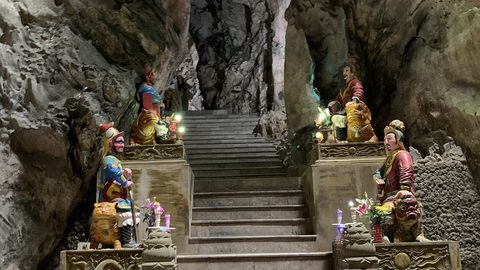 Marble Mountains
The Marble Mountains in Da Nang: five limestone hills of caves and shrines, steep steps, and a lift that saves your legs.
Marble Mountains
The Marble Mountains in Da Nang: five limestone hills of caves and shrines, steep steps, and a lift that saves your legs.
-
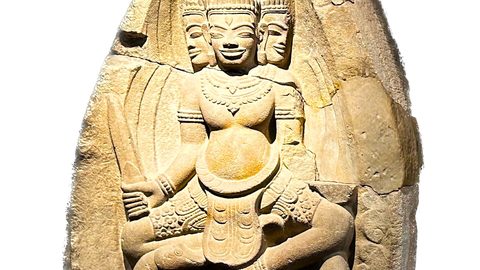 Museum of Cham Sculpture
The Museum of Cham Sculpture in Da Nang holds the finest Cham artefacts in the world in a small colonial-era building near the river.
Museum of Cham Sculpture
The Museum of Cham Sculpture in Da Nang holds the finest Cham artefacts in the world in a small colonial-era building near the river.
-
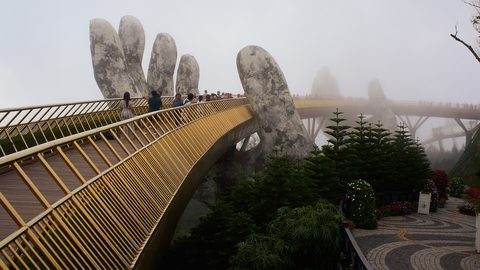 Ba Na Hills
 in Da Nang: a mountaintop theme park built round the Golden Bridge photograph, with an honest verdict on whether to go.
Ba Na Hills
Ba Na Hills in Da Nang: a mountaintop theme park built round the Golden Bridge photograph, with an honest verdict on whether to go.