What to Eat and Watch at Temple Street Night Market
Temple Street's stalls are ordinary, but the fortune tellers, opera singers and dai pai dong food make it the best night market in Kowloon.

What to Eat and Watch at Temple Street Night Market
The man under the flyover has your whole life in his hands, and he delivers the bad news in Cantonese with a cigarette burning between his fingers. You are standing in the north end of Temple Street at 21:00, and the neon tubes above the dai pai dong reflect off oil-slicked asphalt. This is why you come here. Not for the racks of iPhone cases that match every other market in Kowloon. You come for the food smoke, the fortune tellers, and the chance that someone will start singing Cantonese opera for no reason other than they feel like it.
Temple Street Night Market runs about 600 metres from the Tin Hau Temple complex at the north end down to Jordan Road. Most visitors hit the south section, load up on counterfeit watches and branded bags, and leave wondering what the fuss was about. The north section, from the temple south to roughly Saigon Street, holds everything that makes this market worth your evening. Arrive at 19:00 when the stalls are setting up and aim for the flyover end.
- Nearest MTR Exit: Jordan Station, Exit A (Tsuen Wan Line). Walk north along Temple Street.
- Hours: 19:00 to 23:00. Most stalls active by 19:30. Do not show up at 17:00.
- Busiest Hours: 20:00 to 22:30. Crowded but atmospheric. Go before 20:00 for easier seating at dai pai dong.
- What You Want: North end: fortune tellers under the flyover, Cantonese opera near Tin Hau Temple, and dai pai dong food.
- What You Can Skip: The south section merchandise stalls. Same phone cases, same bags, same everything as Ladies' Market in Mong Kok.
- Bring: Cash. Some stalls take Octopus or Alipay, but many small food vendors do not.
Where to Eat: the Dai Pai Dong Section
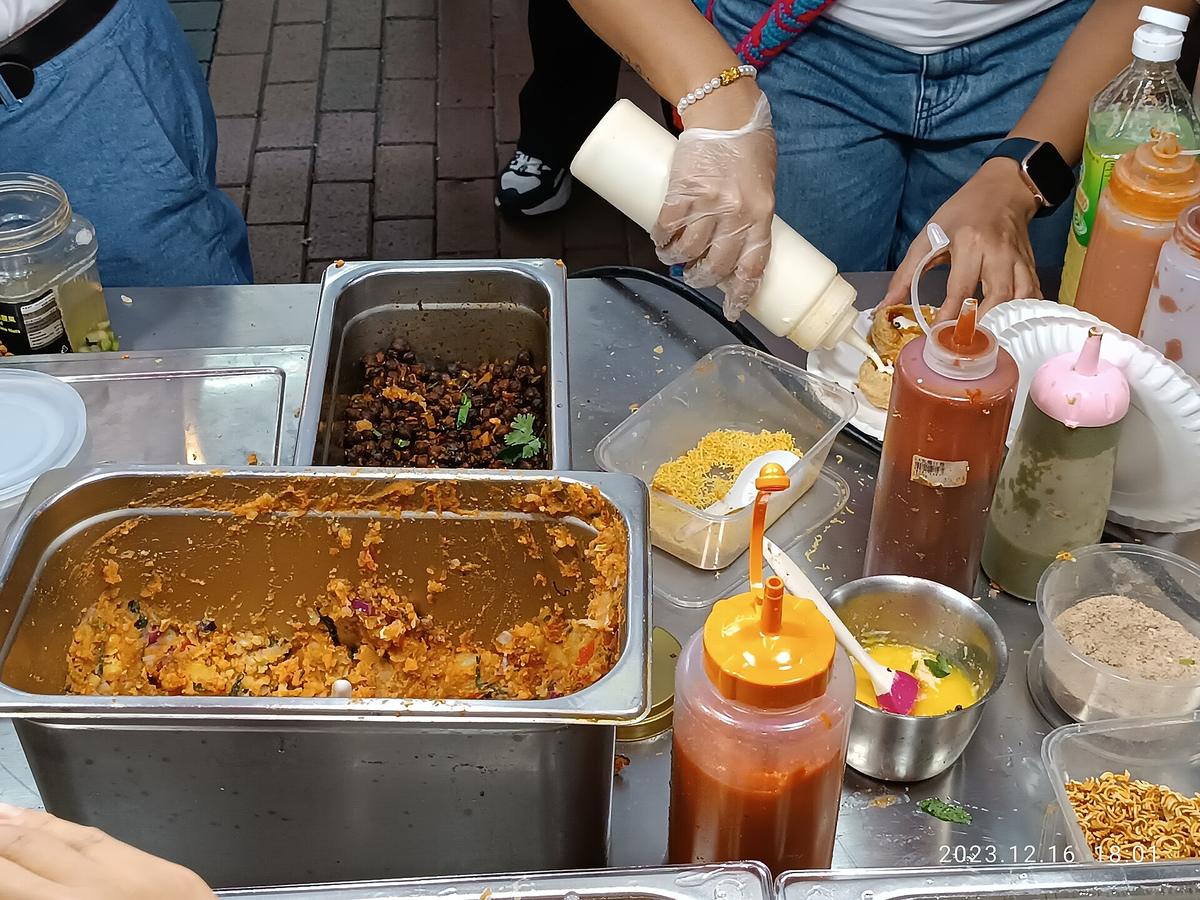
The dai pai dong cluster near the Tin Hau Temple midpoint is the densest and best. These are not restaurant kitchens. They are fixed-pitch hawker stalls with propane burners, woks seasoned by years of Cantonese cooking, and plastic tables and stools set up on the street itself. Sit down and signal to the nearest worker. Do not expect menus in English.
What to Order at the Food Stalls
Clay pot rice is the seasonal draw, served from autumn through winter. The rice cooks in a lidded clay pot over high heat, forming a crust at the bottom that you scrape up with a spoon. Order it with Lap Cheong sausage or Chinese bacon. Outside clay pot season, go for stir fried clams in black bean sauce or a plate of fried noodles with XO sauce. Both deliver.
The seafood stalls in the south section serve Typhoon shelter style crab and prawns. They are fine but not remarkable. The more memorable meal is at the dai pai dong that operates on a folding table next to a fortune teller's booth: a bowl of wonton noodle soup with springy egg noodles and shrimp wontons. That is Temple Street cooking at its best, in a spot you will never find again.
Bargaining Rules at the Food Stalls
Do not haggle at the dai pai dong or the seafood stalls. The price on the board is the price. Bargaining is accepted at the merchandise stalls. Offer 50 to 70 percent of the asking price and settle around 70. But you are not here for the merchandise.
The Fortune Tellers Under the Flyover
Walk to the north end of Temple Street, past the Tin Hau Temple, and you will find the fortune tellers set up under the elevated roadway. They work with palm reading, face reading, tarot cards, and Chinese astrology. A session runs 10 to 20 minutes. The price depends on which method you pick. Palm reading costs less than a full bazi (eight character) astrology reading. It also depends on whether the fortune teller thinks you look like a tourist who will pay more.
Most fortune tellers speak only Cantonese. A few have some English. If you cannot communicate, you will still get the performance: the hand reading, the nod, the furrowed brow, the scribbled notes on red paper. It is atmosphere, not a substitute for a life decision. Sit down, let them take your palm, and treat the price as the cost of a souvenir that is not a keychain.
The Cantonese Opera Singers
On most evenings, weather permitting, amateur Cantonese opera performers set up near the Tin Hau Temple around 20:00 and sing until roughly 22:30. They bring their own portable speakers and instruments. The singing is loud, unpolished, and completely genuine. Do not film from three inches away. Stand back, listen for a few minutes, and drop a small note in the collection box if you appreciated it. They are not there for the tourists, but they will not turn down the gesture.
How the Market Changed and Why it Still Matters
Temple Street Night Market is smaller than it was a decade ago. The vendor count has shrunk, and some of the energy has shifted to Ladies' Market in Mong Kok for shopping and to the newer food halls in Tsim Sha Tsui for eating. But Temple Street remains the best night market in Kowloon because of what the others lack: the combination of dai pai dong cooking, fortune telling, and live opera in one 600-metre stretch. Ladies' Market gives you more shopping variety and longer hours. It runs until 23:00 and is open from midday. It has no fortune tellers and no equivalent food scene. If you want to eat well and watch something strange happen, Temple Street is the choice.
Do not try to do it in daylight. The market opens around 19:00. The common mistake is showing up at 17:00, finding empty streets, and assuming the guidebook was wrong. It was not wrong. You were early. Grab a drink at a cha chaan teng on Jordan Road, wait for the light to fade, and walk north on Temple Street at 19:30. That is when the place works.

What to Skip and What is Nearby
The merchandise stalls in the south section are not worth your time if you have seen any other Hong Kong market. The same mass-produced goods appear at every stall from Temple Street to Ladies' Market to the street markets in Sham Shui Po: clothing, phone accessories, watches, bags, souvenirs. If you need a cheap watch, buy it here and bargain hard. If you do not need a watch, walk past.
If the market is not enough for an evening, the Tin Hau Temple at the north end is open daily from 08:00 to 17:00. Visit it before the market starts. The Jade Market on Kansu Street, about 200 metres west of Temple Street, operates from 10:00 to 17:00 daily and has roughly 400 stalls. Do not buy jade unless you know what you are looking at. Much of it is treated or synthetic. It is worth a walk-through for the atmosphere.
One honest caveat: the market is not for everyone. If crowds, humidity, and the smell of frying oil bother you, skip it. Temple Street is loud, cramped, and occasionally aggressive with the merchandise touts. It is the opposite of a relaxed evening. But if you want the version of Hong Kong that exists on the street rather than inside a climate controlled mall, this is where it still lives. Go for the food, stay for the fortune teller, and leave before the touts convince you that you need a fake Rolex.
Common Questions
How do I get to Temple Street Night Market?
Take the MTR Tsuen Wan line to Jordan Station. Use Exit A and walk north along Temple Street. The market runs about 600 metres from the Tin Hau Temple at Man Ming Lane down to Jordan Road.
When should I arrive to avoid the worst of the crowds?
Arrive at 19:00 when stalls are setting up. The busiest hours run 20:00 to 22:30. Coming early gives you easier seating at the dai pai dong and a better chance of getting a fortune teller session without a queue.
Can I use a credit card or do I need cash?
Cash is preferred at most street stalls and dai pai dong. Some vendors accept Octopus card, Alipay, or WeChat Pay, but never assume. Bring HKD 200 to 300 in small notes for food and a fortune teller session.
Is Temple Street better than Ladies' Market?
It depends. Temple Street is better for food, atmosphere, fortune tellers, and Cantonese opera. Ladies' Market has more shopping variety, more clothing stalls, and longer hours. For a meal and a show, choose Temple Street. For shopping, choose Ladies' Market.
Read next
-
 Hong Kong eSIM and Data Plans Before You Land
Hong Kong has no internet firewall. A cheap eSIM or tourist SIM from the airport gives you fast data for Google Maps and WhatsApp from the moment you land.
Hong Kong eSIM and Data Plans Before You Land
Hong Kong has no internet firewall. A cheap eSIM or tourist SIM from the airport gives you fast data for Google Maps and WhatsApp from the moment you land.
-
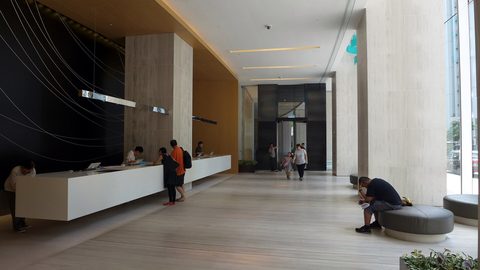 Hong Kong Hotels by Price Band and Property Type
Hong Kong hotel rooms are small, but the difference between a luxury harbour-view tower and a Mong Kok budget room is enormous.
Hong Kong Hotels by Price Band and Property Type
Hong Kong hotel rooms are small, but the difference between a luxury harbour-view tower and a Mong Kok budget room is enormous.
-
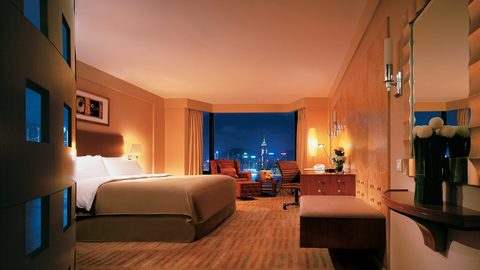 Where to Stay in Hong Kong Island or Kowloon for a First Visit
Hong Kong Island puts you in the financial and dining core, while Kowloon gives you harbour views and street life. The street you pick matters more than the district.
Where to Stay in Hong Kong Island or Kowloon for a First Visit
Hong Kong Island puts you in the financial and dining core, while Kowloon gives you harbour views and street life. The street you pick matters more than the district.
-
 How to Find Cheap Flights to Hong Kong International Airport
Hong Kong has one airport, a lot of airline competition, and a fast train into the city. The routing tricks are in the booking, not the arrival.
How to Find Cheap Flights to Hong Kong International Airport
Hong Kong has one airport, a lot of airline competition, and a fast train into the city. The routing tricks are in the booking, not the arrival.
-
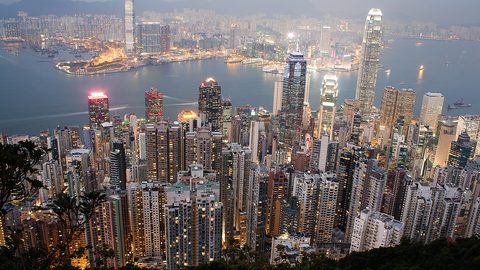 Things to Do in Hong Kong Ranked by What Is Worth Your Time
Victoria Peak, the Star Ferry, and a serious hike earn their fame. Some other Hong Kong sights do not.
Things to Do in Hong Kong Ranked by What Is Worth Your Time
Victoria Peak, the Star Ferry, and a serious hike earn their fame. Some other Hong Kong sights do not.
-
 Best Time to Visit Hong Kong for Clear Skies and Low Humidity
October to December offers the best balance of clear skies and low humidity, but every other season trades weather for lower prices or festivals.
Best Time to Visit Hong Kong for Clear Skies and Low Humidity
October to December offers the best balance of clear skies and low humidity, but every other season trades weather for lower prices or festivals.
-
 Victoria Peak
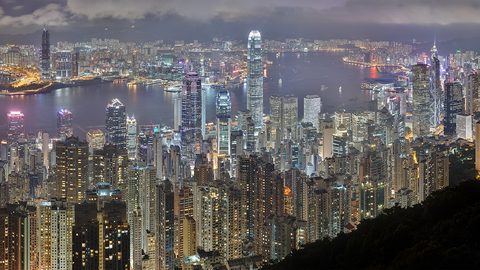
The view from Victoria Peak is the point; the tram queue is the problem, and there are four other ways up.
Victoria Peak
The view from Victoria Peak is the point; the tram queue is the problem, and there are four other ways up.
-
 Star Ferry
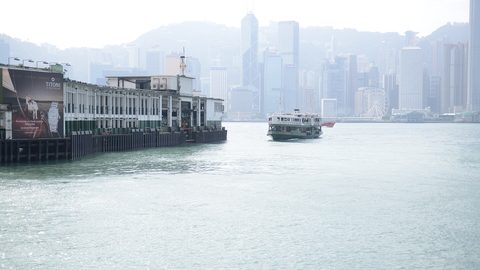
The Star Ferry costs HK$5, takes 10 minutes, and the upper deck heading from Tsim Sha Tsui to Central gives the best skyline view.
Star Ferry
The Star Ferry costs HK$5, takes 10 minutes, and the upper deck heading from Tsim Sha Tsui to Central gives the best skyline view.
-
 Big Buddha and Ngong Ping
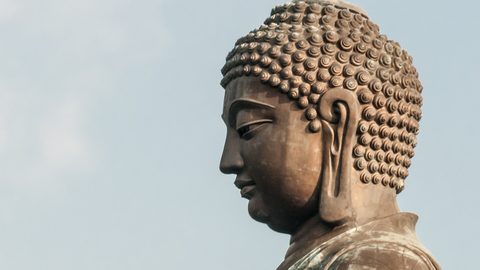
The Big Buddha is 268 steps up, the cable car takes 25 minutes, and the village at the top is mostly a shopping mall.
Big Buddha and Ngong Ping
The Big Buddha is 268 steps up, the cable car takes 25 minutes, and the village at the top is mostly a shopping mall.